Trending
1666: Amsterdam, from Panache Digital Games, casts you as a 17th-century witch, and it handles objectives about as unconventionally as its premise suggests. There's no on-screen marker pointing you towards your next goal, no minimap, and no compass. Instead, the game leads you forward through strange floating symbols that only resolve into readable text once you get close enough. It's an easy system to miss entirely if nobody tells you it exists, and wandering around without knowing what you're looking for can burn a lot of time.
Why there's no compass or minimap
1666: Amsterdam is a heavily story-driven game, and its approach to objectives reflects that. Rather than a HUD element telling you where to go, the story itself is the guide. If you're used to games that mark your next objective automatically, it's worth adjusting your expectations early, since nothing here will do that for you.
How to follow the story symbols
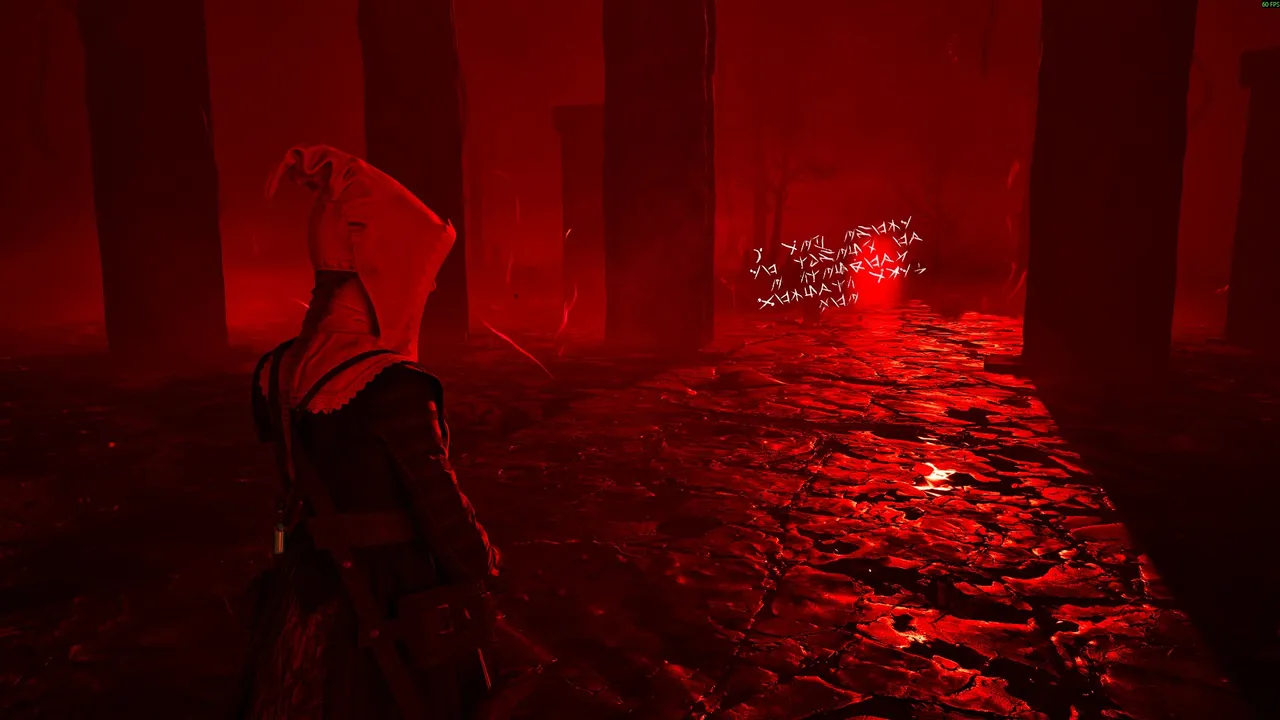
Keep an eye out for clusters of strange, unreadable symbols floating in mid-air as you explore. These aren't decorative. Walking towards one and getting close enough causes it to resolve into legible text, which continues the framing narration of the protagonist recounting her story to her daughter. Following these symbols is effectively how you follow the game's objectives, since there's no separate system running alongside them.
What happens once you reach a symbol
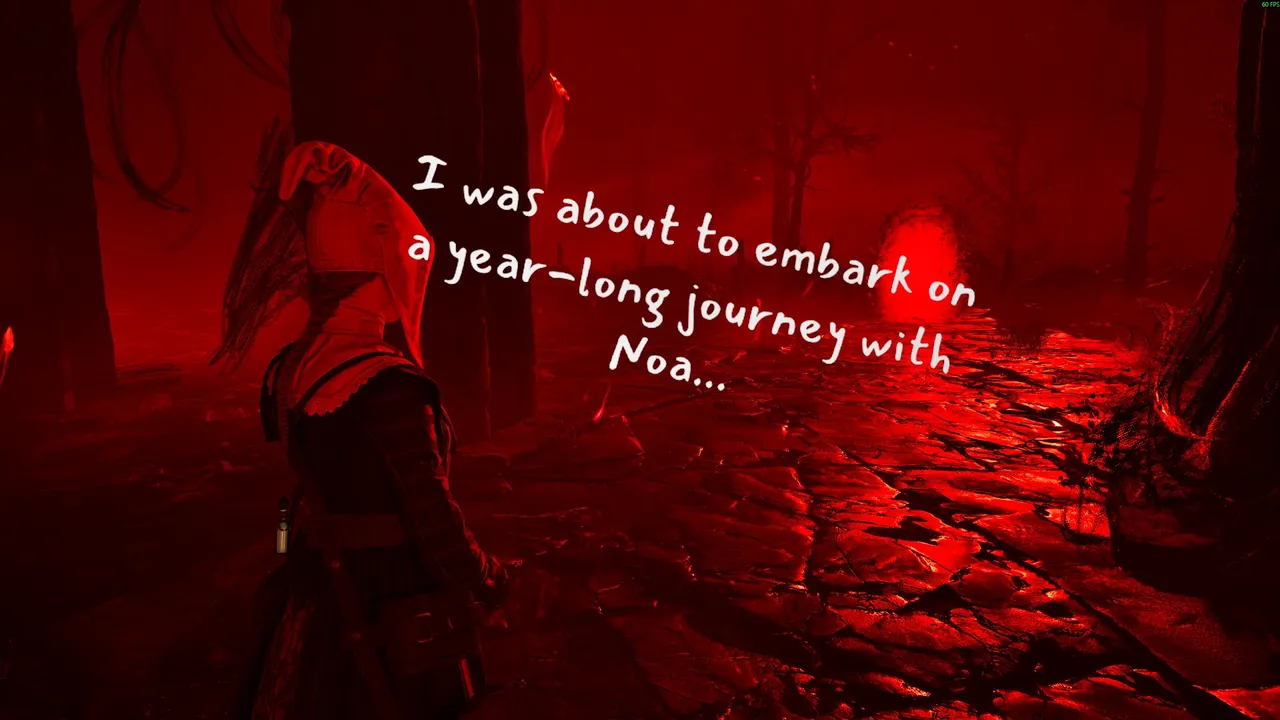
Once the symbol turns into readable text, the story pushes forward, and a new area or objective usually becomes available as a result. If you ever find yourself stuck without a clear sense of where to go, stop and look around for the next set of symbols rather than assuming there's a hidden path or hint marker you're missing. Following them is the whole trick.
Quick tip: The symbols aren't always directly ahead of you on the obvious path forward, so if you're stuck, check off to the sides and behind scenery rather than only looking straight down the route you'd expect to take.

DON'T MISS!