Trending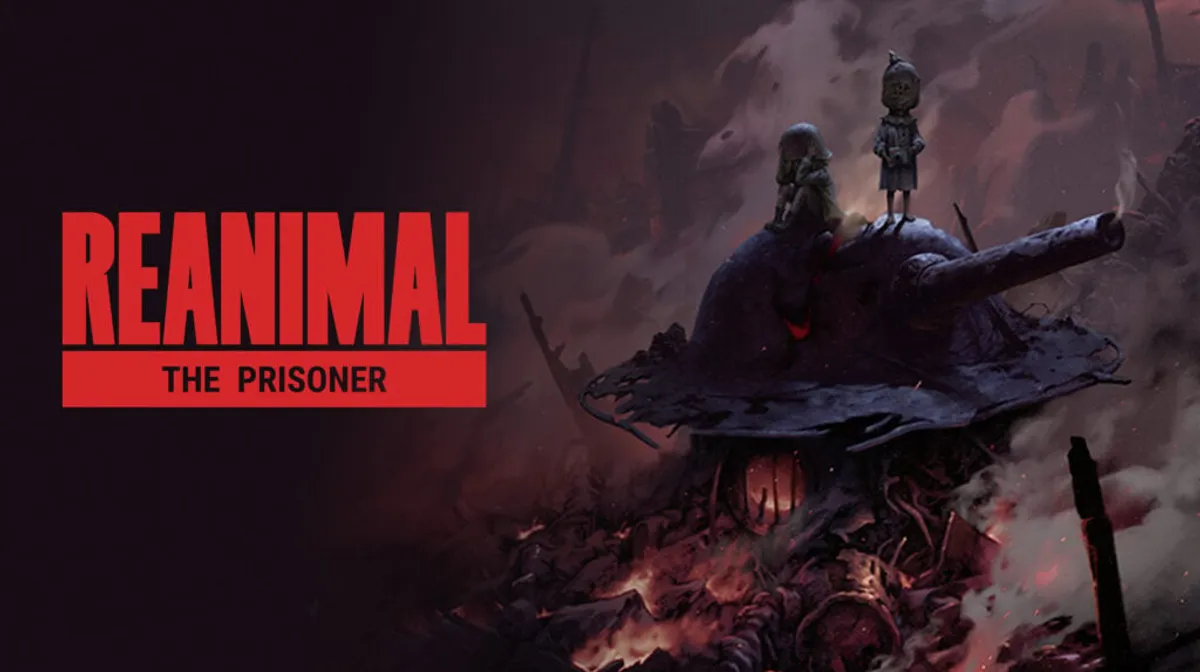
When I told my sister we're playing through the first DLC for Reanimal together, her first reaction was "I'm so scared," which coming from someone who played through both Last of Us games, Days Gone, and the entire Dark Pictures Anthology, was clearly more of a joke than an actual warning.
I, on the other hand, tapped out of The Last of Us 1 around the tank section because I decided that was simply too much anxiety for me, so you already know we made an interesting pair going into this one.
However, as someone who played through Reanimal already, I knew that Tarsier Studios wouldn't throw in more horror than I could handle, so when we jumped in The Prisoner, the first out of the three planned chapters in The Expanded World, I was very excited.
Small chapter, big questions
The Prisoner takes us back into the same city we played through in the base game, still haunting, still war-torn, and left even more destroyed after the final sections of the base game where you're fleeing from the Lamb in a tank.
This time we're seeing it through the eyes of two new protagonists, two children called the Prisoner and the Soldier. I don't know why I was surprised when I saw it's two kids, because both Reanimal and the Little Nightmare games always had kids as protagonists. It came as a surprise to me while at the same time not being surprising at all.
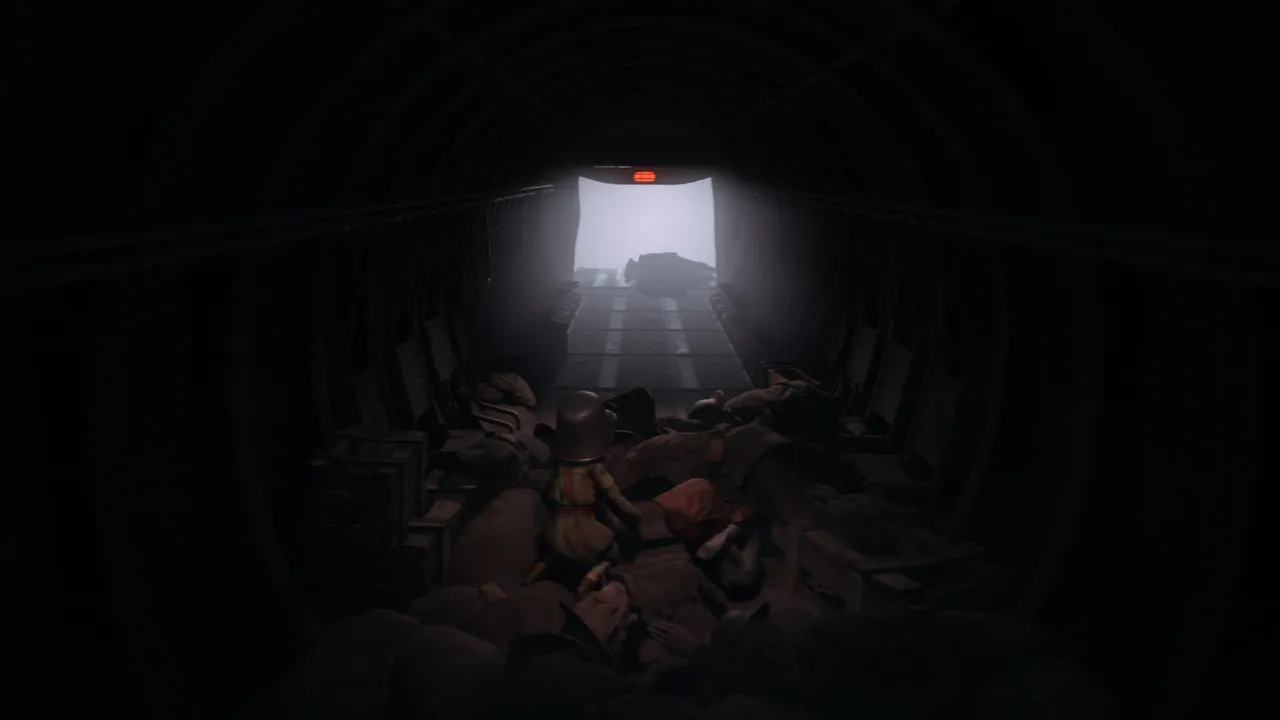
The two characters are opposites, obviously, but they have to work together anyway if they want any chance of surviving what's left of the city that's around them. The game doesn't tell us what their connection is, why they are there, but it could be assumed that the Soldier was simply a child that enlisted in the army, while the Prisoner is...Well, a prisoner.
This fact made me really sad, though, as when you think about it these are two kids, thrown into a warzone, into an environment completely created by adults, for reasons no child could ever be responsible for. This same thread of innocence being destroyed and taken away by a world it never asked to be a part of ran through the base game as well, but seeing it play out here, in this specific setting, really struck a nerve with me and hit really hard.
Just like the base game, and honestly most of Tarsier's work, the answers won't be spelled out for you, not now or when all three parts drop. The story is leaning entirely on environment and gameplay to do all the talking, as since this is only the first part, don't expect any answers at all. This is simply laying out the foundation, and it's clearly meant to be experienced across all three parts before things really click into place. Or you try to click them into place.
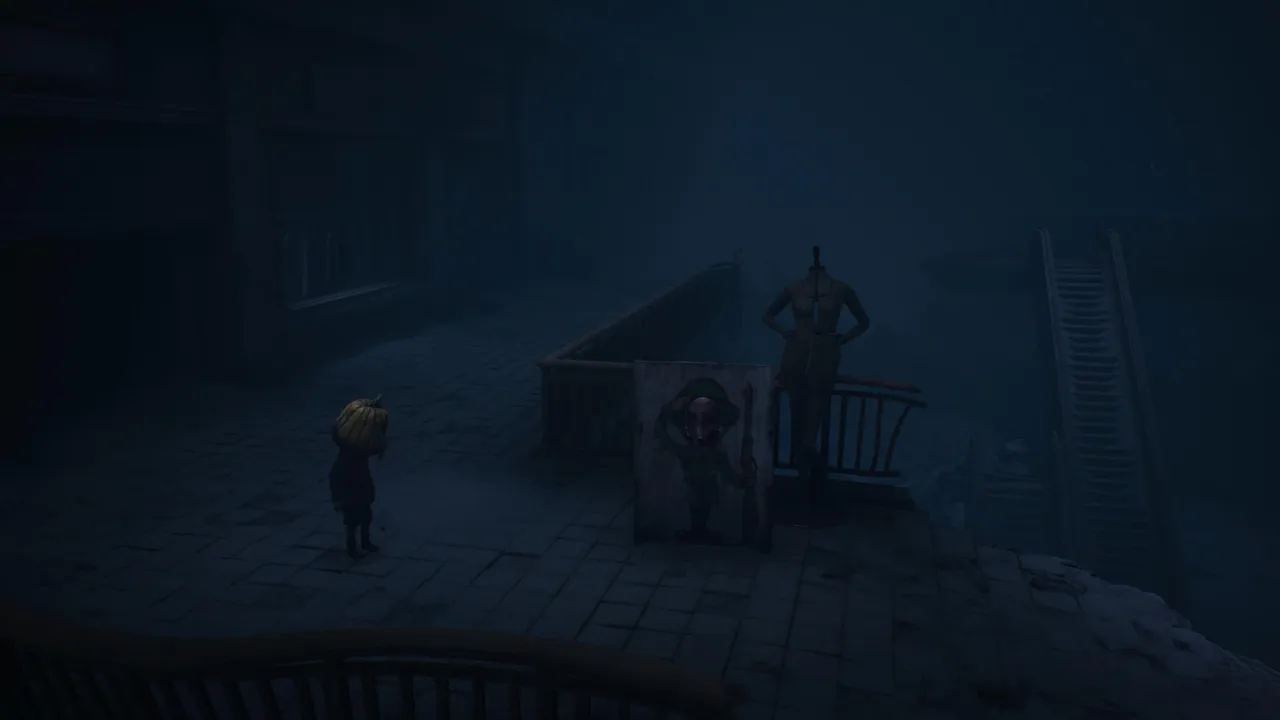
What the DLC did bring however was atmosphere, and a bunch of details worth chewing on. You meet someone familiar from the base game who somehow survived, which raises its own questions. It brings a little bit of dialogue, one character saying " She had it coming" made me build some theories in my head which I fully expect to be wrong.
Tarsier Studios seem determined to make sure you don't have enough to guess anything, especially since they've given us two new characters whose connection to the kids from the base game - if there is any - is still a mystery.
An axe, a camera, and two small hands
The Prisoner follows the same formula that made the base game work: exploration, some light puzzle solving, and combat that mostly consist out of running away, and fighting only if you have no other choice. Enemies here are stronger than you and will kill you in one hit, so whether you're sneaking pass something or trying to run away, the tension will never let up.
This time we get two tools, a camera and an axe. The Prisoner finds the camera who serves both as a tool and as a weapon. It can be used to stun enemies mid-fight, allowing the Soldier to smack them with his axe. The combat loop is built around that combo, stun and then strike, it's simple and doesn't really become tedious.
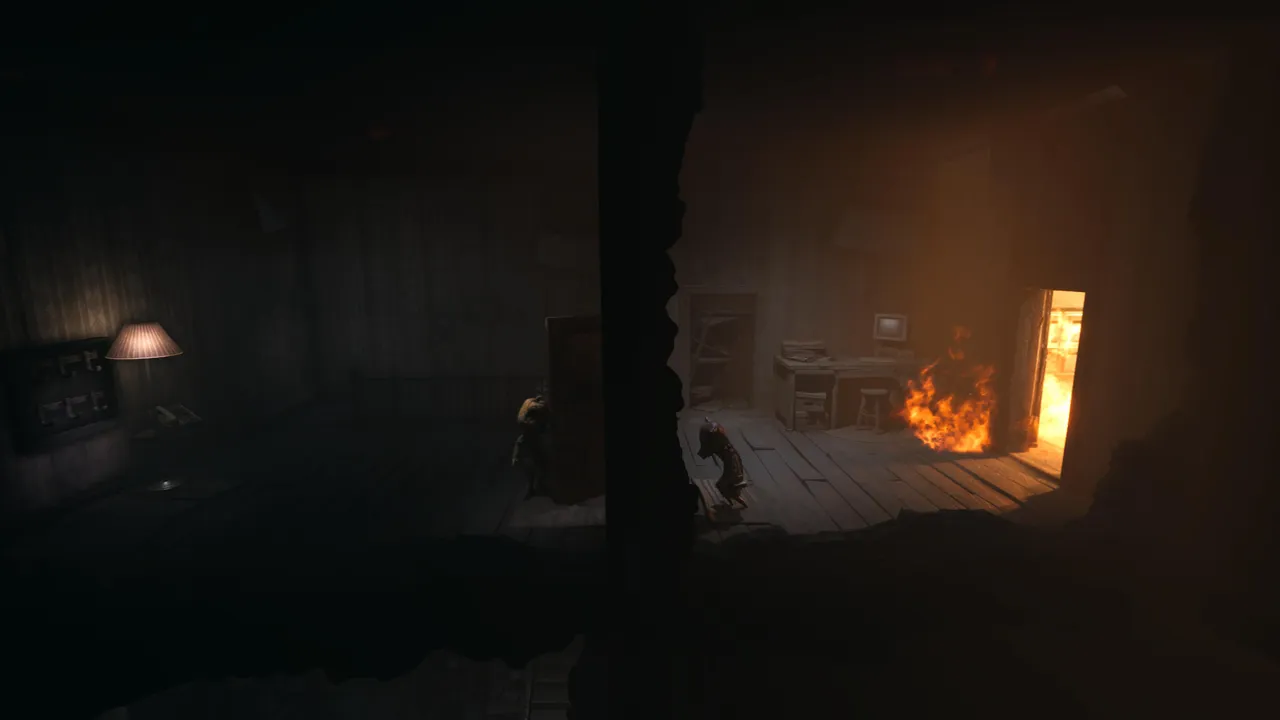
Some encounters might lean a bit more on luck than actual skill, and sometimes the axe's swing animation can be finnicky enough to miss more than it should. During our playtime, I was the Prisoner so I didn't use the axe, but I do remember something similar happening in Little Nightmares 2 and the section where you get attacked by puppets.
The camera is as important as the axe. It is used to interact with the environment, moving certain inanimate objects to help solve puzzles, and also for traversal in some scenes. A neat detail which I noticed while playing was that - since it's a polaroid camera - when you take pictures they actually get made and stay on the ground. In darker areas, it is the thing that gives you some light, which might make figuring out where to go a bit tricky, especially if someone is chasing you.
Just like in the base game, exploration happens both on foot and by vehicle, and it takes you through familiar places you've visited in the base game. Some players might consider that as asset reuse, but since this DLC is taking place in the same city, it does make sense to me to visit some of it's places where we've been before.
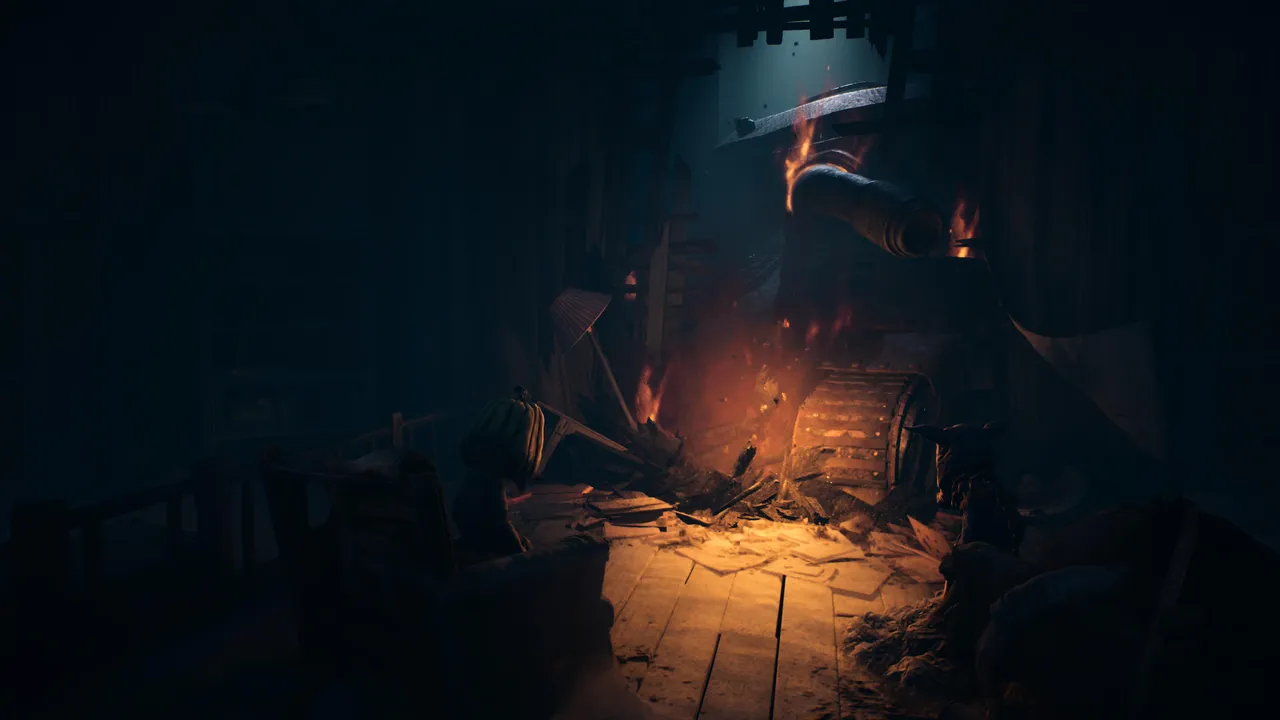
You'll also come across mines scattered around, which makes exploration more meaningful and appropriate to where you are.
Playing this coop with my sister, after playing the base game solo, added a whole different dimension to the experience too. There is a real, specific kind of panic that comes when one spots a key or an item you need to progress and shouts "There it is!", and that shared tension made the whole experience much more enjoyable.
We didn't get to experience a proper boss fight, as I believe that the mad soldier with the flamethrower is some sort of mini boss. That fight was a bit buggy, or at least seemed so to me, because my character kept running in the opposite direction from what I wanted.
Oh and if you're playing coop, be prepared to get shot at a couple of times...Allegedly accidentally. Because I certainly was.
Sounds of a city dying
Performance wise, I didn't have any issues with the game, it ran smoothly without any hiccups.
Visually, it looks exactly the way you would think after reading the above paragraph. Bleak, lifeless, grey, and left without more or less anything that might resemble hope, to the point where the only thing you might call colourful are the flames you encounter at certain points.
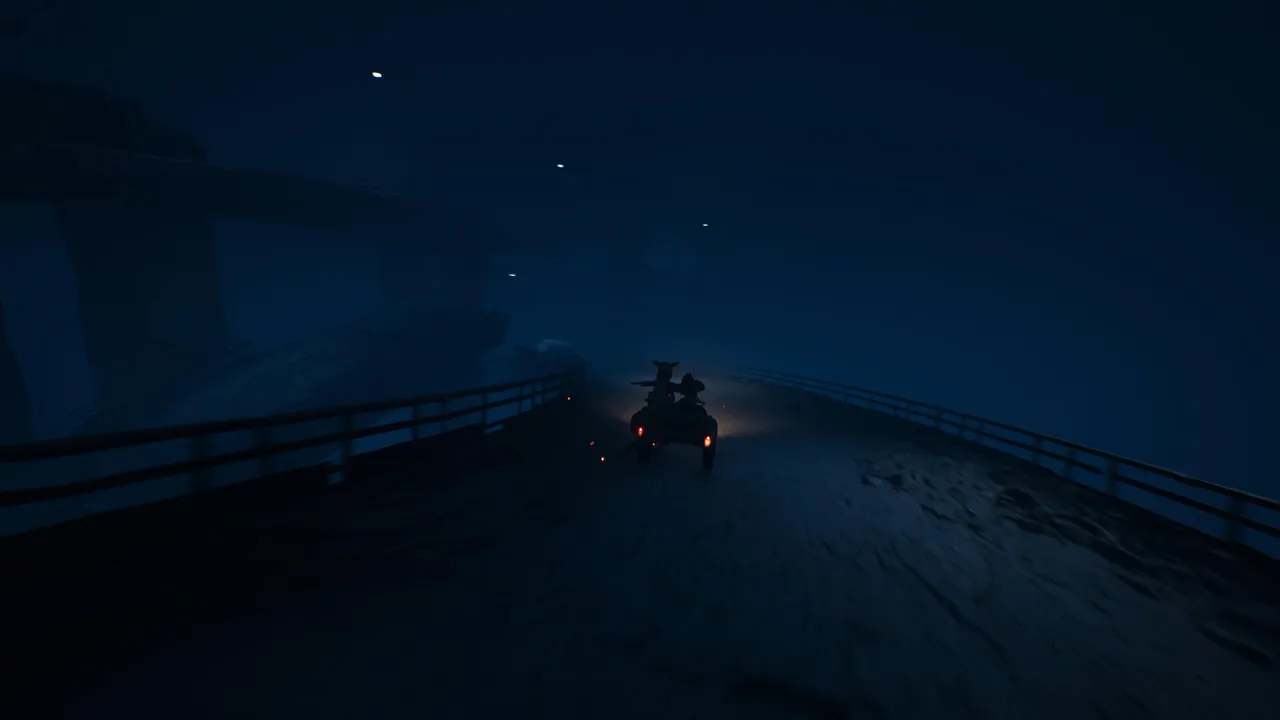
The fact that colour is lacking in this world reinforces just how far gone it really is.
The sound design is as amazing as in the base game, carrying over the same atmosphere we've seen there, if not even worse. Ambient noises will never let you forget where you actually are, grenades going off in the distance, bullets coming through the air in some sections. The game will never let you forget that you are in a warzone.
If you combine that with the visuals, it paints a picture of an unsettling, unwelcoming, and grim place, which fills you with a sense that you don't belong there, and you shouldn't be there for long.
One down, more dread to go
The Prisoner is not here to tell you everything, it's just here to give you an opening, a first step into a much bigger story. Since it's sitting on one to two hours of length, some players might call it a bit thin, but I trust Tarsier Studios and what they are planning. There is no point in blaming this chapter for not answering questions it was never meant to answer yet.
What it does deliver though, is exactly what Reanimal built its reputation on, an atmosphere that creeps but doesn't shout, environmental storytelling that rewards attention, and a sense of dread that will never leave your side.
This chapter will not give you any answers, but it really isn't supposed to. It's there to remind you why you cared about this world in the first place, and leave you with just enough questions to make the wait for the other two chapters worth it.
Whether you decide to play it one by one, or wait for all three parts of the DLC to drop, The Prisoner is an unsettling but solid start to a story I'm genuinely excited to continue. lt
The Good
 Atmospheric, dread-heavy horror
- Neat environmental storytelling
- Strong co-op experience
- Familiar themes
- Fitting new camera mechanic
The Bad
 Some players might consider it short
- Axe swing animation can be finnicky
- Buggy movement in a boss fight