Trending
![[Interview] Wuchang: Fallen Feathers - Blending Chinese History, Dark Fantasy, and Player Freedom](https://media.altchar.com/prod/images/gm_featured_image/8fe796994621-wuchang-fallen-feathers-interview.jpg)
Being a huge fan of soulslike video games, Wuchang: Fallen Feathers is one of my most anticipated RPGs of 2025. With its unique setting and themes, stunning visuals and what seems like a very dynamic combat, it's easy to get carried away by Wuchang: Fallen Feathers' strong appeal.
In addition, I've only seen a few games try to embody cultural heritage as boldly as Wuchang: Fallen Feathers. Developed by Chinese studio Leenzee Games, Wuchang takes players into an alternate Ming Dynasty China, merging a dark fantasy narrative with centuries-old folklore and philosophy.
Recently, I spoke to Xia Siyuan, Game Director/Art Director of Wuchang: Fallen Feathers and Co-Founder/CTO of Leenzee Games about this and many other topics regarding Wuchang: Fallen Feathers, including its art style, music, combat and storytelling and ended up getting even more excited for this upcoming title.
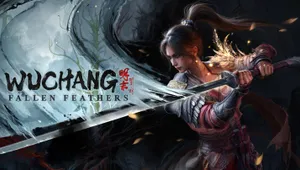
AltChar: Wuchang draws inspiration from the late Ming Dynasty and Chinese folklore. How did you approach blending real historical elements with dark fantasy, and what kind of research went into it?
Siyuan: Our game’s world is based on a parallel universe concept - one that branched off from our own reality due to a small divergence during the time of Duyu. Building on that idea, we consulted a wide range of historical texts, studied numerous Ming Dynasty artifacts, and visited museums to deepen our understanding. From there, we created a full timeline and narrative arc spanning from the Duyu era to the Ming Dynasty, striving to make the world feel authentic and believable.
We also drew inspiration from cultural traditions such as the Sanxingdui civilization, Sichuan opera face-changing, and the iron flower ritual, as well as from Ming-era Confucian, Buddhist, and Taoist philosophies and the evolution of firearms. These influences have been woven directly into the gameplay. Our hope is that these elements not only capture the historical atmosphere but also allow players to truly experience the unique cultural richness of the region.
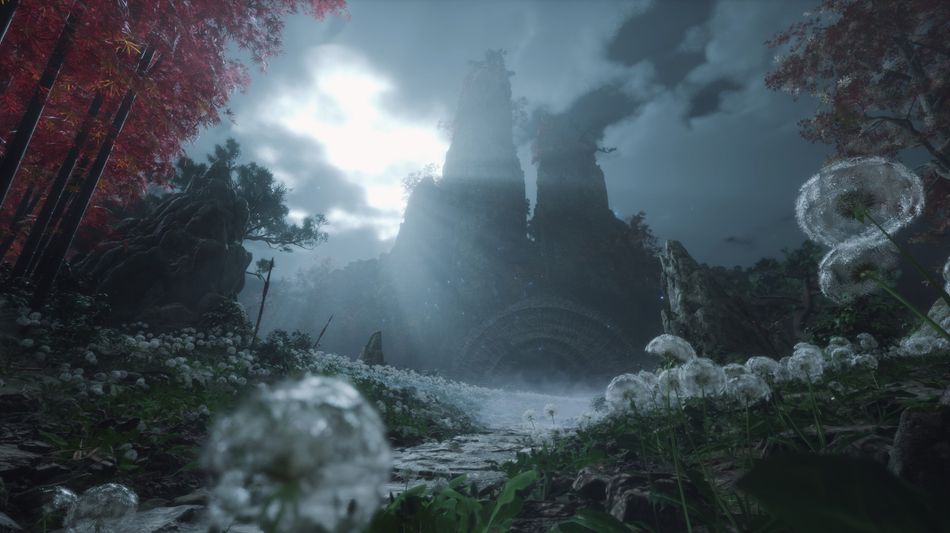
AltChar: Given that this is your first AAA video game, how did you decide to make a Chinese-setting souls-like, and that this is the game you really want to make?
Siyuan: Jiangkou Sunken Silver, the Four Adopted Sons, Sanxingdui, the Jinsha Site, Taoping Qiang Village, the Bao’en Temple in Pingwu… these Sichuan relics and legends carry thememories of my team and me as we grew up. We drew inspiration from local folk traditions like Sanxingdui, Sichuan opera face-changing, and the iron flower ritual, as well as from Ming Dynasty philosophies - Confucianism, Buddhism, and Taoism - and the era’s firearm innovations.
These elements have been thoughtfully woven into the gameplay. Our goal is not only to evoke the historical atmosphere but also to immerse players in the unique cultural essence of the region. For us, sharing these memories and stories with more people is meaningful in itself — and we believe they will resonate with players. As the audience for Chinese-developed games grows, we hope to contribute in our own small way to strengthening that cultural label and supporting its continued rise.
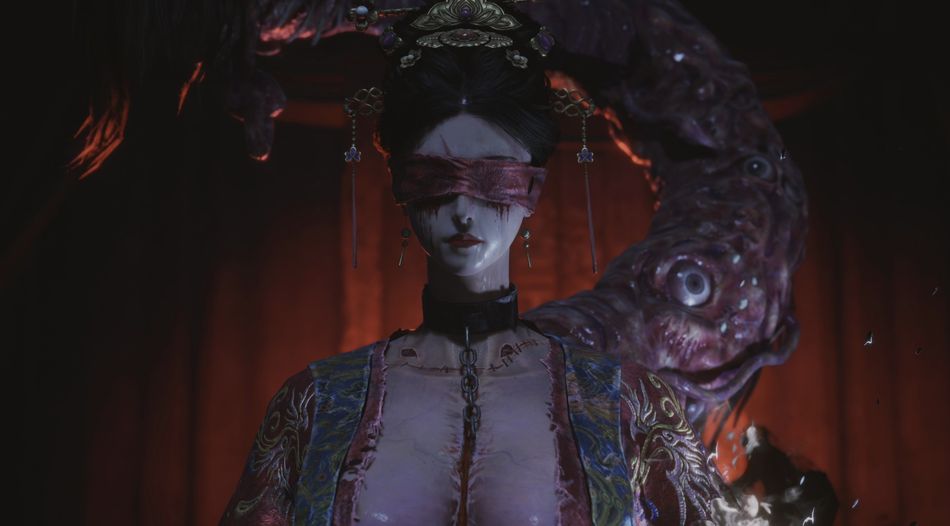
AltChar: The visual style is giving me both grounded and dreamlike vibes - what were your mainartistic inspirations, and how did you shape the game’s aesthetic direction?
Siyuan: Building on the previous two points, we’ve incorporated a wide range of aesthetic elements from traditional Chinese culture. Most of the time, we aim to present players with a sense of “simple, unadorned beauty” that reflects the era and the humanistic landscape found in Chinese cultural sensibilities. As players delve deeper into the world, the visual experience gradually shifts — with mythological elements such as those related to Duyu becoming more prominent andimpactful over time.
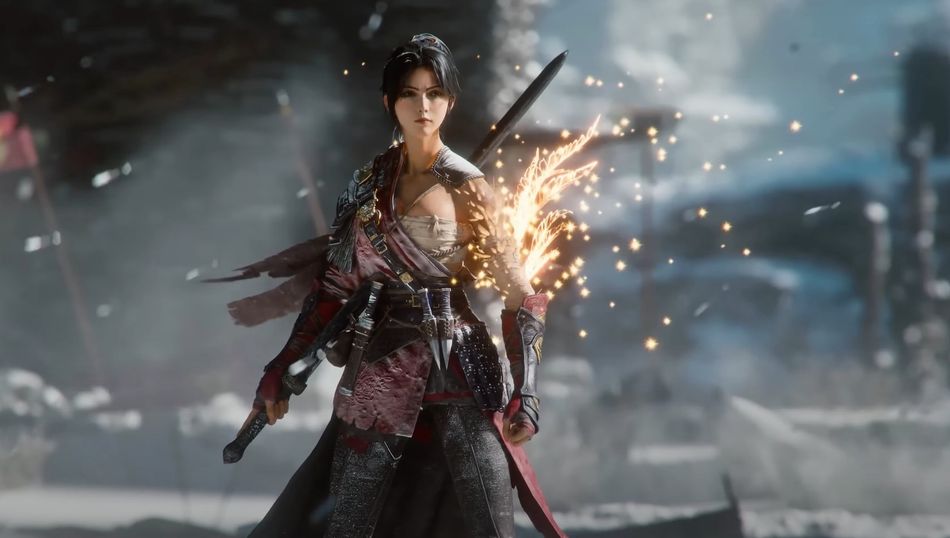
AltChar: Soulslike games often rely on subtle storytelling. Is this something that we can expect from Wuchang, too, or are you going for a more "Western video game" storytelling approach that will make the story easier to follow?
Siyuan: The main storyline in WUCHANG: Fallen Feathers is relatively clear, with numerous cutscenes and direct guidance from key characters. However, the side quests follow amore fragmented narrative approach - players will need to gather information and complete specific tasks. These side stories aren't just optional content; they can directly influence the outcome ofthe main storyline, shaping which ending the player ultimately reaches.
AltChar: Combat in Soulslikes can often feel punishing - what steps have you taken to make Wuchang challenging but fair, especially for newcomers to the genre?
Siyuan: We hope that players with different playstyles can find their own way to overcome challenges. For example, by exploring the map, players might discover armour with specific resistances to increase survivability, or unlock a talisman that protects against a boss’s roar, or even uncover class builds designed to counter specific bosses.
We want players to think creatively during gameplay and enjoy the process of discovering solutions - which is why Wuchang allows free respects at shrines without any cost.This freedom to experiment is a core design principle of the game. At the same time, the game’s “Inner Demon” system gives players the freedom to choose between low-risk, low-reward or high-risk, high-reward approaches. With low Inner Demon levels, players lose only a small amount of Red Mercury upon death, making the early game more forgiving.
However, it’s only by embracing high Inner Demon levels that players can unlock the full potential of their build and combat capabilities. This system invites players to weigh their choices and treat progression as a gradual journey of experimentation and learning.
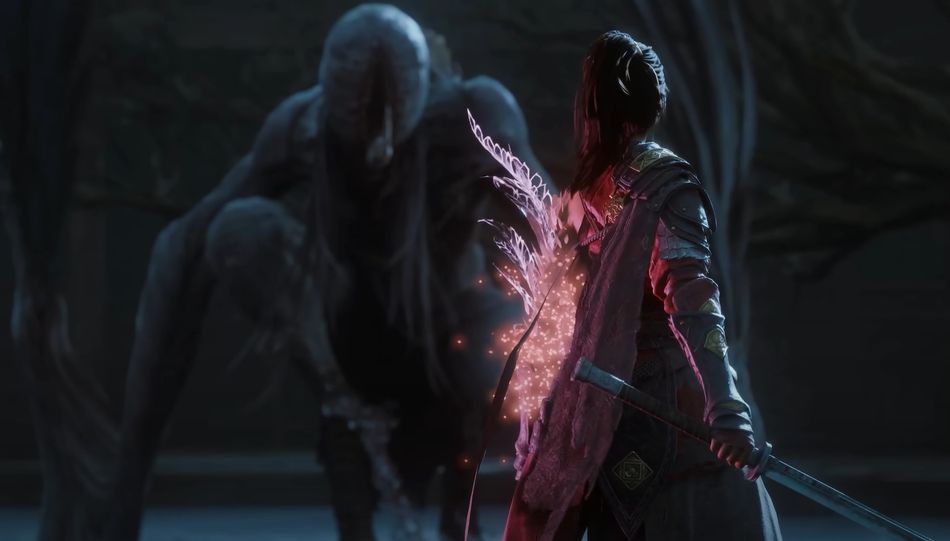
AltChar: I was ecstatic when the metal music kicked in during the final phase of Bride's boss fight. Ilove how you blend traditional and modern music there. Was this made to make your gamestand out from the other dark fantasy soulslikes, which usually go for full orchestras and choirs? And can we expect more of that in other boss fights?
Siyuan: For Wuchang, our approach to music is to create a rich and varied soundscape that fits the game’s themes while offering diverse forms of expression. Each boss battle and region will feature its own distinct musical style, tailored to enhance the atmosphere and emotional tone. So players can expect a wide range of musical styles throughout the game.
AltChar: With multiple endings confirmed, how much do player choices influence the path and tone of the game? Are there consequences that go beyond dialogue and into gameplay mechanics?
Siyuan: Players’ choices will influence the fate of NPCs in the game, and certain key decisions will directly affect the player’s own ending. Some choices will also change the player’s progression and exploration path, and may determine whether they can obtain essential items or weapons for their build.
OUR TAKE
With its commitment to cultural authenticity, dynamic combat systems, and layered storytelling, Wuchang: Fallen Feathers doesn't feel like just another entry in the Soulslike genre - it’s a personal tribute to history, folklore, and the team’s roots. For players craving a fresh take on dark fantasy, Wuchang is shaping up to be one of the most intriguing titles on the horizon and I can't wait to finally play it.
DON'T MISS: