Trending
Layers upon layers upon layers - that's the first thing that comes to mind when explaining Where Winds Meet. After 70+ hours with the Early Access version, I'm still discovering systems I didn't know existed. That sentence alone should tell you enough about the scope and ambition of this game.
Where Winds Meet blends open-world RPG design with MMO systems, letting you choose exactly how social or solitary you want the experience to be. Best of all, it does all this for free.
But can a free-to-play game deliver premium quality without predatory monetisation? This one absolutely nails it. The first several hours may be a bit overwhelming, but everything clicks once you understand how the systems connect.
First revealed back in 2022 and initially released in China last December for PC and this January for mobile, this global release brings authentic wuxia action to Western audiences in a way that feels almost unfair to demand for free.
Respecting Your Time and Playstyle
Before you even touch the robust character creator (sliders for everything, plus you can upload audio or images to generate your character), the game asks how you want to play.
Exploration guidance ranges from detailed waypoints for casual players to minimal for those who want Elden Ring-style cryptic exploration. Control schemes offer ARPG or MMORPG modes. Combat difficulty spans Story mode (light combat with assists) to Expert, including Legend and a planned Hardcore permadeath mode. Social preferences let you pick Shared Journey for multiplayer or Lone Wanderer for solo play.
You can change all of these options later if needed, though Legend difficulty cannot be reverted once changed.
One quality-of-life feature that immediately stood out is that cutscenes have playback speed controls - you can skip them entirely and get a recap, or speed them up if you don't want to skip. After years of unskippable nonsense in games, this felt thoughtful.
Setting and Story
Set during China's Five Dynasties and Ten Kingdoms period, an era bridging the Tang and Song dynasties, you play as a young sword master journeying through Jianghu while uncovering the mysteries of your identity. The opening drops you straight into action and establishes the background and narrative drive: Uncle Jiang fleeing through bamboo groves with a baby, enemies in pursuit, and a dramatic horseback escape.
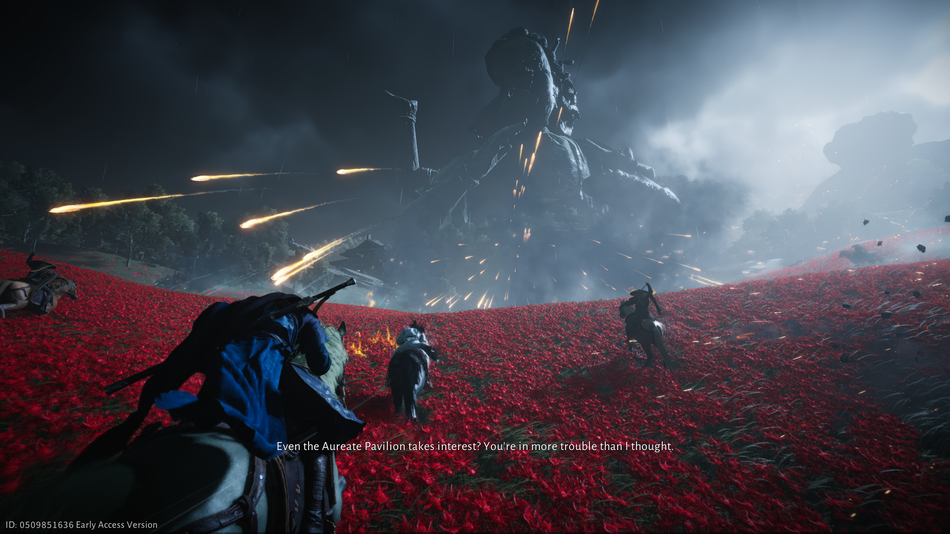
Your story begins in Qinghe, where Aunt Han and Uncle Jiang raised you. Through dramatic events in your town, you embark on a journey to find them while learning martial arts and solving problems along the way. Circumstances lead you to Kaifeng, a bustling, gorgeous city, but beneath its grandeur, Kaifeng conceals not only poverty and unrest but also a deeper political conspiracy involving the imperial court, a thread that slowly unravels as you progress.
For players unfamiliar with this era, myself included, Where Winds Meet doesn’t drown you in dynasty politics. History sets the mood, but the focus stays on personal stakes, and you don’t need to be a Chinese history buff to care about the world or the people in it. When the story does venture into political territory, it works because you understand who it threatens and why.
You meet memorable characters like Yingying, Little Fu, and Big Zhao, who provide excellent comedic moments, like Big Zhao throwing chickens and geese at soldiers to help you escape. Writing and pacing are solid overall, though Chapter 2 in Kaifeng slows down before picking up again. There's enough fantasy to be engaging without being over the top, with real human struggles and relationships and plenty of humour woven throughout. One of my favourite side quests involves helping a guy flee an arranged marriage, only to help him reverse course later - these self-contained stories are compelling and make your time with them worthwhile.
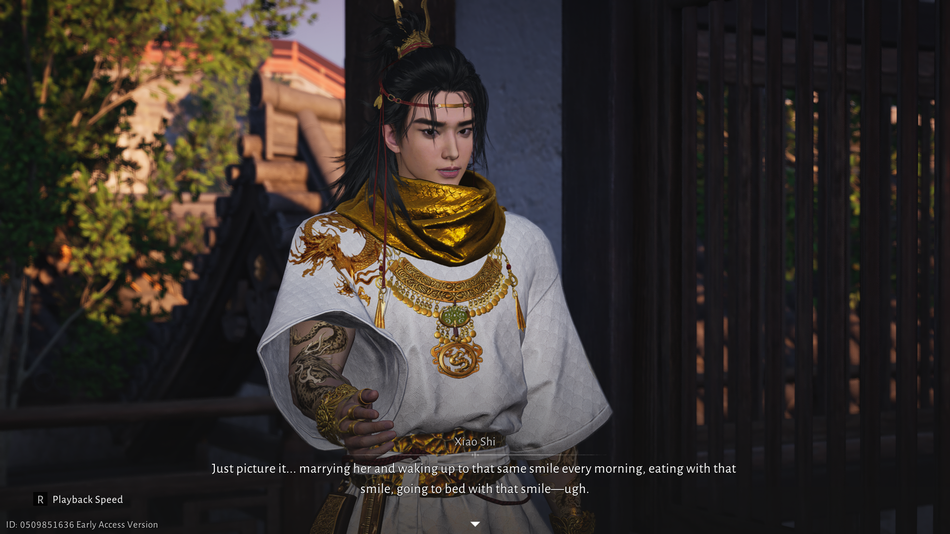
The lore isn't spoon-fed to you either. Much of it is hidden in letters, books, or tied to NPCs, encouraging you to follow clues and visit locations, and engage with the world. Beneath the lively and scenic surface lies a darker side with grim stories and eerie secrets that balance the beauty with weight and tension.
As a live-service game, new stories will continue to release over time. The main story in its current state takes around 30-40 hours to complete, depending on your pace, but once it's complete, Where Winds Meet opens up significantly, and you can fully turn to exploration and grind as your primary focus.
World and Exploration
This is a massive action-adventure RPG with over 150 hours of content. The global launch begins with the Qinghe and Kaifeng regions - flower-filled valleys, rocky mountains, dense forests, villages, and caves that stretch deep beneath the earth. Areas are visually distinct, and more unique regions are already confirmed for future updates. Hundreds of side missions, treasure chests, and events are scattered everywhere.
The main city of Kaifeng is arguably the most detailed environment I've seen in an open-world game. You can enter virtually every house, and there are over 10,000 NPCs moving around and following their daily routines, each behaving uniquely. I don’t think I’ve heard a single NPC repeat another’s line. The NPC density isn't uncomfortable - it captures exactly what I'd imagine a lively tenth-century Chinese city to be.
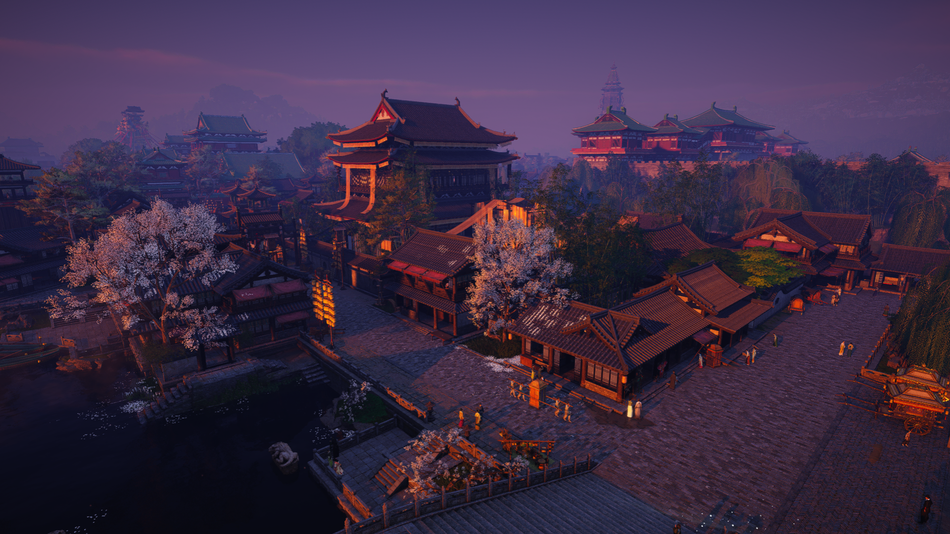
This attention to detail isn't just aesthetic either, Where Winds Meet fills its world with purpose. You explore because it promises to reward your curiosity, not because you’re obligated to. I was wandering through the city streets when I saw yellow butterflies leading me to a coffin. I stepped inside and got transported to an underground Ghostlight Market with its own questlines, vendors, and unsettling atmosphere. The coffin wasn't the only FromSoftware homage. My Dark Souls instincts kicked in, and sure enough, some suspicious-looking chests were indeed mimics. A nice touch that made me smile.
I'm a sucker for games with animals, and Where Winds Meet is filled with them. Cats are everywhere - there's even one that gives you parkour quests for rewards. They're not just decoration, though. My very first death wasn't from a boss or bandit, but from a furious village goose I tried to pet. I love that.
Everstone have done an incredible job bringing the world to life. Leaping across rooftops, observing people and their routines, and walking through Kaifeng at sunset while lanterns illuminate the streets is like stepping into a living period piece. It becomes even more alive through side activities like bosses, mini-games, or downtime activities like mahjong, wrestling, or relaxing at bathhouses.
Where Winds Meet - Dungeons Gallery

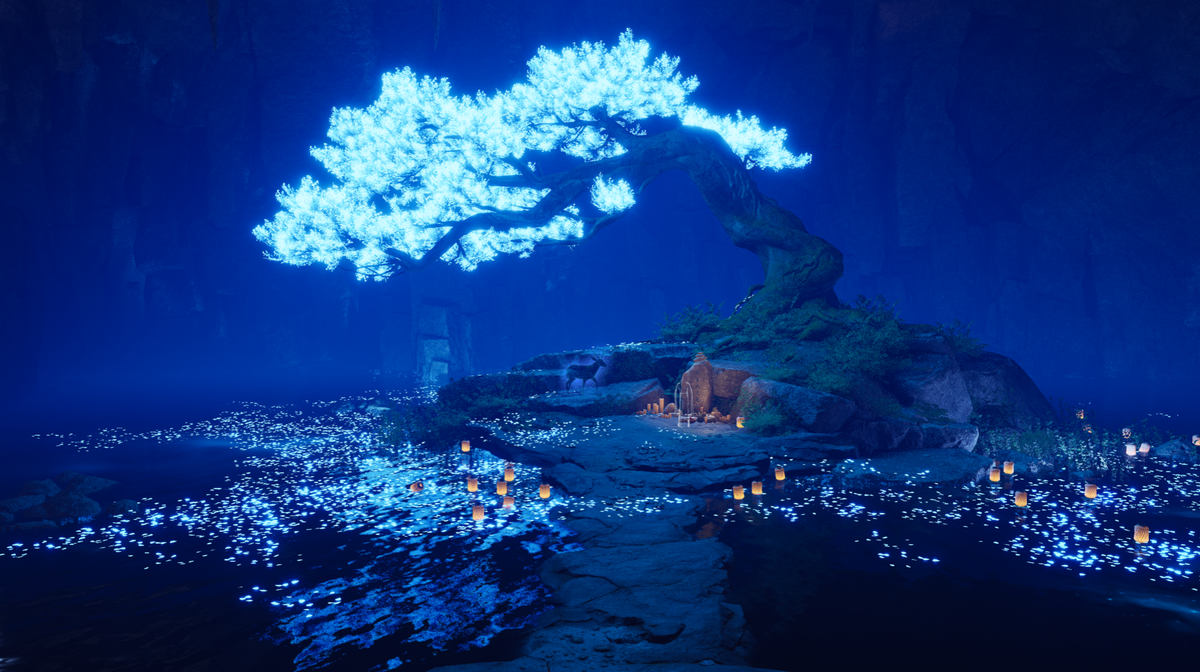
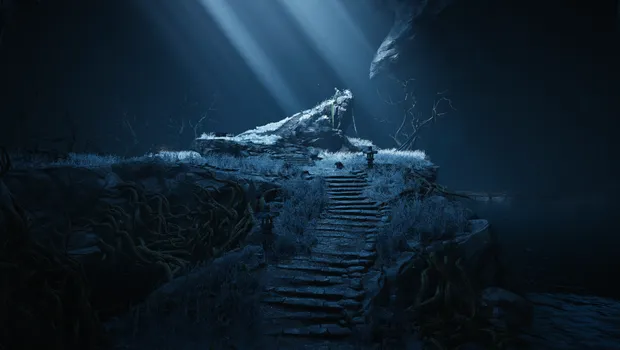
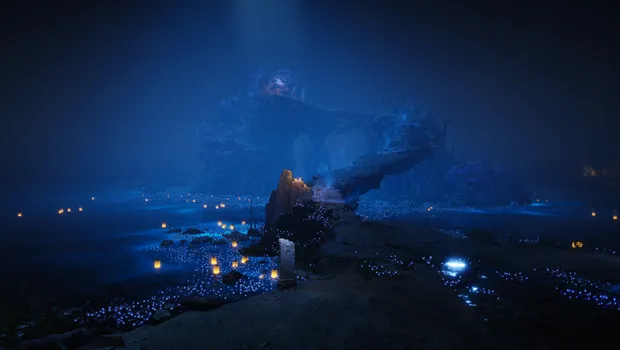
It's generally easy to get around; almost everything is traversable. The lightness skills - essentially flight for fast travel without the actual fast travel mechanic - are excellent for exploration. If nothing else, this game is about style, and nothing says style more than cinematically gliding across the sky.
One interesting feature is that the game uses AI to let you "chat" with some NPCs. This didn't work in Early Access, but I'm excited to try it at launch and see how it changes interactions with the world.
Combat
Combat is fast, flashy, and built for intensity. The core mechanics feel like Sekiro's deflection system meets Black Myth: Wukong, with more weapon variety and complexity. There are seven weapon types currently, including unusual options like umbrellas and fans, with each weapon providing unique playstyles. I've mainly stuck to my umbrella and dual blades, and the variety keeps combat interesting throughout the entire experience.
It's responsive, executing combos is super satisfying once you understand each weapon's rhythm, and combat animations developed with legendary martial arts choreographer Stephen Tung's expertise are incredibly smooth. Like Sekiro, perfect parries require frame-perfect precision, and landing them in boss fights triggers unique cinematic animations that look spectacular. If deflection isn't working, you can rely on dodges instead, with perfect dodges slowing time to create openings for counterattacks.
Where Winds Meet - Bosses Gallery
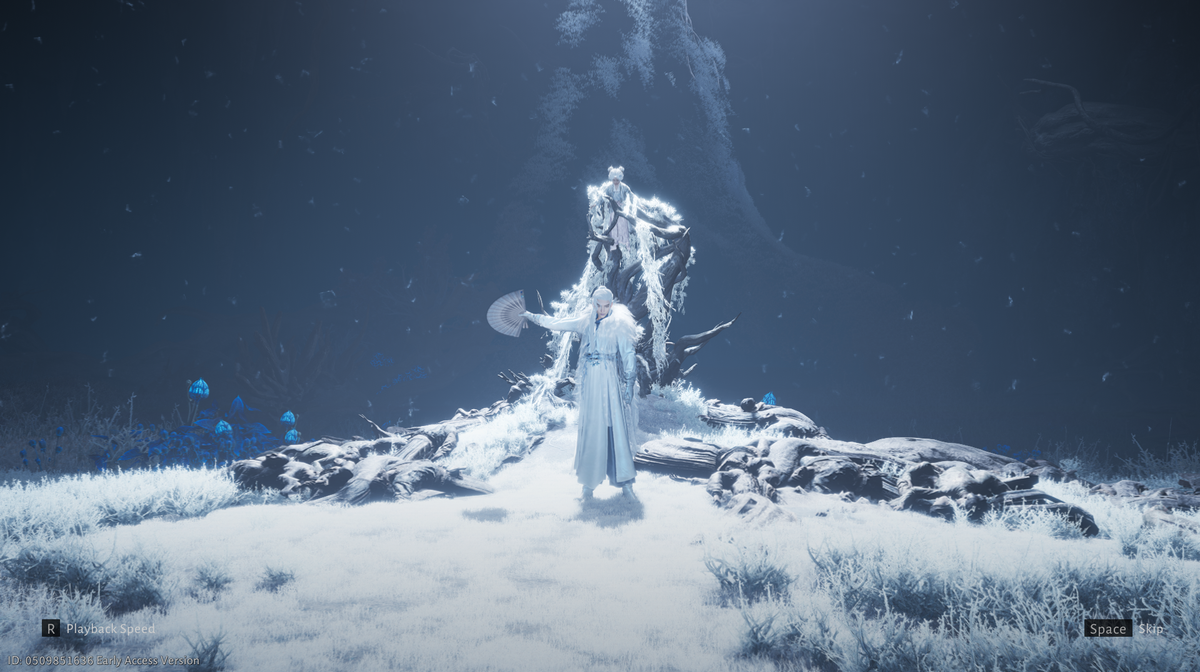
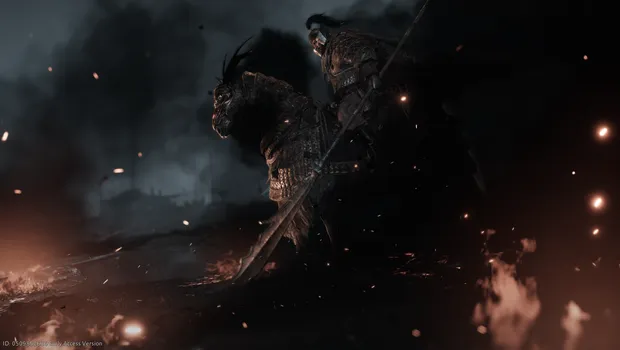
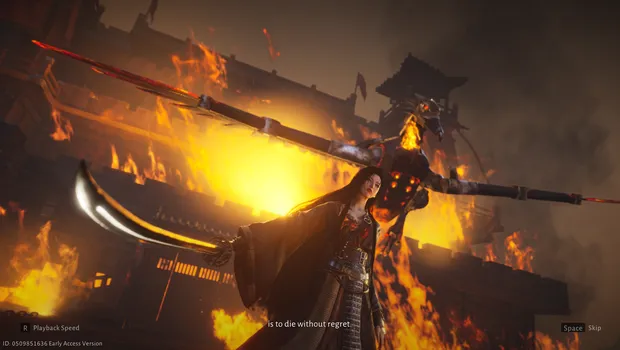
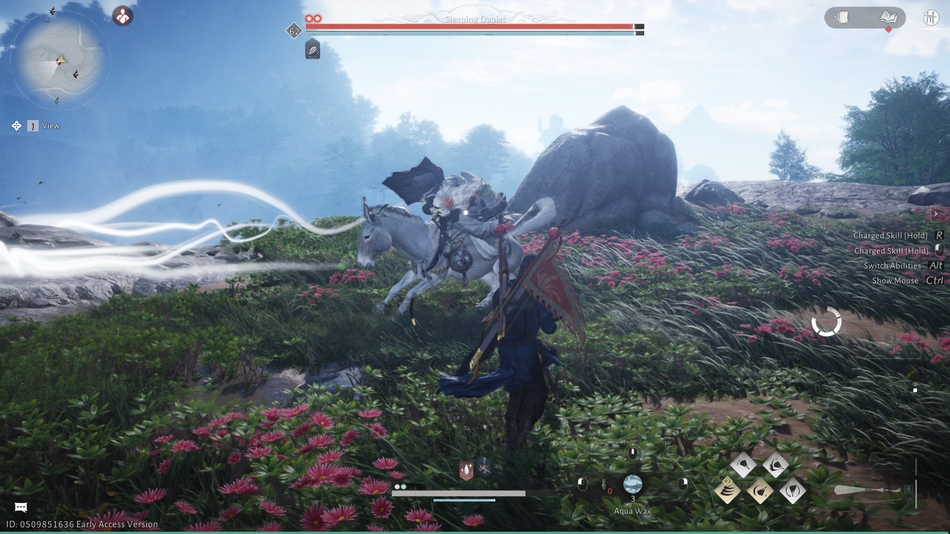
Boss fights feature memorable designs with unique mechanics and movesets set in beautiful, wallpaper-worthy arenas - Zheng the Frostwing (Zheng E) was my standout favourite, but also the monk riding a donkey that fires fart bombs at you. The donkey monk was absurdly fun, a perfect example of the game's willingness to be deadly serious and completely ridiculous at the same time.
Where Winds Meet also gives you the option to train against bosses without losing any of your resources, and it’s still a challenging but fair experience that makes learning patterns pay off.
Combat Systems Breakdown
Combat essentially comprises three Arts: Martial, Mystic, and Internal Arts. All three Arts flow naturally into combat once you understand their synergies, and swapping them out for different types keeps it fresh. If you’re thinking there’s a lot of flexibility on offer here, you’re right, but from here it takes it up a notch with Arts progression systems. Just thinking of basically everything as upgradeable.
Martial Arts are essentially your weapon skills. Each weapon type unlocks distinct Martial Art sets, 12 in total, and your combat style emerges from how you mix them. A healing fan plays like support, while a DPS fan is a ranged damage engine. Pair either with any of the other weapons, and you've created something entirely new. Every attack type (light, heavy, charged, utility, special, switch weapon) feels completely different depending on which sets you're running. Acquiring these requires completing skill quests or joining specific sects in-game, with skill quests often involving dungeon-style mini-games where you must stealthily reach a boss and "steal" the skill.
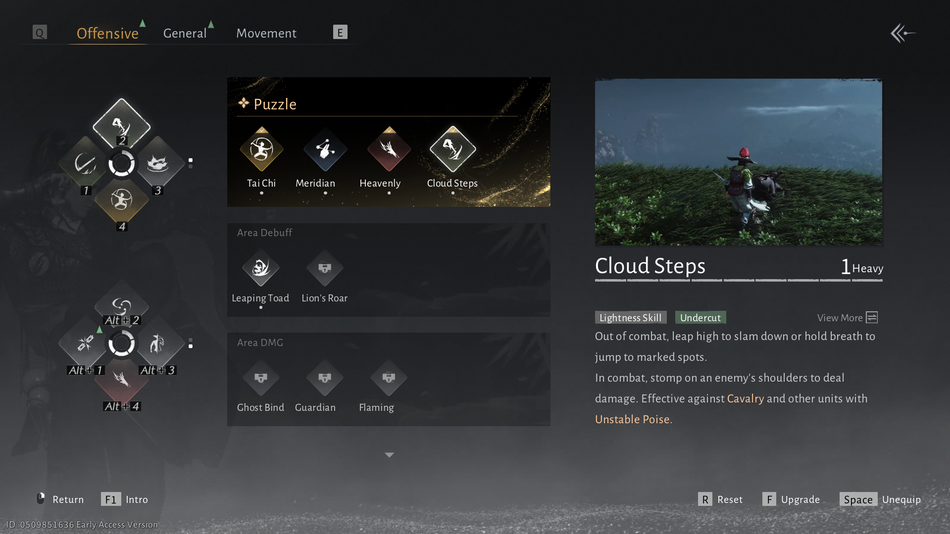
Mystic Arts stack onto your arsenal beyond normal weapon skills. You can equip up to eight Mystic Arts, each serving a different purpose, ranging from DPS bursts to puzzle-solving or utility effects.
Internal Arts function as passive combat perks - like a defensive shield that triggers when HP drops below 30% for tank builds, or enhancements to your Martial Arts directly, like adding another charge to your utility Martial Art.
Difficulty and Accessibility
Enemy strength scales dynamically with your level, but difficulty settings are easily switchable - maybe one day you're feeling less grindy, so you switch to Story mode or turn on parry indicators. Not gonna lie, boss attack timing humbled me at times, so there were occasions when I switched to Story mode in the interest of time. Story mode is appropriately easy with massive parry windows.
When struggling with bosses, you can summon NPCs for tanking, healing, or damage. This doesn't trivialise fights but acknowledges that challenge should add to enjoyment rather than gate content. Where Winds Meet respects that not everyone wants FromSoft-level punishment, while still offering it for those who do.
Core Progression Systems
The UI is complicated at first. It has many different menus leading to all the different systems, which means I'd sometimes forget what I wanted to figure out by the time I was deep in my seventh menu screen. It takes getting used to, and it would benefit from some polishing, though I'm not sure if that's even possible given the sheer amount of systems. After acclimating, I appreciate the depth, even if I wish the initial learning curve was less steep.
Character progression is built around three main systems: character levels, talents, and oddities. Beyond this, there are other major systems, like sects and careers, gear upgrades, and Arts progression; covering those would turn this review into a thesis. Just know there's a lot, but it's all engaging once you grasp how the pieces fit together.
Leveling and Breakthroughs
Levelling works through main story quests and exploration. However, you can't simply level endlessly; every ten or so levels, there's a cap. To move past these caps, you complete a breakthrough. A breakthrough sends you into a dungeon where you clear several waves of enemies or bosses. Once you succeed, your level cap increases, and you gain benefits such as higher maximum energy, stat boosts like accuracy or elemental damage, and items such as jade coins and gear-related materials.
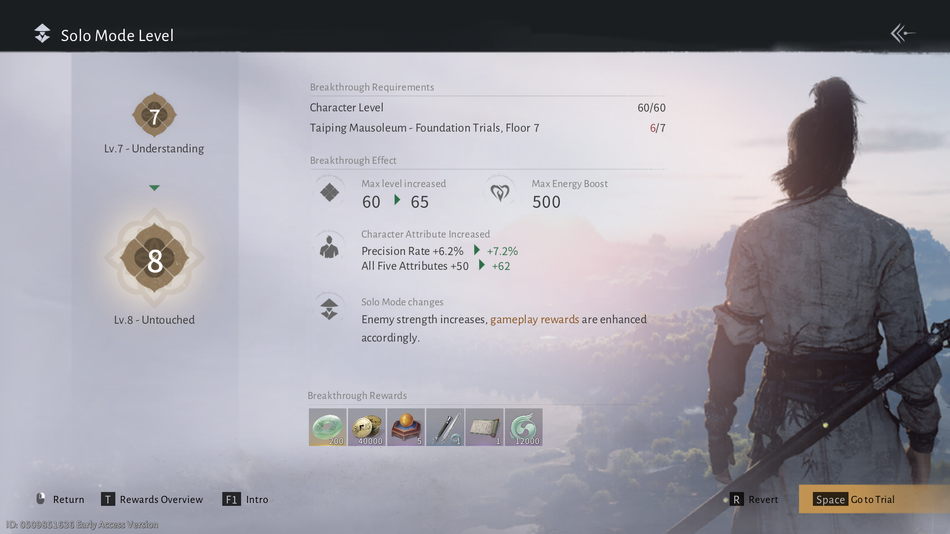
While the early breakthroughs were straightforward, the later ones get more challenging and include tougher opponents. It works as a meaningful hurdle rather than a progress gate - each breakthrough felt like a skill check that proved I'd mastered the current power level.
Talents
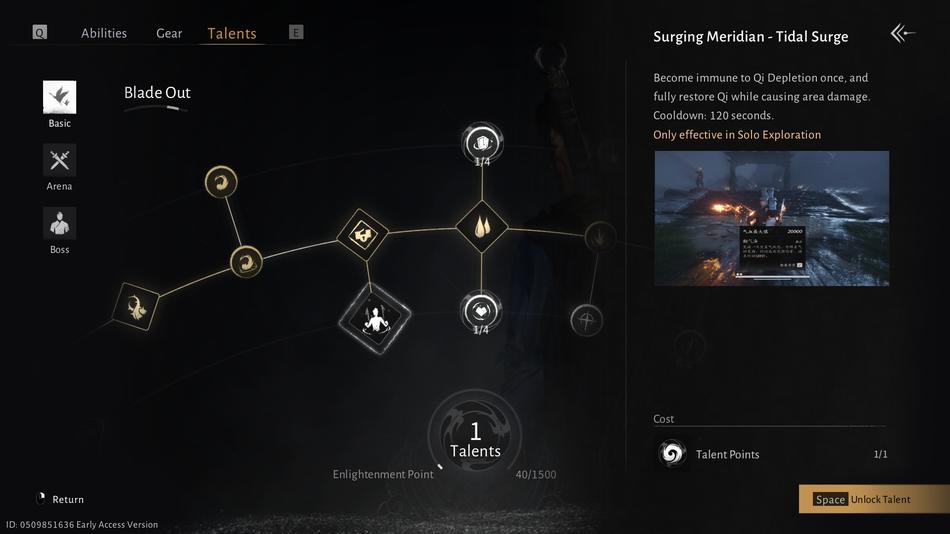
Talents make up the second core element of character power. General talents unlock automatically as you play through the world and spend the talent points you earn. These talents change how you play, adding mechanics like coating your weapon with fire, entering a listening mode, unlocking additional mystic skill slots, or increasing critical hit chance.
Beyond general talents, there are boss talents that require you to complete specific challenges tied to bosses, such as dodging a certain attack twice or avoiding damage from specific skills. Finally, there are PvP talents, which level up simply by participating in PvP matches.
Oddities
The third progression system is tied to oddities, which are collectible items obtained through exploration. Roaming around, you’ll encounter small events or mini-games, like glowing butterflies hovering around the item, golden frogs to catch, or birds you shoot to collect dropped branches.
Collecting these oddities lets you turn them in to NPCs, and each submission grants permanent stat boosts like extra stamina, increased maximum HP, or higher damage. It’s not just questing, it actually helps round out your character's strength.
The Free-to-Play Question
Look, I was sceptical. Free-to-play usually means predatory monetisation or pay-to-win mechanics hidden behind ''optional purchases.'' But Where Winds Meet surprised me here.
The entire game content is completely free. The shop is purely cosmetics: outfits, weapon skins, ability visual effects, and mount skins. Developers and CN players alike have confirmed there's no pay-to-win whatsoever. From what I've seen, this holds true - it’s strictly pay to look stylish. There is one mount skin that can automatically collect nearby resources. Even that I’d classify as pay-for-convenience rather than pay-to-win.
You can still earn some cosmetics through gameplay. Boss fights have a chance to drop their signature outfits or weapon skins, so you're not entirely locked out of looking good without paying. Future content will arrive through themed seasons, with all post-launch content updates remaining entirely free-to-play.
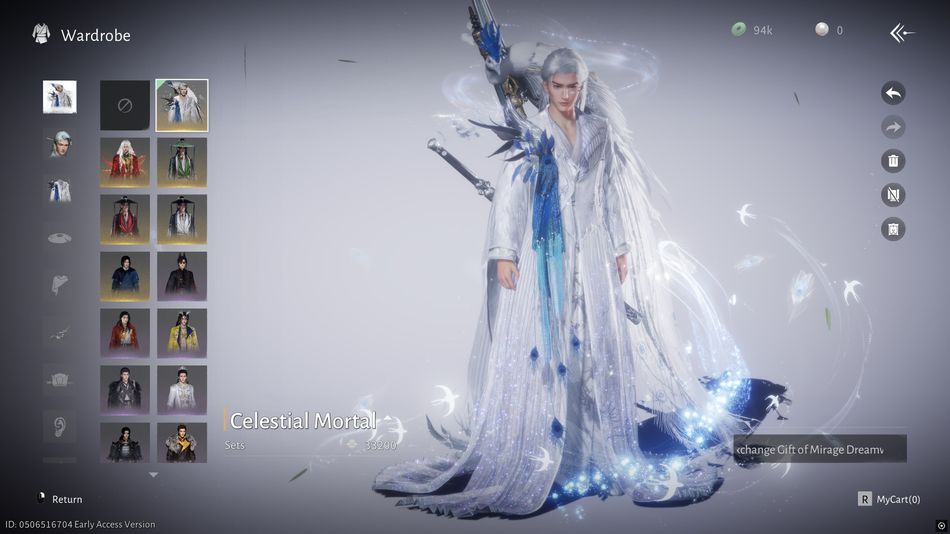
The paid-for and gacha cosmetics, though, are gorgeous, detailed, varied, and clearly where they'll make their money. People love dressing up their characters, and these cosmetics are actually high-quality rather than low-effort cash-grab skins.
I’ll admit, I originally thought, ''Why would anyone spend money on cosmetics?'' Then I saw you could buy a goose mount skin. A goose. Shut up and take my money!
Graphics, Performance, and Sound
Visually, Where Winds Meet is stunning. NetEase's in-house Messiah game engine delivers striking visuals with some impressively rich and detailed environments.
I'm running this on a mid-range PC (RTX 3070 Ti, Ryzen 5 7600X, 16GB RAM) with a mix of mid-high settings, maintaining steady performance in most areas.
Performance holds up well across the board, though Kaifeng may see occasional drops due to its dense NPC population and enormous scale, but nothing that disrupts gameplay. Loading times between zones are reasonable, usually around seven seconds.
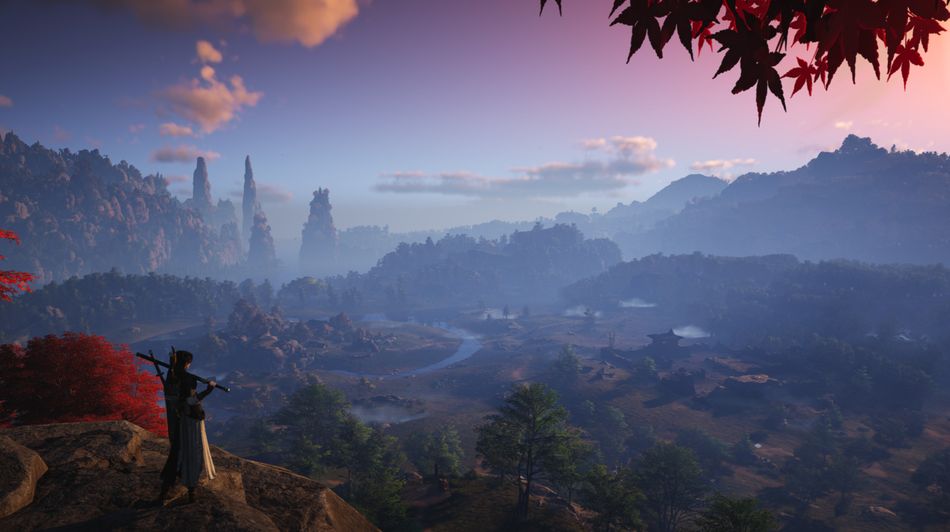
I also played it on a higher-end system (Ryzen 5 7600X, RTX 4070, 32GB RAM) with settings cranked to ultra, and performance was exceptional - maintaining a rock-solid average of around 170 FPS in Kaifeng and 240+ FPS elsewhere with no significant drops or stutters whatsoever. FPS caps are available at 30, 60, or 120, though I ran unrestricted on both systems on 1080p resolution.
Again, this is based on the solo player experience only. It will be interesting to see how well it performs in multiplayer and multiplayer activities like guild battles or raids.
The Photo Mode is fantastic. Poses, weather, time, colour and filter options can make the same location look drastically different with just a few tweaks - and I've spent *a lot* of time in Photo Mode. You can also customise the overall visual style through settings, offering filters like warm, vivid, and intense that can dramatically alter the presentation to match your preferences.
The sound design is excellent, too, with crisp combat effects that make every strike and parry, and weapon skill feel satisfying. The breathtaking soundtrack, built around traditional Chinese instruments like the guqin, does tremendous atmospheric heavy lifting - I've spent hours simply exploring while taking in the music and the raw scale of this world.
Where Winds Meet - World and Exploration
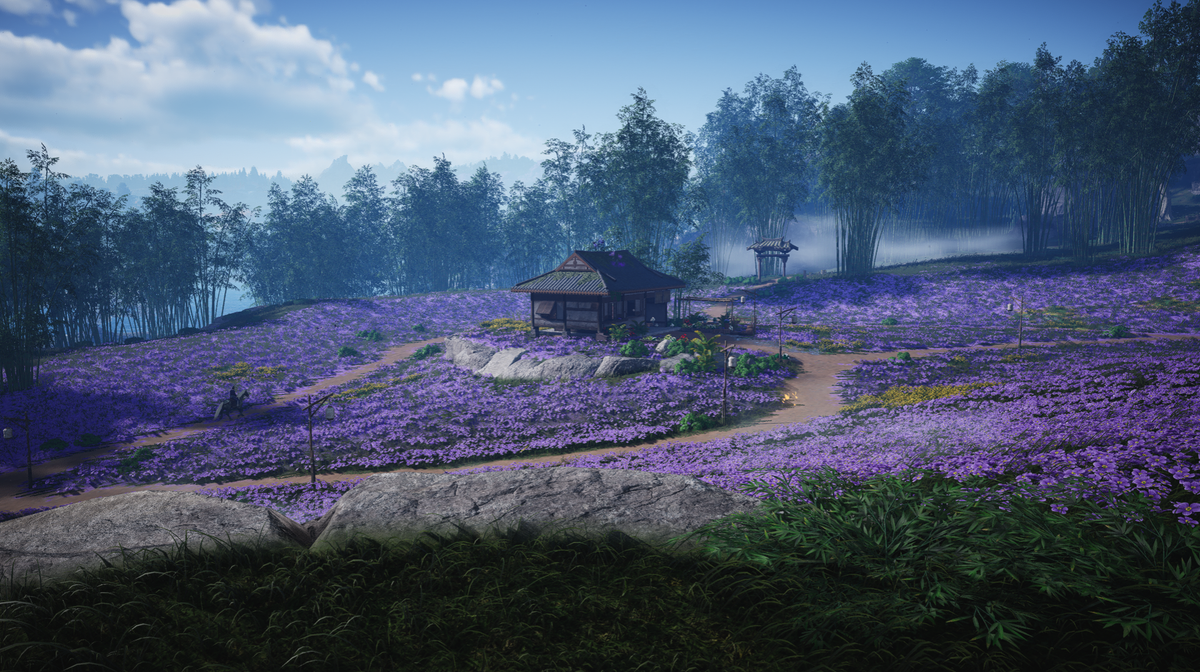
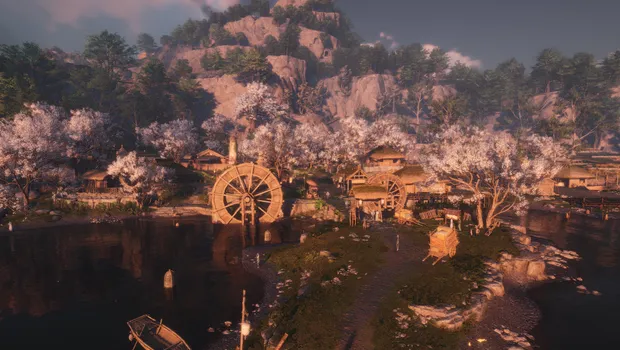
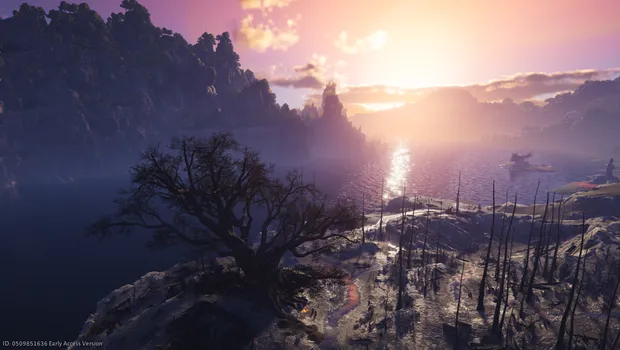
Where Winds Meet does require significant storage, though - 110GB for standard installation, 60GB for lite, and 120GB for full. I went with the standard 110GB installation, and it's been worth the space.
There are minor things worth noting. There's some texture pop-in during fast traversal, and weather sometimes changes abruptly - but this is more just me nitpicking things that possibly take up, like, a maximum of 5 minutes of my total time with the game. Facial animations, though, can be slightly stiff and robotic - I don’t actually mind that here, but I appreciate some people would. There was a voice bug during my playthrough where dialogue would occasionally cut out, but the Early Access build that I played is confirmed to not be the final build, and some voice-related issues will be further optimised.
I wasn't initially impressed with the English voiceover quality, so I played with Chinese audio and English subtitles for the majority of my playthrough. I switched back to English later to give it another go, and while it still sounds somewhat cartoony for my taste, it does work tonally if you approach it like you would a fantasy animated series. The main advantage is being able to understand NPC conversations without reading subtitles. That said, Chinese audio sounds more natural and fits the atmosphere way better - though this might be because I'm less familiar with the language's tonality.
Beyond this, I've had zero crashes or game-breaking issues. There was actually one bug that prevented main story progression, but the developers fixed it within an hour of it being reported. One minor frustration: there wasn't an option to customise certain keybinds on keyboard - I specifically wanted to remap the console button. I'm unsure if this will be addressed at launch.
Otherwise, the quality has just been amazing.
Conclusion
Where Winds Meet is simultaneously one of the most impressive and ambitious games I've ever played, and it succeeds remarkably well at what it sets out to achieve - action-packed combat, exploration that never becomes a chore, and a story that ties it all together with heart. And that’s even without going into any MMO systems.
Its sheer scale can feel daunting at first, yet seeing it through pays off in kind. The overall quality remains consistently high, and it's a well-rounded experience offering something for every type of player ready to engage with its complexity.
I’ve long leaned towards Western titles, with a few exceptions, but Where Winds Meet has turned my gaze East. It costs nothing but time, and if you’re willing to invest it, you’re in for a really unique experience that towers over many full-priced titles.
The Good
 Flexible gameplay and player choice
- Deep, satisfying combat
- Stunning, detailed world
- Massive content and exploration
- Rewarding progression systems
- Excellent performance
- Thoughtful quality-of-life features
- True free-to-play
The Bad
 System and UI complexity may feel overwhelming
- Significant time investment required