Trending

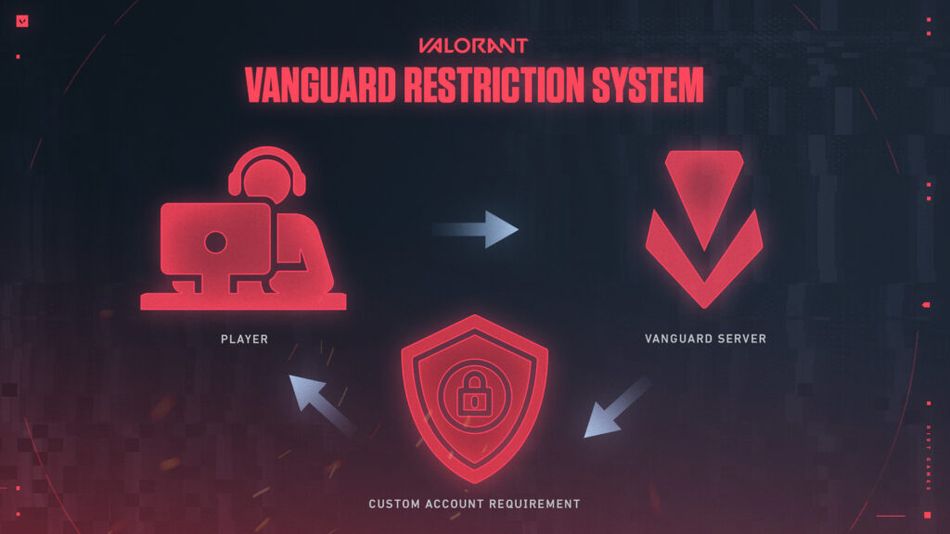
Riot's patented anti-cheat system, Vanguard, was installed and operational on the PC client for League of Legends and Teamfight Tactics with Patch 14.9. This means that Vanguard will be actively enforced, and it will run in the background to keep your queues clear of scripters, botters, and cheaters!
Players seem to have mixed feelings about Vanguard, with one side saying it is invasive and breaches their privacy. They claimed that since Vanguard operates at the kernel level, it has greater privileges than a standard user.
This level of access allows the anti-cheat to perform actions without your knowledge or permission. They compared it to Riot installing surveillance cameras in every room of your home and having keys to all your locks.

What is the kernel?
The kernel is the core part of an operating system, managing tasks like memory, hardware-software communication, and security. It operates at the deepest level of your computer, with full control over system operations.
Computer programs typically run at Ring 3, the least privileged and safest level, while malware like viruses and rootkits aim for Ring 0, the most privileged level. Running unnecessary kernel-level software exposes your system to significant security risks.
Why are players concerned about Vanguard?
Here are some of the reasons that concern players regarding Vanguard:
- Privacy Concerns: Kernel-level software has extensive permissions, allowing it to monitor all activities without users' knowledge or consent.
- Deep System Access: Kernel-level anti-cheats like Vanguard offer deep system access, monitoring not just game files but your entire computer, even when you're not playing.
- Continuously Active: Another intrusive aspect is that these anti-cheats operate continuously, from system boot to shutdown, not just when a game is running. This constant surveillance impacts both privacy and system performance.
- Security Risks: Kernel-level software like Vanguard poses significant security risks because any vulnerability can lead to system-wide breaches. If there's a flaw in its design, hackers could exploit it to gain complete control over your system.
- System Stability: When kernel-level software malfunctions, it can cause severe system instability, like "blue screen" errors, impacting not just one program but the entire computer. This can lead to data loss and require a complete restart.
- Data Collection: Finally, there's the concern about data collection. Kernel-level anti-cheats often gather "anonymous" data without clear controls on what is being monitored. This lack of transparency raises significant privacy issues, making it hard to trust these programs with sensitive information.
If you decide to install Vanguard to keep playing League of Legends, understand that the anti-cheat software has full access to your computer as long as it's on, with no need to ask for your permission before taking action.

But the question we all should ask ourselves is" Is it worth giving up some of your digital freedom and security to continue playing League of Legends?"
DON'T MISS:
- League of Legends: Mid-Season Invitational (MSI) 2024 - Start date, event pass, new game modes and more
- League of Legends: Lee Sin ASU coming with Patch 14.9
- League of Legends: Arena 2v2v2v2 game mode will return during the MSI event
- League of Legends champion and skin sales April 15–April 22, 2024
- League Of Legends Patch 14.10 will get rid of 2 OP runes and more