Trending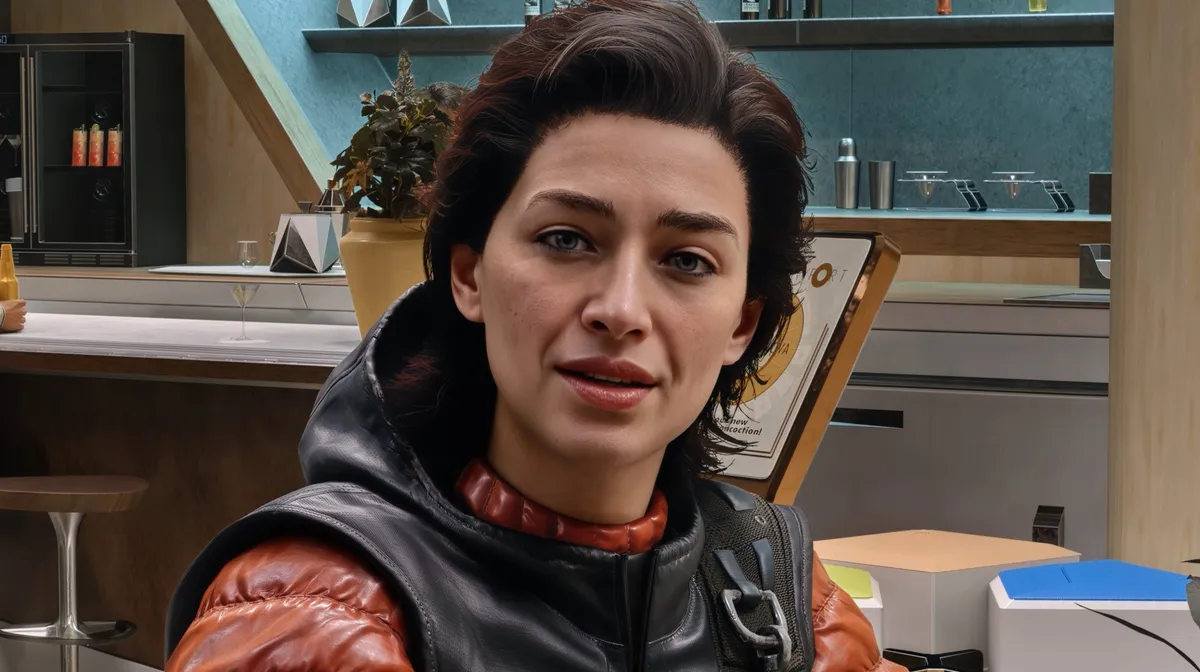

Bethesda Game Studios have responded to the widespread criticism surrounding DLSS 5's character rendering, especially in Starfield, and their statement will come as a relief to players worried about the technology being applied without restraint.
Posting on X, Bethesda wrote: "This is a very early look, and our art teams will be further adjusting the lighting and final effect to look the way we think works best for each game. This will all be under our artists' control, and totally optional for players."
That last part matters. The concern following yesterday's DLSS 5 reveal was not that the technology is incapable of producing good results; it was that Nvidia's showcase appeared to demonstrate it running entirely unchecked, flattening art direction and smoothing characters into something closer to a phone beauty filter than a lighting upgrade.
Bethesda are now making clear that what players saw in those initial Starfield comparisons is not a finished, locked-in result.
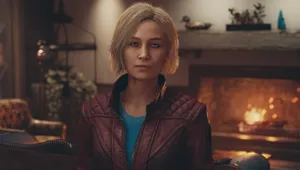
Looking at the Starfield screenshot circulating alongside Bethesda's response, there is genuine promise here. The character's skin reads with real weight and texture, the lighting behaves convincingly, and crucially, she still looks like herself. That is what DLSS 5 should look like when it is handled with care.
For context: Nvidia announced DLSS 5 yesterday at GTC 2026, billing it as a machine learning lighting system capable of delivering photo-realistic rendering on today's hardware, demonstrated across Starfield, Hogwarts Legacy, Resident Evil Requiem, Assassin's Creed Shadows, and Oblivion Remastered.
The reaction from both players and press was almost universally negative. Digital Foundry's hands-on video, typically one of the most well-received channels in the technical gaming space, sat at over 1,600 dislikes against 2,200 likes at the time of writing, an extraordinary ratio for that channel.
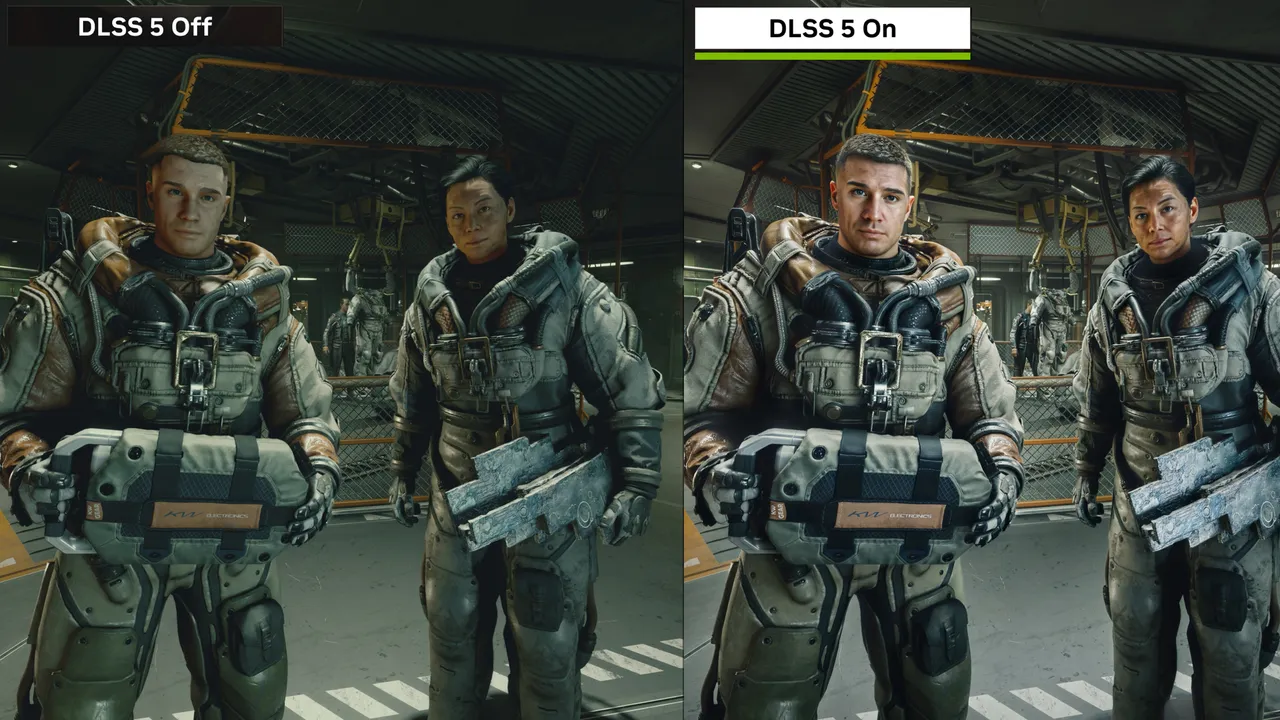
The primary complaint across comment sections, forums, and social media was consistent: DLSS 5 appeared to discard game art direction entirely, replacing carefully crafted character designs with AI-smoothed, unrecognisable faces that bore little resemblance to the originals.
Bethesda are the first studio to respond publicly. Whether Nvidia or other developers follow remains to be seen.