Trending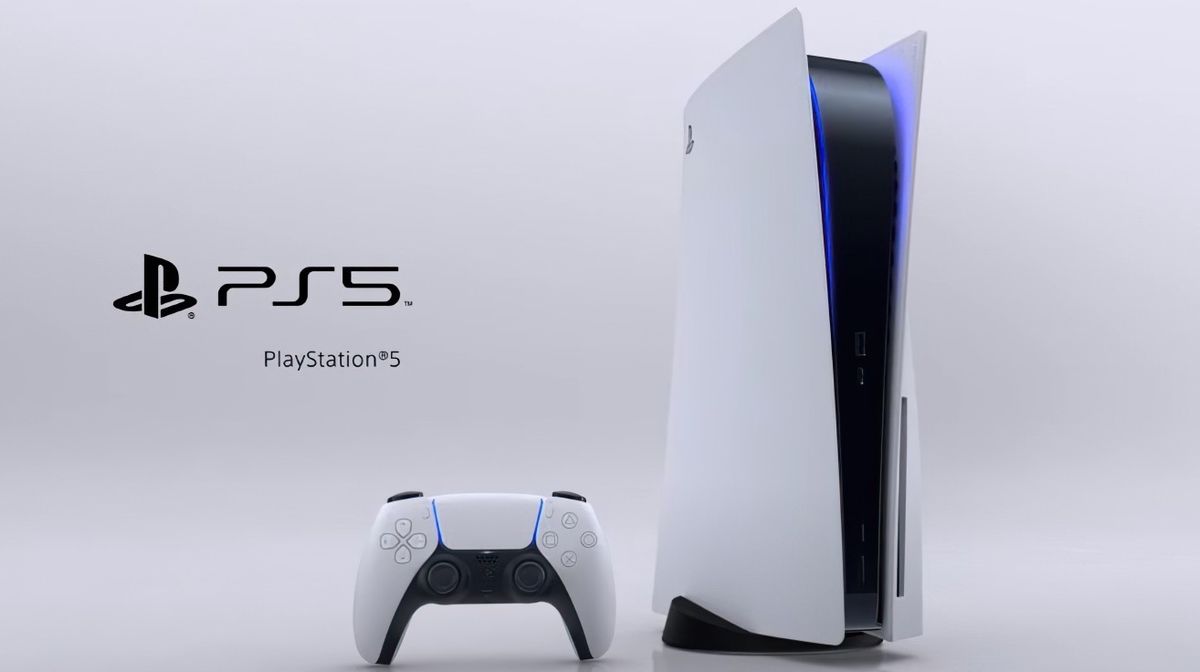

Sony has just dropped an official new PlayStation 5 system update, one that comes with two long-awaited features. The new update is being rolled out worldwide today, and includes a new Power Saver mode alongside a much-requested feature that will allow players to sync DualSense controllers between multiple devices without having to resync repeatedly.
Both features should have a significant effect on how many users utilize their consoles, and have both been among some of the most requested features for years.One of the most requested features for the PS5 for years has been controller management, especially for those that often play games on their console, PC and mobile devices.
The update has now made this process a breeze. The new Power Saver mode is another feature worth mentioning, as it will reduce the power used in supported titles with minimal performance hit.

DualSense Controller Pairing Across Multiple Devices
The ability to register a DualSense controller to up to four devices at once is one of the most welcome features in the new firmware (25.06-12.00.00). Players will no longer need to pair their controller each time they switch between their PS5, PC, or mobile device.
This should help save time and prevent some frustration for those who frequently switch between platforms.

Power Saver Mode for Select Games
Another headline addition is the new Power Saver mode. When enabled, the feature scales down a game’s performance slightly, with the PS5 consuming less energy overall as a result.
Sony has confirmed that Death Stranding 2: On the Beach, Ghost of Yotei, and Demon’s Souls are among the games that will get updates to add support in the near future. The new feature further emphasizes Sony’s sustainability efforts, while also letting players have more choice over how they use their hardware.
Other Notable Details
The update file is about 1.3 GB in size, and is already being deployed around the world. Reports from Europe additionally note that Sony has quietly released a new version of the PS5 Digital Edition.
The revision drops storage down from 1 TB to 825 GB, and there are currently theories that the change is linked to cost-cutting or avoiding price increases.

DON'T MISS: