Trending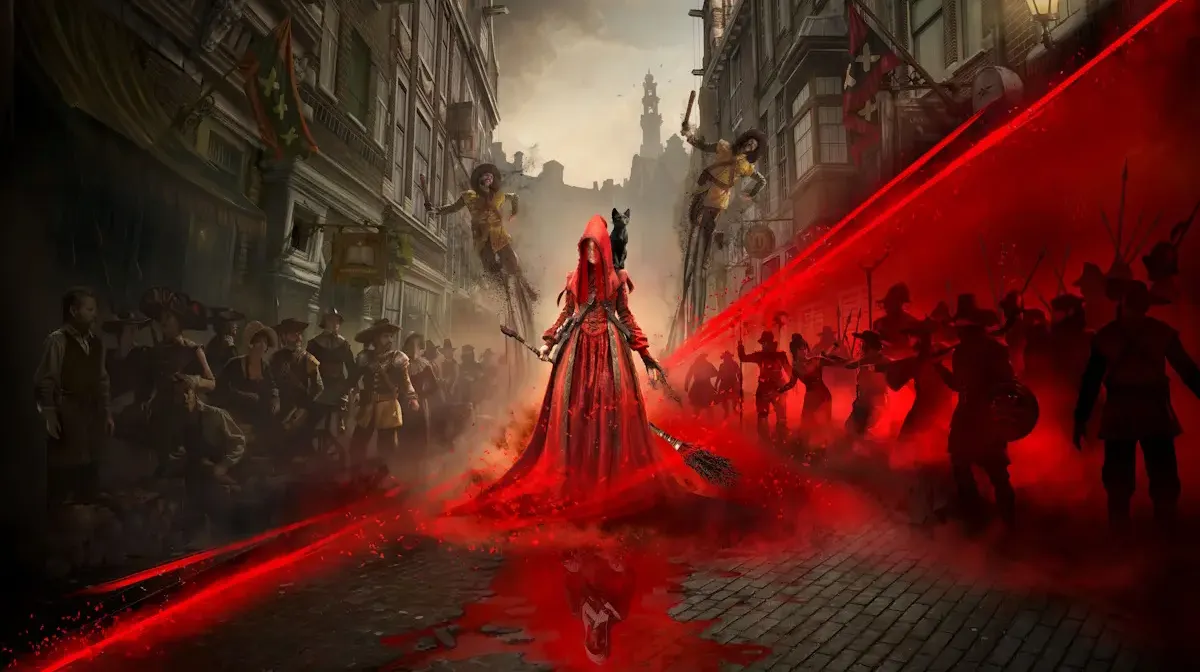
I rarely play demos for games, mostly because I don't have time for it, but one demo on Steam recently piqued my curiosity: 1666: Amsterdam. After playing the opening level, I was hooked immediately. Unfortunately, the demo was quite brief, and I wanted more.
Just a month later, the developers at Panache Digital Games sent me a code for the early access version, which made me genuinely excited, as I was eager to see what else 1666: Amsterdam has in store besides the short demo I've played. The game in this state is far from its final form, but I had a total blast playing it, regardless.
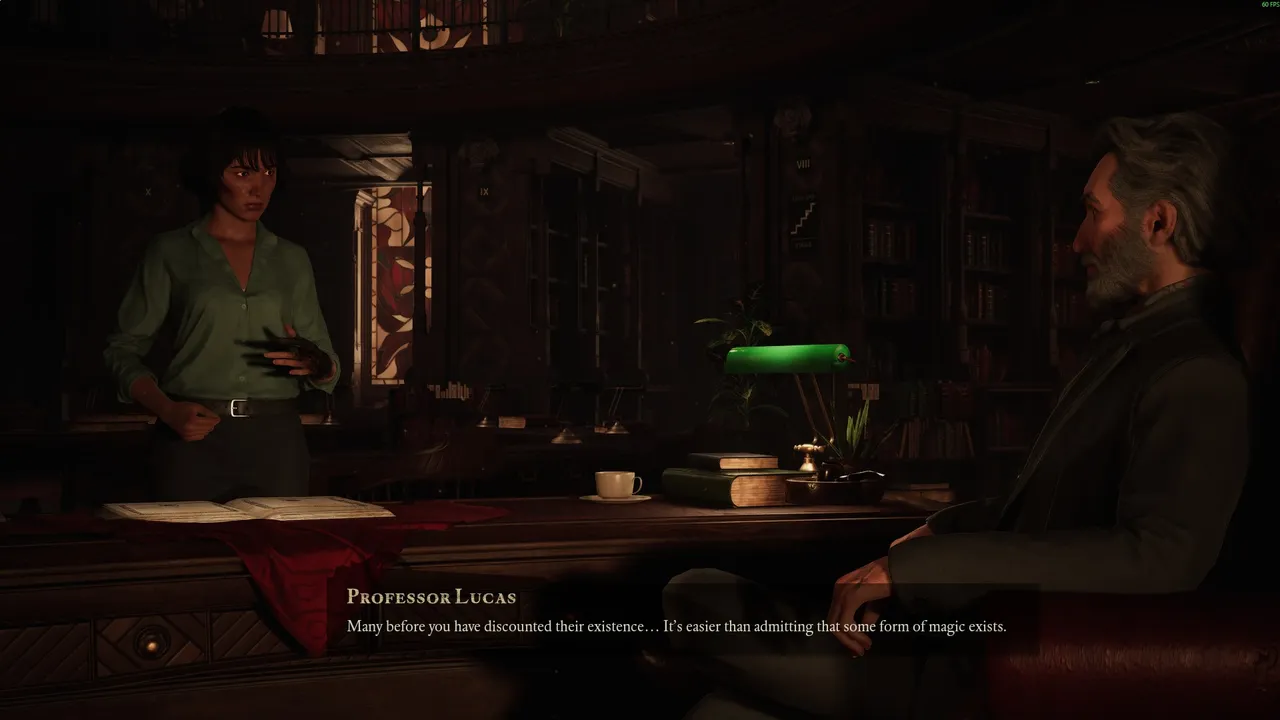
A Game Like No Other
1666: Amsterdam is unique in every sense of the word: trust me, you've never played anything like it, and you probably never will. The game draws heavy inspiration from Dutch folklore: witches and warlocks, charms and magic, and above all, secret cults. The biggest twist is that every protagonist you play as is actually part of that cult, and you experience the entire story from their side of it.
The story is dark and gruesome, full of rituals that will send shivers down your spine, and the game works hard to justify all of it as something highly necessary. You feel like you're on the wrong side of a horror movie the whole time. Everything you do inside the game feels wrong, but the outcome feels right, and the whole story is built around the preconceptions and false accusations of people who have no idea what you have to do to make the world a better place. More than once, Noa, one of the protagonists, points out that what they do might look ugly and unacceptable to common folk, but it's necessary, because it's the only way to save humanity.
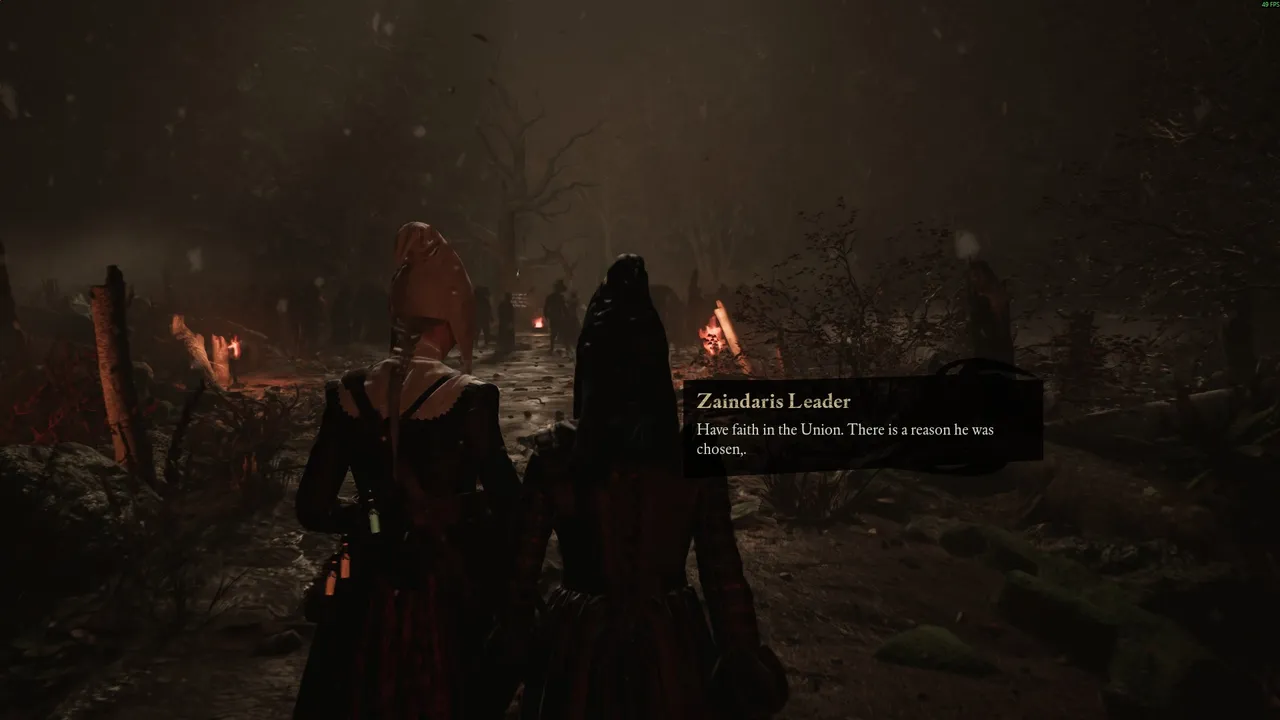
That reading might not be exactly what the developers intended, but it's how I experienced the story, and I suspect many other players will feel the same way. It might be one of the most ingenious storytelling approaches I've come across in a video game. It's far from the best-written story out there, but the way it's told is something genuinely unique.
Overpowered and Loving Every Minute
Being a witch in 17th-century Amsterdam is both highly dangerous and a total blast, mostly because you're simply overpowered. The plot unfolds across two time periods, 1666 (obviously) and 1999, exactly 333 years apart, and it all means something. If you want to find out why, you'll have to play the game yourself; I don't want to spoil it.
The story is unique, and the gameplay built around it is just as distinctive, maybe even more so. You'll play mostly as Noa, the Collector, who has an array of special powers: she can cast spells, brew potions, enchant the river so she can skate across its surface like it's ice, and swing her staff as a melee weapon. She can also unlock special abilities along the way: blending in with vines to turn invisible, or grabbing a target with magic to make them levitate before slamming them into the ground, among plenty of other fun tricks. And that's all just in her witch state. With the press of a button, she turns back into an ordinary girl who can blend into the crowd, talk to people, and go about everyday tasks.
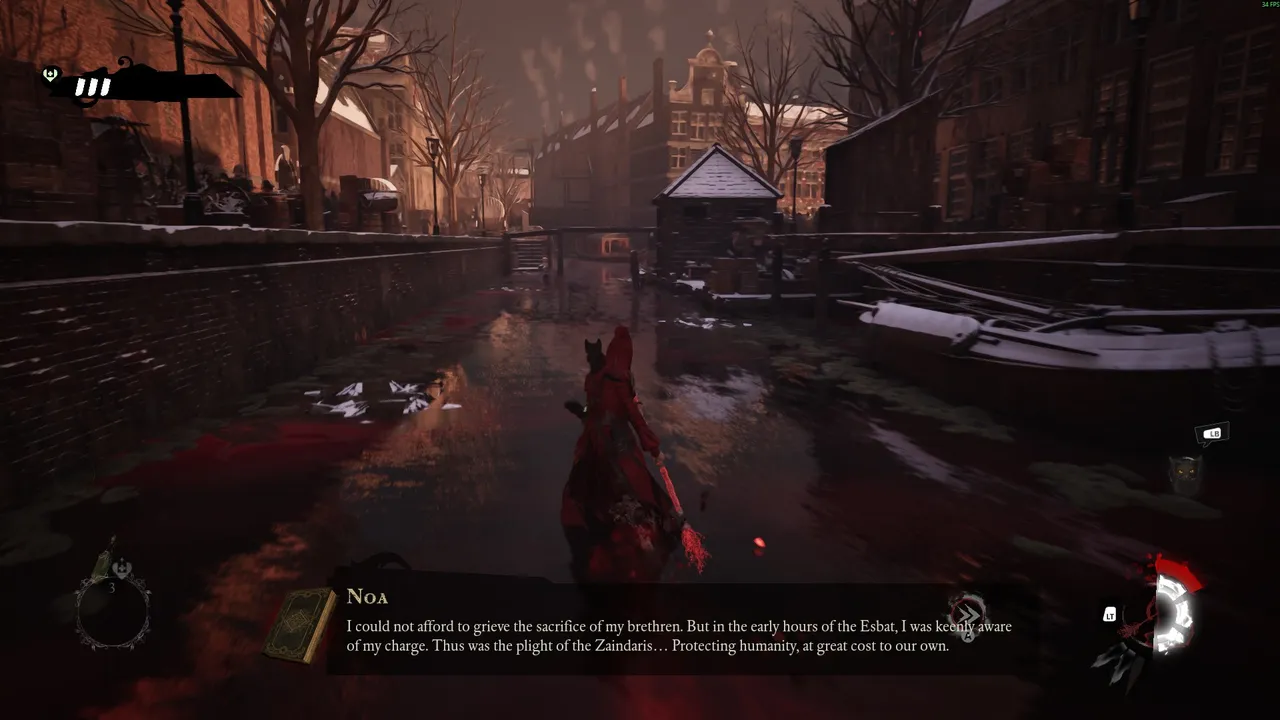
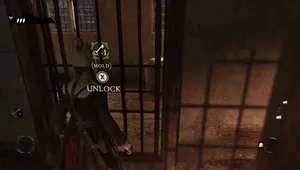
A big part of the gameplay revolves around her Bateratze, a cat familiar she chooses at the start of the game, which has abilities of its own. As the cat, you can go almost anywhere, jump on things, open doors for Noa, possess people, and slip into restricted areas. Combine all of these abilities together and the gameplay loop becomes genuinely addictive.
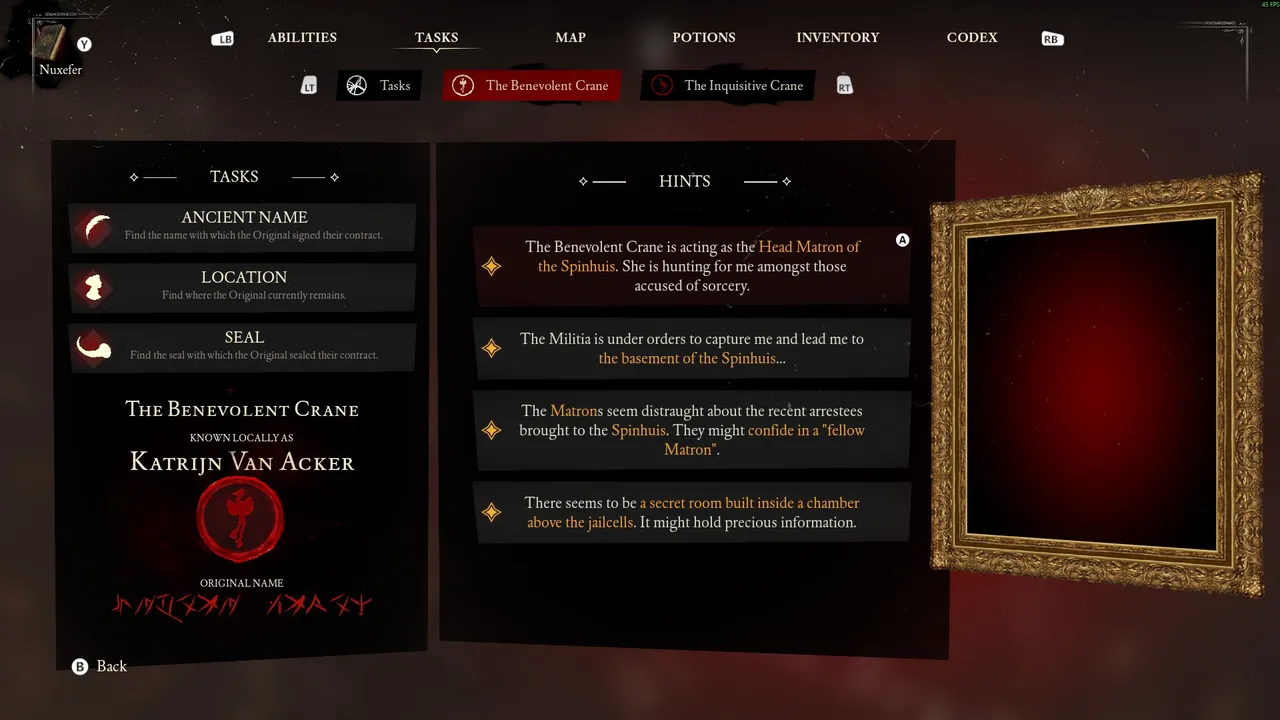
Then there are the quests you take on as the Collector: finding and eliminating so-called "Originals," something like the targets in Hitman or Assassin's Creed. The way you gather information and track down each target is probably the most ingenious mechanic I've seen in a game like this; honestly, Hitman and Assassin's Creed could learn a thing or two from 1666: Amsterdam here.
The game never holds your hand, and it won't tell you anything about your target outright. You just have the world and your abilities: go out and use them. First you'll find someone to talk to, who gives you an initial, vague clue (say, a tavern somewhere in a certain part of the city), and you'll have to go door to door to track down the next lead. For every target, you need to uncover their seal and their real name before you can even begin locating them, and once you have that information, the target's whereabouts are described just as vaguely, leaving you to pin down the exact location yourself. There are no unnecessary pointers, nothing shown on the map beyond street names. Finding every target was genuinely difficult, but it was so much fun that I couldn't get enough of it.
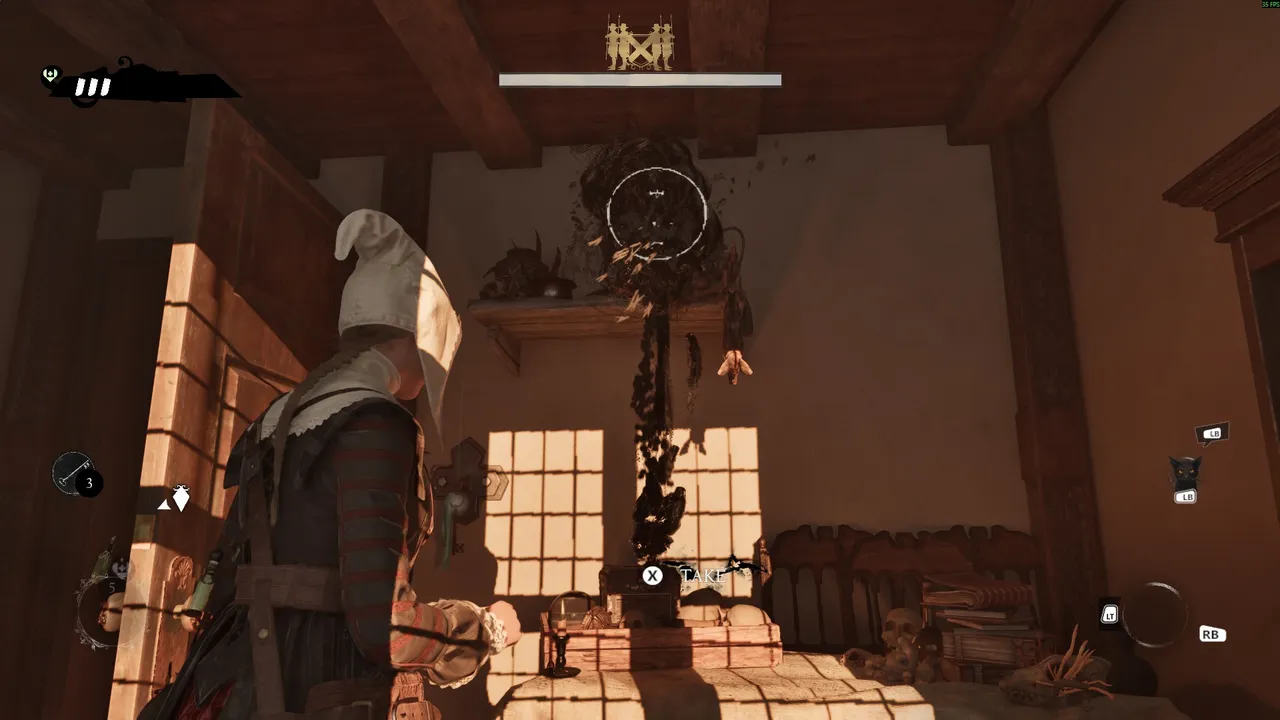
Of course, 1666: Amsterdam is far from a finished game, and "Early Access" is the best possible description of its current state. Melee combat is quite basic: options like blocking, target-locking, and parrying would be a huge benefit if the developers add them before launch. Swinging your staff at enemies feels impactful, but button-mashing is really all there is to the combat system right now. There's a dodge mechanic, but it's largely useless, especially when you're surrounded. Magic attacks are much better designed, though the lack of a lock-on mechanic makes them harder to land than they should be.
1666: Amsterdam also feels like a game tailor-made for stealth, yet stealth mechanics are completely absent. If the developers add sneaking and backstab takedowns before the full release, it would change the gameplay drastically, for the better.
Gorgeous One Second, Glitchy the Next
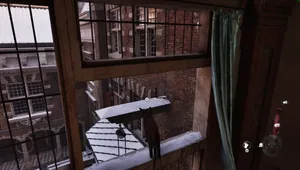
I know this is an unfinished product, but 1666: Amsterdam still has some serious issues I hope will be ironed out by the time it launches. At its best, the game looks beautiful: the environments, especially at night when the lighting really comes into its own, are breathtaking. The face models on the main characters are solid, too, but the gap in quality compared to the NPCs is huge. In one moment the game looks gorgeous, and a few frames later it looks like something out of the PlayStation 2 era; that inconsistency is the biggest visual problem here.
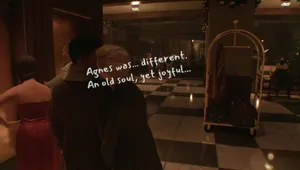
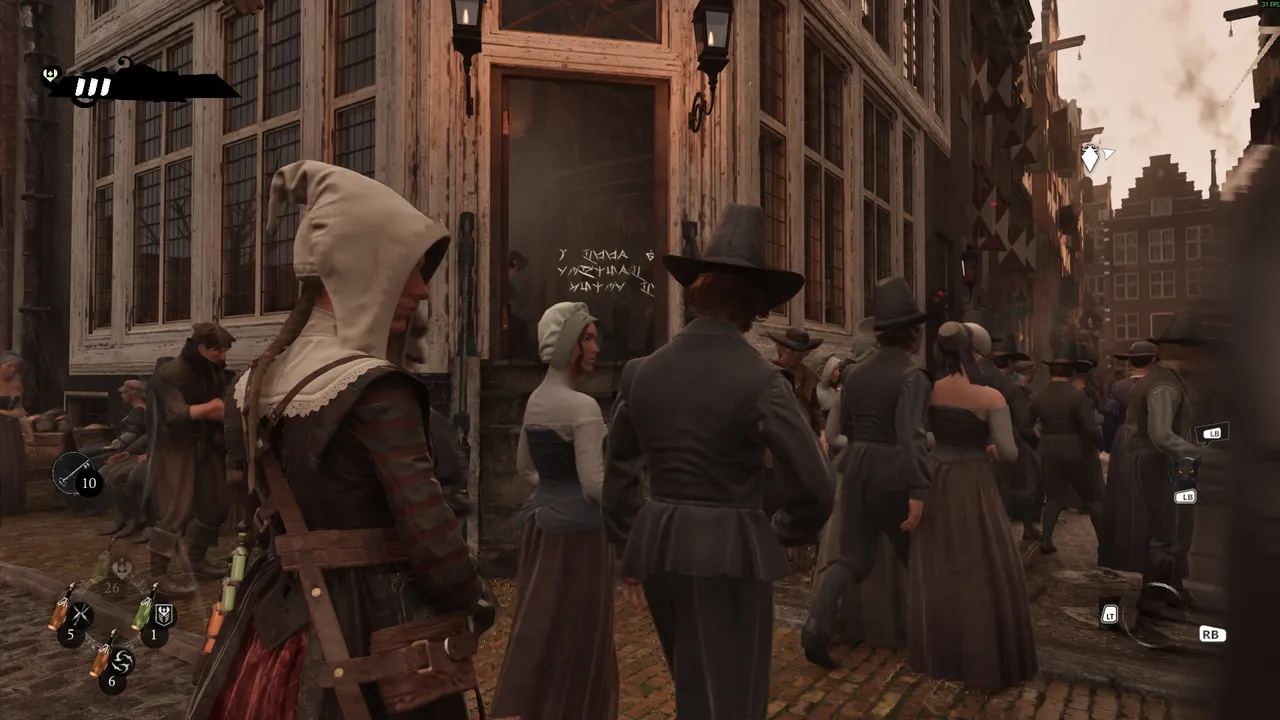
The streets of Amsterdam are packed with people, and I doubt that's historically accurate. I'm not sure what the developers were going for, but crowding the streets with this many NPCs doesn't do the game any favours. Those background NPCs are rendered completely differently from the rest of the world: they look like flat, moving cutouts rather than real characters, and you simply walk straight through them. That's not just immersion-breaking; it looks bad. Fewer NPCs, fully rendered in 3D, would have served the game far better; it's 2026, after all, and that's a very achievable bar.
The other issue that bothered me more than it probably should have is the performance. 1666: Amsterdam isn't a particularly demanding game, its visuals make that clear, and yet, regardless of settings, I could rarely get more than 30–40 FPS. My main 2K monitor wasn't available to me at the time, so I had to fall back to an older 1080p display, which, if anything, should have made things easier on the game, not harder. Even at that lower resolution, on my rig (Ryzen 9 5900X, RTX 3080 Ti, 32GB RAM), I'd expect well over 100 FPS, guaranteed.
Conclusion
1666: Amsterdam is rough around the edges, and it should be; it's early access, after all. But underneath the unfinished combat and the performance hiccups is a genuinely original game: a dark, confident story told from an unusual angle, and an investigation-driven mission structure that more established franchises could learn from. If Panache Digital Games can sort out the combat, add stealth, and clean up the performance, this could end up being something special.