Trending
"Our first iteration of the new storefront experience is live! You can see what games are trending, filter by genre, and more - find games you love faster and easier than before", the company wrote.
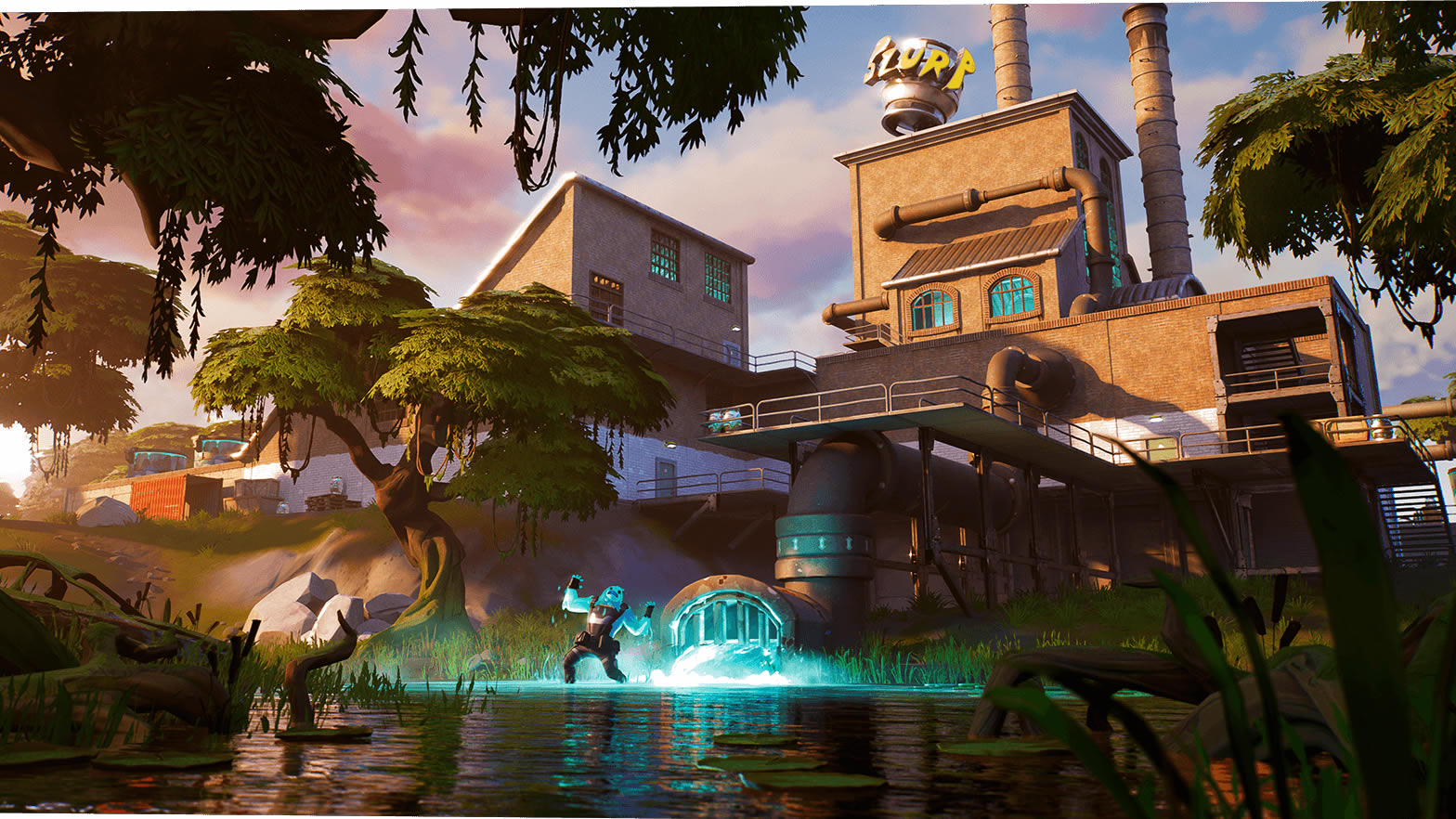
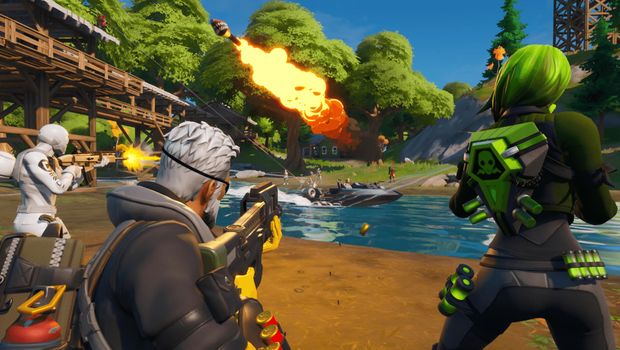
Epic's free releases have obviously been quite popular and they conceded that their website didn't always handle it that well, which they fixed by implementing local caching. To save you the technical lingo, as a result of this, Fortnite's Chapter 2 event increased traffic by 350 per cent, but the service response time decreased by a mere 30 per cent.
The Library grid view has been tweaked, and Epic promised they'll be "updating the visuals for the grid view to better align with the new presentation of games on the storefront". Expect similar changes on the listview as well.
Wishlists are currently being worked on and they'll allow users to pick the games they want as well as get additional information on sales or promotions.
As for reviews, which are the feature that is still probably the most controversial, the Epic Games Store will be working with OpenCritic in bringing the reviews to game detail pages. OpenCritic is a review aggregator that compiles multiple reviews in a single place, which means Epic found a way to include reviews and prevent review bombing in a single swoop.

Of course, what users were mostly complaining over was the lack of user reviews, but those don't seem to be part of the Epic Games Store project.
You can find the full update notes .
Fortnite: Chapter 2 - Season 11 has finally arrived