Trending
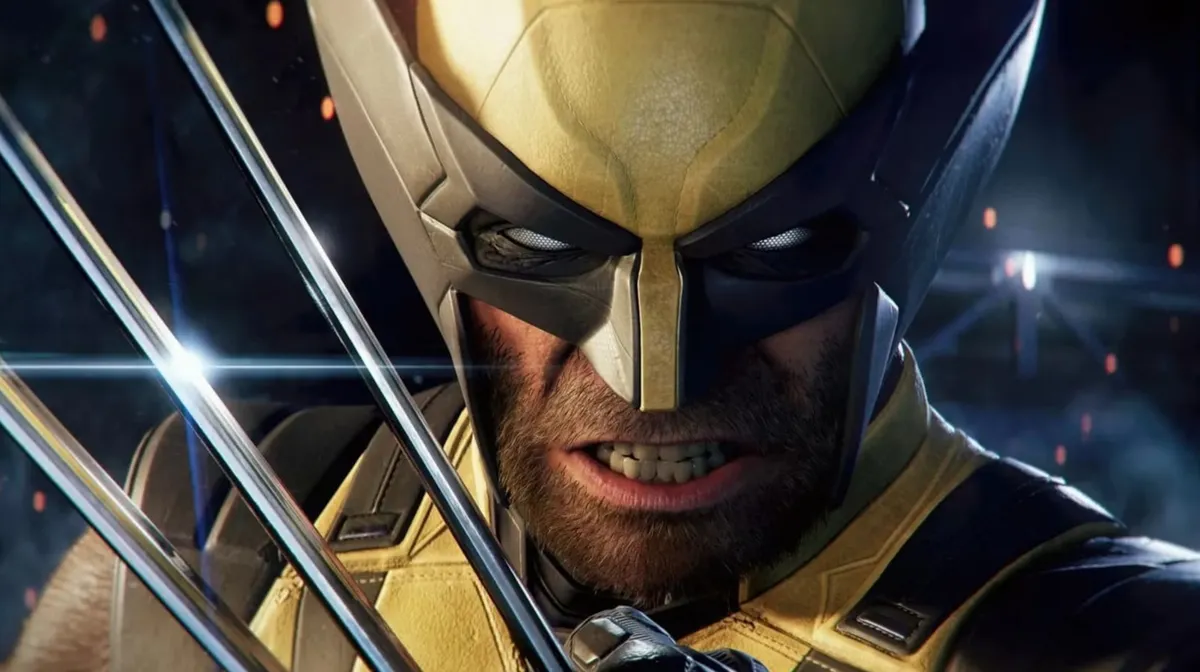

Marvel's Wolverine has finally got official sales figures, and they’re not quite what you’d expect for one of PlayStation’s biggest games of the year. According to Sony’s latest financial report, Insomniac’s latest game sold 2.4 million copies in its first 50 days, making it one of the studio’s slowest starts since joining PlayStation.
The comparison with Insomniac’s Spider-Man games is stark. Marvel's Spider-Man 2 sold 2.5 million copies in its first 24 hours, more than Wolverine managed in 50 days, and reached 5 million in 11 days. Back in 2018, the original Marvel’s Spider-Man sold 3.3 million in three days and 9 million in 80 days.
Even Spider-Man: Miles Morales, a smaller spin-off released at the very start of the PS5 generation, sold 4.1 million copies across PS4 and PS5 by the end of 2020, in a similar time frame to Wolverine.
Of Insomniac’s games under Sony, only Ratchet & Clank: Rift Apart started more slowly, with 1.1 million copies in 38 days. Rift Apart is a smaller, family-friendly game, though, not a big-budget Marvel blockbuster.
How Wolverine compares to other PlayStation games
Wolverine also trails most of PlayStation’s big first-party launches in Sony’s data:
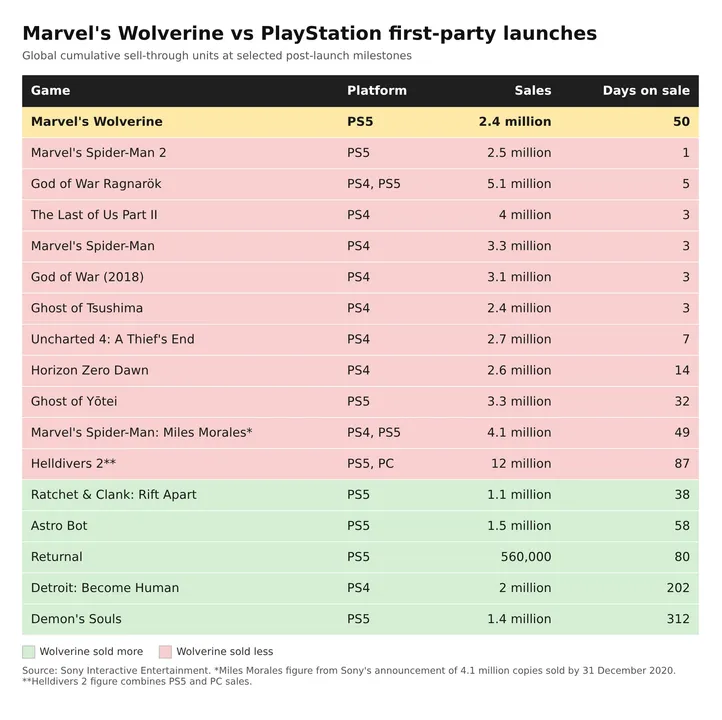
The Ghost of Tsushima comparison is especially painful: Sucker Punch’s samurai game sold in three days what Wolverine has sold in 50. Wolverine is ahead of smaller releases like Astro Bot, which sold 1.5 million in 58 days, and Returnal, which sold 560,000 in 80 days.
Why Wolverine might be selling slower
Plain and simple, the reception has been more mixed than usual for a big Sony Interactive Entertainment game, with a Metacritic score of 77. The game was heavily criticised for its excessive hand-holding during gameplay. Some sections of the game required little to no player input, and while the gore and visuals deserve the praise, the combat and pacing were a disappointment for a game of this calibre.
That said, 2.4 million is still a big number in absolute terms, and Wolverine has plenty of time to keep selling, especially through the holidays. Analyst firm Alinea Analytics also reported that it’s Sony’s best-selling first-party release of 2026 so far, but let's be honest: the competition isn't exactly fierce, with niche-genre Saros and Bungie's trainwreck that is Marathon.
Why Marvel games need to sell more
There’s another reason Wolverine’s numbers matter and why these sales are a bit underwhelming: licensing. Unlike Sony’s own franchises, Insomniac’s Marvel games come with a licensing cost on top of development and marketing.
Internal documents leaked in the 2023 Insomniac Games ransomware attack showed that Sony holds exclusive video game rights to the X-Men until 2035. According to reports on the leak, Marvel takes a share of each game’s revenue, reportedly between 9% and 18% of net revenue on digital sales and more on physical copies and DLC. In other words, Sony keeps less from every copy of Wolverine than it would from their own IP like Ghost of Yōtei.
The leaked documents also reportedly included a clause allowing the deal to be ended if a title fails to sell 6 million copies in its first year. If that’s accurate, Wolverine’s 2.4 million in 50 days leaves it with a lot of ground to make up over the next ten months, with the planned X-Men games potentially riding on it.