Trending
"Artificial intelligence is revolutionizing gaming - from in-game physics and animation simulation, to real-time rendering and AI-assisted broadcasting features. And Nvidia is at the forefront of this field, bringing gamers, scientists and creators incredible advancements", the graphics maker wrote.
In layman's terms, DLSS renders fewer pixels and then makes up the rest with AI, producing sharp, high-res images at a fraction of the performance you'd need to render it regularly. Once you throw in ray tracing and high resolutions, DLSS will start making even more sense, potentially producing those crucial frames you need for smooth gaming.
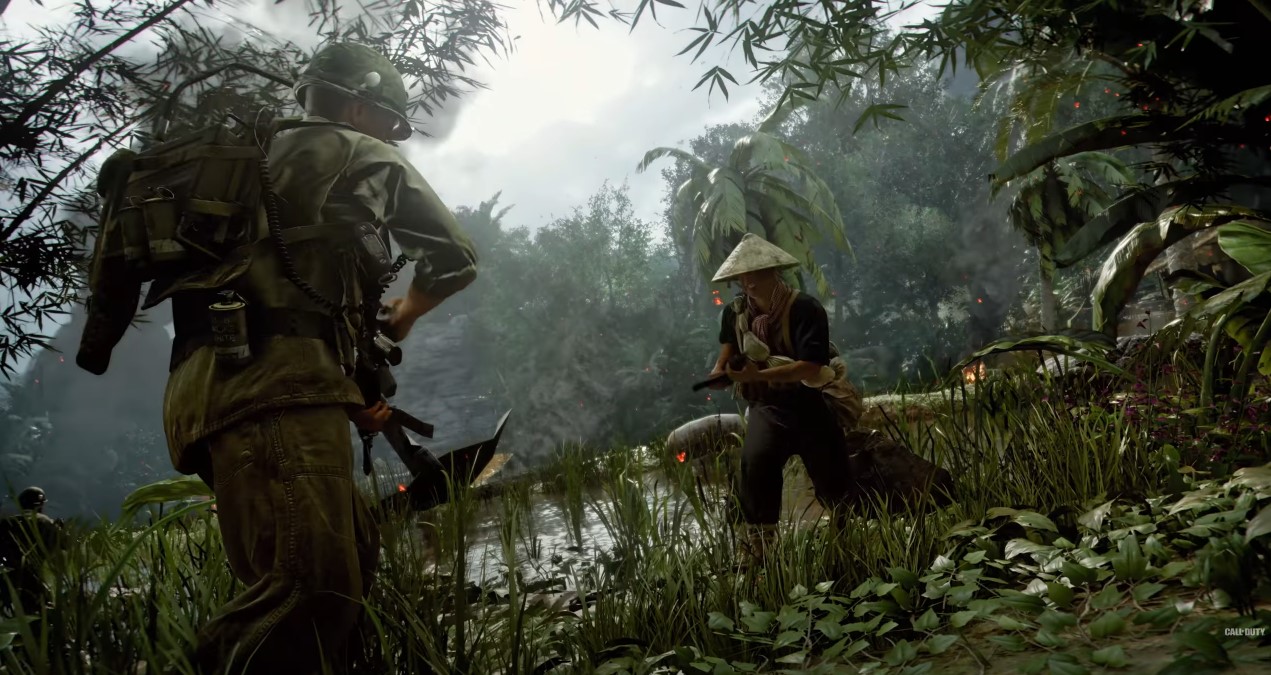
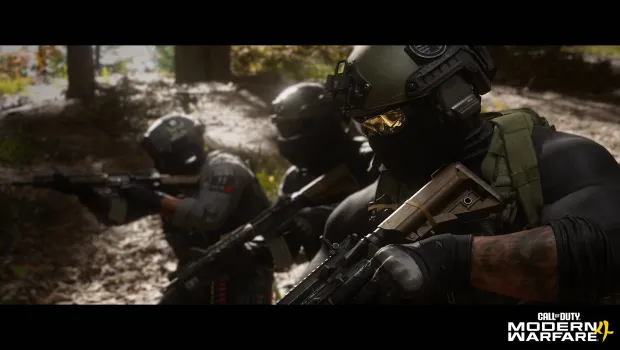
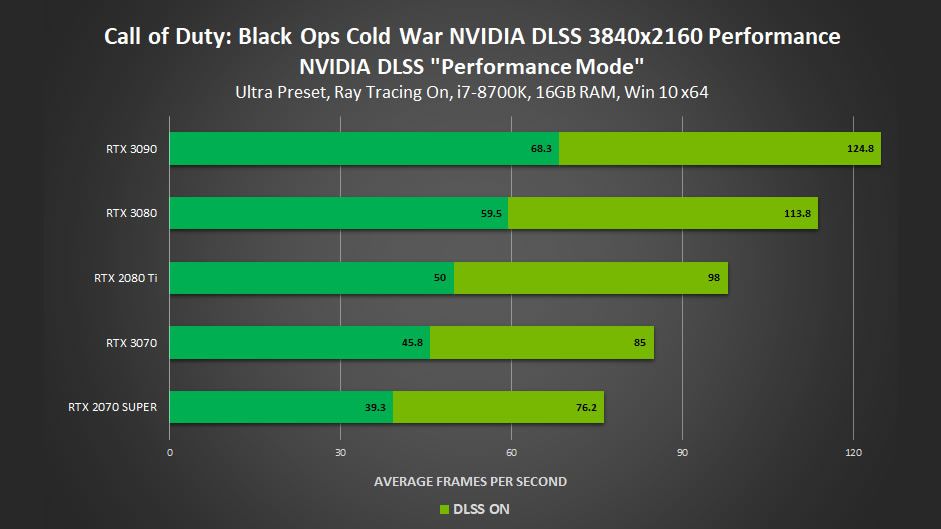
That said, Call of Duty: Black Ops Cold War produced much more than a few measly frames, with DLSS pushing performance by up to 85 per cent at 4K resolution. In addition to the standard power gains you'd expect from Nvidia's hardware, the company's Reflex tech improved system latency by 20 per cent, which is sure to come in handy in multiplayer scenarios.
As you can see from the graph below, the improvements are substantial in every price range and on every Nvidia graphics card. In short, your Call of Duty: Black Ops Cold War will undoubtedly love the colour green.
In Gaijin's WWII-themed PvP War Thunder, Nvidia reported DLSS improvements of up to 30 per cent at 4K. Enlisted did a bit better with 55 per cent boosts, while Void Interactive's Ready or Not achieved up to 120 per cent better results using ray-traced reflections, shadows and ambient occlusion shading.
You can learn more on Nvidia's website.
Call of Duty Black Ops Cold War