Trending
When Frontier Developments set out to create Jurassic World Evolution 3, they knew they couldn't just iterate. The studio had to rethink how the game was built fundamentally. "During development, it almost felt like we had to take the previous games apart and build them back together again with the new tools and sharing capabilities in mind," Game Director Andrew Fletcher tells us. "It really has been a ground-up overhaul, and we're delighted that players are now taking advantage of the creative opportunities this has unlocked."
That overhaul was driven by one consistent message from the community. Fletcher explains that the desire for more creative control has been a mainstay of players' top requests ever since the first Jurassic World Evolution launched in 2018. While Frontier steadily added more park building options over the years, this third instalment represents something different - "undeniably a huge leap forward in terms of creative flexibility."

Families First
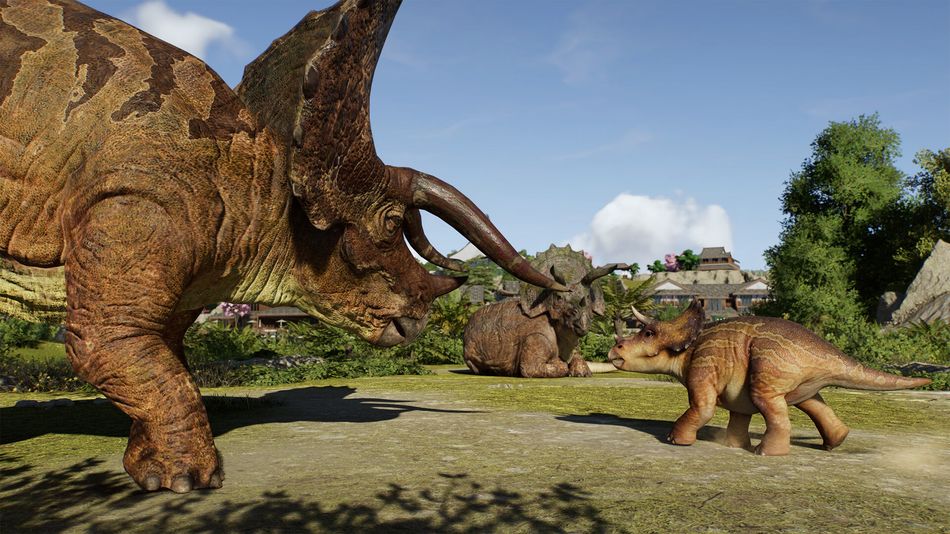
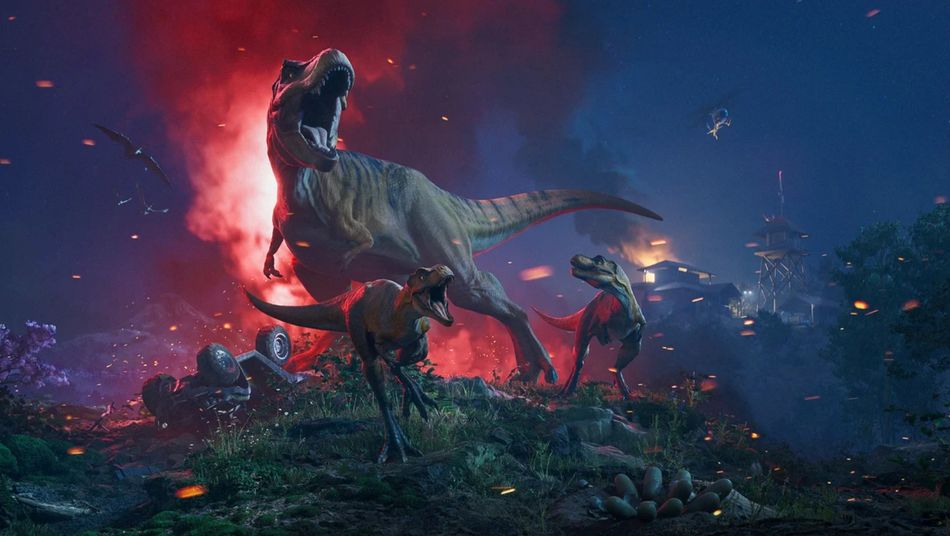
The most visible change in JWE3 is the addition of male and juvenile dinosaurs. Almost every species now exists as distinct female, male, and juvenile variants, complete with unique animations and family interactions. This ambitious feature meant difficult choices during development about which species would make the launch roster.
Fletcher explains the balancing act: "We want to ensure that we cover the iconic dinosaurs that fans know from the movies, series favourites that we know our community loves, and of course make sure that the game has a good spread across different dinosaur groups to ensure gameplay variety." The team also prioritises species with strong paleontological reference material to maintain scientific authenticity.
For fans worried about their favourites not making the cut, there's good news. Fletcher confirms that from January, the team will be reintroducing base game species from Jurassic World Evolution 2.
Principal Designer Sandro Sammarco reveals that the real challenge wasn't just creating the visual variety, but making these family systems feel meaningful without overwhelming players. "The biggest challenge introducing breeding and juveniles was to ensure that the systems provided exciting new possibilities to the player, without becoming a chore, or overcomplicating the gameplay, as it's important that Jurassic World Evolution 3 always remains extremely accessible."
The Technical Challenge of Piece-by-Piece Building
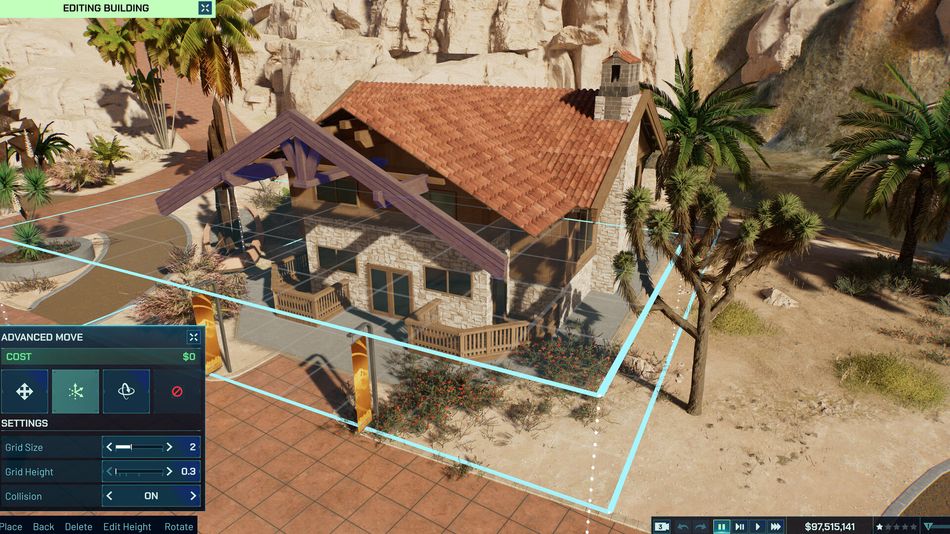
Perhaps the most dramatic shift comes from the modular building system - a feature fans of Frontier's Planet series will recognise immediately. When I asked Art Director Xavier Henry about the optimisation challenges this presented, his enthusiasm was palpable. "It was so rewarding witnessing players' reactions, their surprise when they realised the buildings weren't single units but actually made of all these individual components when we released the first videos!"
That player surprise came at a cost, though - significant technical effort. Henry credits the careful work of artists combined with "fantastic optimisation work from our code and render teams" for making it possible. "How we all work together to push the technical boundaries of our games is something we're very proud of at Frontier."
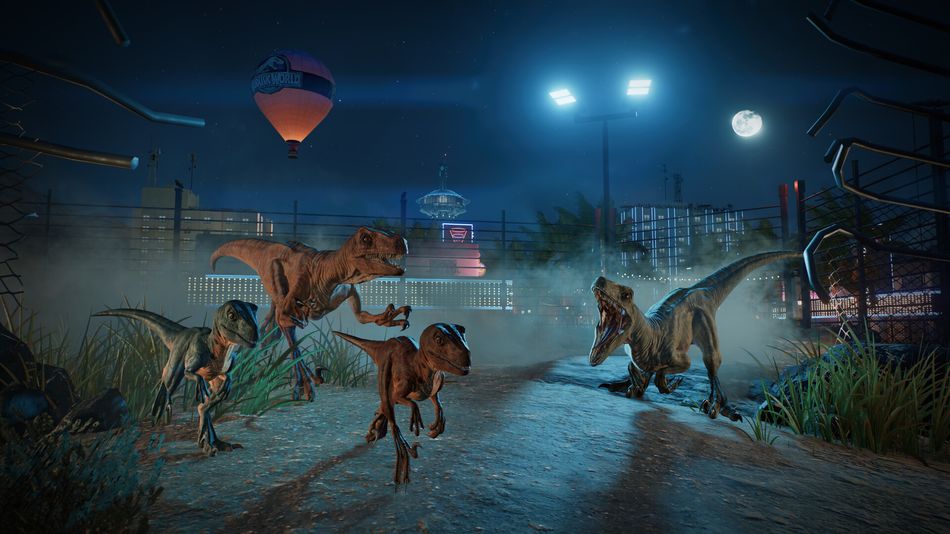
Fletcher adds that maintaining performance across both PC and console required new solutions. The team implemented a Complexity Meter for console platforms to ensure smooth gameplay as parks expand. It's an ongoing area of investigation, with recent optimisations already rolled out to improve the console experience.
Despite these challenges, Fletcher's pride in the cross-platform implementation is clear. "I'm thrilled with how well the team has integrated creative and sharing features across both PC and console platforms. The in-game workshop browsing is secretly probably my favourite feature in the entire game, and it works just as smoothly on console as it does on PC."
Reading the Room
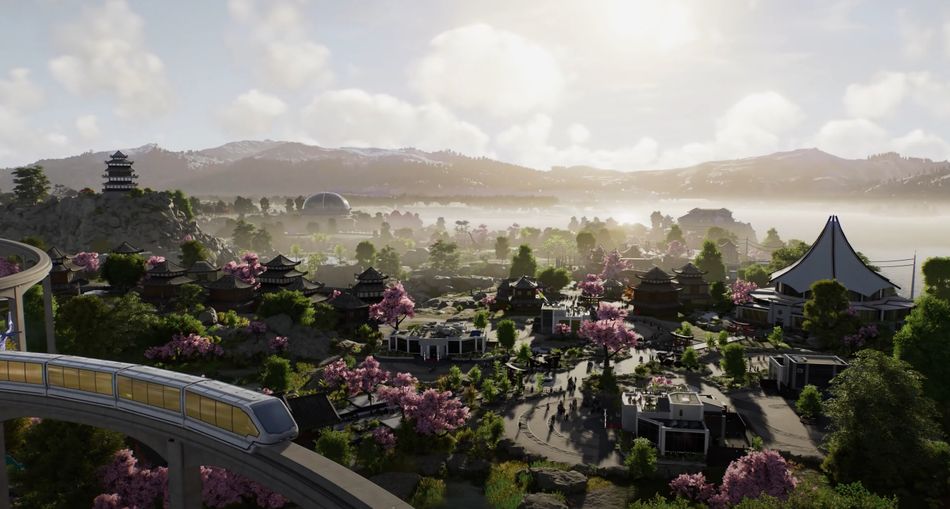
With vocal communities across Reddit, Steam, and YouTube, filtering player feedback could easily become overwhelming. Fletcher says the studio now has dedicated staff analysing community sentiment, and while high-frequency requests are usually obvious, the real skill lies in understanding the underlying motivations.
"The nuance comes in understanding why people want a certain feature and ensuring that the game as a whole is delivering for that higher-level goal or desire," he explains. This philosophy sometimes leads to surprising decisions. Park sharing, for instance, wasn't a top community request before JWE3, but it became essential once the team recognised it as part of a broader goal: making the game more creative and opening up sharing opportunities.
It's an approach that seems to be paying off. Players are already using Frontier Workshop - the game's built-in sharing platform - to create and distribute elaborate parks cross-platform, proving that sometimes developers need to anticipate what players will want once they see what's possible.
Jurassic World Evolution 3 is available now on PC, PlayStation 5, and Xbox Series X|S.