Trending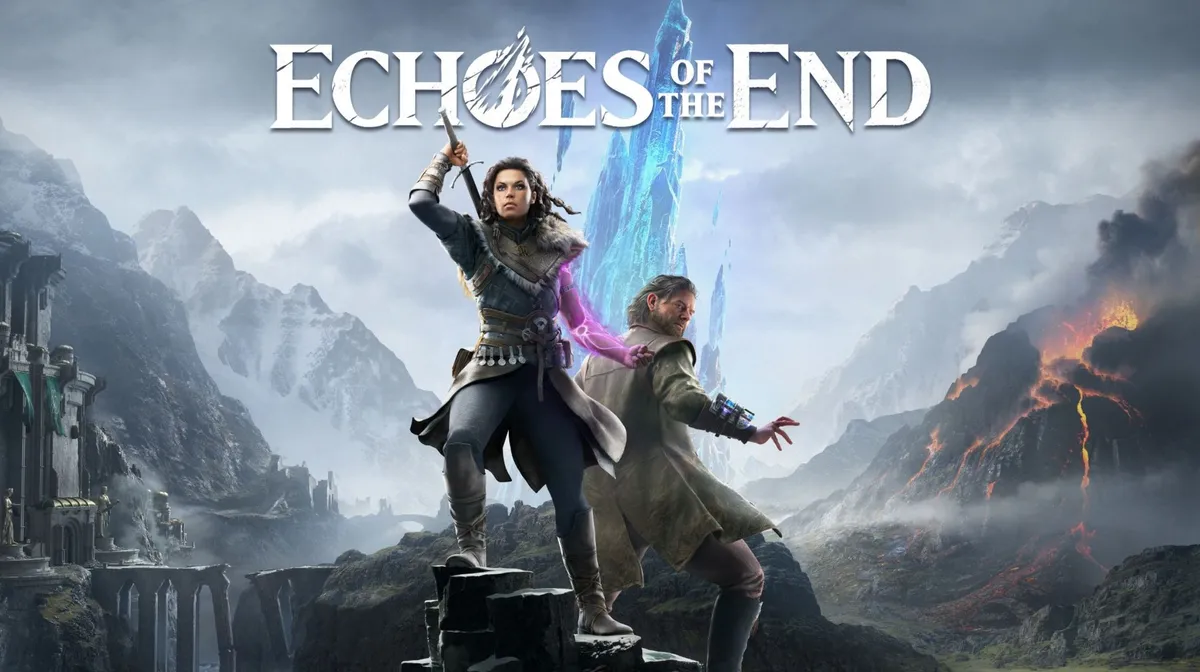
Three university friends started a studio in Reykjavík in 2016. They grew it to 40 people from 11 different nationalities. They built their own mocap stage, scanned real Icelandic glaciers and mountains with drones, and spent nearly a decade crafting their debut game. When Echoes of the End finally launched in August 2025, it landed with just 59% positive reviews on Steam.
For most studios, that's where the story ends. The industry has normalised moving on quickly—cutting losses, pivoting to the next project, maybe issuing a statement about "lessons learned." Myrkur Games refused to follow that script. I talked to the studio about that journey and other topics.
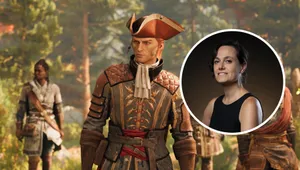
AC: Echoes of the End launched to an underwhelming reception on Steam with only 59% positive reviews. Fast forward to today, and you're sitting at 76% positive. That's a massive turnaround. What was that initial period like for the team, and when did you decide you were going to fight for this game rather than just move on (which is becoming a bit of a trend in the industry recently)?
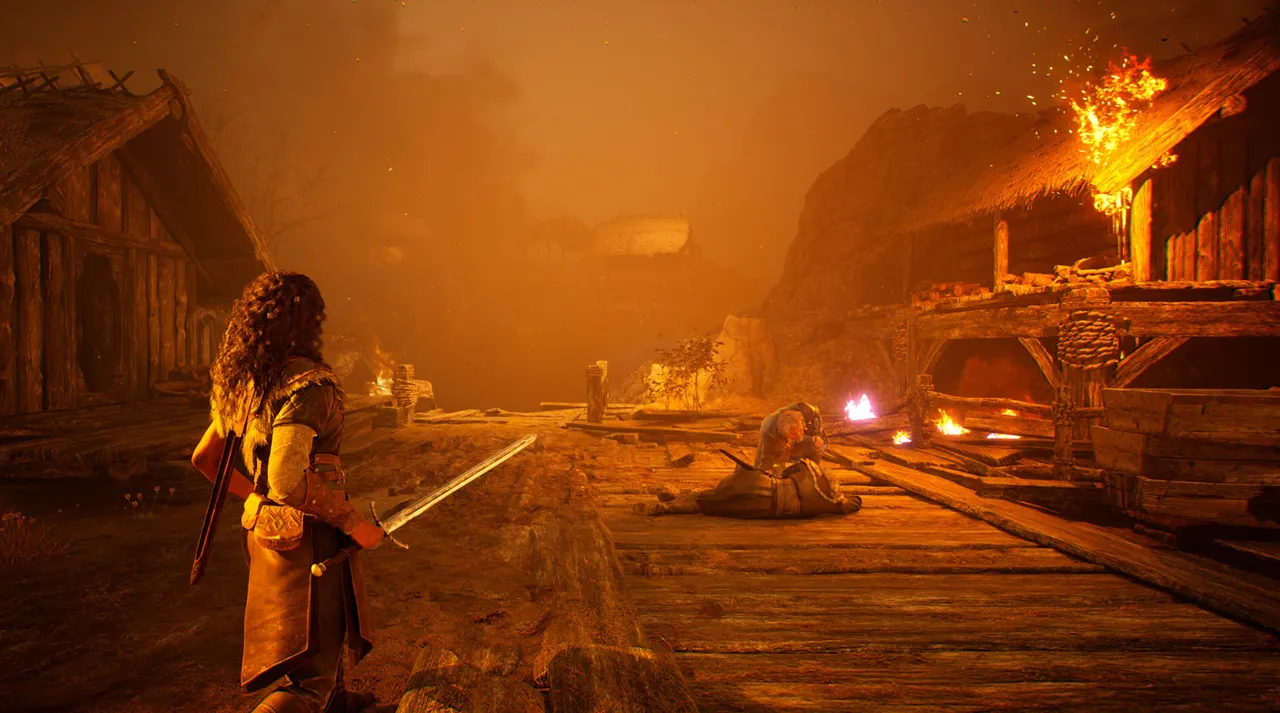
I’ll be honest with you, those first few weeks were tough. We’d spent nearly a decade building this game. Three friends from university who started a studio in Reykjavík in 2016, grew it to about 40 people from 11 different nationalities, built our own mocap stage, scanned real Icelandic glaciers and mountains with drones; we poured everything we had into it.
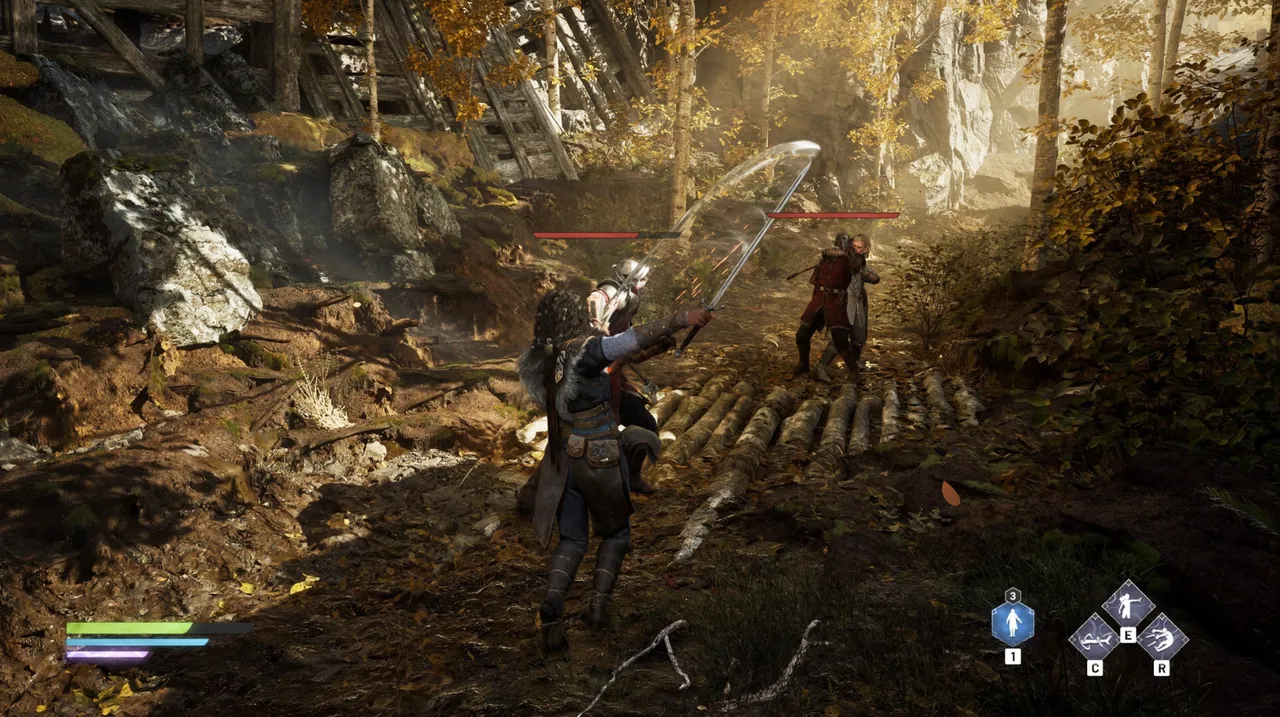
So when the reception came in, and it was mixed, that stung. There’s no way around that. But here’s the thing: when we read what people were saying, most of the criticism was fair. Players could see what we were trying to do. They liked the core elements, including the story, how the world looked, the core gameplay loop, etc. But they felt the combat wasn’t asresponsive and tight as it could be, the pacing was too slow in the opening, alongside anumber of polish issues.
Instead of feeling like people were saying “this game shouldn’t exist,” it felt like they were saying “we want this to be better.” There was never really a moment where we debated walking away. That’s just not who we are. We’re a small, independent studio and releasing our first game with only 40 developerswas tough going — and we were not ready to give up on that. The conversation was never“should we fix it?” It was “how fast can we fix it?” And honestly, being a small studio workedto our advantage.
We could move quickly and make big decisions without months of bureaucracy. Within a couple of months we had the Enhanced Edition out, which was a massive free update to the game. It had entirely overhauled combat, nearly all locomotion animations retouched or adjusted, a whole new equipment system and loot, New Game+with elite enemies, a reworked opening chapter, and more. We funded the update ourselvesand truly everything was at stake. Honestly, I couldn’t be more proud of the team and howincredibly professionally they handled all the feedback and poured their all into the update.
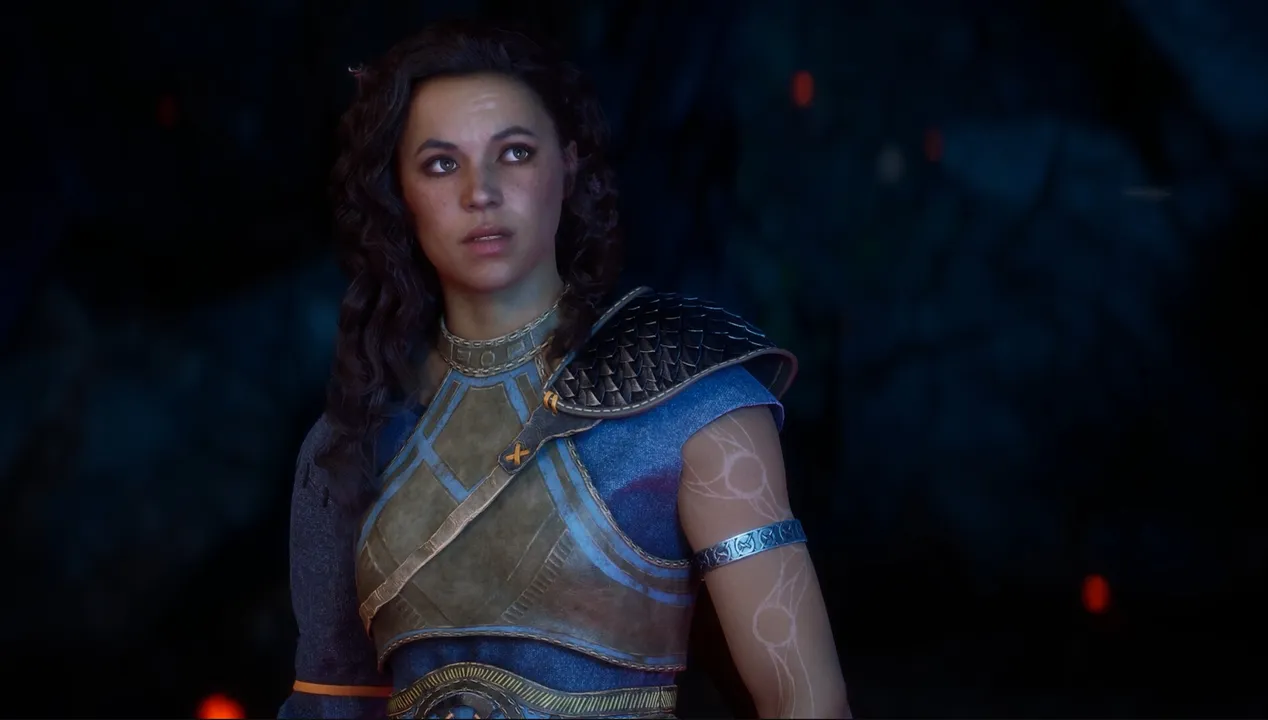
AC: When you're triaging feedback after a difficult launch, how do you decide what to fix first? Were there things players didn't really like that you knew you had to change, or stuff where you thought "no, we're not changing that"?
We managed to pack an incredible amount into the update within the tight timeframe, enough for us to want to call it ‘Enhanced Edition’. During this period, I told the team that we would read every single comment or review, put everything under scrutiny, and from there try to build out a list of common complaints and start coming up with ideas for how to address them.
We needed to move fast and have complete trust in each other, in order foreach team member to feel like they could execute what they felt most passionately aboutwithout as many checks and balances. That said, combat was the clear number one in terms of priority. That came through loud and clear from players and critics alike.
We knew that was the thing that would make or break the experience for most people, so we threw everything at it. Nearly every combat animation was retimed or redone, we overhauled input buffering, improved lock-on, and added better hit feedback, among a range of other edits and improvements.
The second priority was pacing. A lot of people felt the opening was too slow, that it took too long to get to the meat of the game. So we actually reworked the first chapter, streamlined all the tutorials, improved the story onboarding and got you to the core gameplay faster.
We also reduced some of the more menial sections throughout the game andaccelerated how fast players initially unlock new abilities. In the end, remarkably, the team had managed to somehow touch upon almost every feature change and addition we had originally put on our list. It was amazing to see them take the feedback to heart and step up to address it.
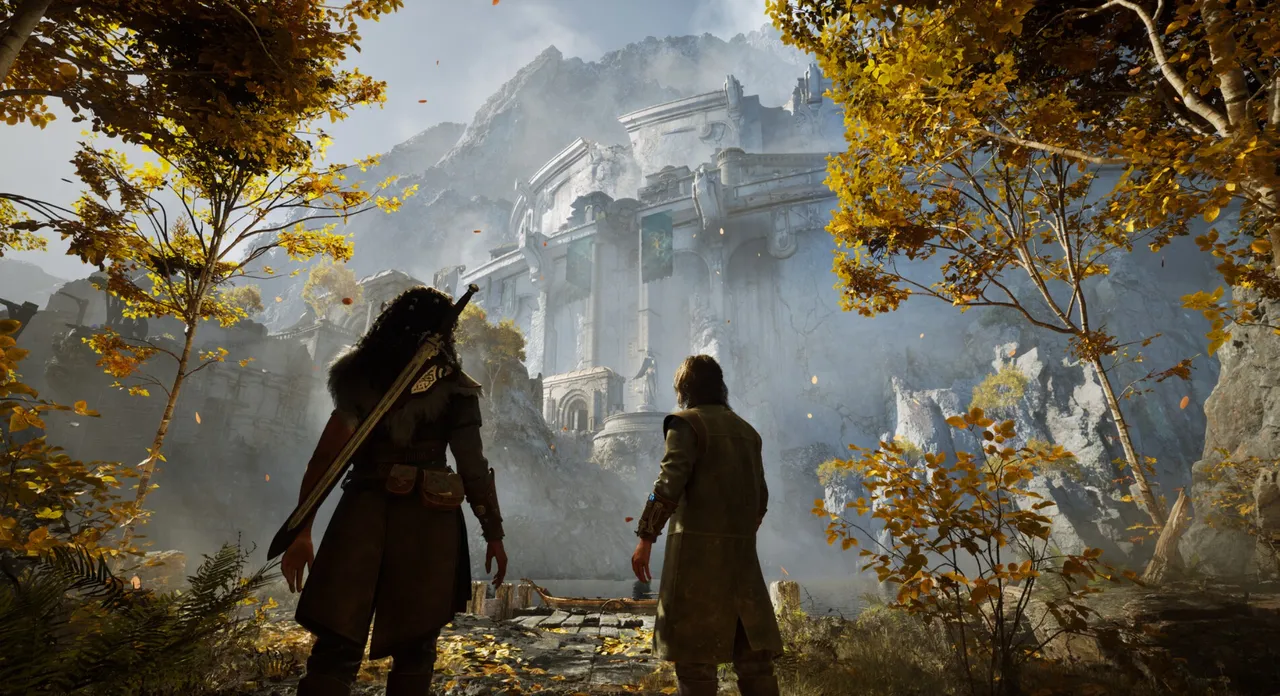
AC: The game recently came to PlayStation Plus. What was the thinking on this? Can subscription services give games like yours a second life when the initial reception doesn't go your way? Also, are you eyeing to put the game on Game Pass too?
By the time we launched on PS Plus in February 2026, we had the Enhanced Edition outalready, as well as a new update introducing both photo mode and new outfits. The game was in the best shape it had ever been. So we were happy to be able to put this improved version of the game in front of such a large audience.
I absolutely think subscription services can give games like ours a second life. For a debut title from a small Icelandic studio that most people had never heard of, discovery is a big challenge. We’re not a household name, and we don’t have the marketing budget to compete with the biggest releases.
But when someone scrolls through their PS Plus catalogue and sees the game and decides to give it a shot, that’s really great. As for Game Pass, the game is already on Xbox Series X|S. While there’s nothing we can announce right now, we think the Game Pass audience would really enjoy it, so it’s something we’re very open to.
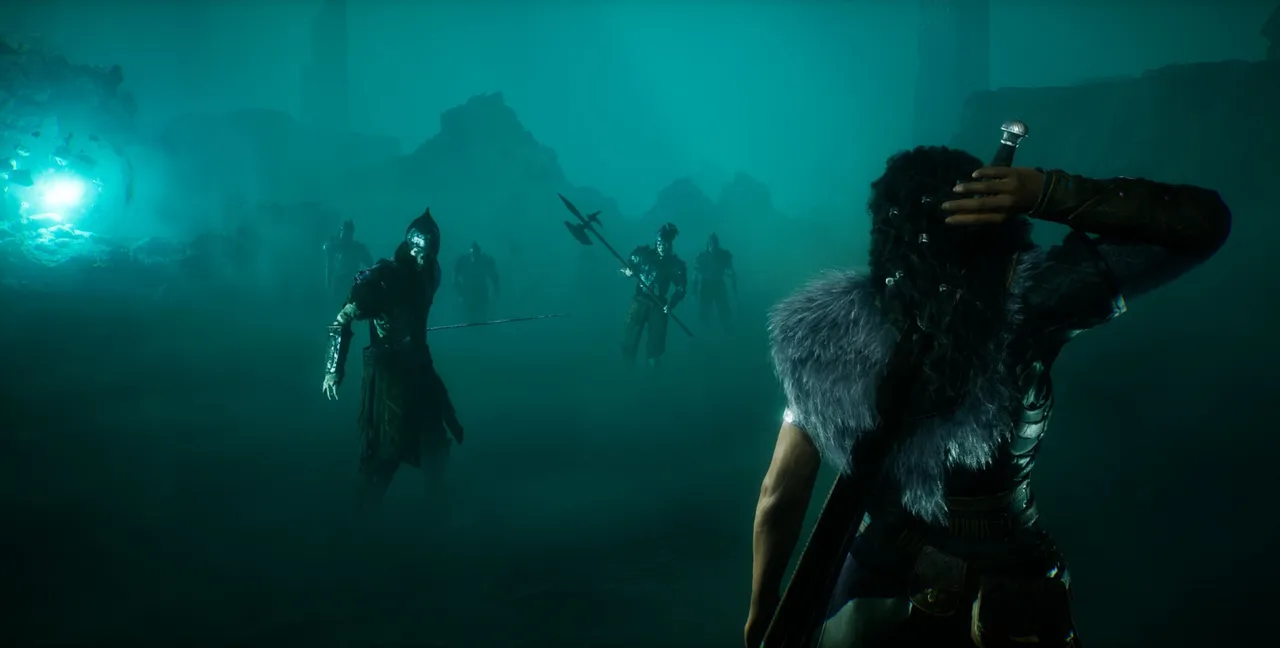
AC:Now that you've managed to turn it around, do you consider Echoes of the End a success for the studio? And what does this experience mean for how you'll approach your next project?
That’s a complicated question. Was the launch what we dreamed of? No. Did we achieve everything we hoped for commercially and critically right out of the gate? No. But do I consider the overall journey a success? Absolutely. We built something from nothing, with no development outsourcing.
Some friends with zero credibility in the games industry, who worked without salaries for years, convinced international talent to move to Iceland — and together shipped and ported an AA game to all major platforms with a major publisher in Deep Silver.
Many reviewers like GamingTrend, CGMagazine and PSU called out the potential they saw in Echoes of the End as the debut title from a small developer, while TheSixthAxis came back to re-review the Enhanced Edition and said the game now delivers on the potential that was always there.
What it taught us is invaluable. We now know how to ship an ambitious action-adventure game, where our strengths lie as a studio, and how important it is to listen to our players, which we will continue to do in future updates. For the next project, we’ll carry all of that forward, testing and iterating earlier in the pipeline and most importantly, involving playersmuch earlier in the process.
AC: Is this the end for the Echoes IP, or are you thinking about expanding it? Has thecommunity's response post-update given you confidence to do more with this universe?
The community response post-update has been really encouraging, and it means everything to us, really. When people finish the game and say they want to see a sequel, when reviewers say they’re excited to see what we do next, when players on Steam write that they hope we continue the series, it’s highly encouraging for us to see.
We've already started work on our next project, and while I can't speak to any details just yet, I can tell you that on the development side, it's a completely different experience working on a second title. With Echoes, everything was a first: first-time team, first engine pipeline, first mocap shoot, first launch, first multi-platform porting, first patch under pressure.
You learn an enormous amount from that, as you are forced to constantly solve seemingly insurmountable problems you've never seen before. Now we get to channel all of that hard-won experience into something new from day one. From developing our first title,we now have very strong fundamentals in place, and we are very excited to put that to use.
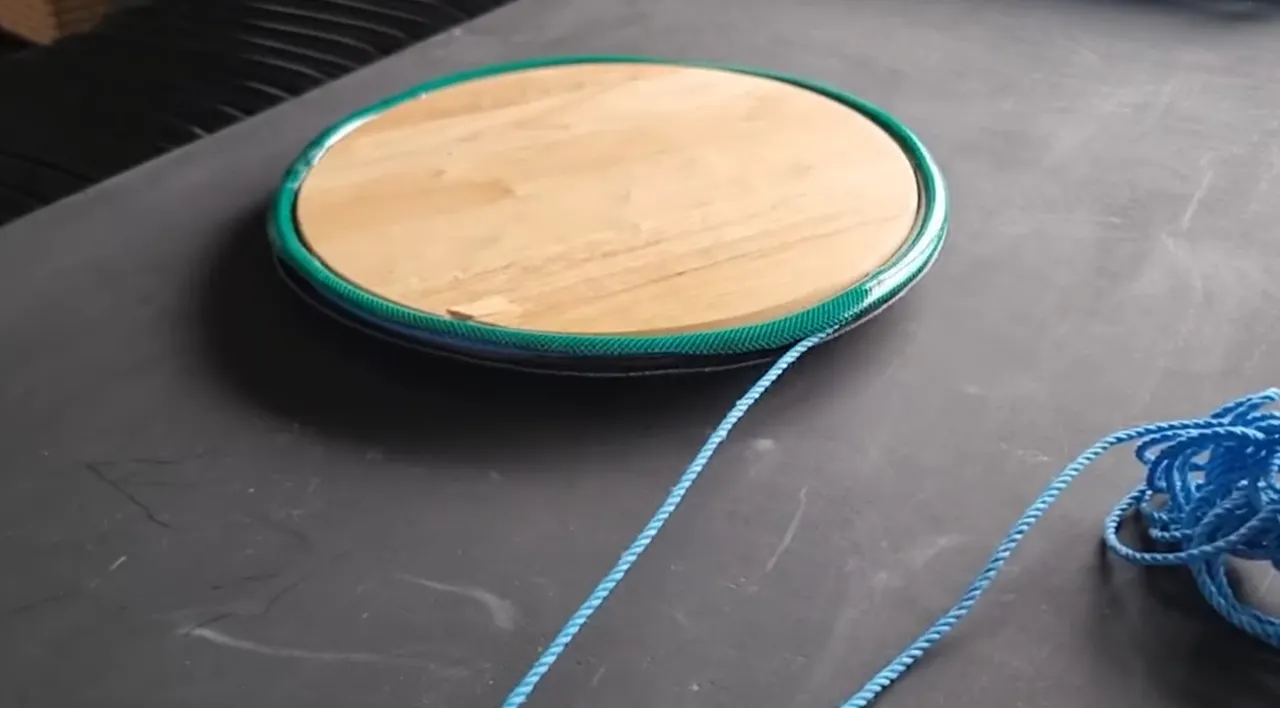
AC: Is the cheese platter that you used to rotate actors around during mocap still around at the studio, or did it finally retire after all that abuse?
Oh, the cheese platter is very much still with us. It’s earned its retirement, honestly, but it refuses to leave. For anyone who doesn’t know the backstory, when we were first figuring out our photogrammetry pipeline for digital doubles, we didn’t have the budget for a proper 360°camera dome, and we needed a way to rotate actors in front of our limited camera rig.
So someone had the brilliant idea of repurposing a cheese platter (lazy Susan) and threading a piece of string through a garden hose bolted around the platter’s rim; and it worked! Eventually, we upgraded to a proper 360-degree solution, so the platter doesn’t do active duty anymore, but it’s still in the studio. It’s become a bit of a mascot at this point. It represents who we are as a team: scrappy, resourceful, and maybe a little crazy, but we get it done.
![[Interview] Wuchang: Fallen Feathers - Blending Chinese History, Dark Fantasy, and Player Freedom](https://media.altchar.com/prod/images/gm_medium_thumbnail/8fe796994621-wuchang-fallen-feathers-interview.webp)