Trending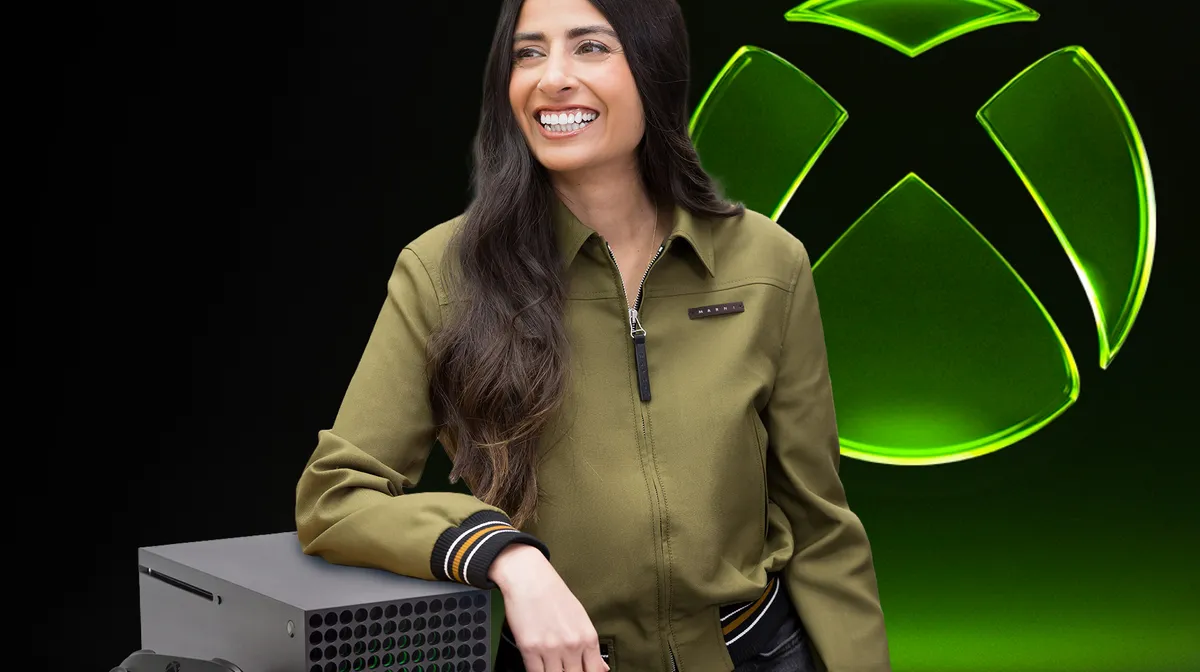

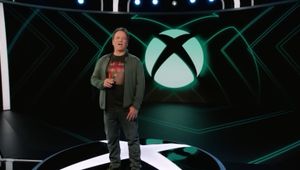
Xbox's stance on exclusivity may be shifting again. In a recent appearance on Bloomberg Tech (1:04:30), CEO Asha Sharma suggested the company is taking a serious look at bringing back exclusive content, framing it as a necessary part of being a platform rather than just a publisher.
"We're the number 2 publisher in the world, and in order to be a great publisher, you must have your games reach large audiences to play. At the same time, we're increasingly becoming a platform," Sharma said. "In order to be a platform, you must have exclusive content and services. And so, we're looking at that very closely."
A careful, case-by-case approach
It's worth tempering expectations here. Sharma was clear that this is, in her words, a tough topic, and nothing suggests a return to blanket exclusivity (at least not yet). Instead, the indication is that any exclusives would be selected on a thoughtful, case-by-case basis following a thorough vetting process.
The logic isn't hard to follow. Not every game makes sense as an exclusive: something with the reach of Minecraft would be daft to lock to one platform, whereas a core franchise like Halo arguably has more strategic value as an Xbox-only draw. In an earlier interview, Sharma stressed she wants to make "the right decision, not the fastest decision", describing it as the kind of long-term call that carries decade-long impact.
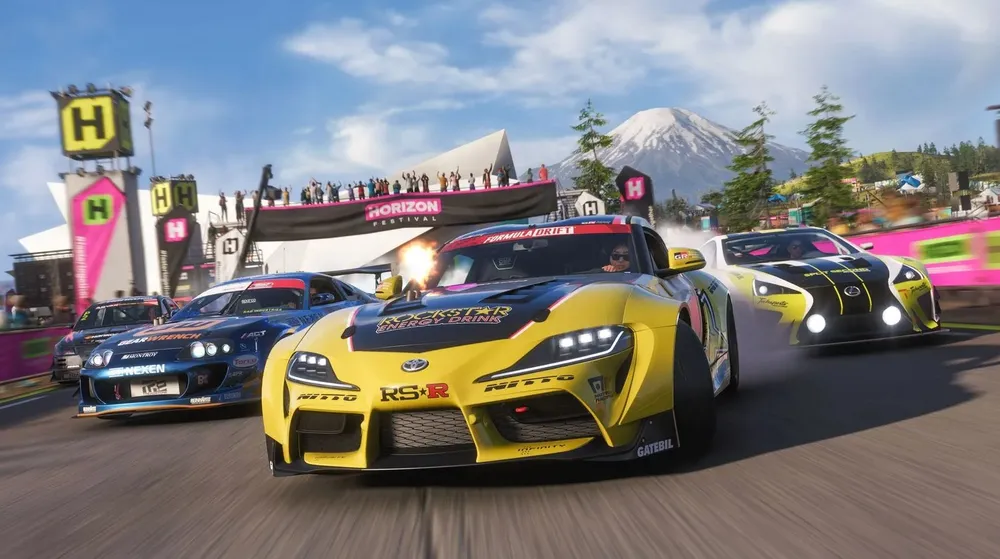
It's important to note that this also isn't happening overnight for games already in the pipeline. Titles slated for 2026, including Forza Horizon 6, the Fable reboot, Halo: Campaign Evolved, and Gears of War E-Day, all currently remain on track to launch on PlayStation 5 and suddenly pulling these from Sony's platform would certainly raise a few eyebrows.
A wider business reset
The exclusivity comments sit within a broader picture of change at Xbox. Sharma, who took over from Phil Spencer in February, pointed to early momentum from her first stretch in charge, noting that Xbox shipped more in her opening 100 days than in the prior year and that Game Pass returned to growth. She framed the next 100 days as a period to "reset the business".
It's the kind of language that will draw plenty of attention from a community that has spent years watching Xbox de-prioritise hardware-selling exclusives in favour of a multiplatform strategy. That approach has been good for software sales and revenue, but it has done little for Xbox console sales, which is precisely the tension Sharma now has to navigate.
What it means
For now, this is a signal of intent rather than a concrete policy shift. No specific games have been named, no timeline has been given, and Sharma's repeated emphasis on caution suggests any change will be measured rather than dramatic. Still, it's the clearest indication yet that Xbox is genuinely reconsidering exclusives under new leadership, and that alone makes it worth watching closely over the rest of the year.