Trending
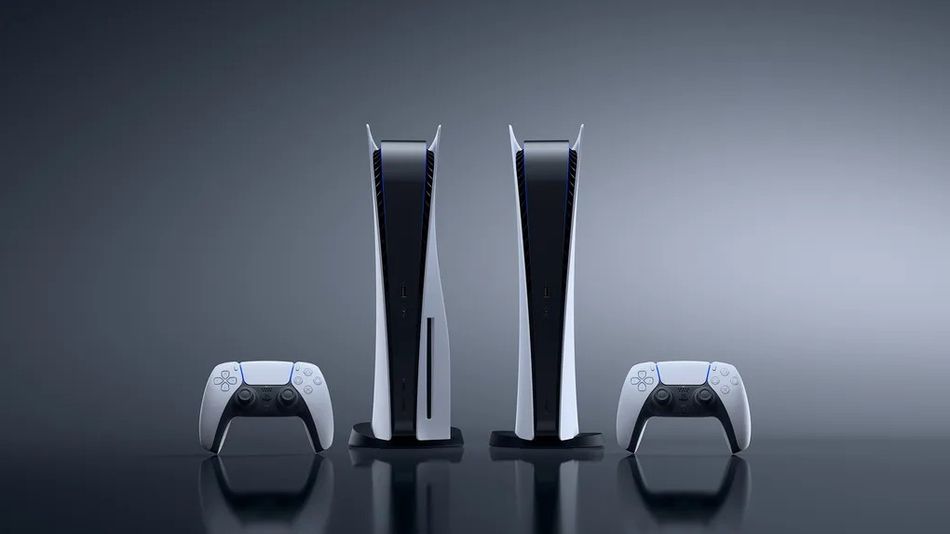
Let me be upfront about something: I own a PlayStation 5 a high-end PC. When a PlayStation exclusive lands, I almost always wait for the PC version. Higher frame rates, crisper visuals, and more quality of life features make the experience simply superior on a good rig. So when reports emerged that Sony Interactive Entertainment is reconsidering its PC strategy and pulling single-player exclusives back to PlayStation only, my immediate reaction was selfish disappointment.
But Sony is absolutely right to do it.

Why Delayed PC Ports Were Never Going to Work
The logic is straightforward once you strip away the sentiment. Sony's PC releases were never day-one launches. They arrived years later, long after the hype cycle had peaked, the discourse had moved on to the next big thing, and the cultural moment had passed. God Of War on PC was a great port. It was also old news. Marvel's Spider-Man 2 peaked at less than 30k players on Steam. Players who cared deeply enough about these games had already bought a PS5 or borrowed one. The people picking it up on PC were largely the hardcore "No Steam, no buy" folks and the curious ones - not the kind of audience that moves hardware or sustains a brand.
Delayed PC releases do not simply mean lower sales figures. They mean lower everything. Lower cultural impact, lower review coverage, lower social media chatter, lower sense of occasion. A game launching eighteen months after its console debut is not a release - it is a late night re-run. Sony was essentially discounting its own prestige titles by letting them arrive on PC as an afterthought, and the sales numbers apparently reflected that. They did not move the needle enough to justify the ongoing cost and complexity of porting to a second platform.
Day One or Not at All: The Only Strategy That Makes Sense
Which brings us to the real choice Sony faced, and the one they have now made. Either you go day-and-date on PC alongside PlayStation, meaning total commitment, capturing the full audience, splitting no hype, or you do not do it at all. Half-measures served nobody. Delayed ports with no major PC exclusive features failed to excite PC players and undermined the PlayStation brand simultaneously. Sony has picked the only sensible option available if day-one PC releases were never on the table, which they clearly were not.
And the upside for PlayStation as a platform is significant. "Only on PlayStation" is a powerful phrase when it actually means something. Right now it is a marketing slogan with an asterisk. Remove the asterisk and it becomes a genuine reason to own the hardware. It elevates the console from a convenient way to play these games to the only way to play them, which is an entirely different proposition for consumers sitting on the fence.
What Sony Learned from Xbox's Identity Crisis
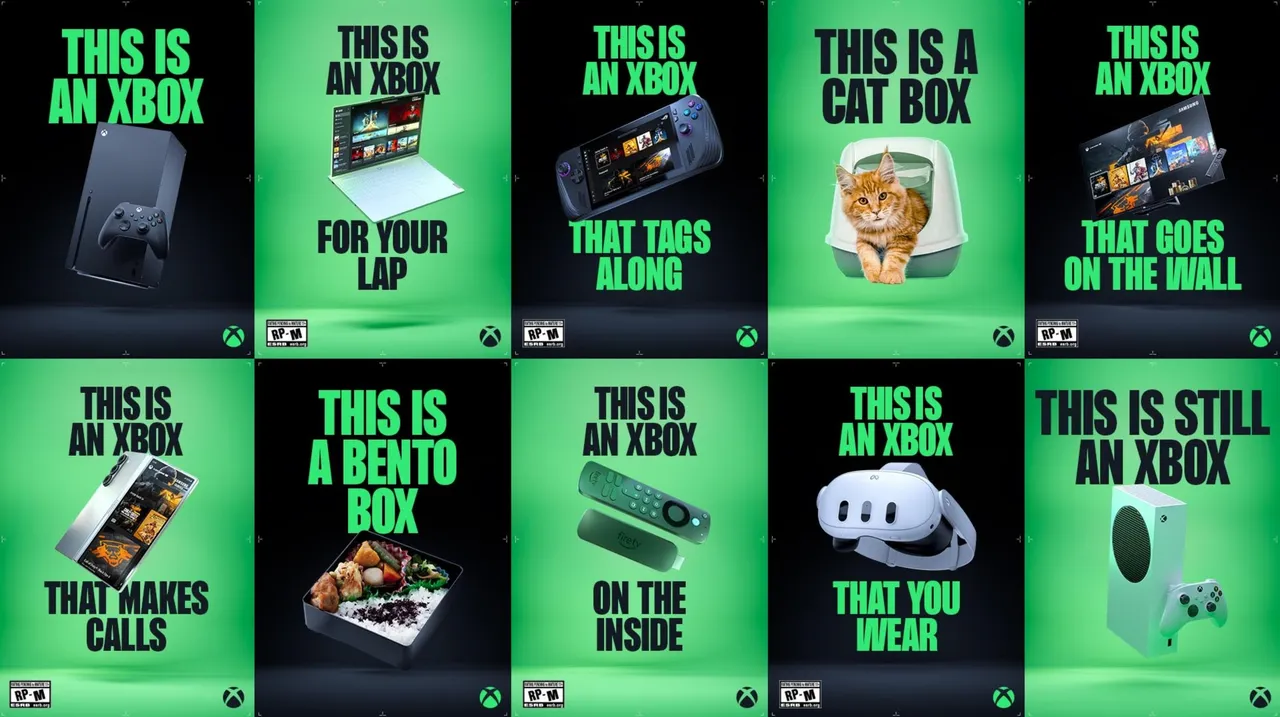
Compare that to what Xbox has been doing. Microsoft spent the better part of the last few years trying to convince people that an Xbox was not really a console but a concept - something that could live on your phone, your tablet, your television, your PC, your cloud streaming device - as they started shipping their games on all platforms.
"This is an Xbox" - a bold lettering slapped on a graphic with a VR device, a mobile phone and whatnot. It sounds flexible. In practice it was a brand identity crisis dressed up as consumer choice, and the market responded accordingly. Sony watched that experiment fail in slow motion and has drawn the obvious conclusion: exclusivity has value. Platform identity has value. Giving people a reason to buy your box has value.
How Dropping PC Releases Benefits Sony's Studios
There is a practical benefit for Sony's development studios too. Building for one platform is simply easier than building for two. It's been proven many times and the internal PlayStation studios are the prime example of that. Part of what makes their games so consistently polished is the ability to optimise for a single, known hardware target. Adding PC with hundreds of thousands of hardware combinations as a simultaneous release platform would mean split focus, longer development cycles, and additional QA burden. Removing it means the teams can go back to doing what they do best.
One theory floating around is that the looming next Xbox console - reportedly a hybrid device capable of running Steam and other PC storefronts - played into Sony's thinking. A console that can effectively run PC games theoretically narrows the gap between platforms and, in some reading, could mean PlayStation titles becoming accessible on Xbox hardware via PC ports. Whether that threat is real or overstated is debatable, but it is worth noting that Sony does not need to leave any door open it does not have to.
Ultimately, the logic collapses to something simple. If you are not going to launch your games on PC on the same day as your console, you probably should not be launching them on PC at all. Sony tried the middle ground. It did not work. Now they are committing to the platform they have always been best at.
As a PC player, I will miss those ports. As someone who follows this industry, I think Sony just made a very smart decision.









![Marathon - Equitable Distribution [1/4] Contract Guide](https://media.altchar.com/prod/images/gm_medium_thumbnail/9fab4eb0d441-marathon-equitable-distribution-guide.webp)
![Marathon - Data Reconstruction [2/3] Contract Guide](https://media.altchar.com/prod/images/gm_medium_thumbnail/263a2fa242a8-marathon-dire-marsh-data-reconstruction.webp)
![Marathon - Data Reconstruction [1/3] Contract Guide](https://media.altchar.com/prod/images/gm_medium_thumbnail/13fdd3b0a9d1-202602272239481.webp)