Trending
Pathea Games is stepping away from cosy life sims (at least for now) with The God Slayer, an open-world RPG blending Eastern mythology, steampunk aesthetics, and elemental martial arts combat. Backed by Sony Interactive Entertainment's China Hero Project, the game launches on PC, PlayStation 5, and Xbox (surprisingly, given Sony's involvement) platforms with no confirmed release date.
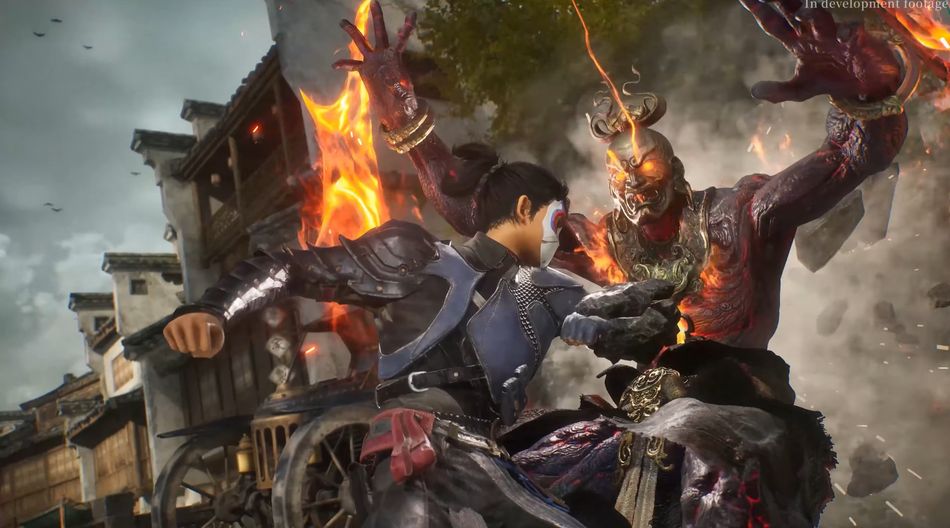
Players control Cheng, an Elemancer wielding fire, water, earth, metal, and wood abilities through martial arts techniques. The story centres on overthrowing Celestials, which are god-like beings who created humanity to cultivate Qi energy for their eternal lives. After the Celestials massacre the kingdom's ruling family and Elemancers during an event called the God Fall, Cheng builds a resistance to dethrone his divine creators.
It's essentially an "angry human vs oppressive gods" narrative structure, which isn't breaking new ground thematically but provides solid motivation for 40 hours of campaign content. Pathea describes gameplay inspiration from Assassin's Creed and Avatar: The Last Airbender, suggesting open-world traversal combined with elemental bending mechanics.

Customisable combat and reactive metropolis
The God Slayer emphasises combat customisation through elemental combinations. Players mix water, earth, metal, and fire for attacks and environmental manipulation, supposedly creating personalised fighting styles. Whether this translates to genuine strategic depth or just flashy combo variations won't be clear until proper demonstrations arrive.
Zhou Kingdom's capital serves as the primary setting, and I have to say that a steampunk metropolis featuring airships, monorails, steamboats, and industrial revolution aesthetics with Eastern architectural influences is one of the most unique ideas I've seen in a video game.
Upper classes enjoy air-conditioned homes whilst lower districts toil in factories beneath noble privilege. Standard dystopian class divide, essentially, providing narrative justification for rebellion themes.
Branching mission design
Missions offer multiple approach options rather than linear objectives, at least that's what the studio promises. Players can attack head-on, bribe guards, use elemental powers for distractions, or pathfind hidden routes. It's the Dishonoured/Deus Ex approach to mission structure, with player agency set at the top of the priorities.
Pathea also mentions faction systems for befriending or antagonising various groups, suggesting reputation mechanics influence available story paths and mission opportunities. How substantially these choices impact the narrative beyond surface-level dialogue changes remains speculation.
Departure from cosy gaming
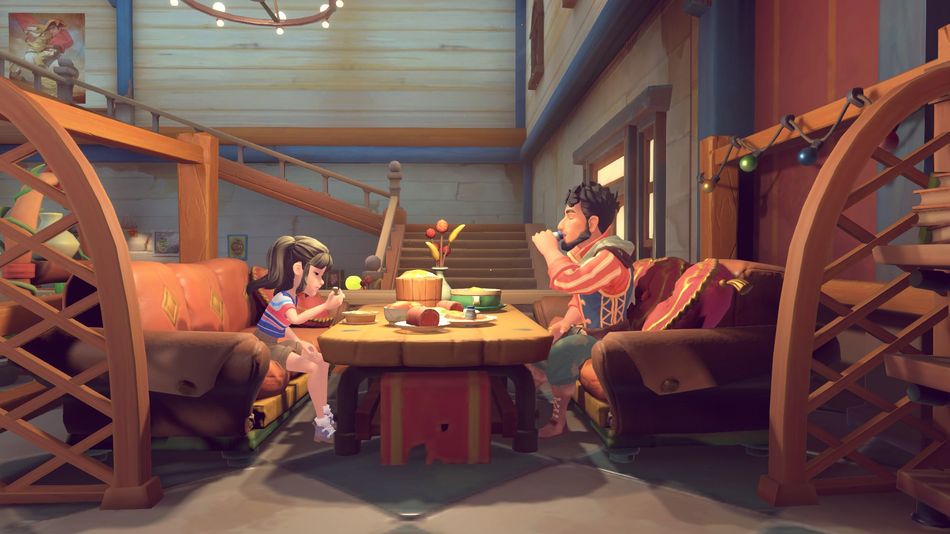
"Thematically, The God Slayer is a big departure from what Pathea is known for," explained founder and creative director Zifei Wu. The studio built its reputation on My Time at Portia and Sandrock, both of which are wholesome crafting sims emphasising relaxation over combat. The God Slayer targets darker tones and serious storytelling, which could either demonstrate versatility or represent an uncomfortable tonal mismatch. Time will tell.
Pathea has developed multiple open-world RPGs previously, though none achieved the commercial success of their My Time series. Whether The God Slayer captures audiences seeking serious action-RPGs or struggles to find identity beyond "cosy studio makes edgy combat game" remains uncertain until release.
The God Slayer is available to wishlist on Steam and Epic Games Store, with PlayStation 5 and Xbox store pages arriving soon.
DON'T MISS:
- Survival game Soulmask gets Egyptian gods' themed masks and customisable airships in spring 2026 expansion
- Dawn of War IV gets epic story trailer showcasing Blood Ravens and Dark Angels fighting for Kronus
- Path of Exile 2: The Last of the Druids update brings druid class, new league, and major rebalancing on December 12
- SHIFT UP's Next Game Project Spirits Coming to PC, Console, and Mobile via Tencent Partnership