Trending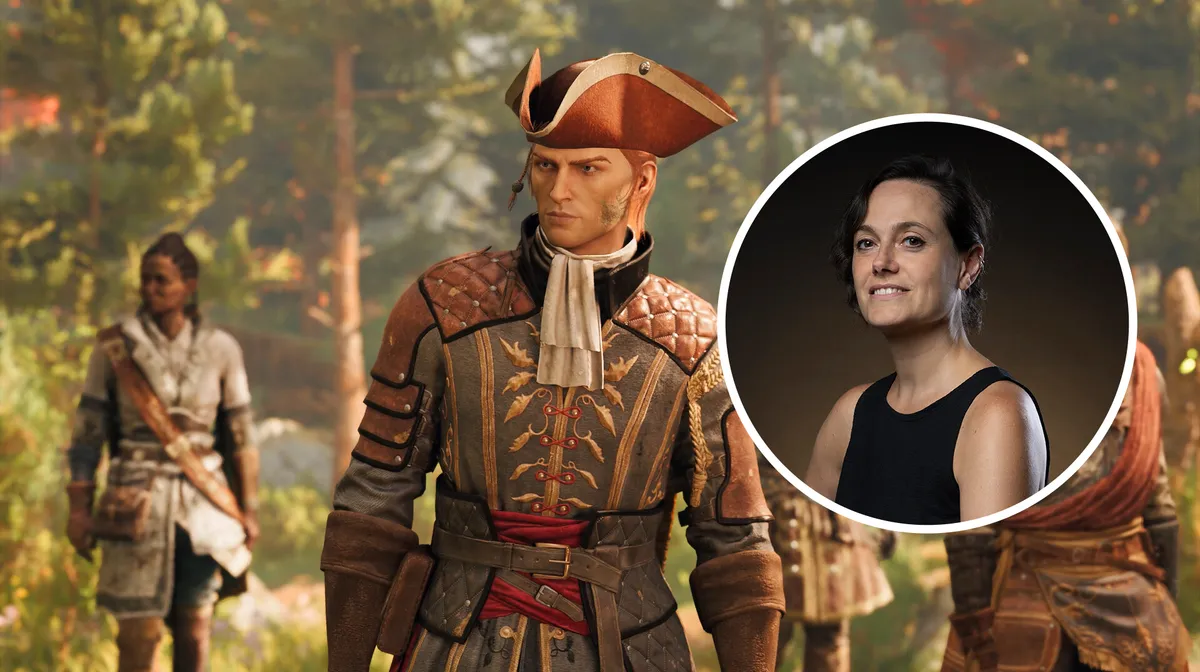
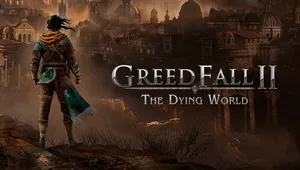
Spiders has spent the past year in an unusual position: developing GreedFall 2: The Dying World in full public view through Early Access. It's a vulnerable process, especially when you've made a fundamental change to your combat system that risks alienating fans of the original game.
When I ask Creative Director Jehanne Rousseau how much player feedback genuinely shaped the final game, she's clear about its importance. "Players' feedback was very important to us throughout the production," she tells me. The team implemented changes to controls, camera, UI, combat experience, animation feel, and added missing options to better match expectations. "The community is incredibly quick to imagine stories in our world, and most of the work we did was to carefully balance their expectations, suggestions and what we could implement in the game."
That feedback loop even inspired new solutions and companion interventions for certain quests, proving once again just how crucial Early Access launches can be in shaping the gameplay.
The Tactical Gamble
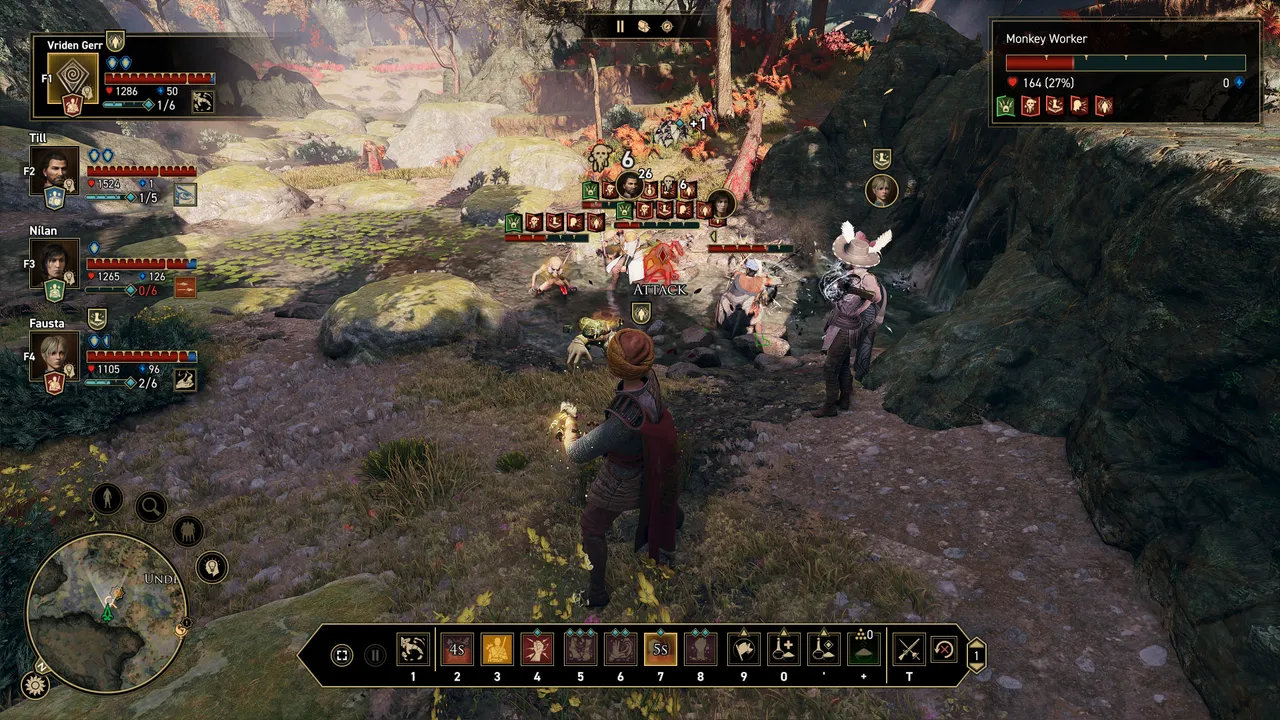
The shift from action combat to real-time with pause represents a significant design pivot. The first GreedFall had perfectly serviceable action combat, so changing course for the sequel feels like a genuine risk - one that many fans have been vocal about.
Rousseau explains the decision came from listening to what players wanted from the first game. "A lot of players wanted to be able to have control over the companions. That's why we decided to propose a different type of combat - a little more tactical." It was new territory for Spiders, requiring extensive adjustments during Early Access. "We learned a lot from the players' feedback."
The final implementation offers flexibility: one playstyle is more tactical, one is similar to the real-time action of the first game, and one is in between. The team also expanded character customisation with different profiles and larger skill trees, alongside more difficulty options. "We think the players' agency is really important," Rousseau notes.
Designing Meaningful Companions
One of the more ambitious design choices involves companions who can permanently leave based on your decisions. It's a feature seen in other RPGs too and it sounds great in theory, but often frustrates players in practice - nobody wants to lose a favourite character because they made the "wrong" choice.
Rousseau frames it as a question of authenticity. "We don't want players to behave in an inauthentic way if they don't want to," she explains. "On the contrary, if they don't get along with a companion and prefer to take a path that goes against that character's wishes, that's perfectly fine. But the companion should then respond authentically, according to their own goals and personality."
The goal is to make companions feel more human and foster genuine attachment, which this design decision achieves. Each companion also has a specific team role, so their departure can upset combat balance. Spiders kept this in mind when designing skill trees, ensuring players wouldn't be too heavily penalised if a companion decides to leave. There's an option to respec, which tackles this potential issues.
When companions are present for situations they care deeply about, they'll react. "Most of the time, we give players the option to calm them down or let them unleash their feelings," Rousseau says. You can call on them during dialogues, though their intervention won't always work in your favour. "Choosing your team for a mission is not only a matter of combat balance, but also a narrative decision."
The Dragon Age Origins Blueprint
Dragon Age Origins feels like an obvious comparison with its tactical party combat, deep companion relationships, and choices that matter. When I ask whether that was a conscious reference point, Rousseau doesn't dodge the question.
"DA:O was definitely a major reference for us during development," she confirms. "Our goal was to deliver something that comes close to its experience and, even go a bit further." Spiders wanted to allow players to stack multiple orders and plan tactics, rather than simply adjusting them in real-time during combat. "We hope players will appreciate our contribution to the genre."
It's a bold statement, positioning GreedFall 2 not just as Dragon Age-inspired, but as an attempt to advance what BioWare established 15 years ago. After playing the game, I'm not entirely sure Spiders managed to do that, but time (and players) will tell.
The Full Picture
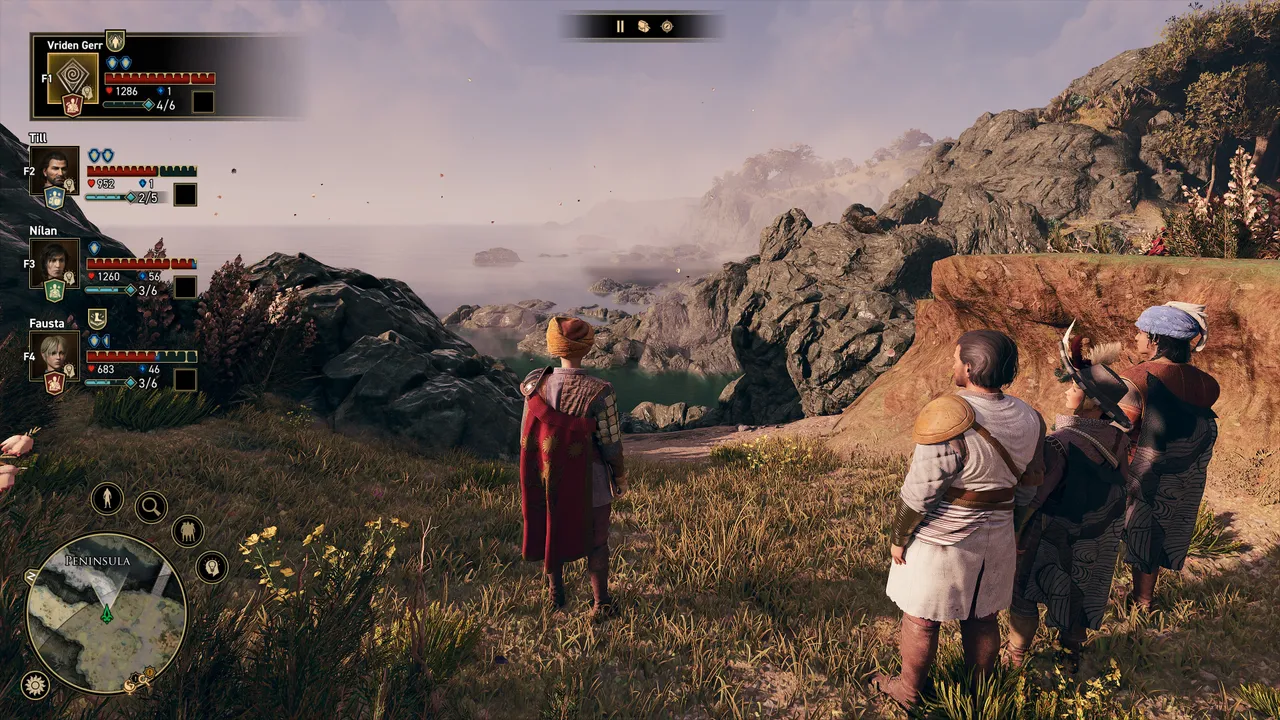
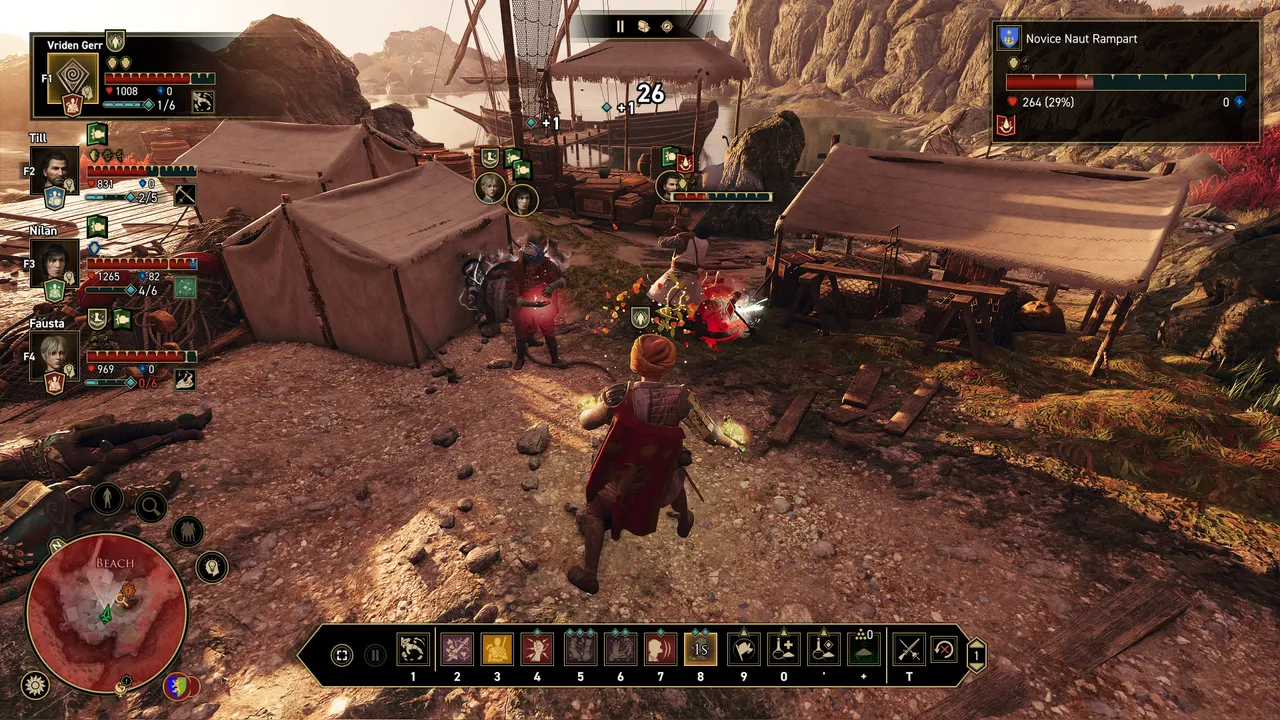
After the prologue, players can take three companions at a time, and it's possible to complete all companion quests in a single playthrough. Companions with strong feelings about certain situations can offer new input or even new consequences. When a quest is particularly important to a companion, they'll ask to come along, hinting that they may react emotionally or provide specific insights.
As GreedFall 2 exits Early Access on 12th March, players who tried it early will notice extensive improvements. Rousseau highlights two major content-rich updates during Early Access that significantly improved the overall experience. The official release includes numerous graphical, balance-related, and technical improvements, alongside enhancements to accessibility and gameplay fluidity. "Particularly thanks to the many options added to customise the character, its combat style and the camera movement," she notes.
Whether Spiders has successfully threaded the needle - honouring Dragon Age Origins whilst carving its own identity, making companions feel authentic without frustrating players, and satisfying both tactical and action-oriented fans - remains to be seen. But there's something admirable about a studio willing to completely rework their combat system based on what players actually asked for, even if it meant starting from scratch.
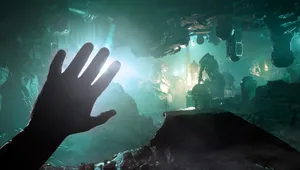
GreedFall 2: The Dying World launches on 12th March for PC, PlayStation 5, and Xbox Series X|S.



![[Interview] Wuchang: Fallen Feathers - Blending Chinese History, Dark Fantasy, and Player Freedom](https://media.altchar.com/prod/images/gm_medium_thumbnail/8fe796994621-wuchang-fallen-feathers-interview.webp)