Trending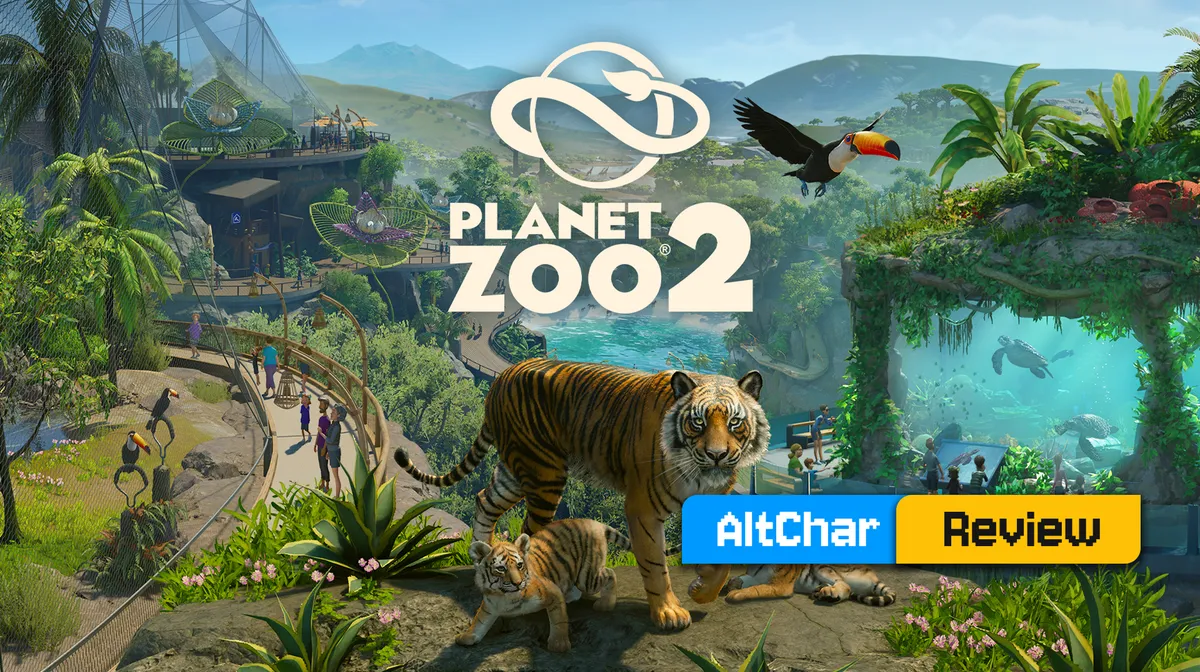
I’ve spent years in the original Planet Zoo building habitats, tweaking paths and finding excuses to start another zoo instead of finishing the one I was working on. I've been looking forward to the sequel ever since Frontier announced it in May, and I called it my GTA 6 in my September preview. I meant it. What I wanted to find out was whether Frontier Developments could make building less tedious without losing what made the first game so good.
For the most part, it has. The core loop is still about building habitats, keeping animals and guests happy, and making money. Aquariums, aviaries and Wildlife Reserves add new ways to play, while the building tools fix many of the frustrations that made construction such a chore in the original. The biggest disappointment is the roster. Many of the new additions are birds and aquatic animals, which fits the focus on aviaries and aquariums, but several land animals I loved building for in the first game, cheetahs included, haven’t returned.
Building: faster and less repetitive
The biggest change for me is that scenery can now be resized, and I think it will change how people build more than any other feature.
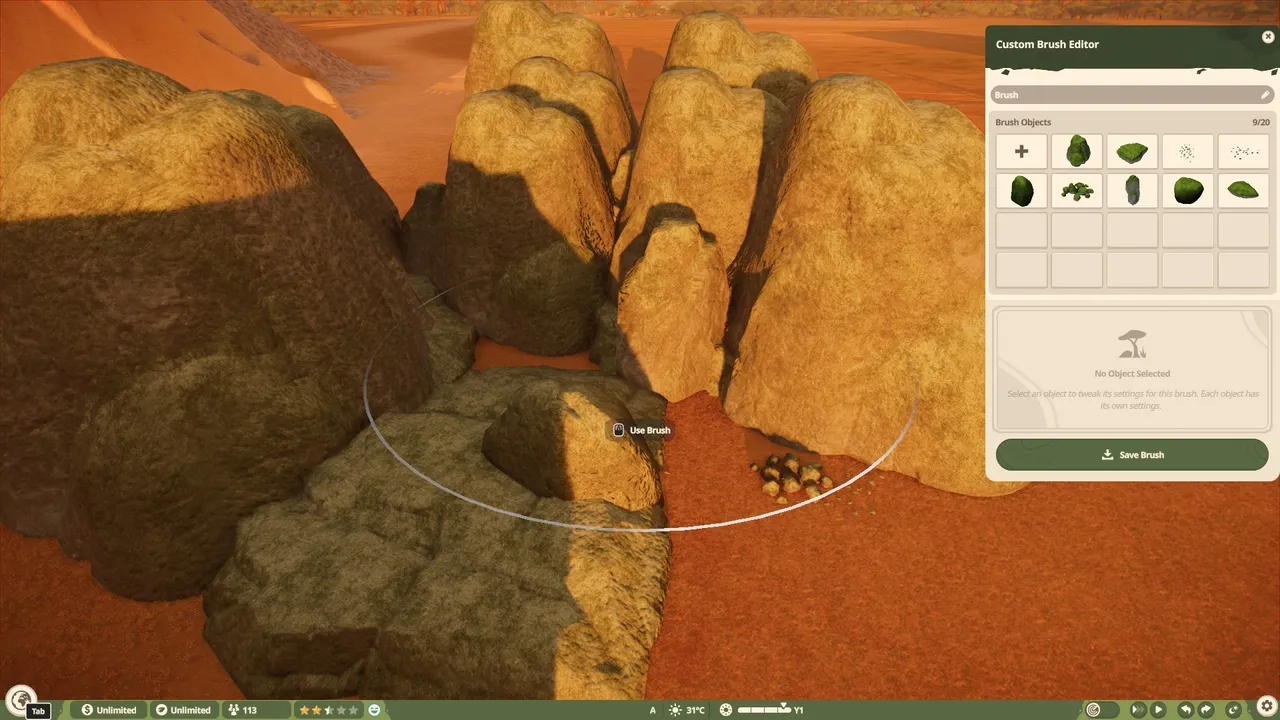
I’ve wanted this ever since playing Prehistoric Kingdom, and more recently Jurassic World Evolution 3, and I kept wishing Frontier would bring the same idea to Planet Zoo. Seeing it here is probably my favourite addition outside the new habitat types. It makes every scenery piece more versatile. Scaling up rocks makes rockwork much easier (and I’m a sucker for good rockwork), while recolouring scenery, including the moss on rocks, means the same piece can fit into several biomes.
Blueprints are still here, with ready-made staff facilities, shops and habitats for anyone who doesn’t want to build everything from scratch. They’re useful for getting a zoo up and running, but also for picking up ideas for your own builds. Resizing makes individual pieces more flexible, too: a large rock can become a small ledge, or a decoration can become part of a wall. If you’d rather build your own structures, you’ll get a lot out of this.
Alongside the presets, the new foliage brush lets you group plants and rocks into a custom brush and paint them across an area. In the first game, I’d place bushes and rocks one at a time, then copy and paste them as a group to get a similar effect, so this is one of the additions I appreciate most. It doesn’t replace the finer work, though. You can use the brush for large patches of undergrowth and still place pieces by hand when a corner needs to look just right.
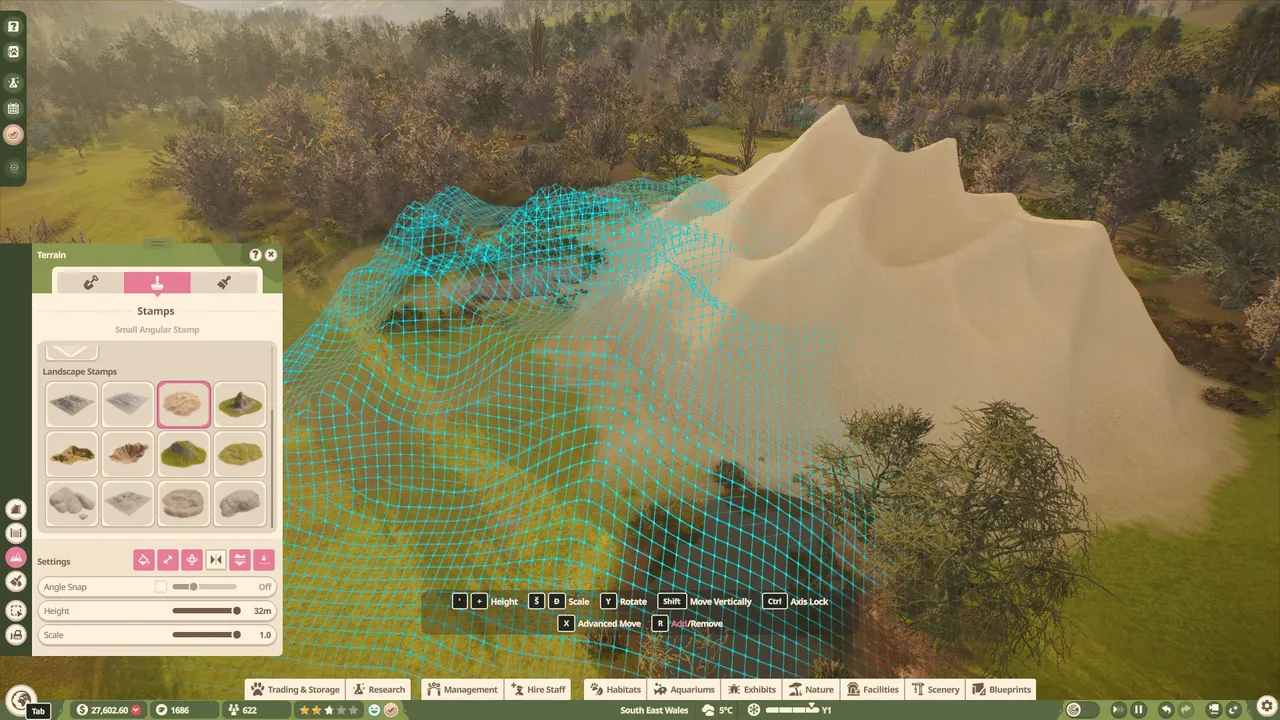
Pathing has been massively improved, too. A new draw tool lets you sketch out a shape and turn it straight into a plaza, and the stamp tool is still there when you want one in a hurry. Overall, pathing is far less fiddly than in the first game, and anyone who lost their mind over paths in Planet Zoo (so, roughly 99% of the player base) is going to love it.
Aquariums and aviaries
In the first game, an underwater viewing area meant sinking terrain, adjusting water levels until it looked right, and spending far too long trying to make a viewing gallery or tunnel. Planet Zoo 2 has glass panels, aquarium blueprints and water tinting, so you can build one directly. After years of fighting the terrain for the same effect, that alone was a relief.
You can choose freshwater, saltwater or brackish water, adjust the colour and lighting, and shape the tank with islands and underwater terrain. Glass tunnels let you run a path right through the aquarium, so guests can walk underneath the animals. The tunnels are my favourite part, and they make the aquarium feel like a proper attraction. Keepers go in through an animated airlock, in wetsuits and breathing gear, to feed animals and clean.
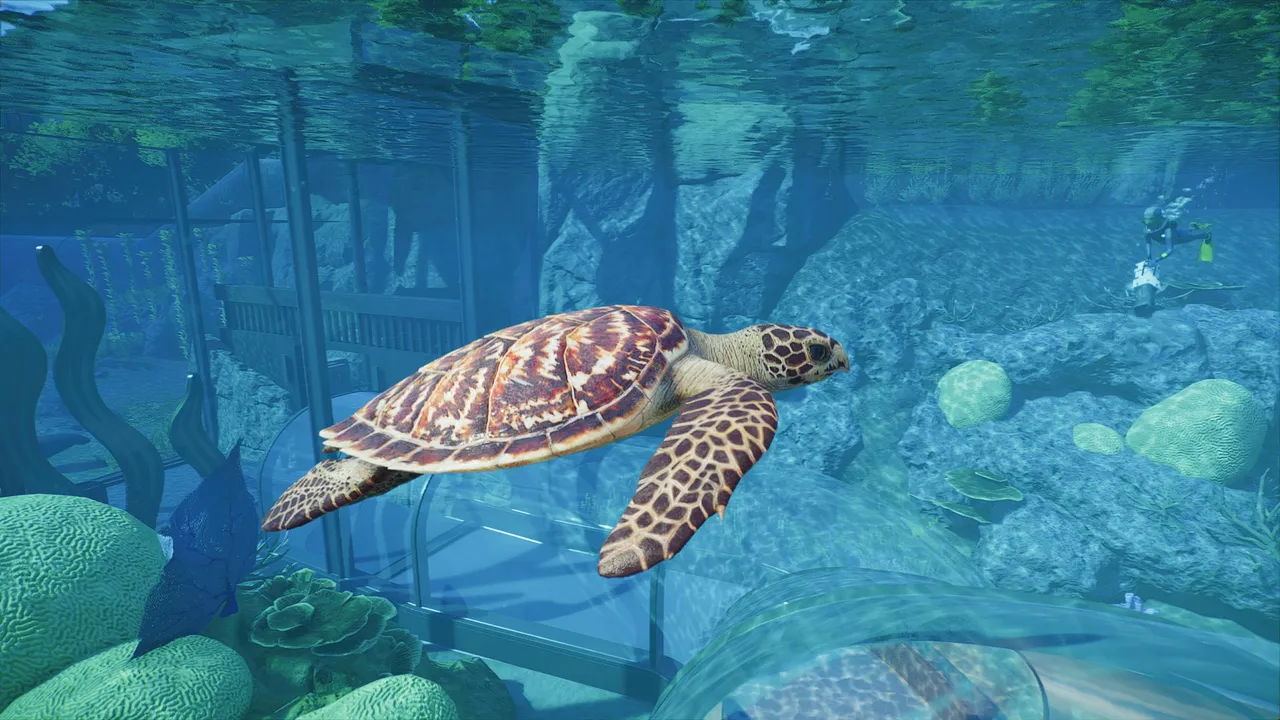
There are over 30 aquarium species, from Clown Anemonefish and Yellow Tang to Blacktip Reef Sharks, a Hawksbill Turtle and a West Indian Manatee. They’re split into hero animals, which you look after individually like any land species, and shoals, which you manage as one group. Mixing the two makes an aquarium feel alive, though how good it looks still comes down to your build.
Aviaries are easier to build than I expected. You place a barrier and a few support poles, and the game generates a net roof over the whole thing. Then you add perches and nesting platforms, and the birds fly between them and land on them. There are 10+ flying birds, including Toco Toucans, Great Hornbills, Shoebills and White-tailed Sea-Eagles, which is enough to build several aviaries that look and play differently.
Animals and performance
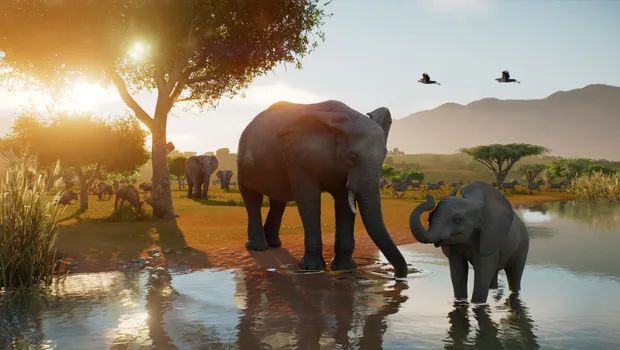
The animal models are a big improvement, and birds are the highlight for me. Their little head tilts, blinking and shuffling along perches make them really fun to watch. The lighting on fur and scales also gives animals much more depth than in the first game.
Animals now use ordinary scenery, too. They scratch on trees and rub against rocks instead of needing a dedicated enrichment item, so what you put in a habitat matters beyond meeting basic needs. It’s fun watching them use whatever you’ve put down, and it means the scenery you place actually does a job.
There are some animation and collision problems, though. My hammerhead shark once turned too close to the barrier, and its tail passed through the wall while the rest of its body stayed inside. It looked like it was swimming straight through the glass. Birds and land animals occasionally clipped into structures too. Neither happened often, at least not that I noticed, and I’m hopeful both can be fixed in a patch.
I played on a Ryzen 5 7600X with an RTX 3070 Ti and 16 GB of RAM, with everything on Ultra. Performance held up well overall, and I didn’t run into any crashes. The one issue I noticed was pop-in when zooming between a close-up of a habitat and the wider layout. It’s not a dealbreaker, but it is distracting. Lowering a few settings helped, though I wouldn’t call performance flawless.
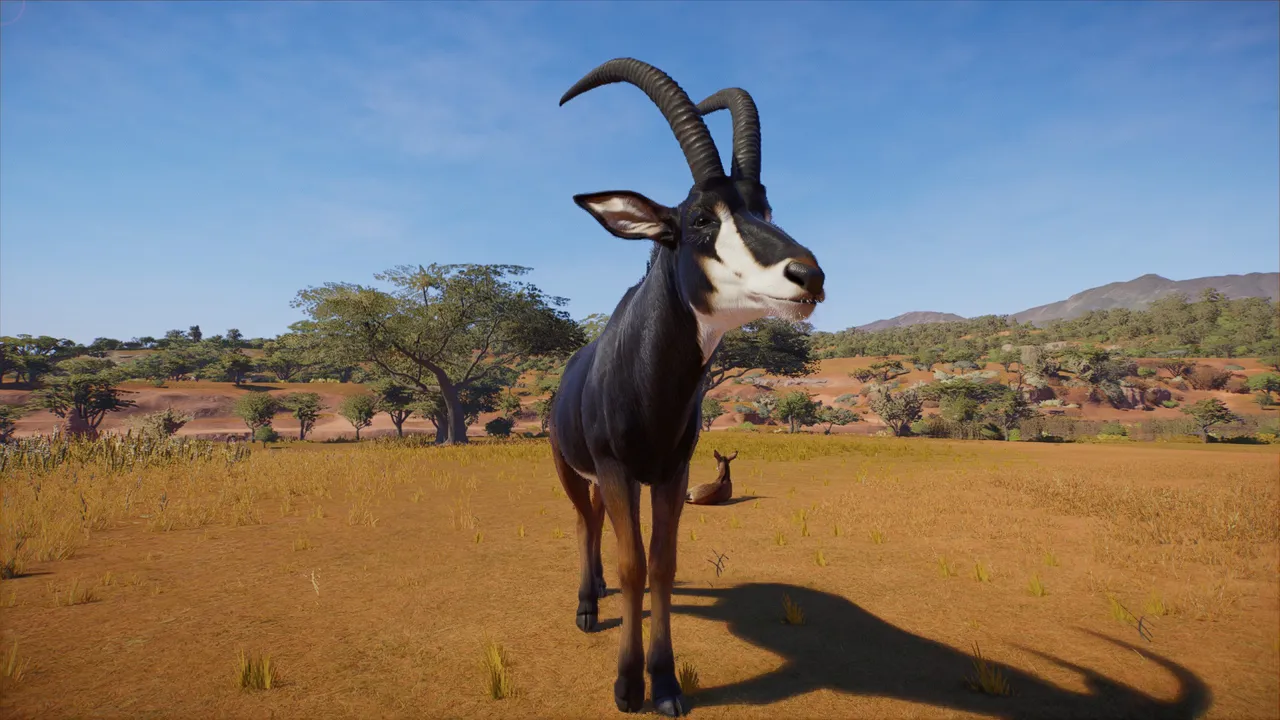
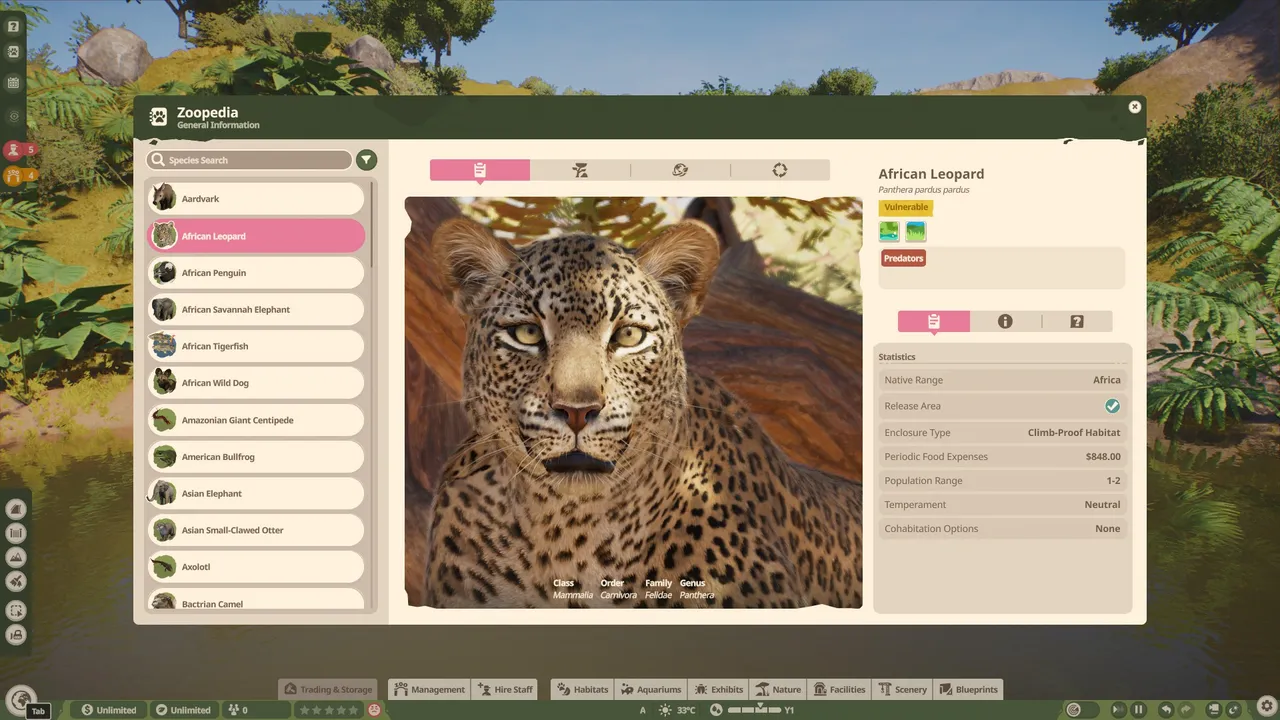
The overall selection is larger than the original’s base game, but aquarium species and flying birds account for much of that increase. More than 30 animals from the original base game haven’t returned, including cheetahs, grizzly bears, okapis, bonobos, mandrills and American bison.
Cheetahs were my favourite animal to build for in the first game, and I’d planned a savannah around them before finding out they weren’t in, so their absence stings. But the roster decides what kinds of zoos you can build, especially if you like building around a region or group of species. Aquariums and aviaries add new ways to house animals, but they can’t fill gaps in the species list.
Wildlife Reserves
In the first Planet Zoo, I kept trying to build big, natural habitats that looked more like wild landscapes than zoo enclosures. Wildlife Reserves take that idea a step further, and the focus is entirely on restoring the land. Career Mode even starts you off driving around and photographing animals before you’ve built anything.
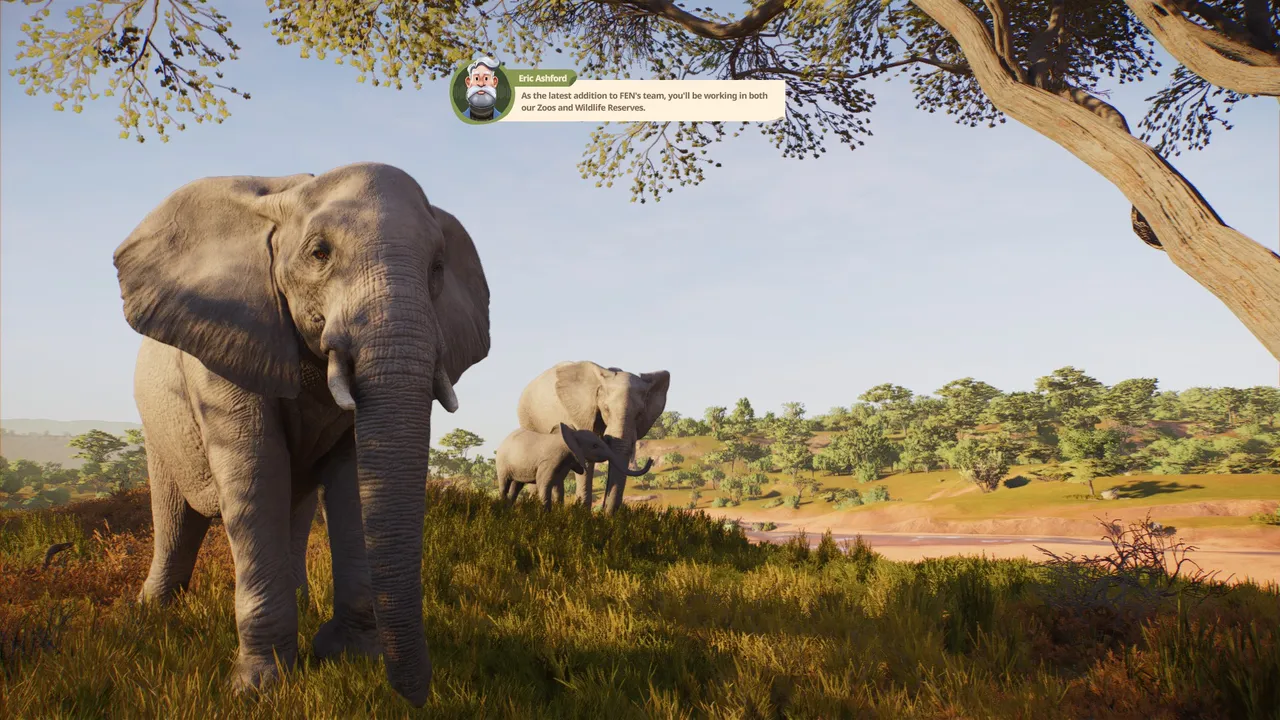
Restoring a reserve means getting the conditions right for its wildlife. You need the right plants and enough water for the species living there, and as you get those in place, the landscape gradually recovers. The objectives make the terrain work matter, which is a nice change from the usual build-an-enclosure-and-move-on routine.
Reserves also tie into your zoos. You can’t release animals straight from your zoo. First, you need to breed them and put together a Release Group for that species, and some groups require extra research. Each species plays a part in the reserve, whether it’s grazing, spreading seeds or serving as prey, so you need to consider what the ecosystem is missing before deciding which animals to release. In Planet Zoo, releasing an animal just meant removing it from your zoo. Here, you can follow its journey into a new ecosystem and see how it contributes to the reserve’s Biodiversity Rating.
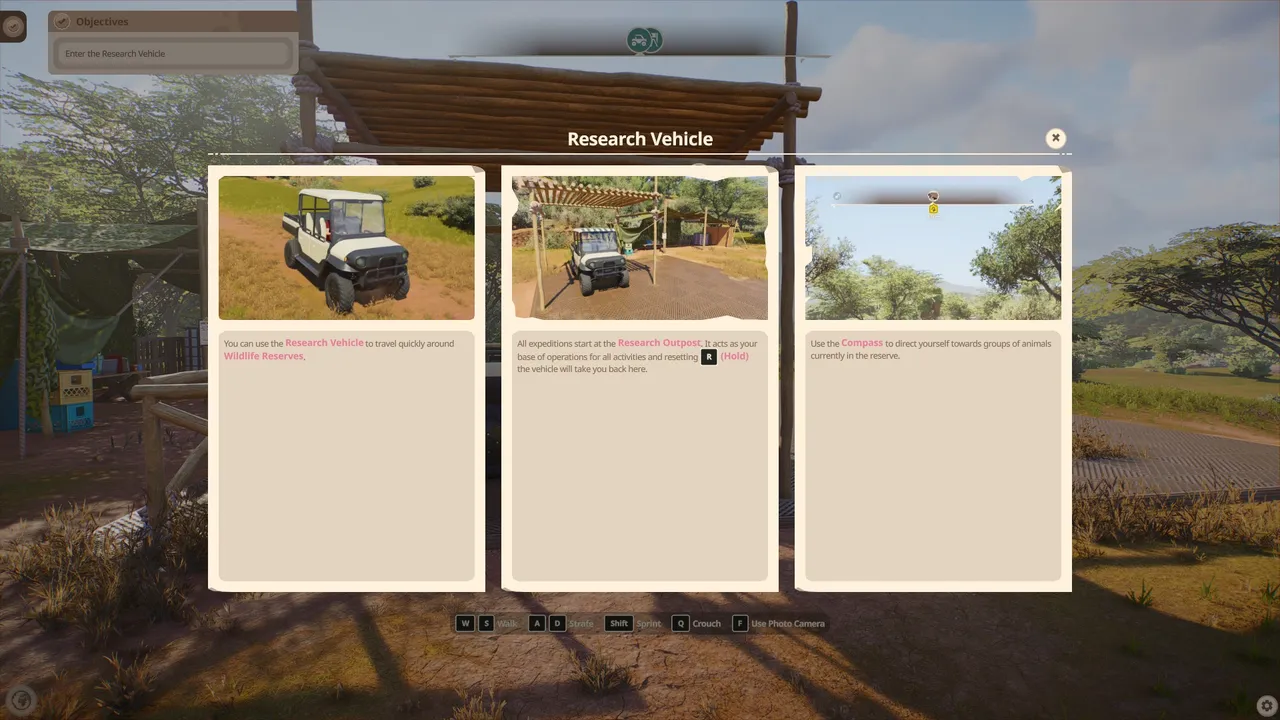
You can also drive around to observe and photograph wildlife, and it’s a good excuse to look at the landscape for a change. The car stops automatically before hitting an animal, which, given my driving, is probably for the best. It’s a mode that’s just about the land itself, and I enjoyed it more than I expected.
Career Mode and management
I expected to spend most of my time in Sandbox, but Career Mode held my attention longer than I thought it would, and Sandbox ended up as the side dish. I mostly skipped Career in the first game, so I was surprised by how much I enjoyed the scenarios here. They’re detailed and lovely to work through, with each one offering a different zoo to get to grips with. Starting with a partly built zoo and specific goals also made it easier to learn the new tools than starting from an empty map.
Beyond that, zoo management is largely unchanged from the first game. You still hire keepers, vets, mechanics and educators, run research centres, set entrance fees and keep an eye on guests’ hunger, thirst and energy. If you knew how to run a zoo in Planet Zoo, you’ll feel at home here. The main addition to animal welfare is the new Thriving state, which sits above simply meeting an animal’s basic needs. Guest management has had some useful improvements, too. Heatmaps show where needs such as thirst, energy and education aren’t being met, while guest thoughts give you a clearer idea of what visitors like and what they’re complaining about.
A couple of ''smaller'' changes are welcome as well. Some guests avoid ingredients such as sugar or wheat, so you need a broader food selection than a few burger stands. Staff buildings no longer upset guests just because they can see them, either, which means you can stop hiding every facility behind a wall of rocks.
Final thoughts
Planet Zoo 2 feels like Frontier listened to the people who spent years wrestling with the first game. The things that used to be a chore now take far less effort, and that leaves more room for the part I actually love: making a habitat look and feel right.
It isn’t the complete package yet. The land roster is thinner than it should be, and some of the zoos I’d want to build simply aren’t possible. I’d expect plenty of the missing species to return in DLC eventually, but it’s a bit sad to see them gone from the base game. If you’re buying for a particular land animal, check it made the cut. If you love designing habitats, this is an easy recommendation.
The Good
 Scenery resizing and recolouring make every piece far more versatile
- Foliage brush and path tools cut out a lot of repetitive placement
- Amazing aquariums and aviaries with a strong animal selection
- Detailed animal models, lighting and behaviour
- Wildlife Reserves offer a break from running a zoo and give animals somewhere to go
- Career Mode is a good way to learn the new systems
The Bad
 More than 30 species from the first game’s base roster are missing
- Occasional clipping between animals and structures
- Pop-in when zooming between close and wide views