Trending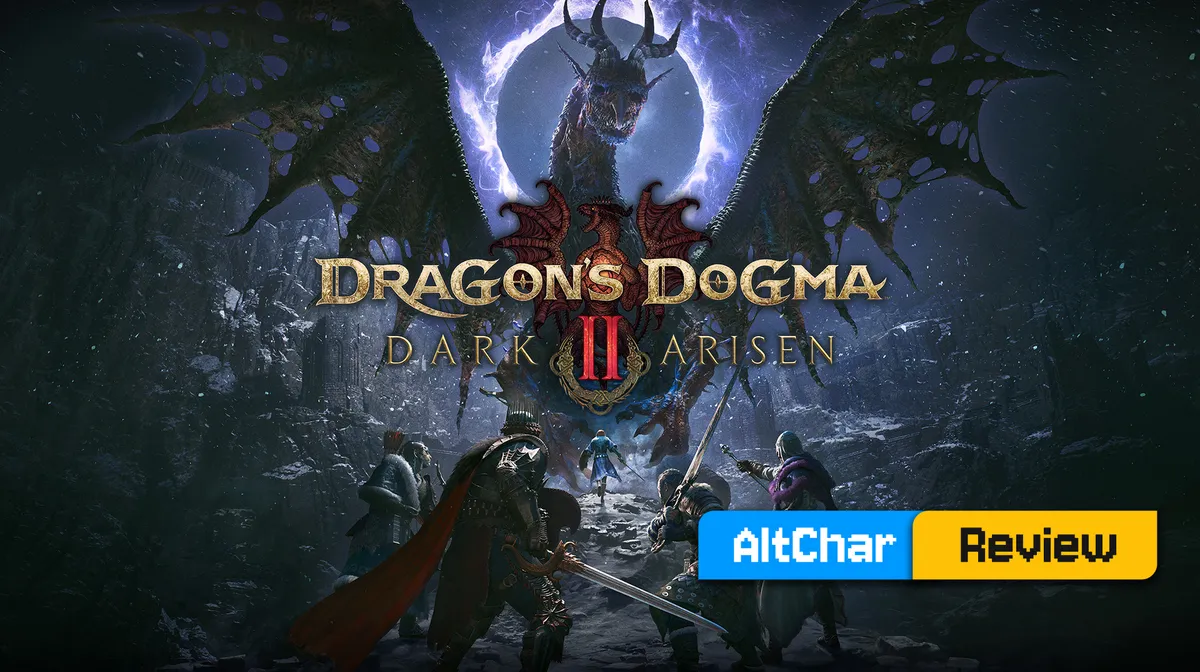
A man buys a lottery ticket and hits the jackpot. We call that dumb luck. He buys another and wins again. Pure coincidence. When he wins a third time, it is no longer luck or coincidence, my friend. It's a habit.
Capcom's 2026 has followed the same pattern. Resident Evil Requiem arrived in February and, as everyone expected, became a strong GOTY contender. Less than two months later, Pragmata followed and was as good as Requiem, and in September, Onimusha: Way of the Sword joined them as a third contender. Luck, coincidence or habit? Draw your own conclusion, but Capcom need to chill out before they make every other developer look sub-par.
Jokes aside, Capcom clearly have no intention of slowing down. Riding this wave, it set out to breathe new life into the game that hurt its reputation the most two years ago: Dragon's Dogma 2. And believe it or not, they did it with Dark Arisen, an expansion that is far more than a simple DLC.
A Story That Finally Lands
I reviewed Dragon's Dogma 2 two years ago, and although the game had plenty of technical problems, especially around launch, I recognised its unprecedented quality even then and awarded it a very generous score. You can read that review here.
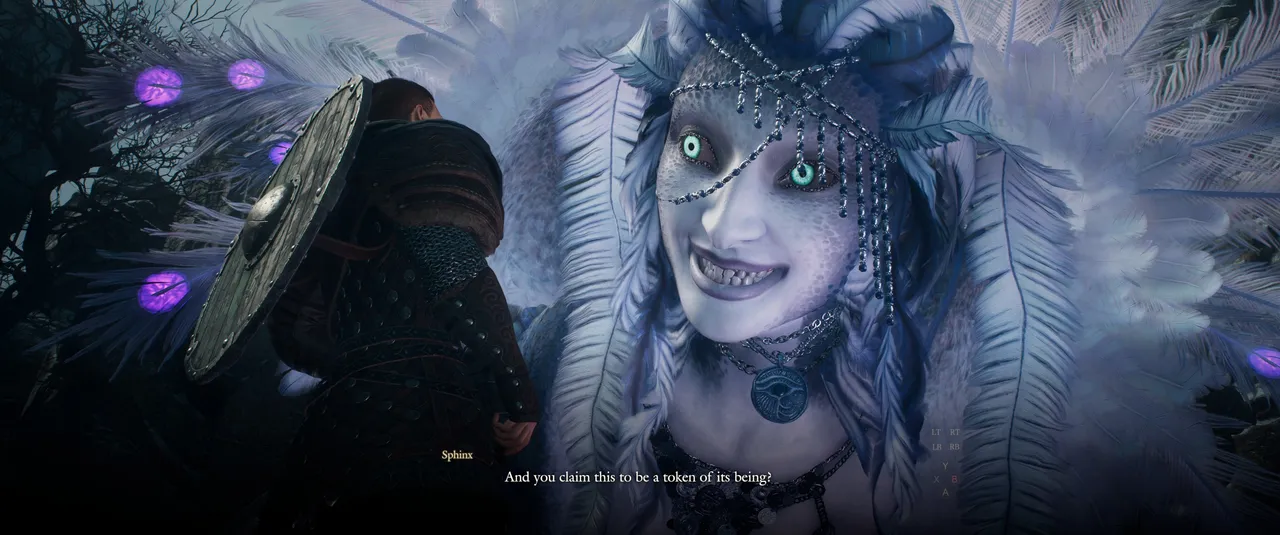
To be honest, the base game's story was far from the best ever told, but it held its own. Dark Arisen raises the bar considerably, because its story is, simply put, excellent. Better still, both the story and the expansion itself are seamlessly integrated into the base game.
Anyone who played the base game knows that Captain Brant is one of its central characters and hands out a large share of its quests. He spends his nights at the inn in Vernworth, and once the expansion is installed, he has two new topics to discuss with you. Pick them, and you'll be sent on a questline that leads to a new region in the northern part of the map called Norgan.
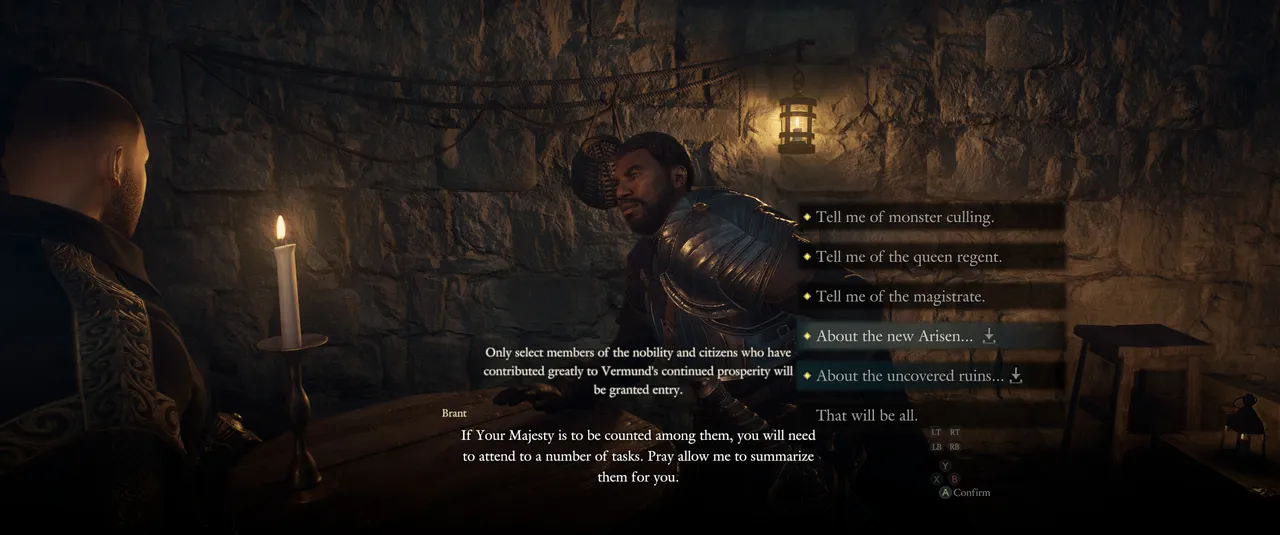
A new Arisen has appeared in this region, and since only one Arisen can exist at any given time, you, being the Arisen yourself, simply have to go up there and find out what's going on. In Norgan, you'll meet new characters and follow a brand-new storyline, but most importantly, you'll experience a new approach to storytelling that is miles ahead of the base game's.
The story is fed to you in just the right doses. Every quest reveals something new, all the way to the end, and the side quests are fully woven into the expansion's storyline, so the game constantly motivates you to take on side content rather than simply pushing through the main questline.
I said earlier that Dark Arisen is far more than a simple DLC, and the main reason is its length. The game doesn't track the expansion's playtime separately, but I know I had around 50 hours on the clock in the base game, with the main story finished, some side content done and a fair bit of experimenting with vocations. By the time the expansion's credits rolled, I was at 130 hours, which means I spent roughly 80 hours in Dark Arisen alone, far more than in the base game. Norgan's map is smaller, yes, but it packs in much more content.
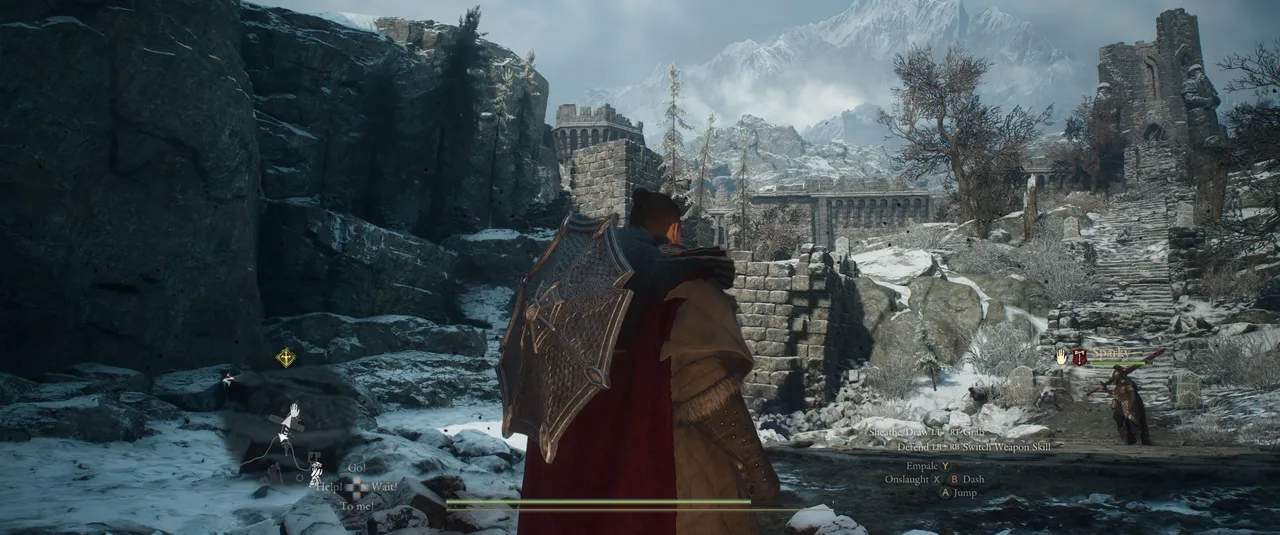
And it isn't only about length. The story is more impactful, hits much harder and is a real emotional rollercoaster. The improvement over the base game shows everywhere: in the quality of the storytelling, in how involved the characters are, and in more serious, more realistic character design, all of which elevate the story to a new level. All in all, Capcom did something special with Dark Arisen, delivering the story the base game should have had and bringing it in line with the studio's high 2026 standards.
Relics of the North
Norgan can only be reached through fast travel, as your first trip there happens by rather unconventional means. This restriction only applies the first time, though, and afterwards you can switch between regions with ease. Fast travel in the base game was quite limited: you had to find portcrystals or place your own, then spend scarce ferrystones to teleport to them. In Dark Arisen, the game hands you an unlimited ferrystone straight away, along with far more fixed portcrystals and more ways to place your own.
The combat system, vocations included, stays exactly the same, with no significant changes. If you're not a die-hard Dragon's Dogma fan, that means a lot of adjusting. The lack of lock-on works fine once it clicks, but getting used to it will take time.
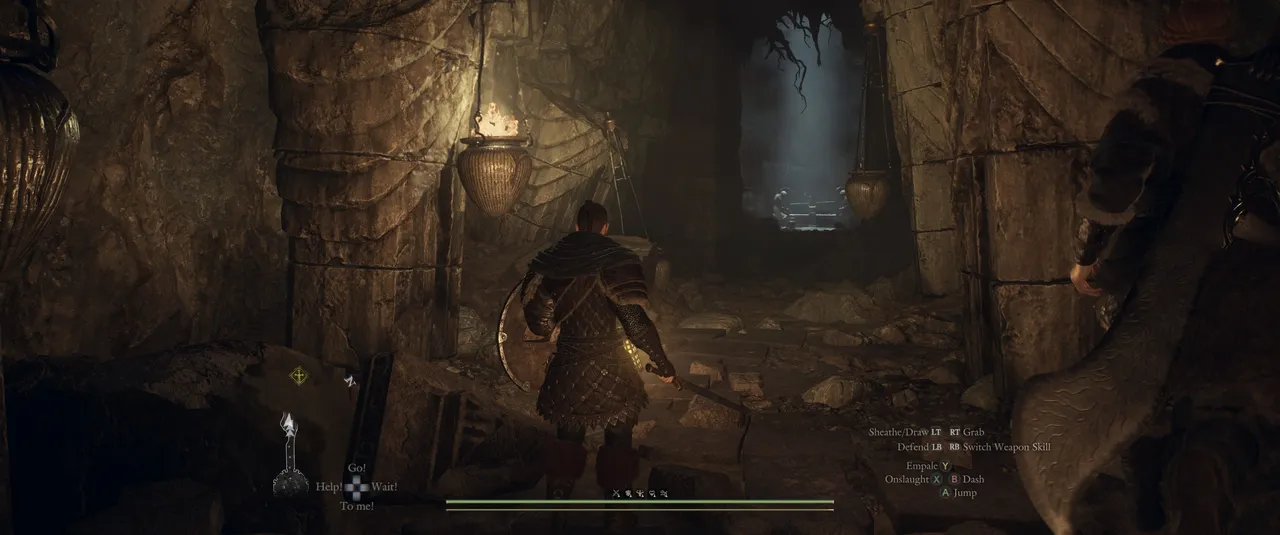
One thing I really liked is the huge difficulty spike the moment you enter Norgan. I played the expansion in NG+ (you can also start a new game, but either way, you'll need to level up considerably to handle what the north throws at you). I arrived in Norgan at level 50, and even the weakest mobs obliterated me constantly. To stand a chance, I had to level up, and I could only do that in Norgan, because nothing on the base map gave me enough XP. My first few hours up north were a nightmare, but little by little, I grew stronger, and the game became far more manageable.
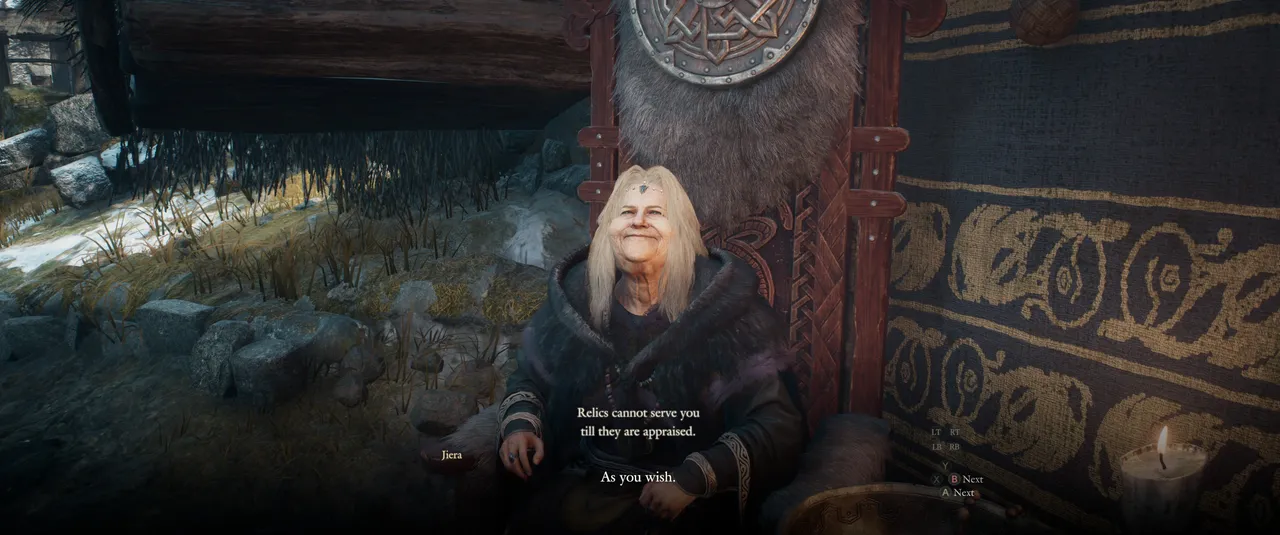
The expansion also brings its own mechanics, and by far the most important one is relic appraisal. As you explore and kill enemies, you collect relics, which an NPC has to appraise. The system is useful and engaging in equal measure. Useful, because relics weigh next to nothing and you can carry a huge number of them before becoming encumbered. Engaging, because every appraisal is a roll of the dice: you never know what gear you'll get, and sometimes it's excellent.
Unlike in the base game, this gear can't be upgraded, but you can craft new pieces at the blacksmith, and relics keep you supplied with materials. Crafting is a great way to boost the Arisen's stats, but sometimes you'll spend valuable resources on a new piece, only for the next appraisal to hand you something better. This constantly forces you to think about how you invest your money and resources.
Enemies are designed in a northern style (Viking style, if you had any doubts), while the bosses are mostly familiar, with a few new additions in the final third. Thanks to the raised difficulty, they'll give you real headaches, and some are formidable enough to demand serious effort.
What I hoped the developers would change, but they didn't, is the design of some boss fights. You'll still win more because you're better equipped and higher level than the boss, not because of your skill. You'll still be stunned or knocked down far too easily, and the Arisen's painfully slow get-up animations will kill you more often than anything else in the game.
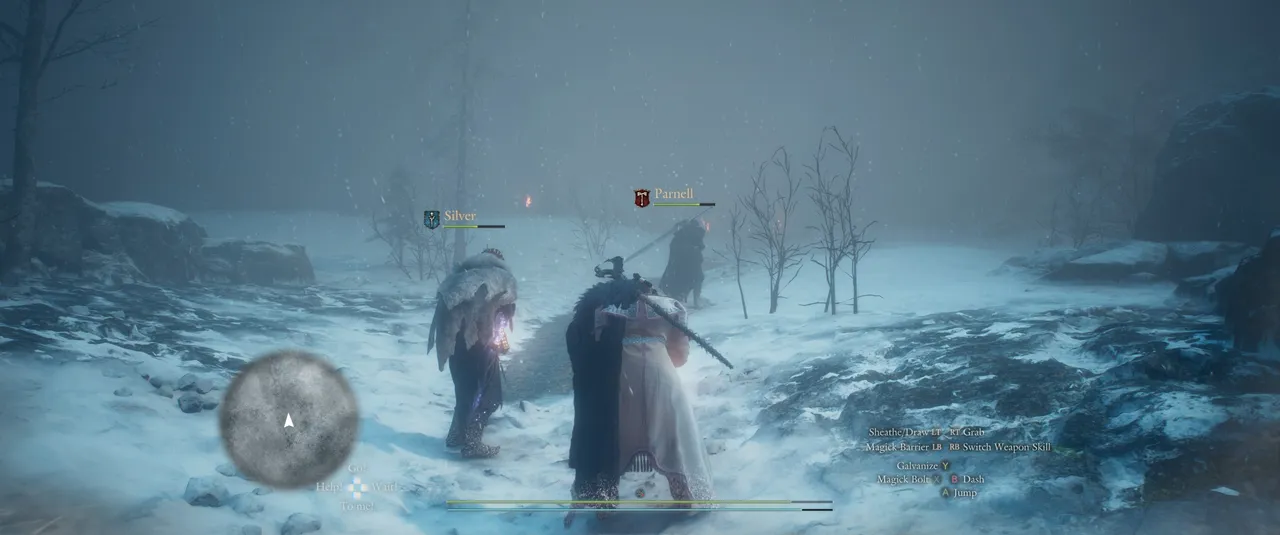
The north brings snow, and the snow brings a new status ailment: freeze. You'll also be caught in blizzards that disable the minimap, leave your pawns unable to guide you and steadily drain your stamina, which makes them a real challenge. In short, the expansion adds enough new ideas to keep the gameplay fresh while staying grounded enough to remind you that this is still Dragon's Dogma 2, just far better optimised and designed than the base game.
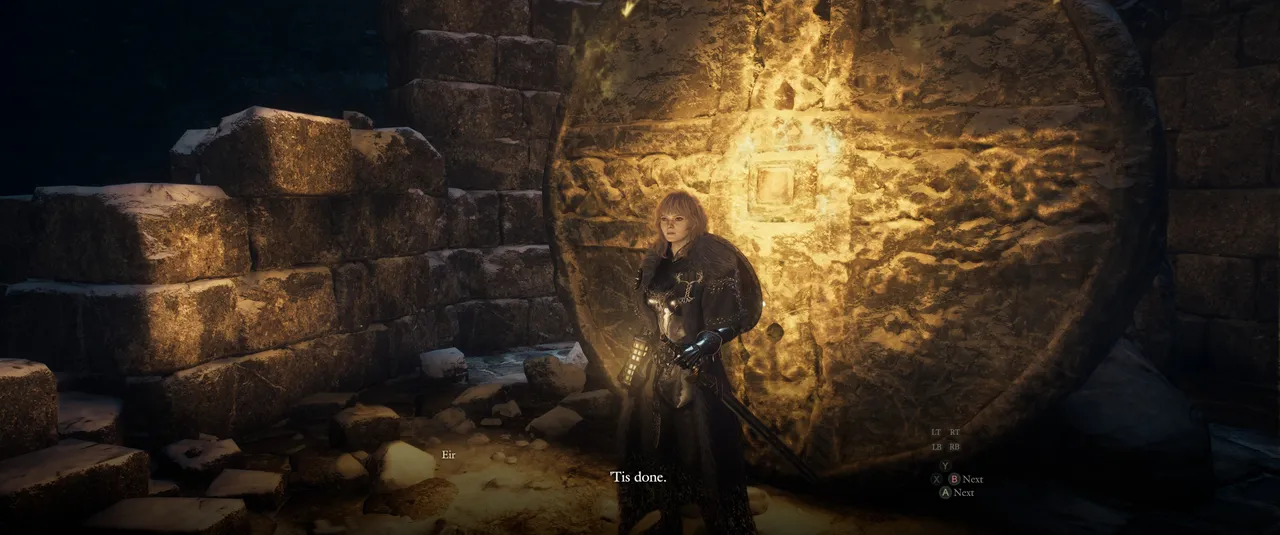
Dark Arisen also adds 12 new dungeons, the Lost Rites, scattered across the base game's world. In them, you can tackle new bosses and creatures and earn rare gear once wielded by past Arisen, along with rewards you'll use up north to upgrade your vocations.
I won't say much about the post-credits content to avoid spoilers, but there is plenty of it. Once you finish the expansion, there's an enormous amount left to do, and the way it's structured is brilliant.
A Different Game Entirely
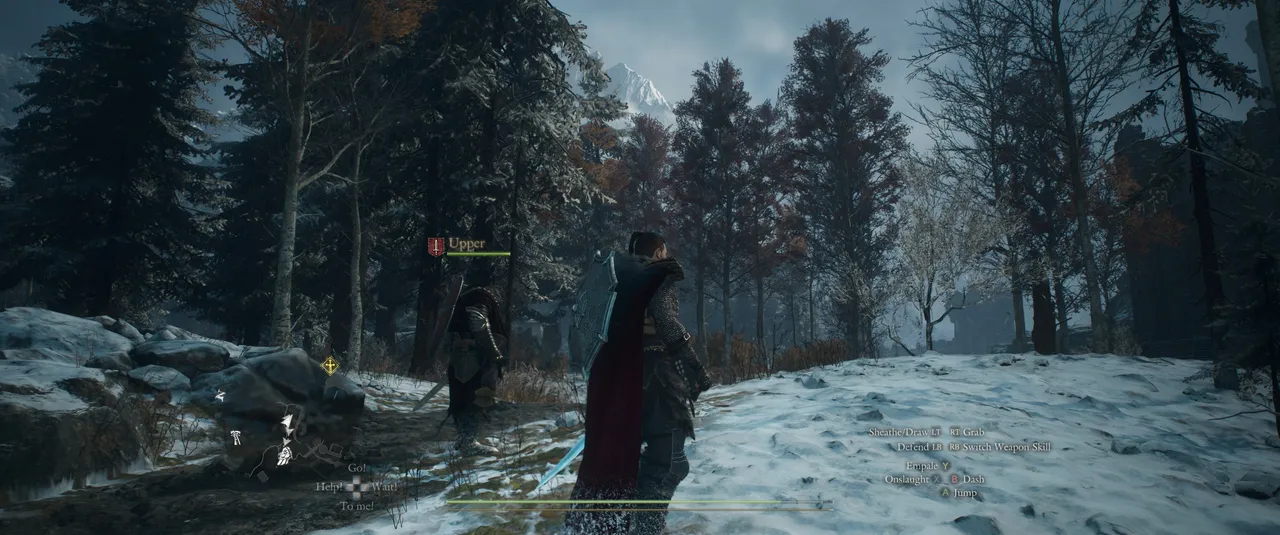
Visuals received the biggest overhaul of all. The expansion looks so much better that it and the base game feel like two separate games. The environments, from open areas to dungeons, are stunning, and the wild weather, from snowstorms to heavy rain, is depicted superbly.
The biggest leap, however, is in character design. NPCs and named characters look so good I could hardly believe my eyes, and the difference from the base game is immense. It's not just a matter of new technology, either; they're simply designed better and with more care. Fast travel south, talk to the base game's characters in the same session, and you'll spot the difference immediately.
Performance has been ironed out completely, and the game is finally in the state it always should have been. My PC has received some upgrades over the past two years, sure, but the problems I had back then, from overly blurry visuals and a very poor DLSS implementation to constant crashes, came down to bad optimisation rather than hardware. I'm happy to report that those days are over. Capcom's free 3.2 update in late August improved performance across all platforms, so the base game benefits as well, and Dragon's Dogma 2 now feels like a completely new game.
As for the sound design, nothing has changed, so if you're interested in the details, head over to our Dragon's Dogma 2 review.
Conclusion
Dark Arisen is what Dragon's Dogma 2 should have been from day one. Its story is miles ahead of the base game's; Norgan packs around 80 hours of content into a smaller map, relic appraisals turn every expedition into a gamble worth taking, and the game finally runs the way it always should have.
The combat's old habits are still here, though. Bosses still fall to better gear and higher levels rather than skill, the get-up animations will still kill you more often than any enemy, and anyone who isn't a die-hard fan will need time to adjust to the lack of lock-on. None of that stops Dark Arisen from earning its famous name and standing comfortably alongside the expansion that defined the first game.
Four releases, four contenders. At this point, Capcom, it's definitely a habit.
The Good
 Gripping, emotional story
- Around 80 hours of content
- Fully integrated side quests
- Punishing difficulty spike
- Addictive relic appraisals
- Much better fast travel
- Huge visual leap
- Performance finally fixed
- Generous post-credits content
The Bad
 Boss fights still stat checks
- Frequent stuns, slow get-ups