Trending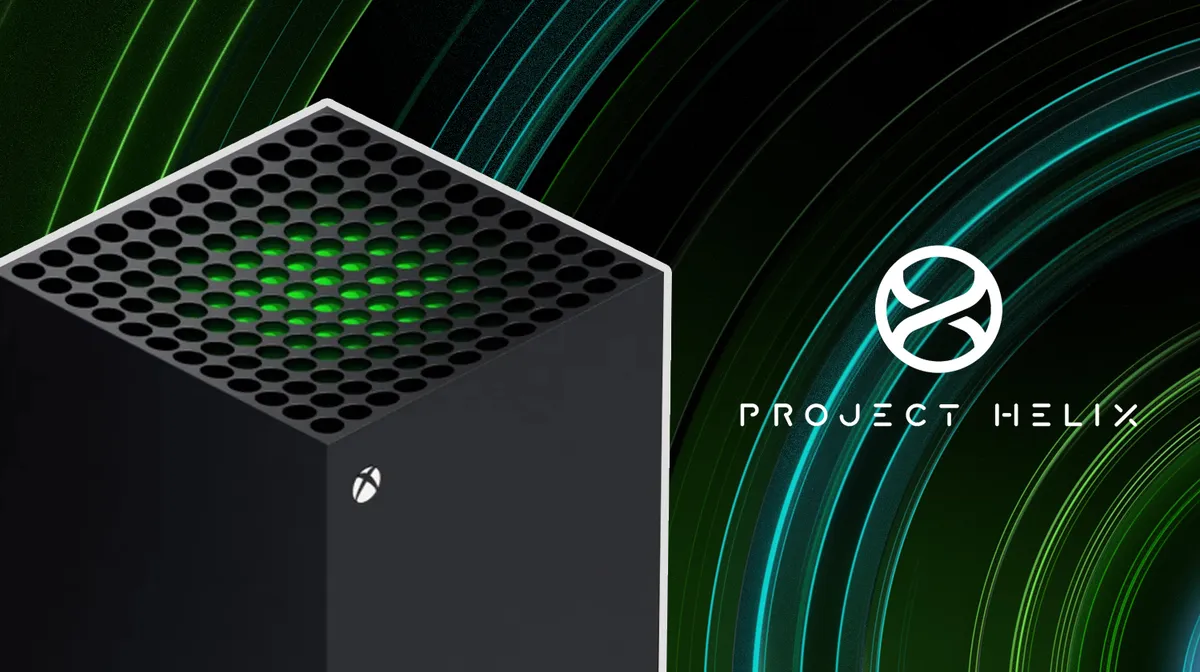

At their "Building for the Future with Xbox" GDC 2026 session, Xbox VP of Next Generation Jason Ronald shared the first concrete technical details about Project Helix, the next-gen console that Microsoft Gaming CEO Asha Sharma officially named last week. The picture that emerges is of a machine built squarely around AI-powered rendering, path tracing, and a unified ~ Xbox and PC gaming experience.
Custom AMD SoC with massive RT performance boost
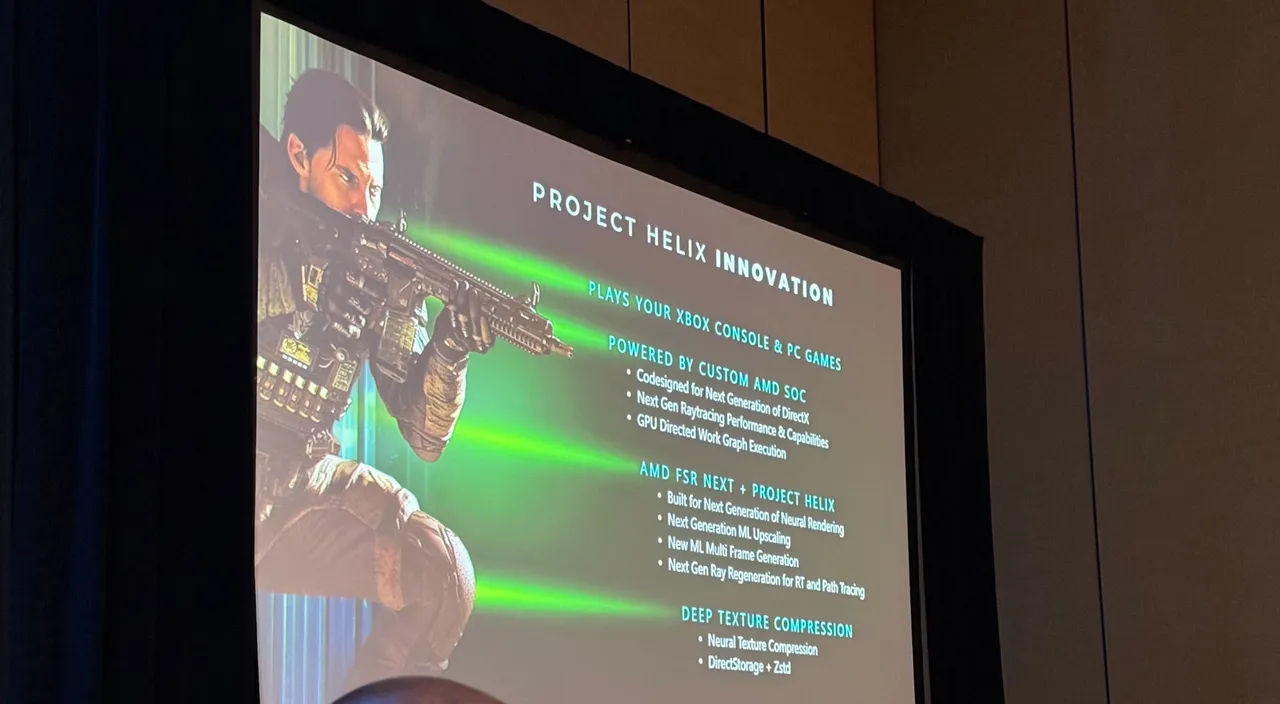
Project Helix will be powered by a custom AMD SoC, co-designed specifically for the next generation of DirectX. That last point matters beyond just the console itself, as DirectX improvements have a direct knock-on effect for PC gaming too. The chip also brings a massive increase in ray tracing performance over the current generation, alongside GPU Directed Work Graph Execution, a low-level feature that gives developers far more direct control over how the GPU schedules and executes work.
Next-gen upscaling and frame generation
AMD FSR Diamond is confirmed for Project Helix, and it represents a meaningful leap beyond what FSR currently offers on Xbox Series hardware. The console will ship with next-generation ML upscaling, ML Multi Frame Generation, and Ray Regeneration, an ML-powered real-time denoiser designed specifically to enhance ray-traced visuals by cleaning up noise and improving image stability, which is one of the biggest issues plaguing image quality in RT games nowadays.
It's worth mentioning that these are not features that exist in AMD's current public roadmap, which means Project Helix will be the first platform to run them.
Path tracing and neural rendering
Project Helix is confirmed capable of running full path tracing, the gold standard of real-time lighting simulation that until now has been the exclusive territory of high-end gaming PCs. Combined with neural rendering support and Neural Texture Compression, it's a console that certainly looks powerful (and expensive) on paper.
A unified development platform
Ronald confirmed that PC is becoming an increasingly important part of Xbox, and that Xbox Mode will be coming to Windows 11 in select markets starting in April. The development model shown at GDC confirms a unified platform spanning Project Helix, PC, handheld, and cloud, all running through a single unified GDK. Alpha development kits will begin shipping to studios in 2027, which gives us a rough idea on when to expect this console - probably 2028.

On the strength of what was shown today, Project Helix looks like a genuine generational step rather than an incremental one. Whether the final product delivers on the promise remains to be seen, but the technical ambition is considerable.