Trending
Riot Games came under fire recently as their forced arbitration habits surfaced when two employees tried to sue the company.
For those unfamiliar with the term, forced arbitration means that any employee or contractor that signs a contract with Riot Games waives their right to sue, participate in a class action lawsuit or appeal. In short - they don't get to tell on the company.
The controversy came to a boil as more employees poured in with similar troubles at the company, none of whom could sue or hope to resolve their issues in any way other than internally. These events culminated on 7 May 2019 when around 150 employees walked out to Riot Games Los Angeles parking lot with picket signs, hoping something would change.
The situation is reminiscent of the Google walkout when over 20,000 people did the same, except this is on a smaller scale for the moment. According to Jocelyn Monahan, the social listening strategist at Riot Games, the walkout was fairly successful.
She also stated that League of Legends developer will have until 16 May 2019 to come up with a solution, which is the date of the next Riot Unplugged meeting. Otherwise, further action will be taken but no one confirmed whether it would be another walkout or a different kind of protest.
Later on, Kotaku that another organiser of the protests, Indu Reddy, stated the employees have a plan of further action and the days ahead will serve to further develop them.
Reddy also said that internal retaliation is a concern among those who walked out, even though the leadership at Riot Games is adamant nothing of the sort will happen. Still, Riot Games is not a small indie company and there are many layers of hierarchy between those on the ground and the upper management.
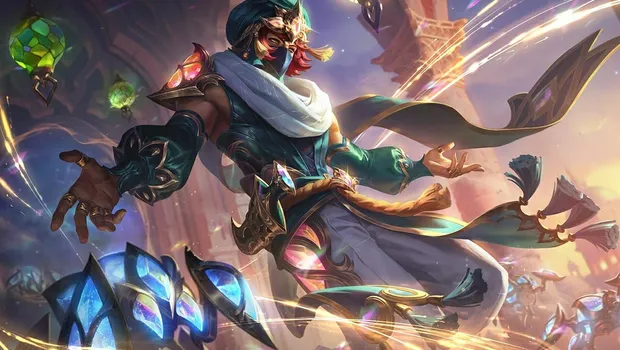
League of Legends - showcase of several champion splash arts