Trending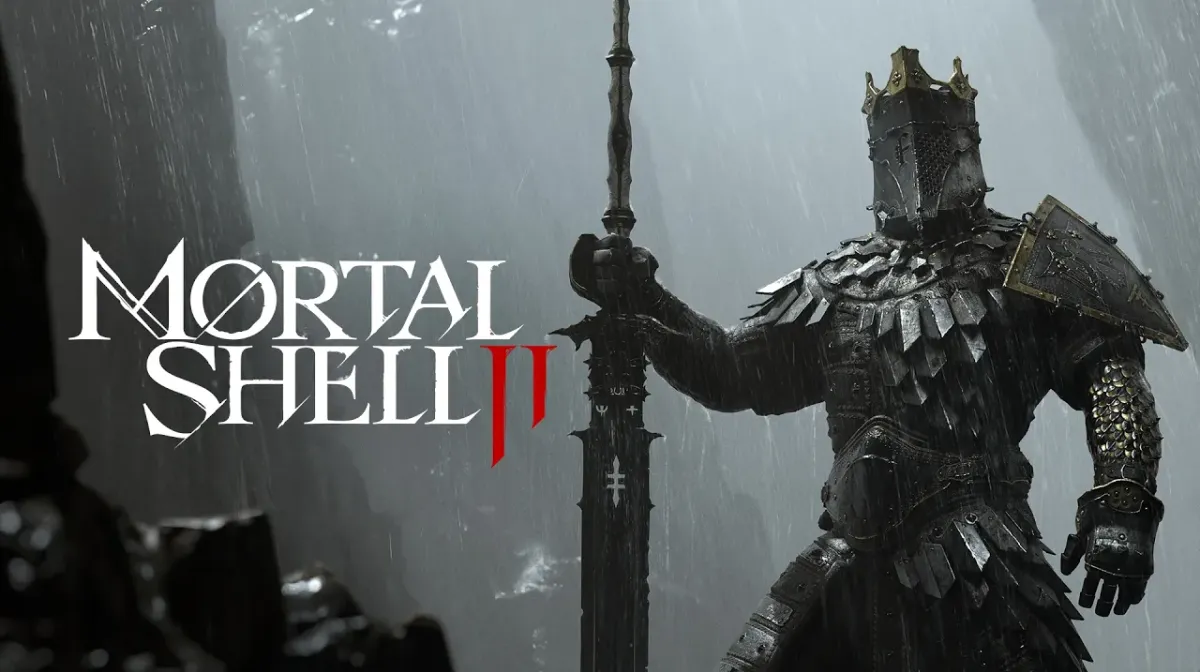
Mortal Shell 2 is truly a soulslike that earns every bit of the hype building around it. I never played the original, and everything I knew about it came from friends who said the ideas were good but the execution wasn't quite there. So I went in a little skeptical. That skepticism didn't last long.
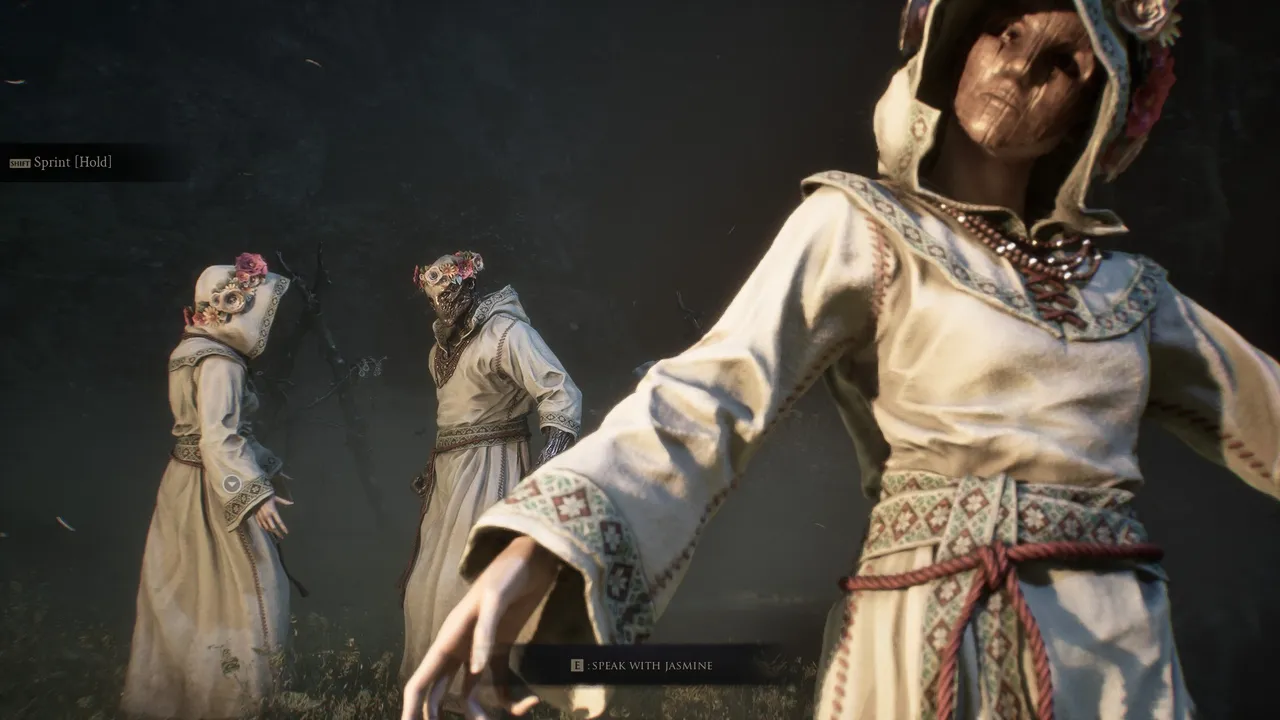
A ritual kicks things off before you're introduced to your first Shell, Harros, your starting archetype. You're playing as Lavender, the Harbinger, sent into the Undermether to reclaim the Blessed Mether's stolen Ova. It's a strong hook, the atmosphere is there from the first few minutes, and the story is interesting throughout. After taking my time with it, there's very little to complain about.
What I thoroughly enjoyed is how much freedom the game gives players to figure things out for themselves. The world rewards exploring for its own sake, and the upgrade systems offer enough variety to keep things interesting.
The map keeps pulling you in
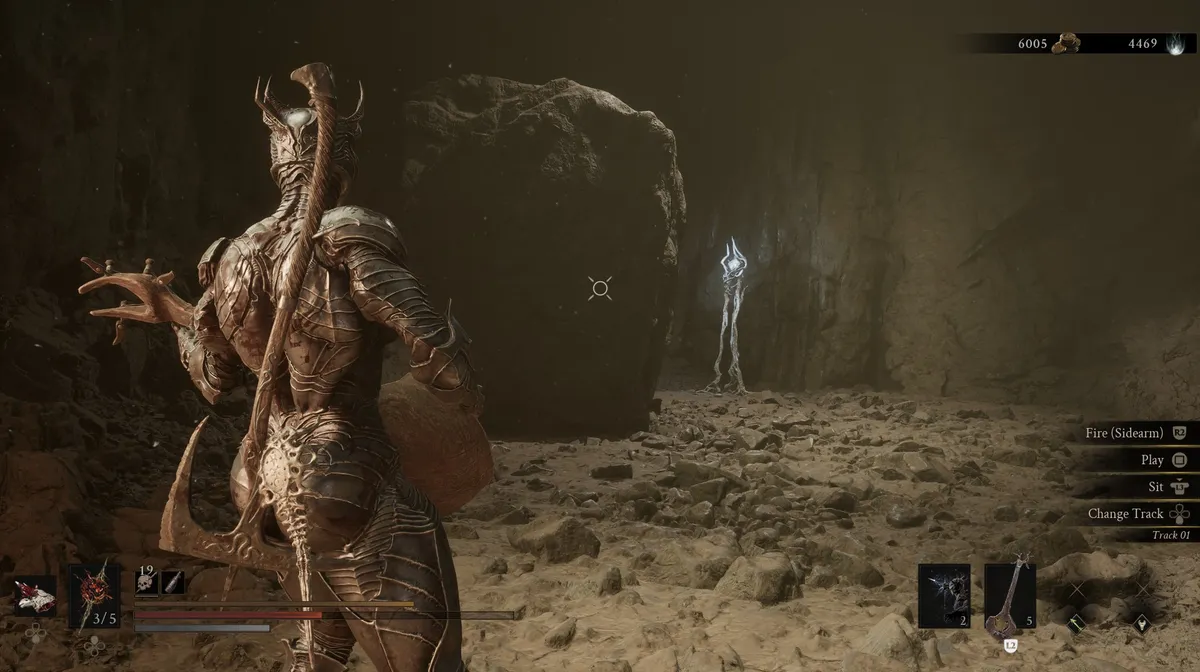
Exploration lives or dies on whether a game makes you want to wander, and makes the journey feel worthwhile when you do. Mortal Shell 2 gets that right. The world is open and interconnected, but you're rarely crossing dead space just to reach the next objective. Every area has its own identity, and more often than not there's something interesting on the horizon to chase instead of a marker to follow.
Verticality does a lot of the heavy lifting here. There's more going on above and below than expected, and climbing, dropping into hidden areas, and finding alternative routes gives exploration a nice physicality. More than once I stopped simply because the game opened up a view of the surrounding area, worth pausing for just to pick out details in the distance before deciding where to go next. Each area is distinct, filled with places worth exploring, good loot, or simply spots built for taking in the view.
How long you'll spend here depends a lot on how you play. Median completion sits around 30 hours, and the devs have seen playthroughs pushing past 60 chasing everything down - not hard to picture, since I'm already over 40 hours in myself.
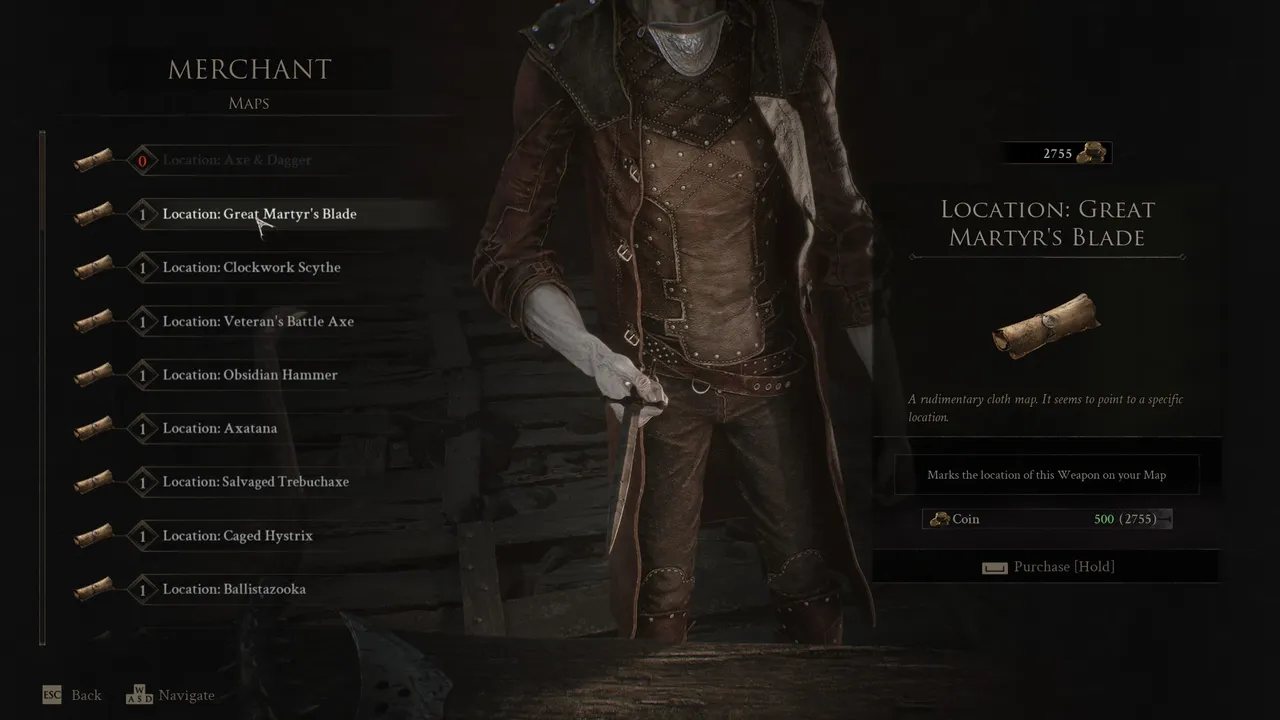
The game does give you a map to track things down, and it's there if needed, but most of what's worth finding turns up through exploring anyway. Having the option there without needing to lean on it is a nice balance.
Going back to the very name of the game, there are of course Shells scattered around the map, the main hook of the game and the foundation of its class system. Finding one isn't just about adding another piece of equipment; Shells completely change how you approach combat, while their memories give a narrative reason to seek them out and uncover their story. The same goes for the rest of the map. Weapons, sidearms, upgrade materials, and other secrets are tucked away off the main routes, and the dungeons scattered throughout provide combat-focused challenges, environmental puzzles, or valuable loot.
Mortal Shell 2 Screenshots

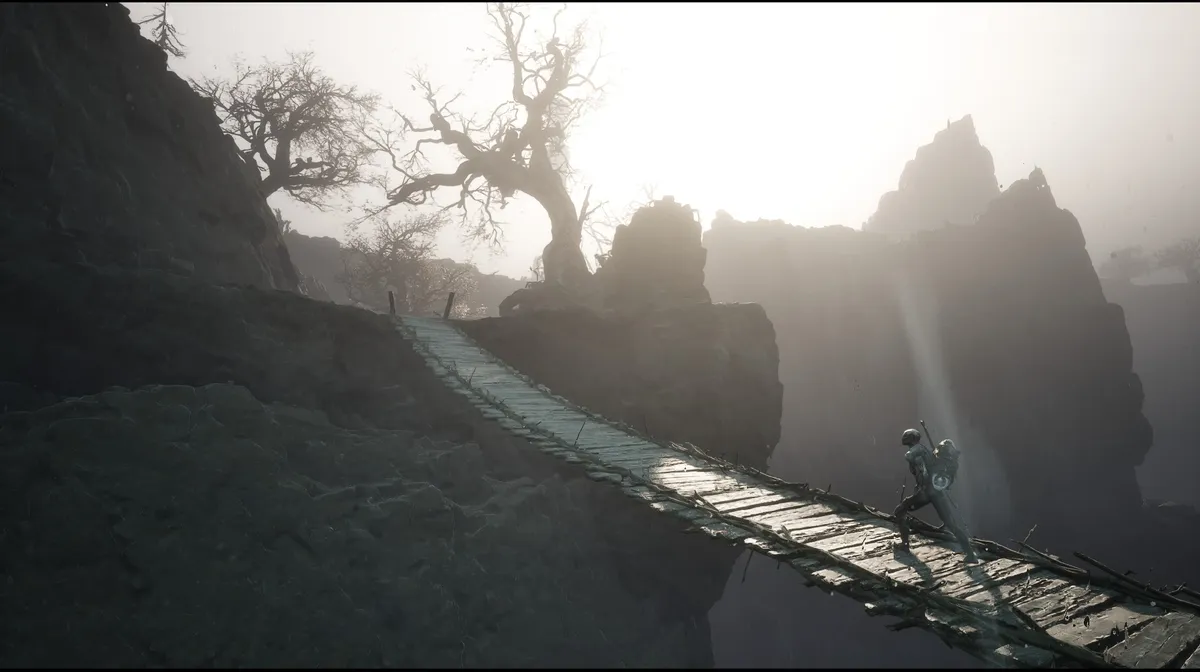
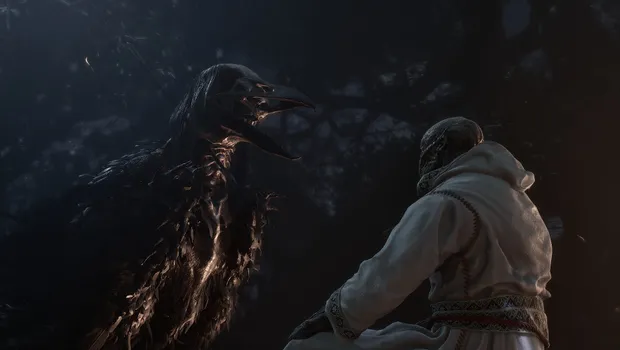
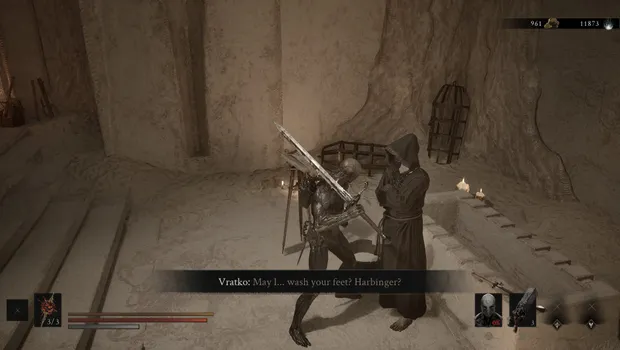
Mortal Shell 2 makes you want to explore rather than making you feel like you have to, and that's probably the biggest compliment to give to a game. Add in some great music and voice acting and the whole thing has a feel-good atmosphere to it. The camera has a small trick of its own during conversations, too - leave it alone for a few seconds while talking to an NPC, and it slowly drifts around to settle between you and them. It's a minor detail, but it gives dialogue a bit more weight.
Combat without the stamina tax
Mortal Shell 2 makes an interesting choice by removing the stamina bar altogether. Instead, combat puts the emphasis on positioning, dodging, and parrying, with a Resolve meter fueling abilities and sidearms. It makes the whole system snappier and more reactive, especially once the timing clicks, and the finisher/Riposte animations sell the impact of every fight.
Weapons are where a lot of the build variety lives outside of Shells. They're not minor variations on the same moveset, and can completely change how you approach a fight. The Axatana stands out as one of the best; heavier axe attacks and faster katana moves give it a lot of flexibility, and it's just satisfying to swing. The Black Needle spear sits close behind it, but the Axe and Dagger was the weapon I kept coming back to. Its moveset could use a bit more dagger in it, honestly, but it's got enough personality that I kept using it even when it wasn't the most compelling pick on paper.
As I usually do, I ended up building heavily around crit. Acolyte's Stone was my main Tarstone, letting the weapon perform a charged Light Attack that deals crit damage, while Arbiter's Prize provided the Blood Curse infusion, and Grudge Stone guaranteed critical hits. I filled the rest of my Tarstone setup with Auspicious Stone for melee crit chance, Marksman's/Deadeye Stone, Berserker's Stone, Retribution Stone, and Parasitic Stone. That's only a fraction of what's on offer. Factor in the Shells, their abilities and upgrade paths, and the full weapon and sidearm range, and there's a lot to experiment with.
Shells make you want to come back
The Shell system is probably the biggest reason to consider another playthrough. As you upgrade your Shells, you collect memories tied to each one, but you can't fully uncover all of them in a single run. Realistically, you can max out two or three Shells per playthrough, which means deciding who to actually invest in, both combat and story-wise.
Mortal Shell 2: Shells
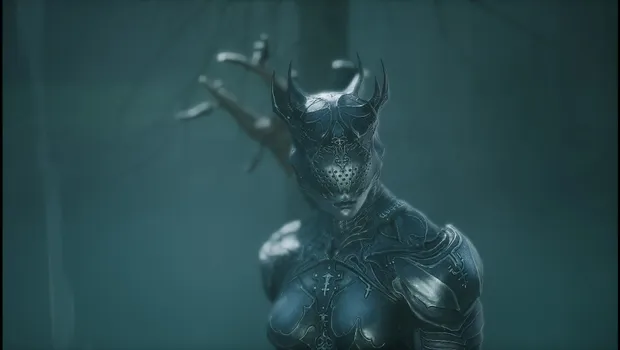
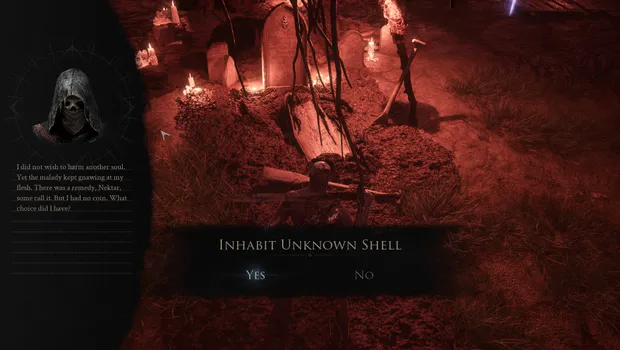
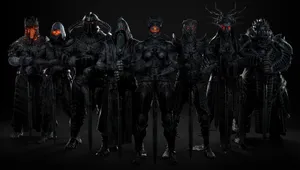
Tiel and Eredrim get the bulk of my attention here, along with Proxima early on, but Genessa and Smert are tempting enough on their own to justify a second playthrough. Shells can also be summoned during boss fights, though never the one currently in use - so if Tiel's the active Shell, he's off the table as a summon option even if he'd otherwise be available for that fight.
What stands out about the Shell roster is that they're not just different health bars, and the upgrade system is deliberate enough that investing in a Shell - or a weapon - feels like an actual choice. There are also different conversations each Shell has with NPCs at Marrow Keep, which are fun to dig up. Little details like Proxima being the only Shell who can pet the dog with Merrick are exactly the kind of thing that makes you curious about what else is hiding in there.
Mortal Shell 2 lets you turn into a sheep
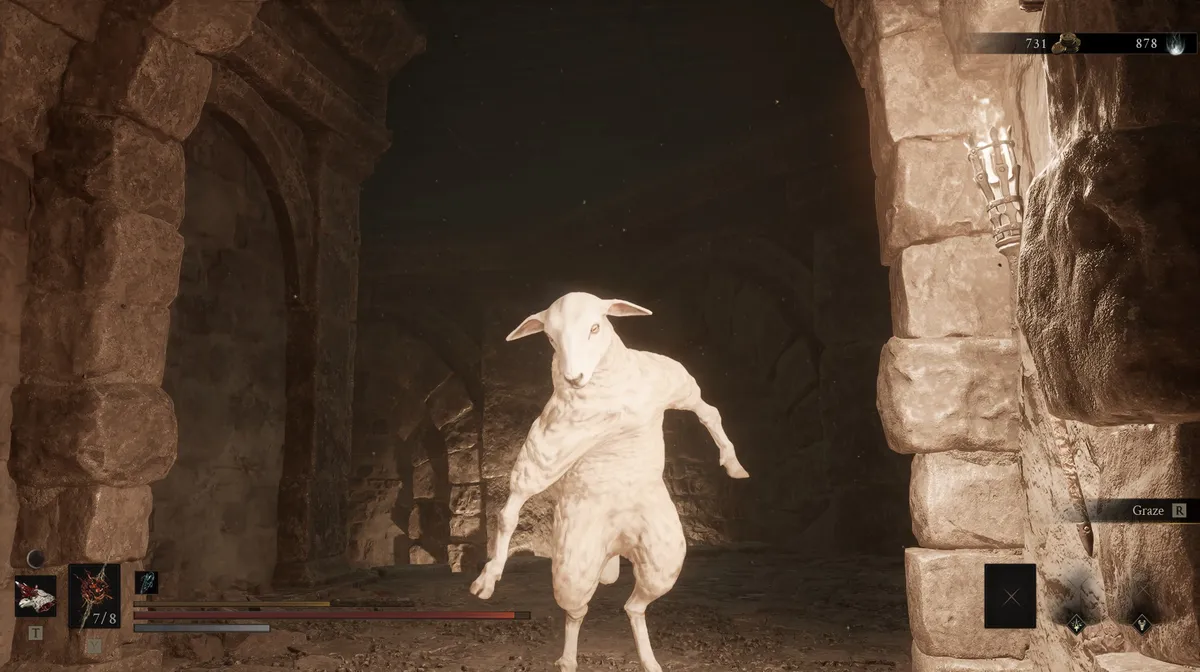
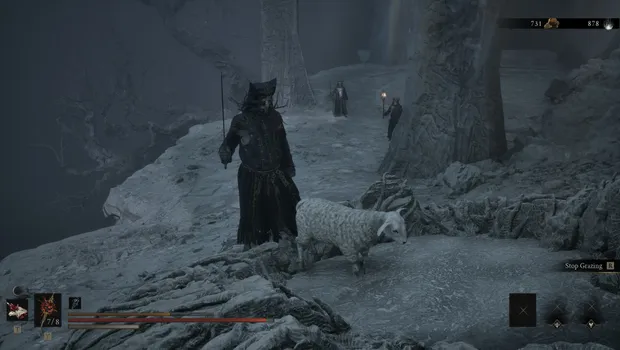
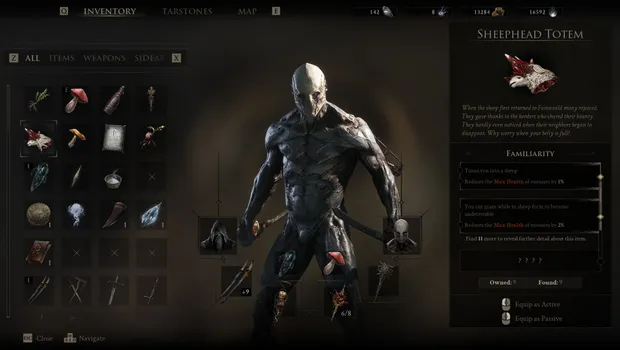
One of the stranger systems ends up being one of the most fun: you can transform into a sheep to fight and traverse the world. Once the sheep item is levelled enough, it unlocks Graze, which makes nearby enemies stop recognising you as a threat. Watching enemies casually ignore you because you're pretending to be livestock never really stops being funny.
Unhinged bosses
While I can't get into specifics on the later fights - the developers asked reviewers to hold back on the final boss and the final section - what I can say is the boss roster is generally well designed, and at times equally disturbing, with some being considerably more challenging than others. That variety extends to regular enemies too. There's a good range of enemy types throughout, and even when an idea gets reused in a different form, the game does enough with it that encounters rarely feel completely predictable.
Mortal Shell 2 Bosses
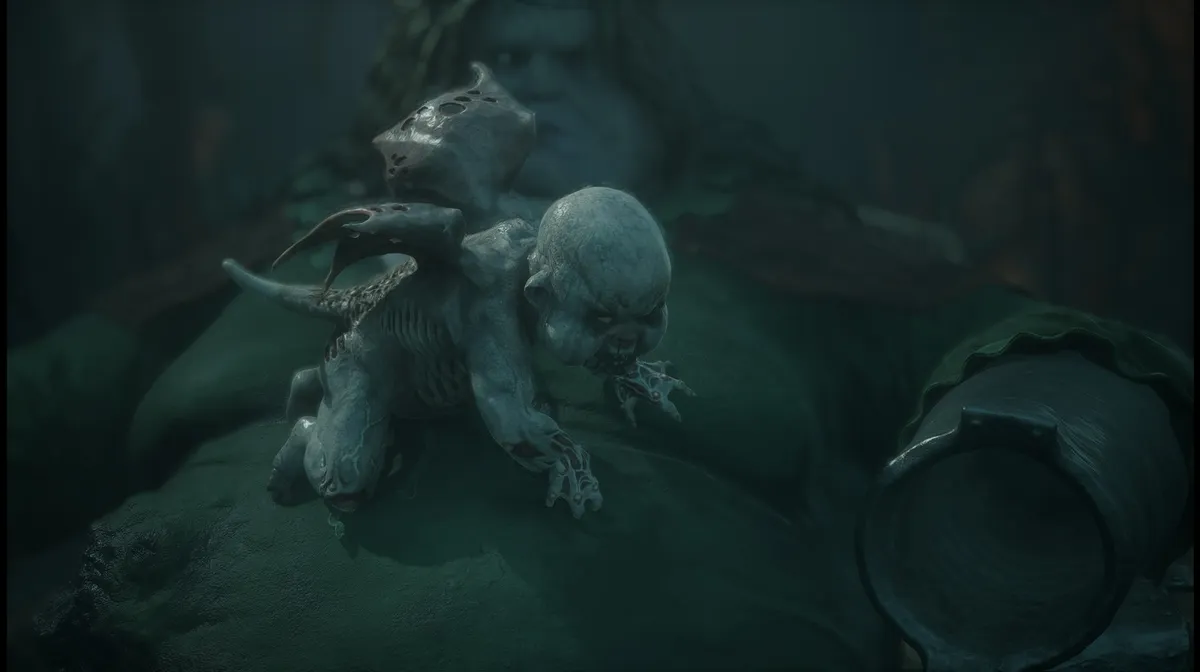
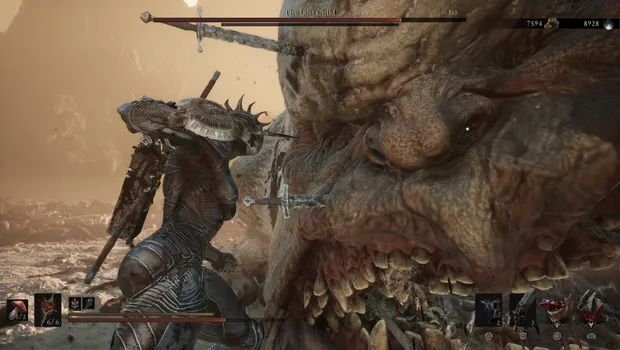
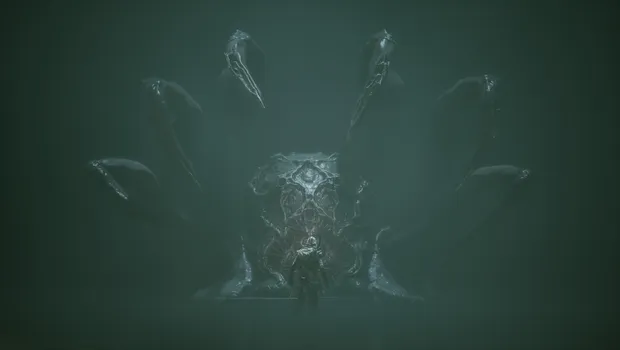
Mistakes get punished hard - you can get two-shot without much warning - but the fights themselves aren't hard to read. The challenge lands as fair overall, if a little punishing, but deaths rarely feel cheap.
Mortal Shell 2 also gives you real control over how much of that punishment you want. The Slayer Seal, picked up early in Marrow Keep, gives you a serious power boost if you're struggling, though it comes at a cost, cutting your playtime and locking you out of achievements. Night Mode goes the other way, cranking difficulty up alongside the rewards and unlocking content that doesn't exist during the day. Once you've finished the game, NG+ gives you the more traditional post-game challenge.
Performance holds up
Performance-wise, Mortal Shell 2 is in a really good spot - it looks good, and runs well, which isn't always a given. Playing across two PCs at 1080p put the sweet spot around High/Ultra, DLSS Quality, capped at 120fps.
On the mid-range setup, everything on Ultra with DLSS Balanced and a 60fps cap ran rock solid, without a single frame drop. This seems like the frame rate the game was built around, and it's very well balanced overall.
The second PC ran everything on High rather than Ultra, with DLSS Quality and a 120fps cap, generally sitting somewhere in the high 70s to 100fps range, while enabling frame generation pushed the average to around 130fps. With everything on Ultra and frame generation enabled, frame rates landed between 90 and 120fps, with some mild stutter on sharp turns or when a scene hadn't fully loaded in - though not during combat.
No crashes or game-breaking bugs turned up during my time with the copy, but the PS5 version has reportedly crashed for some players, which is worth keeping in mind on console. The PC experience, by contrast, was extremely solid.
The bugs that did show up were minor, like my Grisha summon clipping into the ground, or a funny bug where sitting down to play the Lute instead has your character play whatever weapon they're holding. The developers also released a sizeable patch ahead of launch to iron out issues, most of which never surfaced during my playthrough.
Final thoughts
Forty-plus hours in, there's still more I want to go back for, and that says more about the game than any list of things it gets right. It isn't flawless, and without a point of comparison to the original, I can't speak to how much of a step up Mortal Shell 2 is. What I can say is that it's a confident Soulslike that knows exactly what it wants to be and executes those ideas well. It doesn't reinvent the Soulslike formula, but it does enough differently to stick out in an increasingly crowded genre. It has its own personality, its own strange ideas, and, most importantly, it gets the fundamentals right.
This may be an unpopular opinion, but I don't think the Elden Ring comparison is as much of a stretch here. Combat is where Mortal Shell 2 actually pulls ahead, exploration is on par, and where Elden Ring makes you piece a build together from a massive item pool, Mortal Shell 2 hands you tighter, more specialised combat. It's smaller in scale, but nothing about it really feels small.
The Good
 Great atmosphere and worldbuilding
- Rewarding exploration
- Verticality and biome variety
- Deep combat system and build variety
- Combat feels clean
- Meaningful Shell/upgrade system
- Good enemy variety and boss design
- Visually great, with excellent PC performance
- Flexible difficulty options
- Good replay value
The Bad
 Minor bugs still need ironing out
- Bosses could use more challenge