Trending
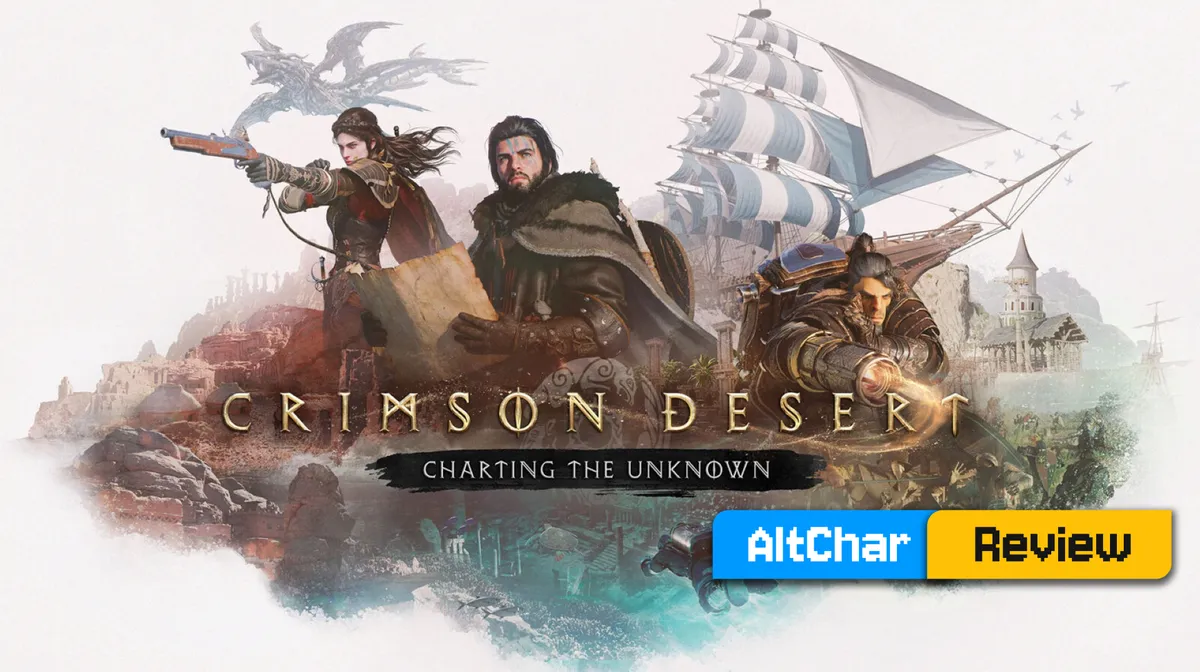
Crimson Desert is a very cunning game, and it has the ability to grab you by the collar and pull you into its magical world like no other game I can think of right now. Since the Charting the Unknown DLC came out, my free time has ceased to exist once again. I've burnt more than a hundred additional hours on it and enjoyed most of them. Some moments were less than enjoyable, but more on that later.
Charting the Unknown does everything the base game perfected. It steals away your free time with its addictive content: let me do one more side quest, let me check out that glow over there. Oh, there's a challenge I can tackle now, but before that, let me send my Greymanes on a mission, because it takes time, and the timer keeps running while I'm doing other stuff. Oh wait, I can even sleep for a bit to speed things up, and so on and so forth. Once this loop grabs you, you're done. That's where Crimson Desert works its wonders, and Charting the Unknown picks up where the base game left off and takes things to a whole new level.
Story – Three Heroes, Four Roads
Charting the Unknown literally picks up where the base game left off, because you cannot start the DLC's story without finishing the base game. Story-wise, Charting the Unknown branches in several directions. You can follow three different storylines for the three playable characters, Kliff, Damiane and Oongka, with a few dozen new quests that send our heroes into new regions to deal with new problems.
I mostly focused on Kliff, because I played the base game mostly with him, minus a couple of missions where I was obliged to play as the other two. Crimson Desert is a behemoth of a game, and focusing on all three characters is simply impossible for someone with other obligations, which poses a slight problem I'll come back to shortly.
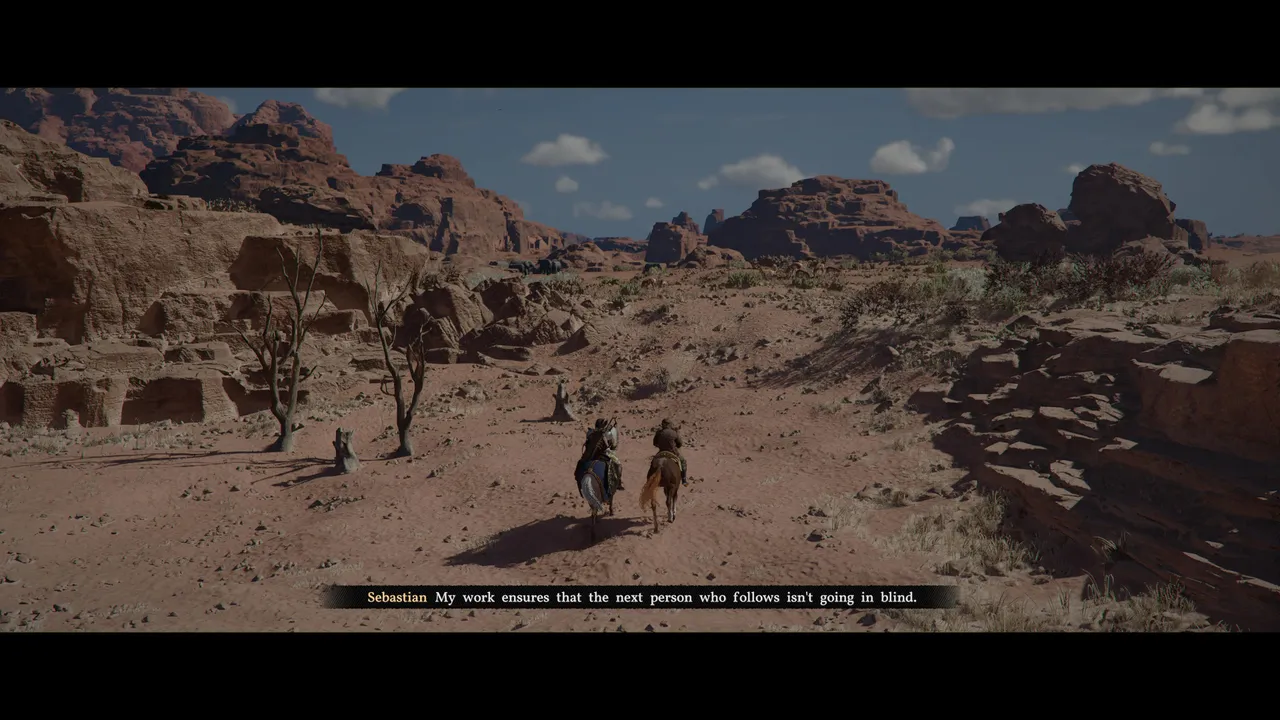
The new storylines are interesting, and as I said, they unlock a couple of new regions with their own gameplay mechanics. As Kliff, you travel north, beyond a sand barrier where sandstorms rage, into a region so wild that no one has bothered to chart it. Traces of Umbra are starting to appear there, so Kliff teams up with his friend, the cartographer, and sets off to investigate.
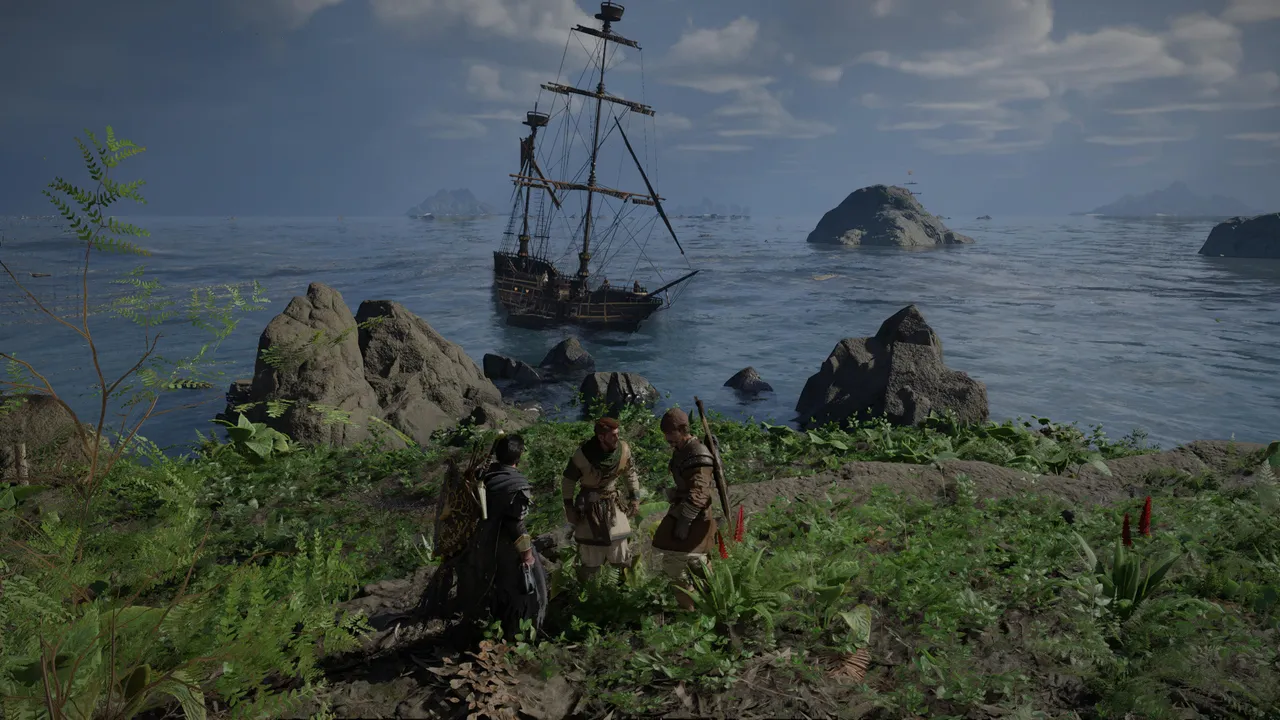
Apart from that, you can switch to Damiane and Oongka at any time and follow their stories, but since I hadn't finished their base game storylines, playing their DLC chapters would make little sense for me. All three of these are postgame storylines. Aside from them, there is a fourth storyline that sends you south, where you're given a ship and new patches of land, including many southern islands, open up. This is where the biggest obstacle fell in front of me, figuratively speaking.
To begin the quest that sends you to this region, you only need to complete the Howling Hill quest from the main story. Many will say, 'Okay, at least I don't have to finish the entire game to try out the naval combat and exploration,' but it's a huge trap. To trigger the A Wider World quest, which lets you build your very first ship, you'll have to develop your Greymane camp past the required level, and that requires a mountain of resources, sending your comrades on countless missions, and an amount of grind that will make you hate Crimson Desert's guts. This activity alone took me around thirty hours, and once I was done, I'd completely lost my enthusiasm for the ships. I tried sailing for a couple of hours, but I was simply worn out. If your previous playthrough focused on the Greymane camp, which mine definitely didn't because I wanted to finish the main story as fast as possible, you'll be spared the mindless grind. If your camp is still in its early stages, I wouldn't want to be in your shoes.
Gameplay – Same Feet, New Sails
New regions bring new gameplay mechanics, but if you expected something revolutionary in terms of on-foot gameplay, I must disappoint you: this is still the same game, with a couple of new regions added to the map. Naval gameplay, of course, is something completely different, and the sea regions and underwater exploration are real game changers.
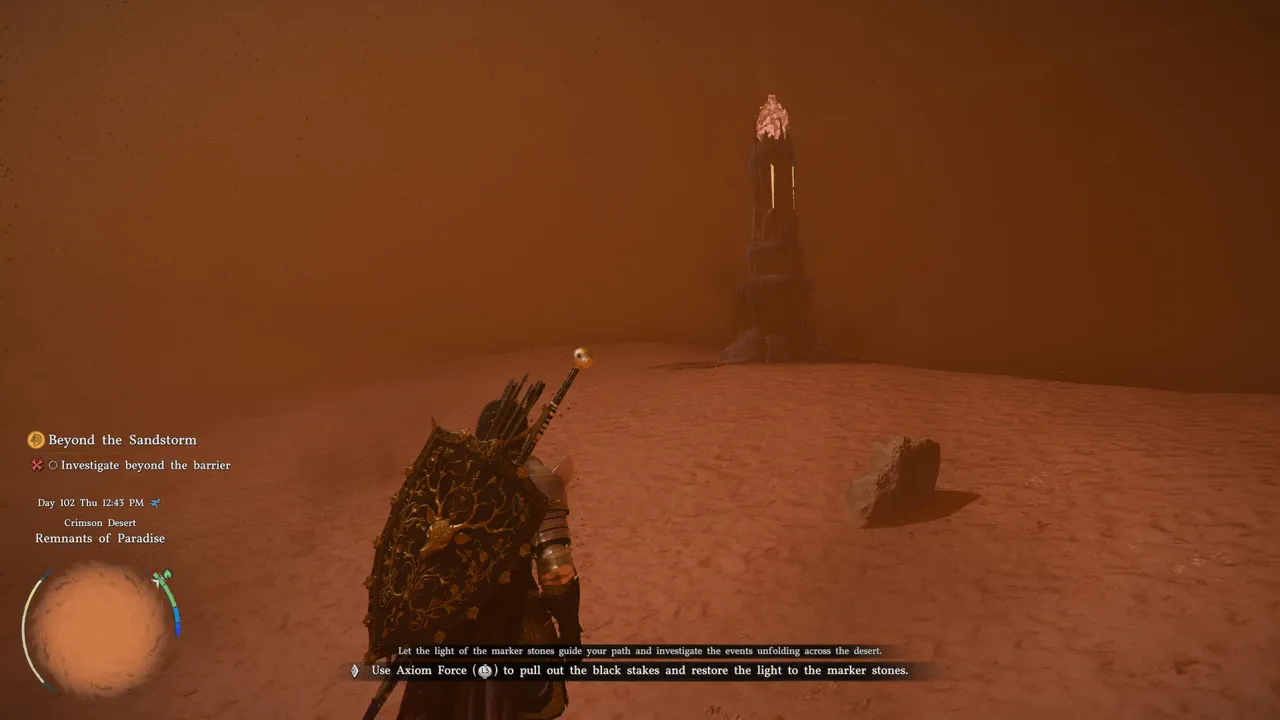
But let's start with the new region to the north. Once Kliff steps through the sand barrier, he finds himself in an area with almost zero visibility. Here, you'll have to follow the light beacons, complete the cleansing missions, and discover new areas just by following the signs. Every new town you find gets charted on the map, and they all come together in a regional hub where the bigger map is pieced together.
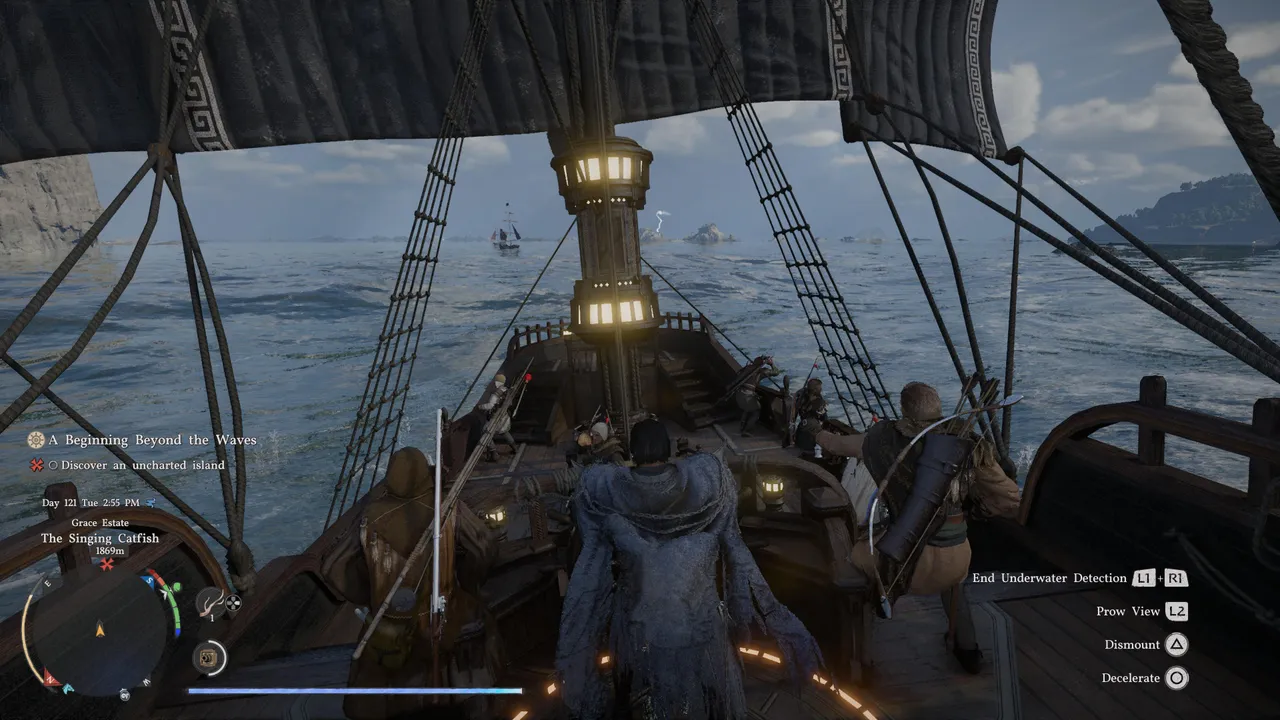
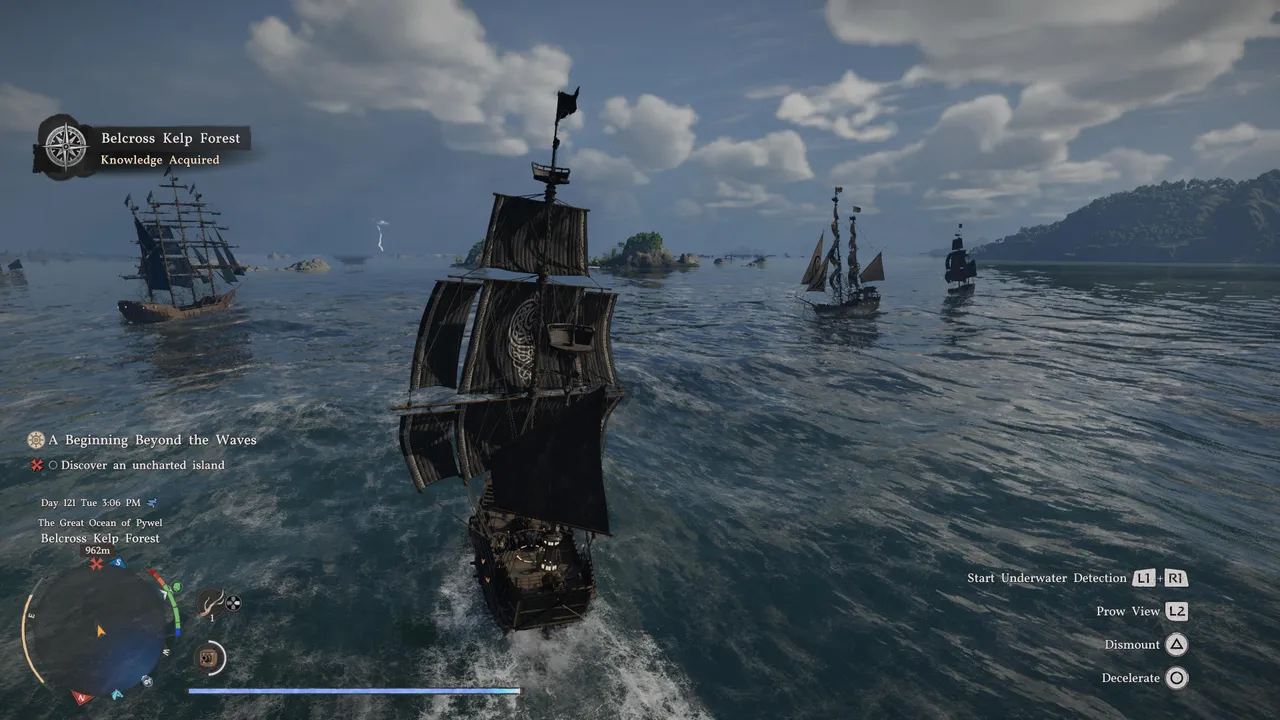
When it comes to naval combat and exploration, Pearl Abyss went to great lengths, integrating ships, ship upgrades, ship weapons, and tense battles and skirmishes on the open sea. It's not Assassin's Creed Black Flag Resynced, though the naval combat seems like it is literally copied from this Ubisoft's latest AC installment; it is quite sophisticated and fun to play. The DLC also adds diving gear, including outfits, masks, helmets and more, which let you stay underwater longer to explore and find all sorts of treasures and new Abyss artefacts.
New challenges built around the new mechanics are added too, which is hardly surprising, because Crimson Desert is designed to keep you busy for years, and adding more challenges is a logical course of action. The naval mechanics bring new quests on the open seas and the uncharted islands, so expect a lot of new content and a lot of hours spent admiring the beautiful world of Pywel, only this time on a much larger scale.
If you think Pearl Abyss will let you off the hook this easily when it comes to an even bigger challenge, think again. Charting the Unknown introduces the Garden of Trials, an entirely new boss gauntlet split into ten challenge groups, where you face bosses you defeated earlier one after another. You can enter alone or line up Kliff, Oongka and Damiane, with the next hero taking over when the current one falls. Food can't be used for healing, and every cleared group upgrades one of your existing skills. For me, the bosses were the biggest downside of the base game, and not much has changed. Crimson Desert's combat is designed for battles against hordes of enemies and works wonders for crowd control, but it isn't the happiest solution for one-on-one boss fights.
The new bosses introduced in the DLC are no better. Every fight felt more like ticking an item off a list than real enjoyment. Every boss I encountered was far too aggressive, and out in the open world, the fights depended more on how many healing items you carried than on skill. Every major flaw the game had at launch has been inherited by the DLC as well. The quality-of-life improvements added since then are commendable, but the core problems remain.
What Pearl Abyss doesn't shout about loudly enough is how much the DLC deepens life in Pywel outside of combat. You can now flirt with eligible NPCs, build the relationship through gifts and chats, and once trust is maxed out, propose and get married. Your spouse moves into a residence of your choosing, travels alongside you and brings you the occasional gift, and there's even a small jealousy mechanic, as flirting with someone as Kliff lowers their trust towards Oongka and Damiane.
Housing got a serious upgrade too. Free construction lets you build a house from the ground up, walls and windows included, 17 new residences can be built through dispatch missions, and castles such as Drakesfall can be claimed and decorated. Liberated strongholds now feed into a business layer where you run restaurants, sawmills, smithies and tailor's shops, assign comrades and decide what to sell, while the money keeps rolling in as you roam. Add festivals at the Greymane camp, where certain visitors can be recruited as Honorary Greymanes and sent on dispatch missions, and you get a whole new loop that ties neatly into everything else. It's more than good, and it turns Pywel from a battlefield into a place you actually live in.
Visuals and Sounds – Sunshine and Sandcastles
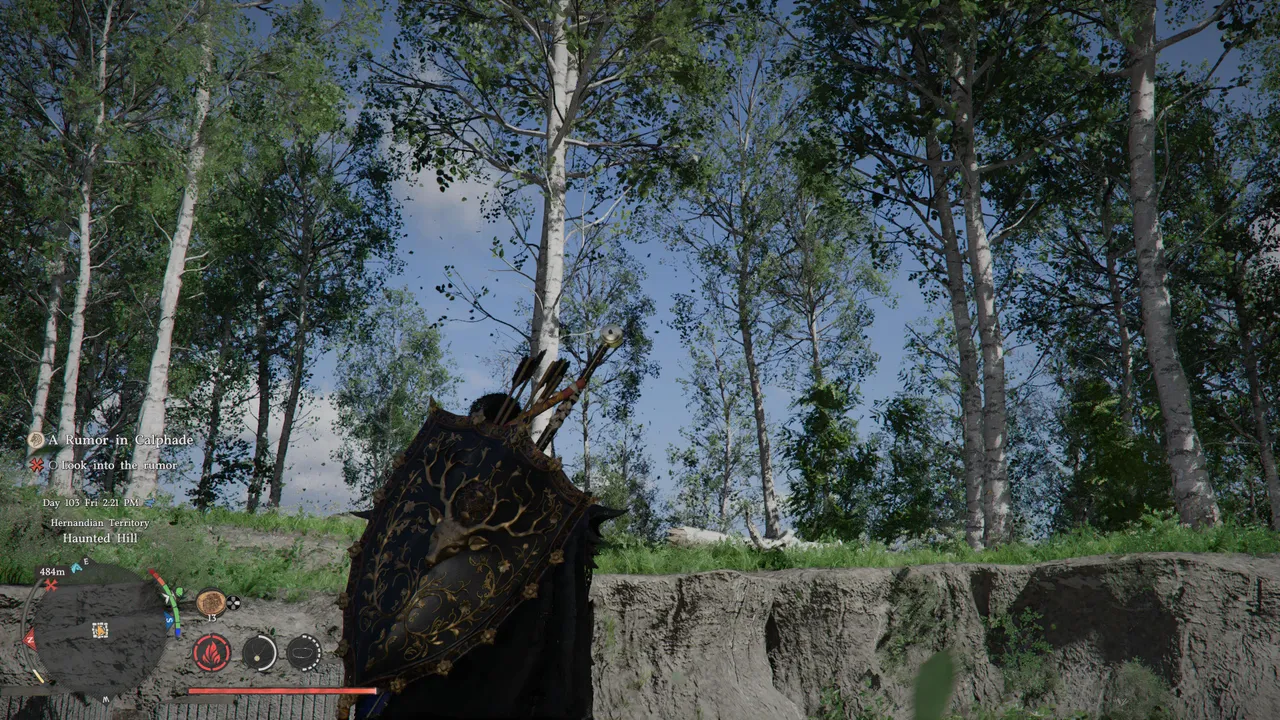
Sadly, every single beef I had with Crimson Desert's visual and sound presentation at launch is still here, and after so many updates, I expected the game to run as smooth as butter, but it's far from that. Again, the game is gorgeous, full stop. I'm not sure you can find another game of this scale right now with such a detailed world and such lifelike visuals. It will simply blow you away with its beauty, until the next indoor scene comes along and everything crumbles like a sandcastle.
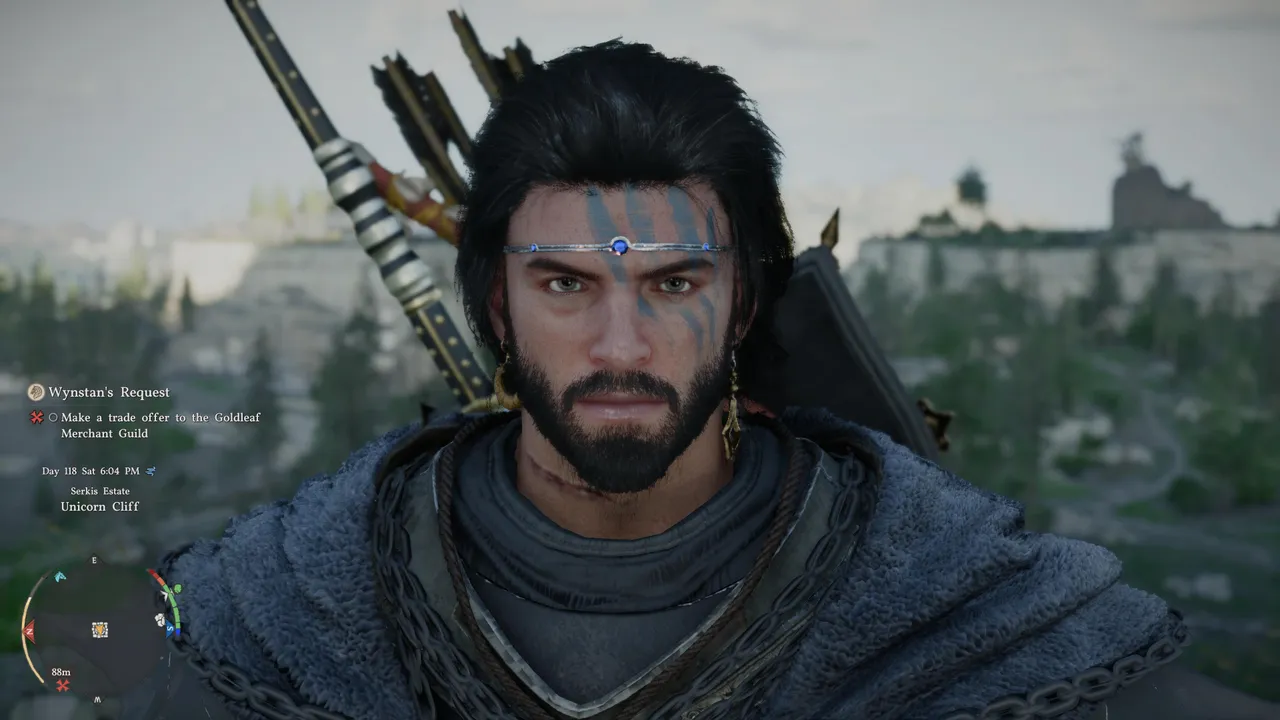
The gap between the visual presentation on a sunny day (one of the best I've ever seen in a video game) and what happens when the weather turns, everything becomes washed out and bleak, and every visual flaw comes to the surface, is something that deserves to be studied. Indoor areas lit by lamps still look awful, and that hasn't changed one bit. Facial expressions, odd character behaviour, face models, all of it still looks bad, and when you compare it with the game's overall visuals, including the breathtaking vistas, razor-sharp shadows, and smoke and particle effects, it feels like you're playing two different games.
Performance on PlayStation 5 is still far from ideal. The game offers three modes, Performance, Balanced and Fidelity, and all three perform roughly the same, so you're best off playing in Fidelity mode. When nothing significant is happening, the frame rate is quite stable. However, regardless of your preset, once a battle begins, the frame rate can drop significantly, sometimes even into single digits, which is simply unacceptable for a game of this quality and scale.
I played the base game on PC as well, but the DLC was only available to me on PS5, so I can't speak for PC performance.
As for sound, everything is pretty much the same, except for the main theme, which has been changed for this DLC, and I wouldn't even mention it if it didn't seem so out of place. My daughter summed it up perfectly, saying it sounded like the theme from Winx Club, a cartoon she used to watch as a kid, and that tells you everything you need to know.
Conclusion
Charting the Unknown is more Crimson Desert, for better and for worse. The sandstorm-swept north is an atmospheric addition, the naval combat and diving are the closest the game has come to feeling new, the new romance, housing and business systems give Pywel a life beyond the battlefield, and the moment-to-moment loop is as addictive as ever. A hundred hours later, I still caught myself saying 'just one more quest'.
At the same time, Pearl Abyss has carried every old problem into the expansion. Bosses still reward a full pouch of healing items over skill, indoor scenes still look like they belong to a different game, and the PS5 frame rate still collapses the moment the fighting starts. Worst of all, the expansion's biggest selling point sits behind a camp grind that can drain your enthusiasm before you ever leave port. If your Greymane camp is already well developed, Charting the Unknown is an easy recommendation. If it isn't, be ready to earn your ship the hard way.
The Good
 Addictive gameplay loop intact
- Atmospheric northern region
- Naval combat and diving
- Three new postgame storylines
- Romance, housing and business systems
- Stunning open-world visuals
The Bad
 Grind wall before the ships
- Aggressive, healing-dependent bosses
- PS5 frame drops in combat
- Poor indoor lighting and faces
- Out-of-place main theme