Trending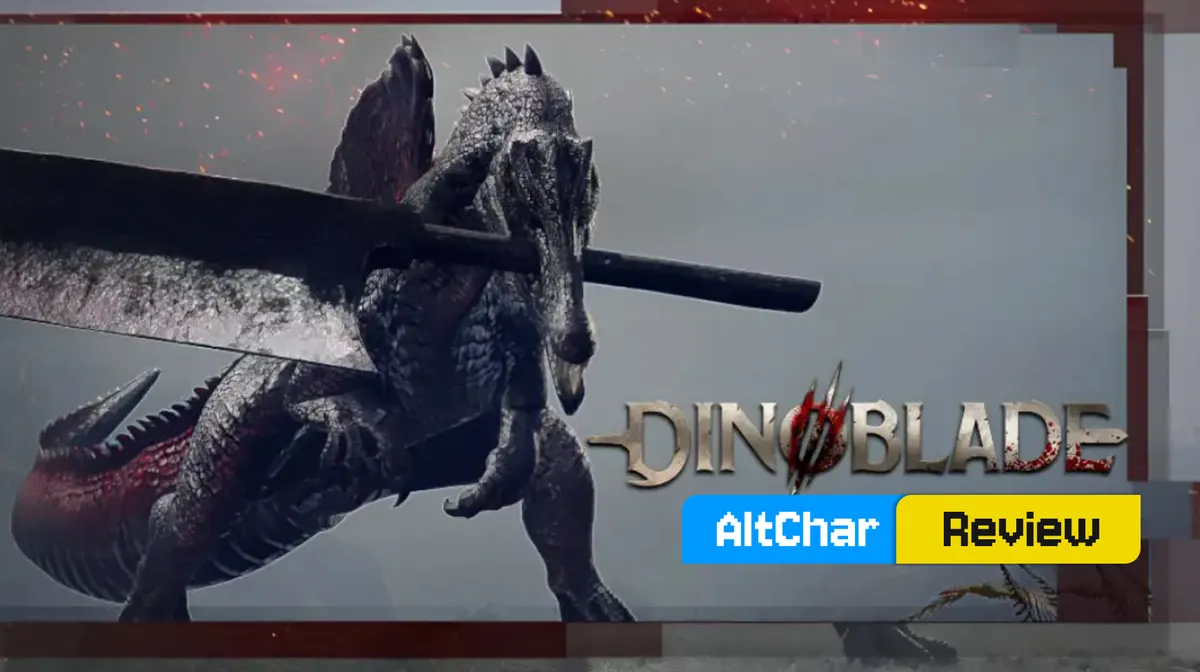
I love dinosaurs, and I love a good Soulslike. Put the two together and you get Dinoblade - straight up one of the most refreshing games I've played in a while. Like half the internet, I first stumbled onto it through a clip on social media, made a mental note of it, checked back on the release date a couple of months later, and that's how I ended up here. A dinosaur with a sword, and my brain deciding, without a shred of hesitation, that this was the thing I'd been missing in life. Turns out that gut feeling was dead on.
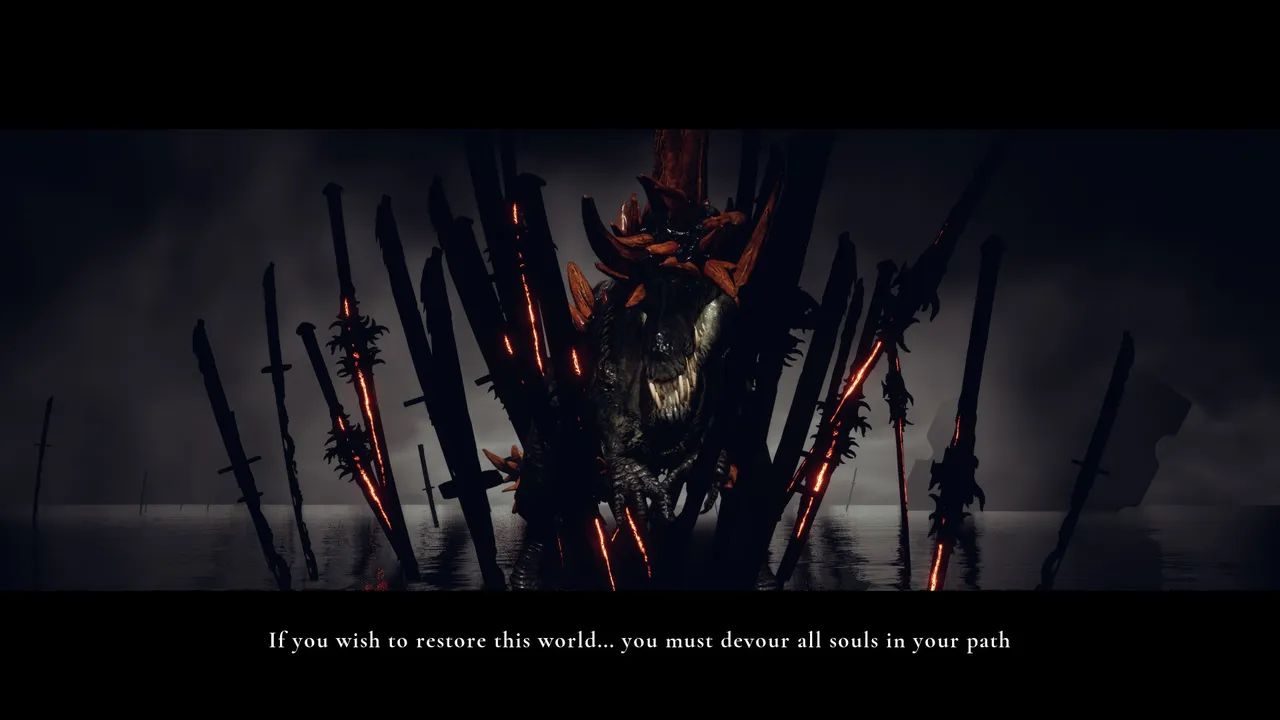
Dinoblade's setup doesn't waste time, and it barely makes sense, which somehow works in its favour. You're a peasant dinosaur without a sword, getting bullied by smaller ones just because they can, until a chase ends with you tumbling into a pit and finding a blade lodged in stone. Pull it out, and suddenly you're standing before a demonic dinosaur deity who rasps at you about how pathetic you are, and how committing yourself to the blade is your last shot at not going extinct. Dinoblade isn't interested in explaining much more than that until the very end, but the story was never really the pitch.
Combat with teeth
Strip away the dinosaurs, and Dinoblade's bones are unmistakably Soulslike. You explore linked biomes, rest at checkpoint bonfires that heal you and refill your heals but respawn everything you've killed, and farm blue souls to pump into your stats. I asked the developer directly about souls respawning alongside enemies, and they confirmed it's intentional - a way to give struggling players an easier route to catch up, rather than locking them out of progress.
The way combat actually plays leans a lot closer to Sekiro than Dark Souls. Landing parries fills an enemy's posture meter, and once that meter's full, your next parry opens them up for a heavy counter-attack. Attacks carry real wind-up and recovery, stamina drains fast if you get greedy, and dodges, blocks, and parries matter way more than mashing your way through.
Beyond your standard light and heavy attacks, your Spino has a handful of Soul Art skills that run on mana (shown as a resonance meter) and can be upgraded. Skill upgrades don't just bump numbers - they visibly change how a move looks and animates, which is a satisfying detail, and the weapon and skill effects in general are great. The finishing animations are smooth, too.
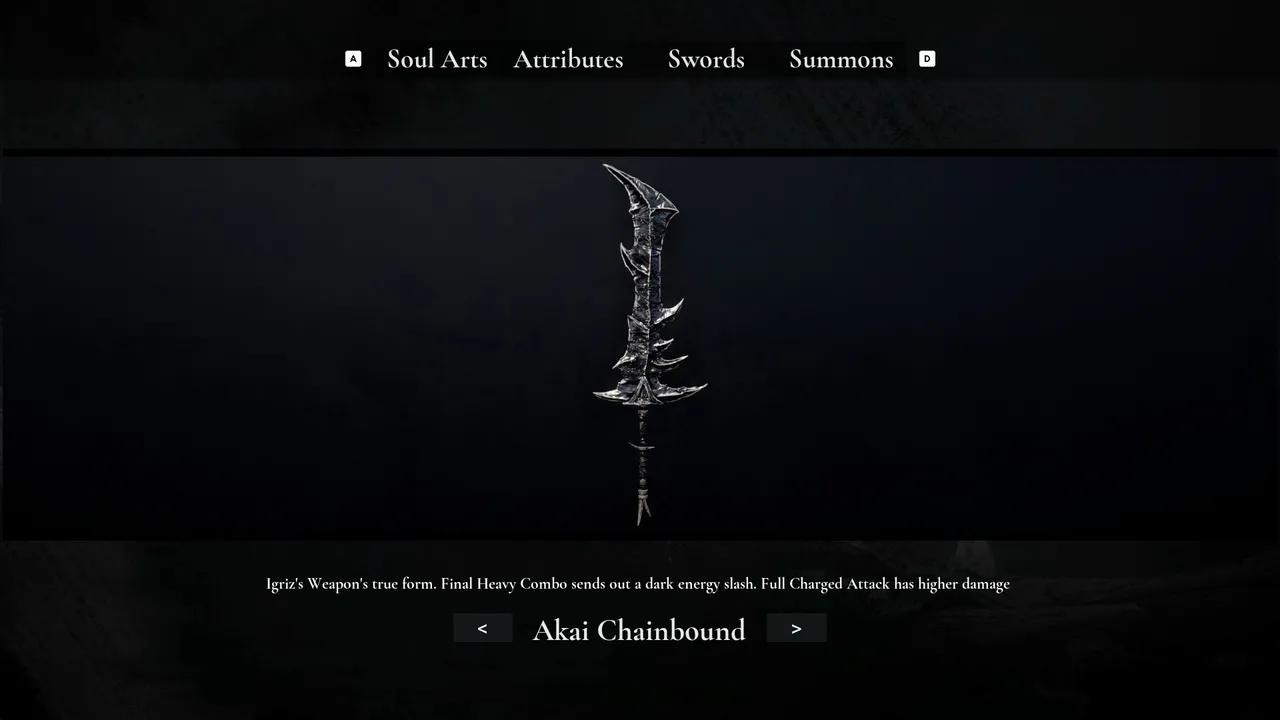
Acrobatic dino movement rounds it all out, and it feels incredible how agile you are once you're in the thick of a fight. The jump does feel a touch floaty, but then again, it's a dinosaur with a sword, rolling, attacking, and pulling off special skills. Nobody's here for a rigorous nature documentary, so a bit of float in the jump barely registers as a complaint. (And yes, I've yeeted myself clean off a cliff more than once - there is fall damage.)
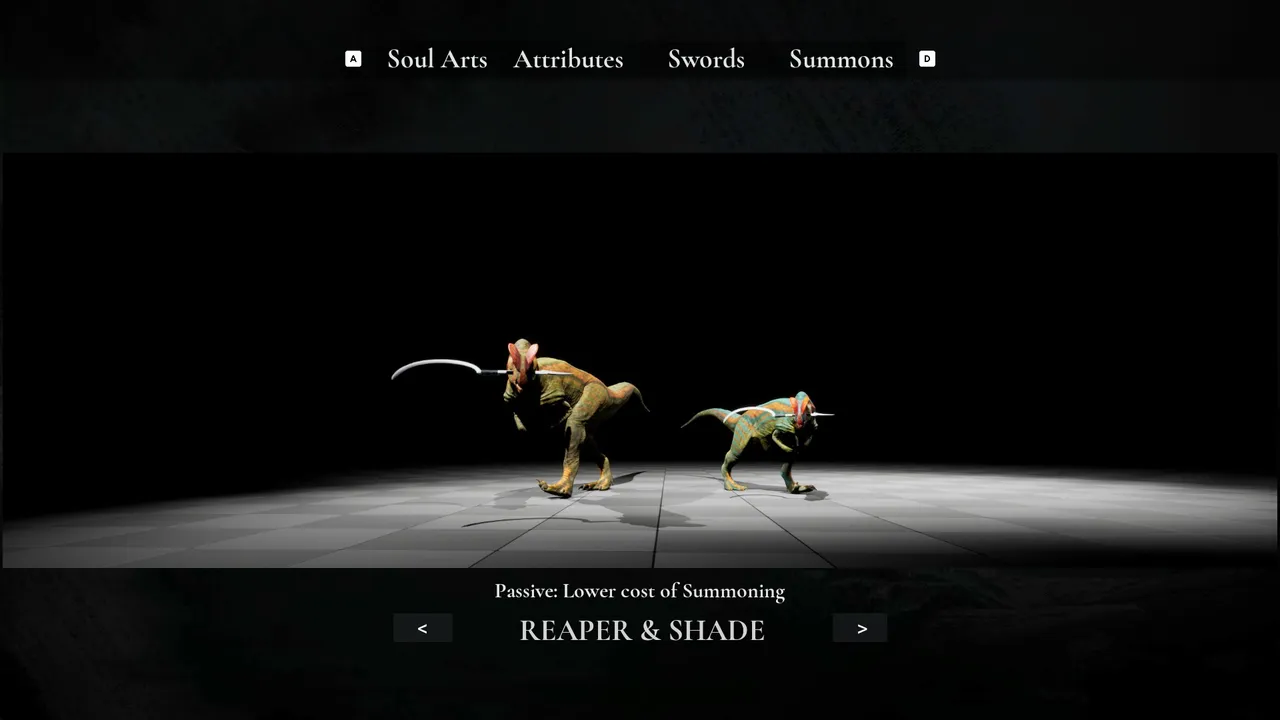
Beating a boss hands you a summon you can equip as your special skill, and they come with passive perks layered on top, like shorter cooldowns, longer dodge invincibility windows, faster attack speed. Between summons, soul arts, and the different blades scattered across the world, there's real build variety hiding under what looks, on the surface, like a straightforward game.
The boss roster is where Dinoblade really shows off, though. One fight has an opponent wielding an entire Ankylosaurus like an improvised club - just one of a dozen unhinged ideas this game throws at you without repeating itself. Then there's a bone-crushing, bloodthirsty sauropod - like some version of a Camarasaurus - who serves as one of the game's Alpha bosses, holding court in a pool of blood and bones, hurling magic spells at you while carrying an entire tree trunk in its mouth. The designs are great, the boss movement is varied, and I loved every single one of them.
One thing that could've pushed fight variety even further would've been an underwater encounter of some kind. Swimming and diving are already mechanics here, and real-world Spinosaurs were semi-aquatic, so the groundwork's basically already laid for it.
If there's one thing I'd change, it's giving weapons more identity of their own, as the moveset stays pretty consistent no matter which blade you're carrying. The risk-versus-reward balance, however, is handled really well throughout. A typical Soulslike, in the best sense.
Between the boss fights
Dinoblade takes you from a dry canyon in its opening stretch, out into open plains, then deeper into a thick, mist-choked forest, and eventually down into swamp. The four named biomes - Tyrant's Canyon, The Great Lake, Darkclaw's Forest, and Red Ash's Swamp - each come guarded by up to three bosses before an Alpha gates the path into the next area. Just when I thought I'd cleared the last of them, a snowy region opened up beyond Red Ash's Swamp and what I'd assumed was the final boss.
Dinoblade Bosses

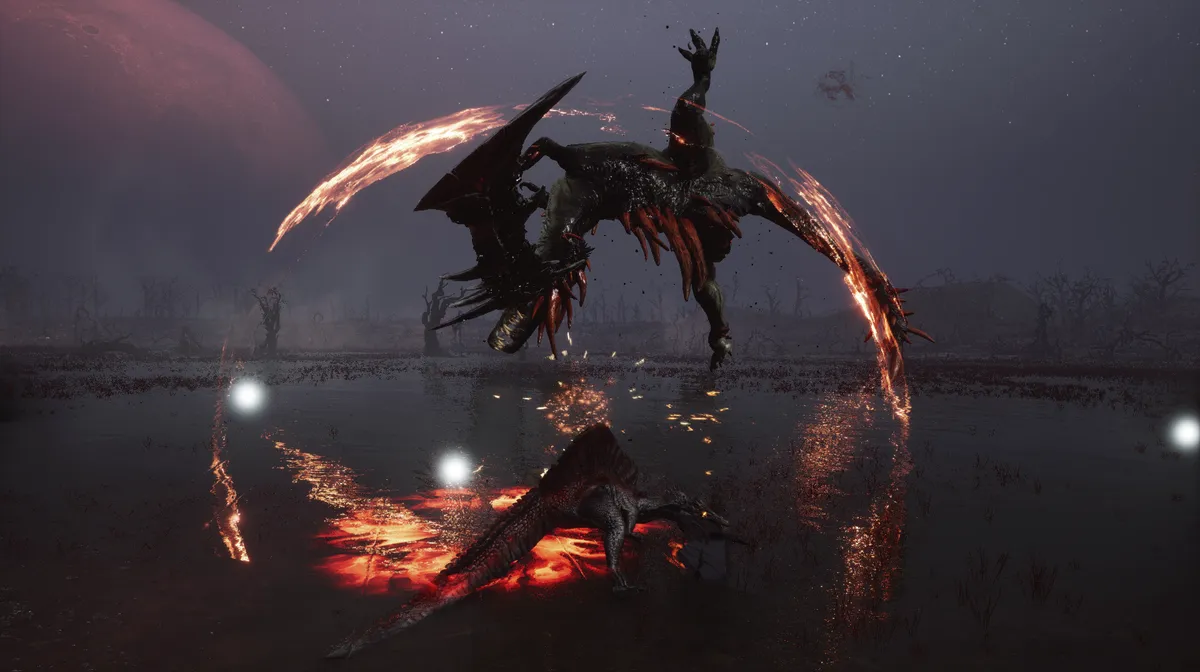
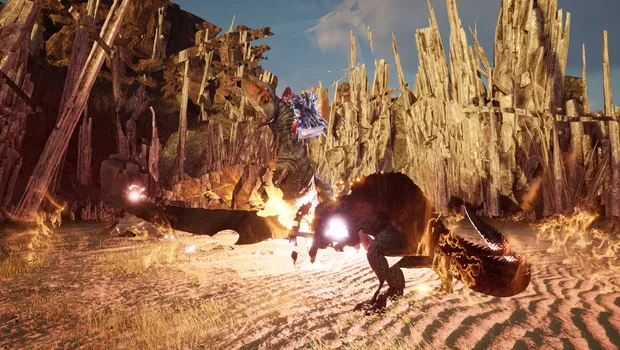
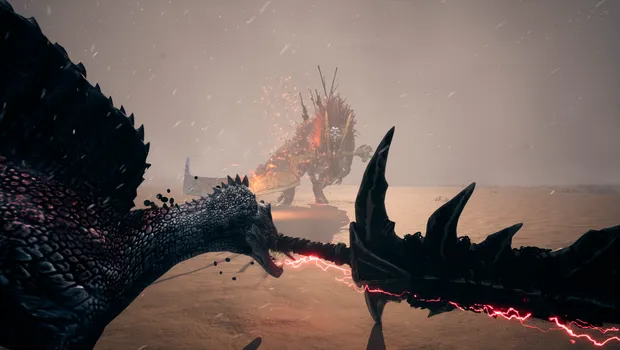
The world isn't just sword-wielding rivals, either. Plenty of ordinary, unarmed dinosaurs wander the biomes going about their business, and overall there's a solid variety of dinos throughout. The shift between regions is more than a coat of paint, too - the environmental art holds up remarkably well, pretty enough that I kept stopping just to mess around in the game's surprisingly full photo mode. Hidden nooks are also tucked around the biomes where you'll stumble onto heal orbs and other key resources, in itself a fairly transactional way of "rewarding exploration," but it still gets you poking into corners you might otherwise skip.
Visually, Dinoblade looks good without pretending to be more than it is. The lighting and art direction carry a lot of the weight, but up close the textures are a bit flatter and rougher than what you'd get from a big-budget team. That's not really a knock; it's just the reality of working without a big-budget studio's resources. What actually impressed me more was the dinosaur movement itself, which feels weighty, and that to me matters a lot more than raw texture fidelity.
Dinoblade Environment
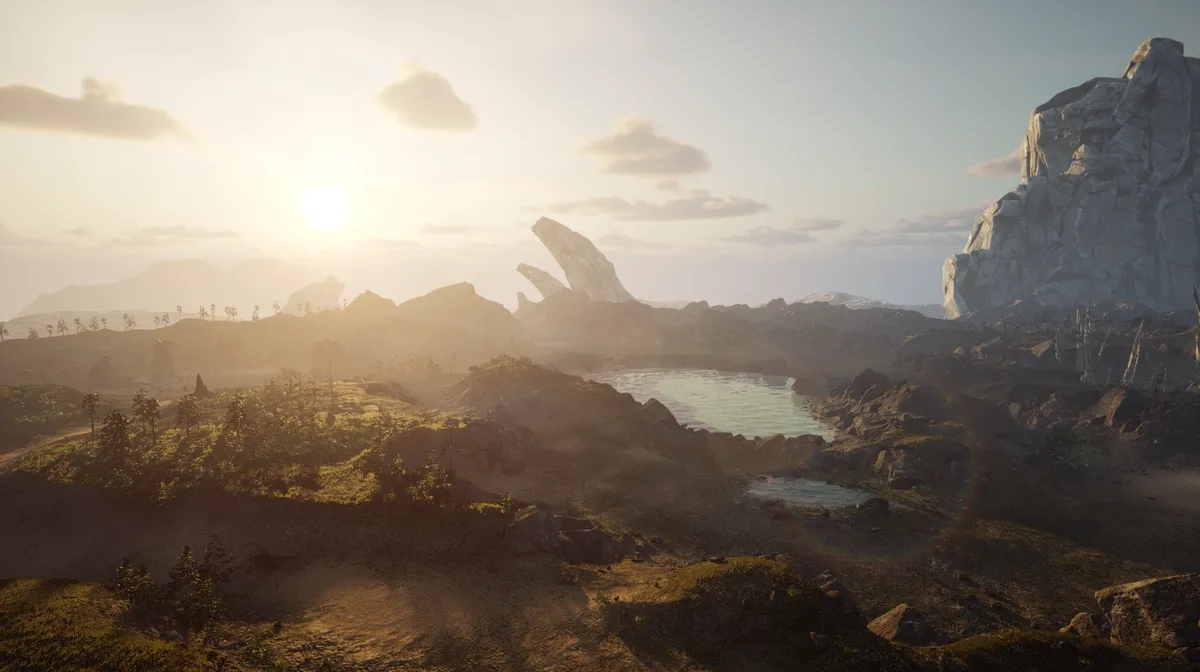
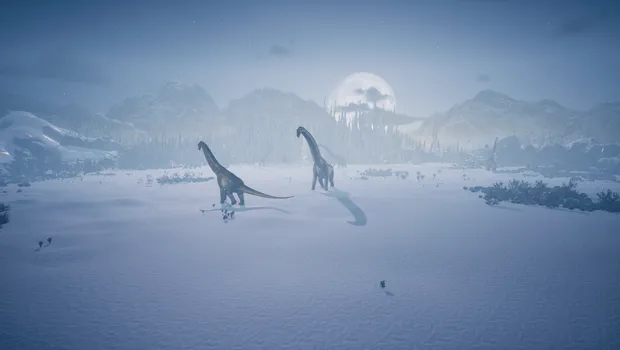
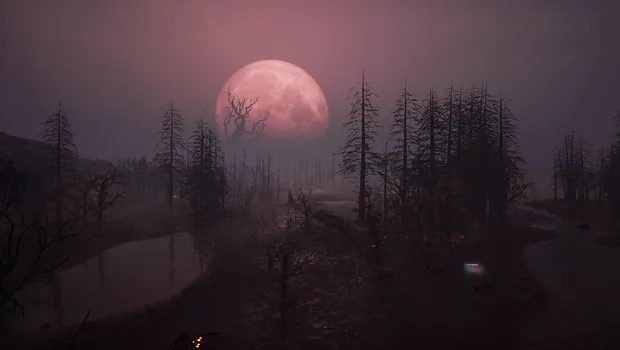
The audio design deserves a mention all its own. It's one of the strongest parts of the whole package, really. Wandering the world plays out to a quiet, almost mournful score, and the second a boss fight kicks off, it snaps straight into heavy metal that matches the adrenaline and testosterone of two dinosaurs trying to tear each other apart. Peak entertainment.
The UI stays minimal throughout - skills and cooldowns in the bottom right, health, mana, and stamina in the bottom left. A death counter also sits right on your character page the entire time, tallying up exactly how many times you've been humbled. If you're already familiar with Souls games, you probably won't rack up too many deaths until the final two bosses. I doubled my death count there alone, across the entire run, and I'm choosing not to disclose the final number. It's a slightly mean touch, and I mean that as a compliment.
Dinoblade isn't a long game, either. It took me somewhere around 8 hours to clear the whole thing, and that's with me taking my time poking into every corner, messing around in photo mode, and of course dying to bosses. It's short, but sweet, and it doesn't overstay its welcome.
Once you've cleared the game, there's also a Boss Rush mode that lets you take on every boss back-to-back. It's a welcome bit of replay value, and a good way to test how much you've actually improved once you know the fights inside and out.
Rough edges you'll bump into
Even with everything it nails, Dinoblade isn't flawless. I ran into enemies glitching into the scenery several times, including one boss, Ketsuro, who got partially stuck inside a rock and just shuffled straight through solid geometry mid-fight, and another, Red Ash, who spent a solid chunk of its fight lodged inside a tree behind it. Skill transitions weren't immune, either - the Alpha Roar animation stuttered on more than one occasion, but it was really the only spot where performance dropped at all.
The camera is always the enemy in Soulslikes, and here the field of view makes smaller enemies a bit hard to track mid-fight. The lock-on is fiddly, too - it kept dropping or snapping to the wrong target seemingly at random. Some environmental textures look rough here and there, and the terrain would occasionally glitch underfoot, though never badly enough to actually break anything.
None of it derails a fight outright, it's just that Dinoblade never really stops feeling like an indie game, but that ends up being part of the charm rather than a mark against it. It's an understandable trade-off, and one I'll gladly take to play a goofy dino Soulslike that's actually not brainless.
Final thoughts
A premise this silly had no business being this good. Dinoblade takes "dinosaur with a sword" and builds a genuinely committed Soulslike around it - combat that demands real attention, a soundtrack that knows exactly when to turn the volume up, bosses that never repeat a trick. The camera needs work, the textures wobble here and there, and the story stays thin by design. None of it changes what the game is underneath.
It also did something I wasn't expecting: it made me feel like a kid again, in that specific, half-forgotten way that Extreme Dinosaurs used to. That's not a small thing to pull off. Give this concept a DLC, or a sequel with a bigger studio's resources behind it - more narrative, maybe something closer to Miyazaki's cryptic, say-nothing style - and it only gets better from here.
For now, it's already hard not to respect. Silly on paper, extremely fun in practice. This isn't a "good for an indie game" situation - it's just a good game. The fact that it's indie is a bonus. Whether you're a soulslike veteran or a total stranger to the genre, you'll have a blast either way. All you need is a taste for something different, and something fun. Dinoblade checks both boxes.
The Good
 Fun, punishing combat
- Creative, varied bosses
- Standout soundtrack
- Build variety
- Stable performance
- A silly idea, executed well
The Bad
 Fiddly camera and lock-on
- Occasional glitches