Trending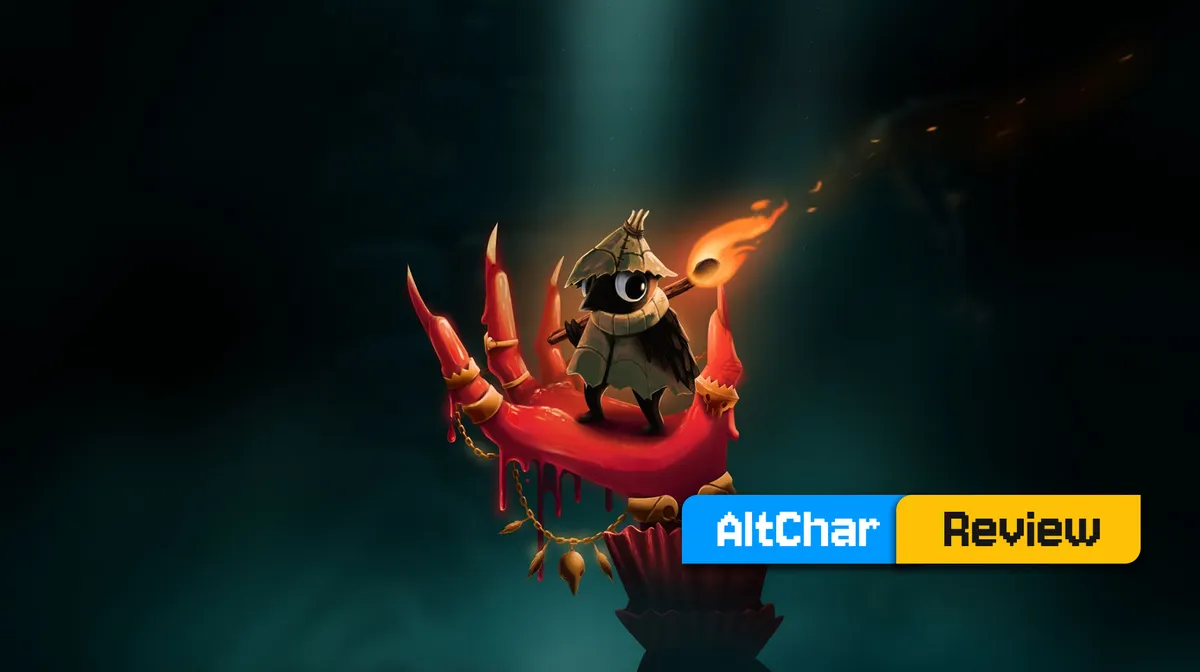
When I got my hands on Well Dweller I was excited; it ticked all my boxes: there is some platforming, combat, it's a metroidvania, and it's cute as hell. The moment I booted it up, it’s obvious where it got its inspiration from. I couldn't help myself as it reminded me of Hollow Knight and Silksong whose influence was written into the combat, platforming, and the whole moody, hand-drawn aesthetic of the game. As someone who has beaten both of those games, I have to admit that’s the kind of comparison that will pique my attention right away.
Now don’t get me wrong, Well Dweller is its own game, it has its own systems and additions which make this game something that anyone who enjoys metroidvanias should try. The game is built on strong foundations which allowed it to expand and create a new world that is compelling and fun to go through. I knew it was a fun game and I had the feeling that I would enjoy playing this, but I didn’t expect that it would grip me as strong as it did, making me sink my entire weekend into Glimmer’s journey.
Well Dweller brings a familiar shape that is wrapped around a fairy-tale setting, with its own set of characters, it’s own sense of humour, and its own reasons for why you should care about a kingdom you’ve never seen before.
By the time the story gets really going, Well Dweller already made its case and soon you’ll find yourself sinking several hours into it.
A kingdom without its wings
For a game that is as charming as Well Dweller, boy does it start with a genuinely dark premise. The story talks about a cruel Queen who has hunted all the birds she could find in order to pluck their feathers and stitch herself new dresses. What is left of the bird population is in hiding, trying to stay alive by doing everything they can to stay away from the Queen and her hunters.
Our protagonist, Glimmer, is one of those birds. His mother and siblings are among the few birds who managed to stay out of the Queen’s reach by hiding in a well, and only going out to get some food when they needed it. Usually, that was the mother’s job, but as she was feeling a bit weak, that task fell on Glimmer. So he grabbed his matchstick, which will be his main weapon, and ventured into the world with his siblings.
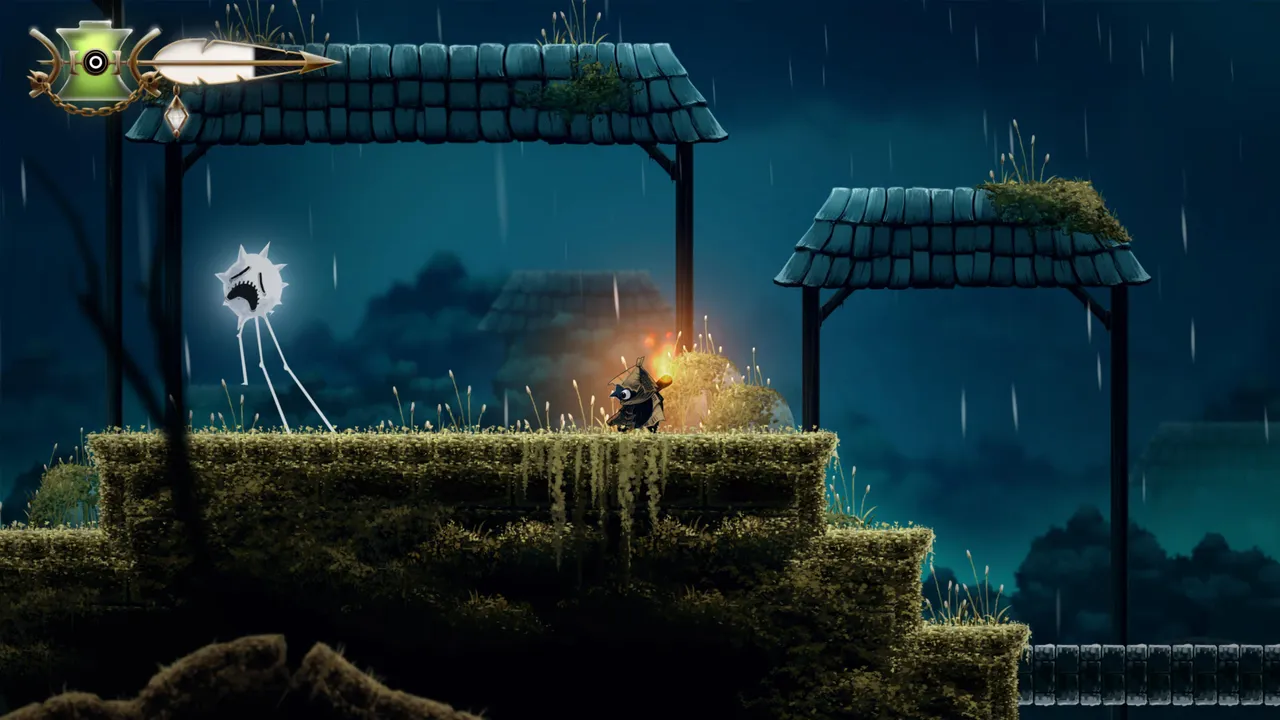
The task that he was given seemed simple, sneaking into the house of a Hunter while they were sleeping just to get some food. That’s it. His siblings are too young to be of any actual help (one of them is literally still in an egg), so they were waiting for him next to one of the tents close to the Hunter’s house. Needles to say that these hunters are dangerous, as they were those who hunted the birds around the kingdom. But since that hunter was sleeping, everything should be okay, right?
Not really, no.
From there on, Well Dweller opens up into a proper metroidvania, as Glimmer embarks on a journey to save both his family and also the wider kingdom from the Queen, because while the birds did get quite possibly the shortest end of the (match)stick, she wasn’t really nice to any of the kingdom’s inhabitants.
As Glimmer makes his way through the different sections of the kingdom, he meets a colourful cast along the way. From tiny mice who are on the run from the Queen, to scavengers who spend their time exploring the kingdom and looking for loot to sell. They are all telling their own history with the Queen’s cruelty, and some of them might be of use to Glimmer too, acting as merchants or map makers.
The theme of a smaller, almost insignificant protagonist going after someone who has more power isn’t new, as we’ve seen other games tell their own versions of this story before. With Well Dweller, the combination of writing, the characters, the execution, and the small moments when we see that Glimmer is still a child, or a teenager at best who just wants to save his family, are the reasons why it doesn’t feel like a reread or a washed out story.
The story also brings a refreshing balance between the darkness and genuine humour. The kingdom is one that is built on cruelty and loss, and the game doesn’t shy away from those aspects, but it also finds time to be funny, such as one scene where Egbert - one of the siblings - gets accused of witchcraft and sentenced to be burned alive next to an actual witch, only for his last words to be to lower his cage a bit so he can see the witch burning. It’s a strange, specific kind of humour, and it works nicely because the game never undercuts the weight of everything else that is going on.
Combat with a bit of spark
Well Dweller is a combination of platforming, combat, and exploration, which is something that you’d expect from a metroidvania. While the influence of Hollow Knight and Silksong is obvious, the game also layers in enough of its own ideas to keep things from feeling like a boring copy.
Since Glimmer is, well, a bird, movement includes what you think it includes, you’ve got jumping, sliding, alongside climbing, flight and a few other options you unlock as you play the game. It starts as something limited, but as the story progresses the game gives you more things to work with and opens up nicely. After you get new abilities, naturally you can backtrack to previous sections of the map to explore where you previously got stuck.
One of the game’s more surprising aspects is the main weapon. Unlike the Knight’s Nail, Belmont’s Vampire Whip, and Samus Aran’s Arm Cannon, which sound like something deadly, Glimmer has a…matchstick. I remember thinking what could be the main weapon, and I really didn’t expect it to be that. And it also doubles as a visual representation of your health, as the flame grows dimmer as you take damage and lose health.
For healing you use Oil Vials, which have a time-based mechanic, but there is no punishment for missing it and you get used to it after a while. It really never feels like an issue, but it does add a little layer of tension as you try to keep yourself alive mid-fight. The matchstick can also be used as a slingshot, which deals damage to enemies but also acts as a launch pad, adding some variety to traversal.
As Glimmer walks, after a few seconds, he will naturally start running which is something I didn’t know I would be grateful for until I got the hang of the game and started backtracking and avoiding enemies instead of fighting them. You also get more options for traversal as you play through the story.
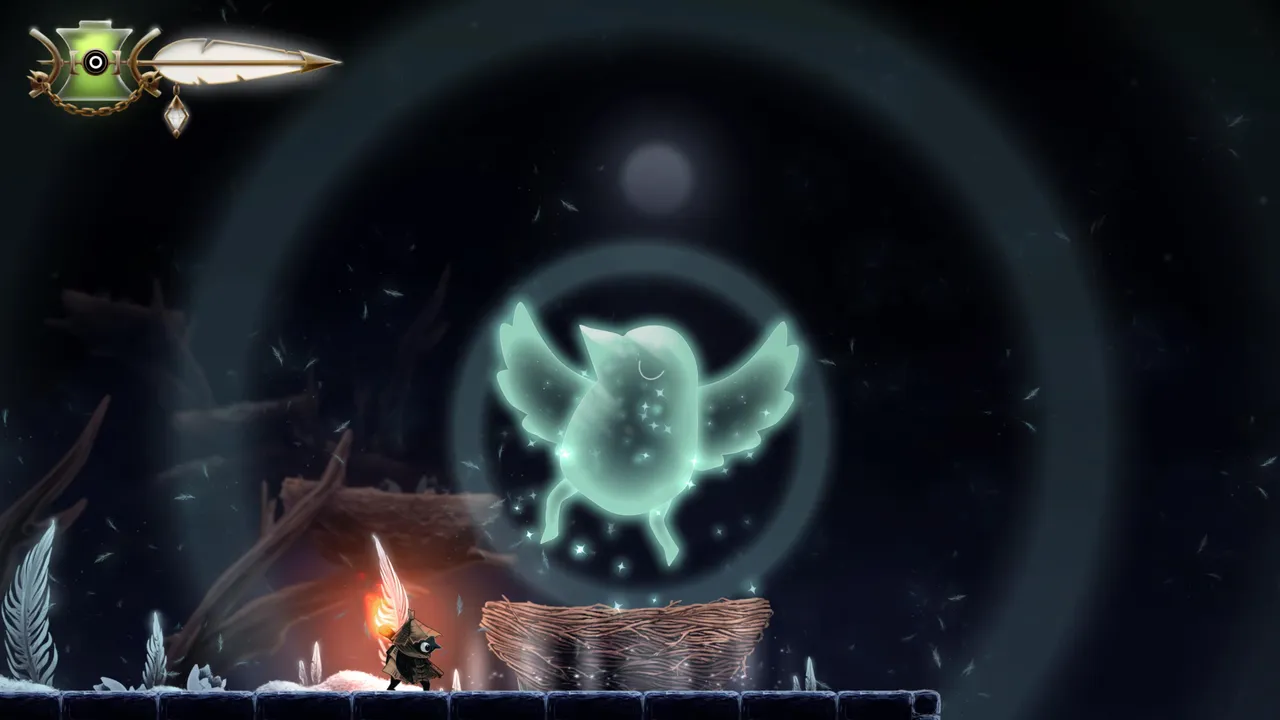
Progression is tied to a handful of systems. As you explore the kingdom, you’ll free little bird spirits and bring them back to their nest, earning abilities as you play but also from acquiring different trinkets and equipping them, which can also be upgraded as you play.
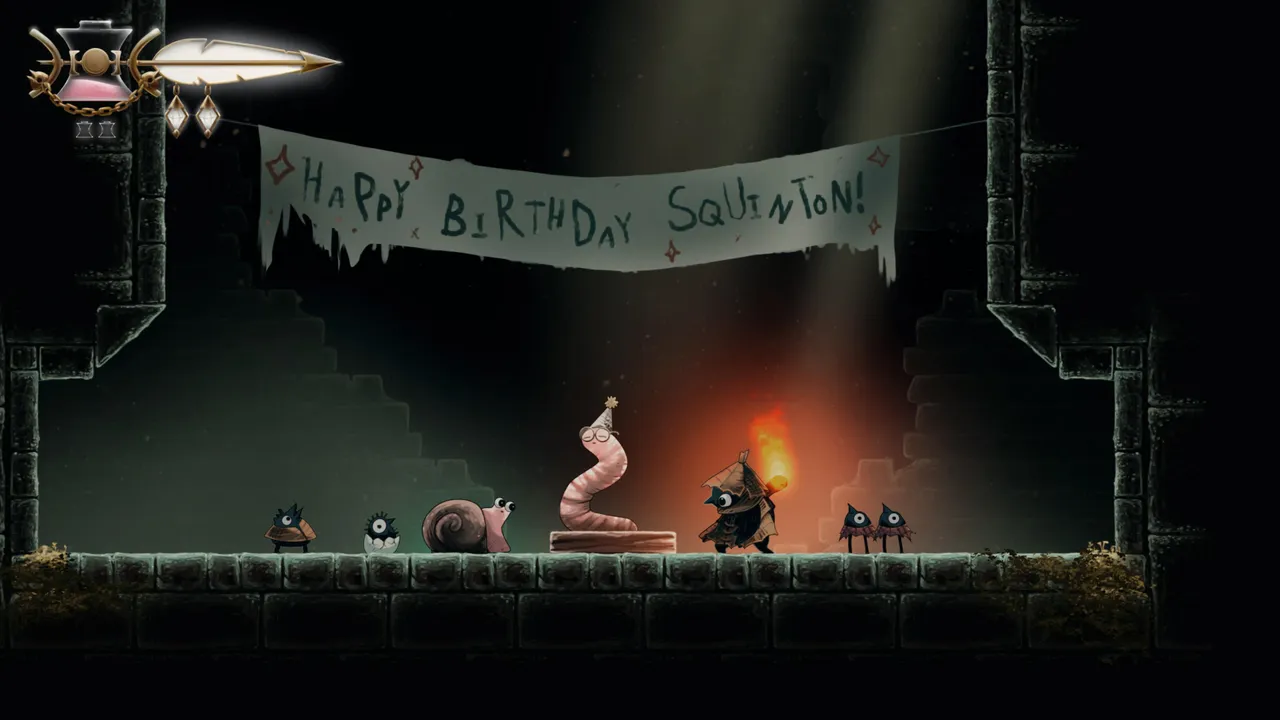
You get certain abilities by finding an egg, which then teleports you to a new section where you can test out the ability before throwing you back into the kingdom to continue, which is fitting for a game centered on birds. Saving your progress and visiting the merchants, map maker, and trinket upgrade station all happens in one of the tents, where you can also see the siblings you saved so far. It’s a small detail that keeps the family thread present even during more quiet moments.
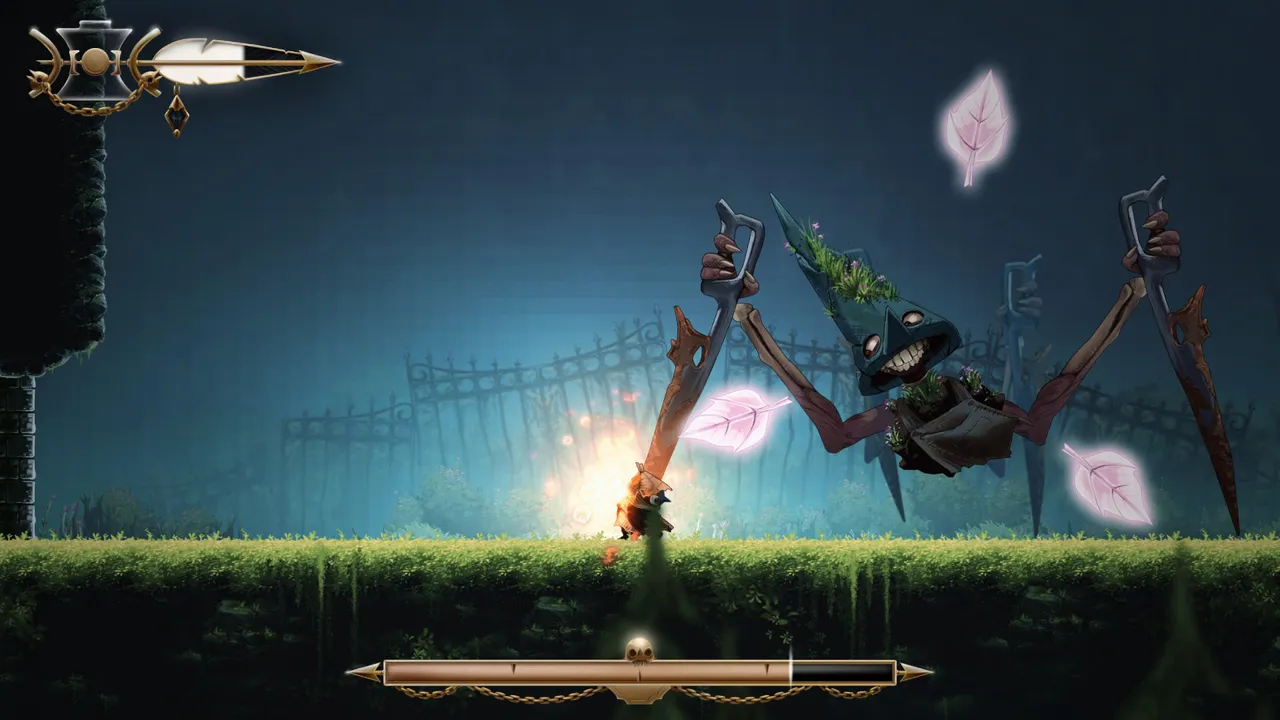
During your time in the kingdom you’ll encounter different bosses and they are challenging without being too punishing. Difficulty options are available too, so if the base challenge is too easy or too hard for you, you can adjust it a bit. I haven’t noticed any collision damage, which is a huge plus in my book as I find this type of damage more annoying that actually challenging.
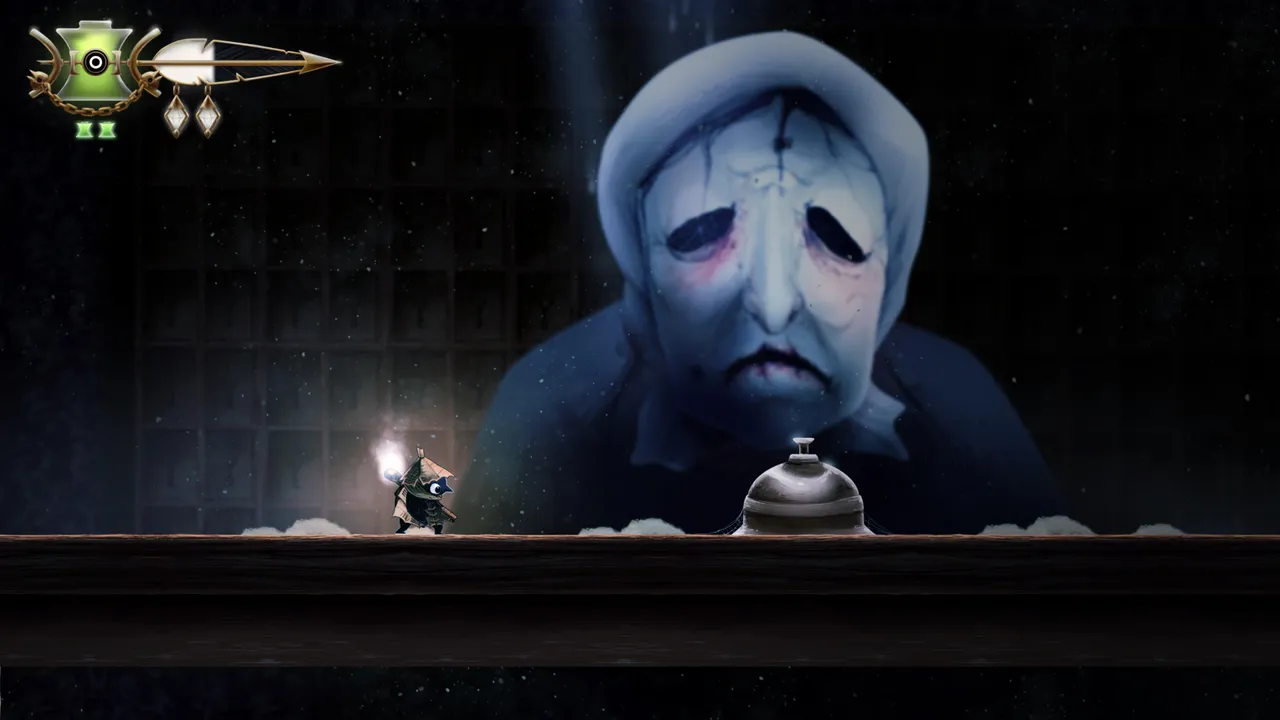
The exploration is also very rewarding, as sometimes there is no real marker on the map to tell you where to go. You can backtrack and go to spaces on the map that you haven’t visited previously, or if you get lost, pay a little bit to get a few hints and a marker. For me, that was the last resort, as I didn’t mind going around the map and then leaving a custom marker where I couldn’t progress at the moment.
While exploring, you’ll come across a few challenging sections, and special timed challenges, which are definitely a fun gameplay addition that you can visit after finishing the main story.
As the game starts with a fairytale telling of how the kingdom works, as you play you get to find different pages that tell stories of other fairytales, which are genuinely worth the detour. I loved finding these and learning what comes next in a certain story.
Feathers rendered with care
Well Dweller's presentation is one of its strongest assets. The game has an art style that is really lovely and charmingly warm, and the animation work feels smooth and full of personality. It doesn’t matter if Glimmer is flying, running, or just reacting to the world around him, he has a certain charm to himself.
The enemy design deserves credit too, they’re well made and carry a distinct visual flair that makes me think of older children's movies such as Coraline, if she were hand drawn and a bit more cartoonish. I remember seeing the Hunter for the first time, honestly he got a twitch out of me.
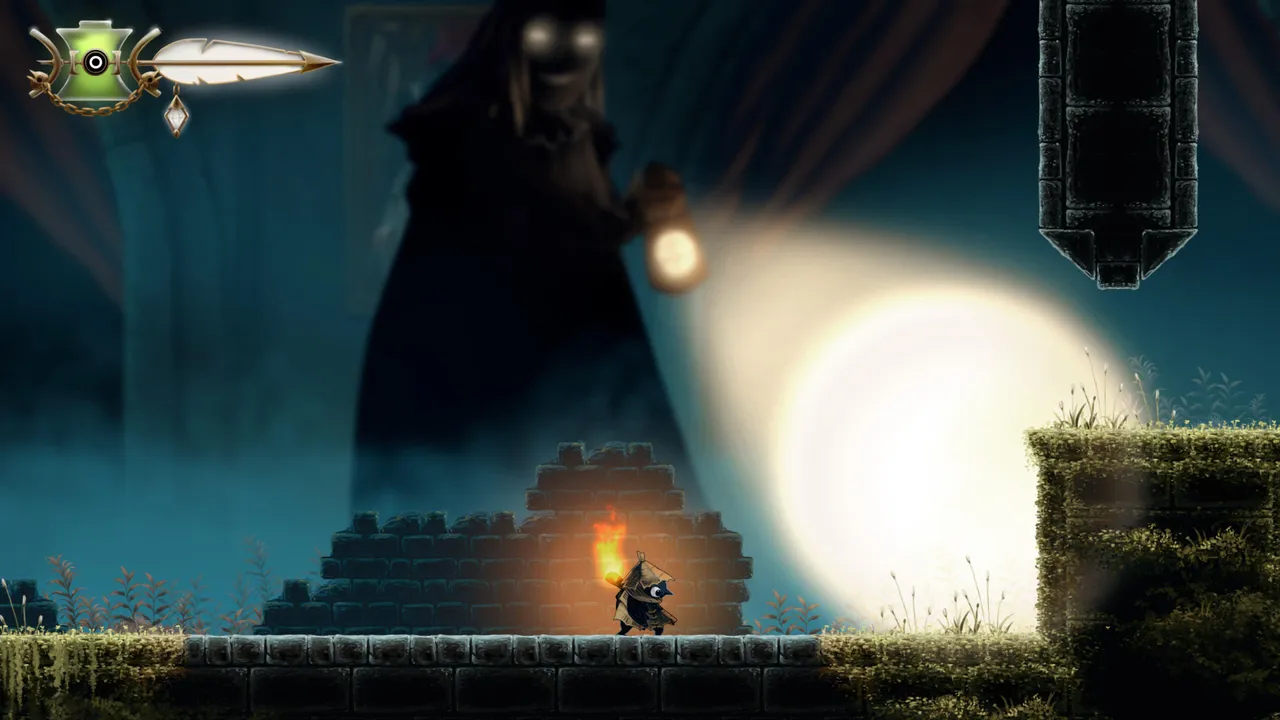
It is unsettling in the right way, and it plays nicely into the rest of the game.
The music is also fitting. During exploration the tunes are calm and easygoing, atmospheric, while during boss fights the music changes and bosses get their own distinct music that matches the heightened stakes of those encounters.
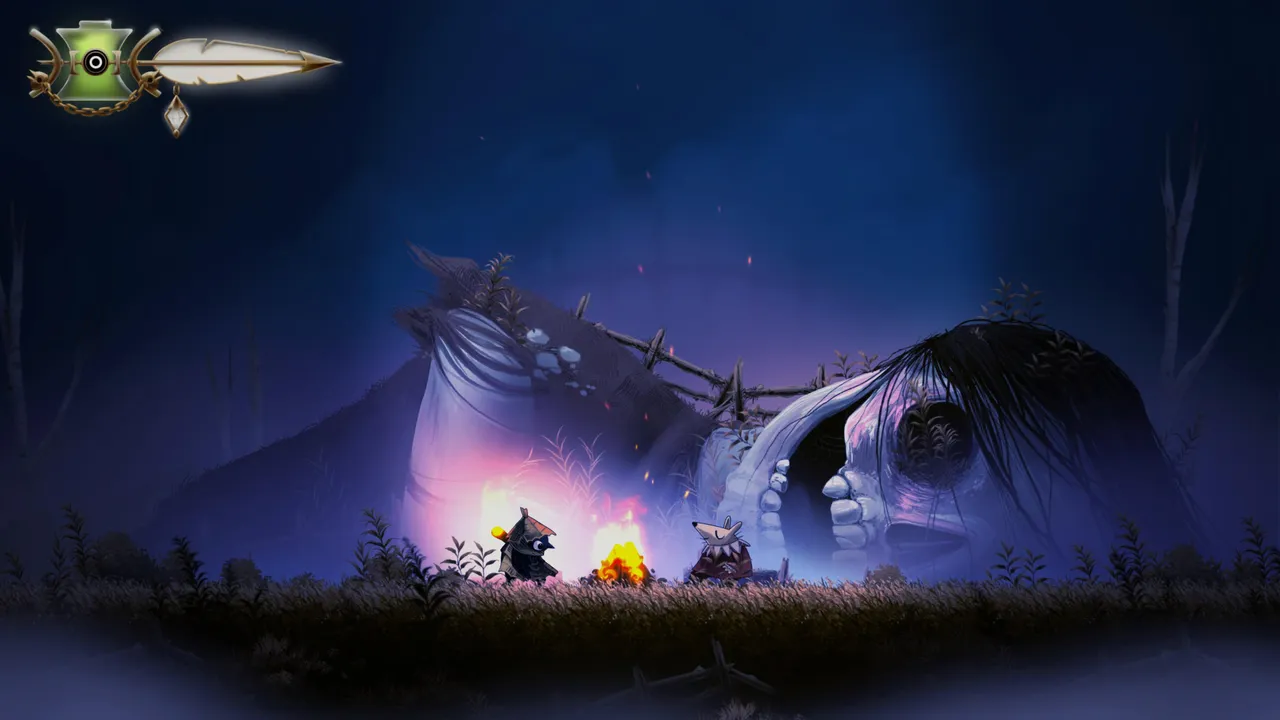
The game mostly is very fluid and I saw no performance issues, but I did notice that there is a small delay when Glimmer moves from stage to stage, as in he moves from screen to screen, but I didn’t consider that such a big issue in the grand scheme of things.
A nest worth returning to
Well Dweller doesn’t shy away from its homage to its predecessors, by the time you are properly on Glimmer’s journey, those comparisons will just be an afterthought. This is a game that has its own identity, built in a charming fairy-tale premise, a cast of characters that you start to care about, and a tone that manages to find a balance between real darkness and humour, never allowing things to get too heavy.
The little mechanical touches added more than I thought at the start, the matchstick as a weapon, the timing-based healing, and the different options of traversal. All of these things are tied to this game, and while it didn’t reinvent the formula, it did build a game that knows exactly where it wants to be and what its voice is.
I went into the Well Dweller expecting familiarity, but I didn’t expect to come out on the other side just as invested in Glimmer, his siblings, and this small kingdom in their fight against an evil monarch. When I was done, I wanted to continue playing and exploring the nooks where I previously couldn't go. The fairytales especially catch you, and you will want to go and find all of them so you know the ending of the stories. I remember being stuck and missing just the last pages of each of them, which naturally meant backtracking and exploring.
It might live in the shadow of giants - for now - but Glimmer and the gang are deserving of the time of any metroidvania enjoyer.
The Good
 Charming, well told fairytale story
- Interesting healing and weapon mechanics
- Fun traversal variety
- Lovely art style and enemy design
- Difficulty options availability
- Reward, non-linear exploration
The Bad
 Minor delay during screen-to-screen transitions
- Resemblance to Hollow Knight/Silksong might bother some players