Trending
I've changed my mind on The Blood of Dawnwalker at least five times during my 30-hour playthrough. From outright disappointment, to genuinely enjoying it, to sheer frustration, and eventually settling somewhere in between - it's been a rollercoaster, and I can't remember the last time a game left me feeling this torn.
It breaks my heart too, since I've been following The Blood of Dawnwalker ever since Rebel Wolves gave us a first teaser back in January 2025. I can't help myself, I'm a sucker for medieval dark fantasy games, especially ones that happen to deal with vampires.
But there's no sugarcoating it: The Blood of Dawnwalker has plenty of issues, and some of them bite badly. Janky gameplay, poor PC performance, basic combat system, and untapped open-world potential all leave this action RPG with plenty still on its plate.
And yet, its gorgeous setting, memorable cast, fantastic lore and world-building, branching quest design, and do-whatever-you-want sandbox storytelling make it stand out in a genre that rarely has the courage to innovate anymore.
The Blood of Dawnwalker comes from former CD Projekt Red developers, directed by Konrad Tomaszkiewicz, who worked on both The Witcher 3: Wild Hunt and Cyberpunk 2077 as head of production and secondary director, respectively.
Those Witcher roots show at every turn. Play this blind, without knowing anything going in, and you'd be forgiven for mistaking it for a janky Witcher spin-off - the resemblance really is that striking.
That's not a knock against it. I'll always welcome more Witcher-like RPGs; it's one of my favourite games of all time. But there are moments where the similarities pile up so heavily that I couldn't help but think, "Oh, come on, guys..."
Menus, fast travel, the Witcher Senses-style investigation mechanic, the music, the art direction, the environments - nearly everything here wears its inspiration on its sleeve. If you're a fan of Geralt's adventures, you'll feel right at home.
A Deal With the Devil
The Blood of Dawnwalker's sprawling open world unfolds in Vale Sangora, a 14th-century valley nestled in the Carpathian Mountains. A group of vampires led by the villain Brencis has overthrown the valley's tyrant ruler, Knyaz Skender, promising the people protection, freedom from taxes, and salvation from the imminent threat - a deadly plague ravaging lands just beyond the valley's borders.
Vampires can cure the sick with a taste of their own blood - but naturally, every creature of the night wants something in return: just a sip of yours. Nothing more.
It sounds like a fair trade on paper, but anyone familiar with vampire fiction knows a deal with the devil is rarely as good as it sounds, and always ends in more misery than it promises to solve.
True to form, the vampires soon rule like tyrants - banning religion, demanding worship in its place. Church frescoes are torn down and replaced with grotesque portraits of the vampires as gods. Humans are reduced to little more than livestock, drained in blood farms scattered across the valley. Fear spreads quickly among Vale Sangora's people, who worry it's only a matter of time before the vampires drink them dry.
This is where Coen's story begins. You play as an ordinary villager who gets swept up in a small resistance plotting to fight back. The plan goes horribly wrong - a group of peasants is hardly a match for the creatures of the night - and the vampires retaliate, slaughtering entire villages and dragging survivors, including Coen's family, off to dungeons to be sacrificed in Brencis' Coronation in thirty days' time.
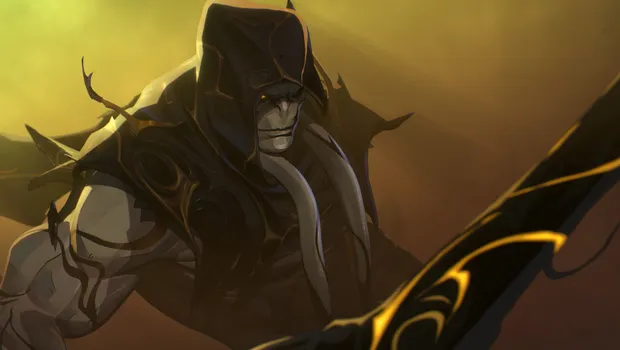
During the fighting, Brencis, the vampire leader himself, bites Coen. Rather than dying, Coen becomes a Dawnwalker: human by day, vampire by night.
Thirty Days, Your Way
With thirty days to save his family, Coen's journey is refreshingly open-ended. Want to hunt down Brencis and his vampire generals immediately? You can, but be warned, you'll likely be one-shot and barely scratch their health bars in these early confrontations. Prefer to prepare first, gather better gear, and join a local rebel faction for extra manpower? That works too. Curious about the legend of Mihai, a fearless vampire hunter whose lost sword might turn the tide? You can chase that thread instead.
Or you could simply explore: levelling up, unlocking skills, clearing side quests, dismantling vampire blood operations, and picking off Brencis' commanders one by one, until he emerges from the shadows.
The Blood of Dawnwalker refuses to funnel you down a single path. The story is yours to shape, and the game gives you ample time to do it your way.
That said, you won't be able to do everything in a single playthrough. Side quests, activities, question-mark map icons, and Assassin's Creed-style towers to climb for revealing points of interest - something will always be left on the table. This is by design.
The structure practically begs for multiple playthroughs, not just because of the choices you're forced to skip, but because of the strength of the quest design itself - a robust choice-and-consequence system that shapes your adventure in superbly interesting ways.
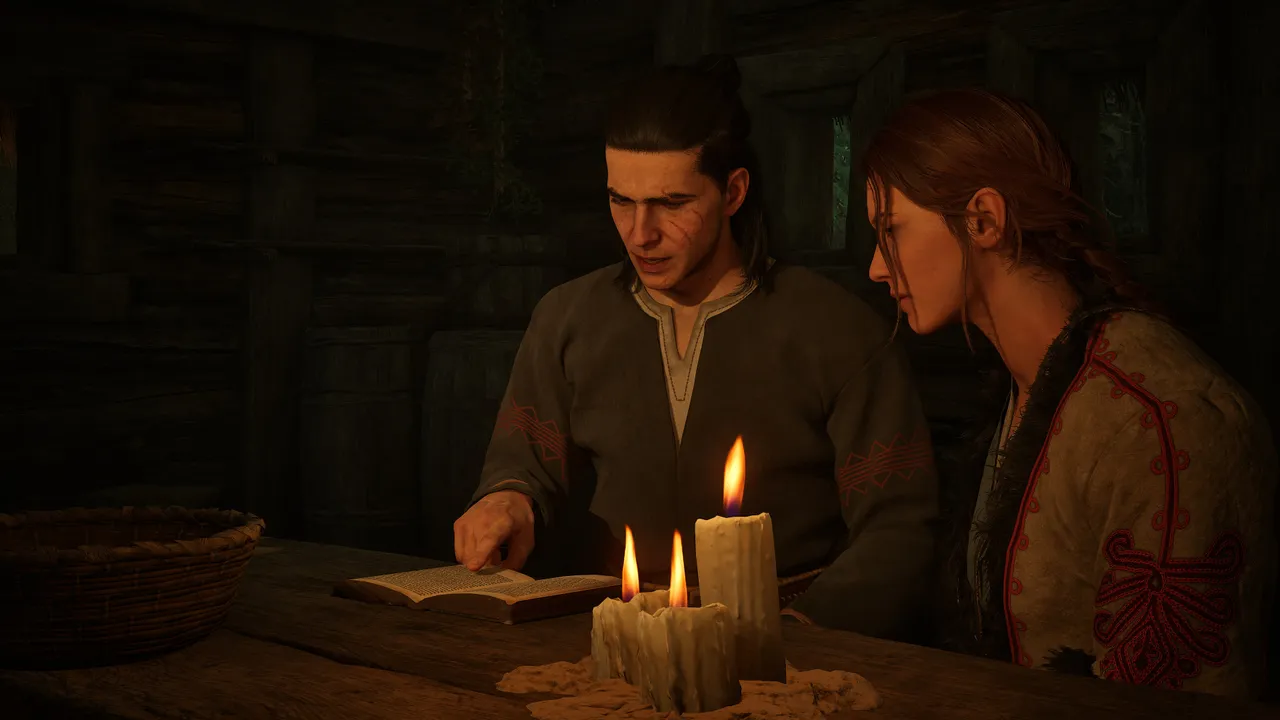
Without spoiling too much, quests can be approached from multiple angles, and that flexibility is one of the game's biggest strengths. Coen's blood cravings add another compelling layer, letting you lean into hunger and embrace your vampiric side as you play. Some key NPCs can even be killed outright, locking you out of their questlines entirely - or you can walk the line between both worlds and balance humanity with hunger.
I always appreciate when games do this. Rather than a simple good/evil binary, it gives you real incentive to experiment with different builds and roleplay approaches.
Side quests are one of the highlights too. Albeit a bit basic mechanically, they are cleverly written. I failed to find a single one that I could describe as boring - even the shortest of them, like helping a village blacksmith find his missing daughter (which merely requires a short trip to the nearby forest), have really compelling stories. These are prime examples of how talented the people working on this game are, and how rich their experience is with games like The Witcher 3 and Cyberpunk 2077.
One character in particular, a witch called Anca, stands out. Her story is deep, full of mysterious twists and turns. She has a lengthy questline that takes you from haunted convents to ancient ruins, during which you'll have plenty of conversations that uncover her past and the things she hides from others, including the opportunity to romance her, since the chemistry between her and Coen is apparent from the get-go.
Speaking of romance, there are a couple of other romanceable options too. I haven't explored them all, but based on my time with Anca, these don't feel like they're there just as filler. Rebel Wolves seems to have made them feel meaningful rather than forced for the sake of ticking a box. That said, they don't appear to have any additional impact on the wider story.
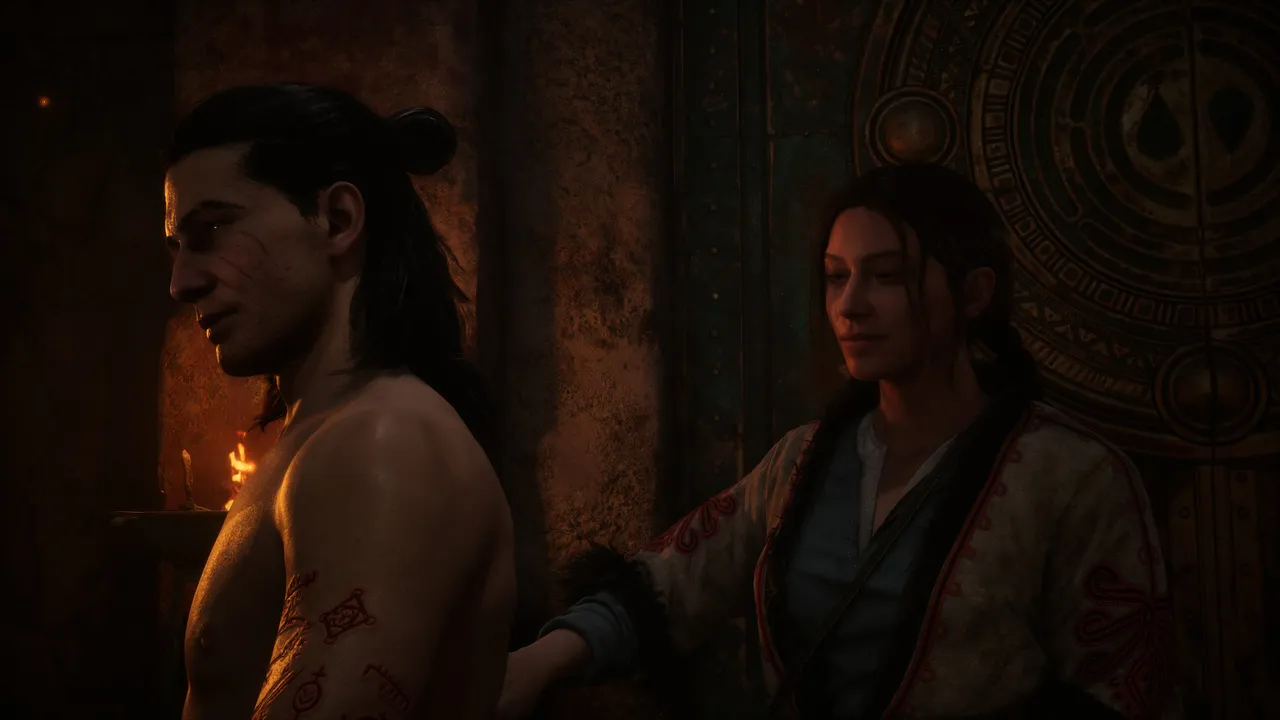
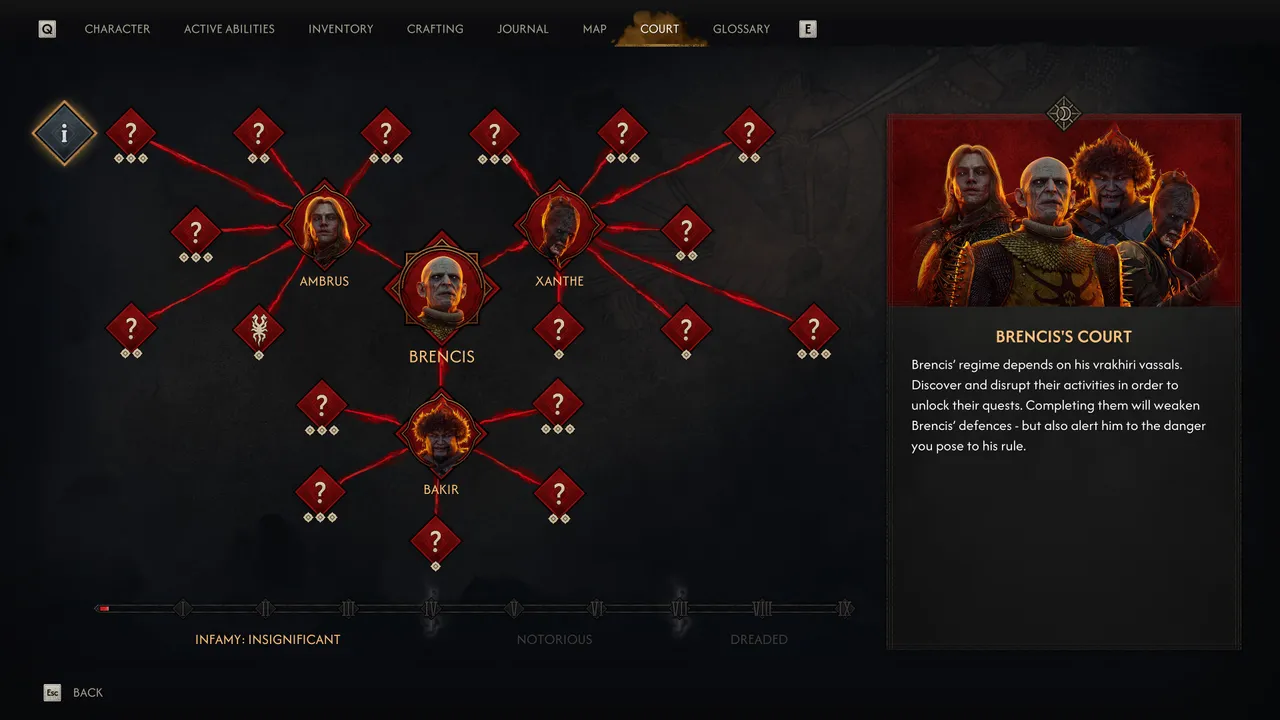
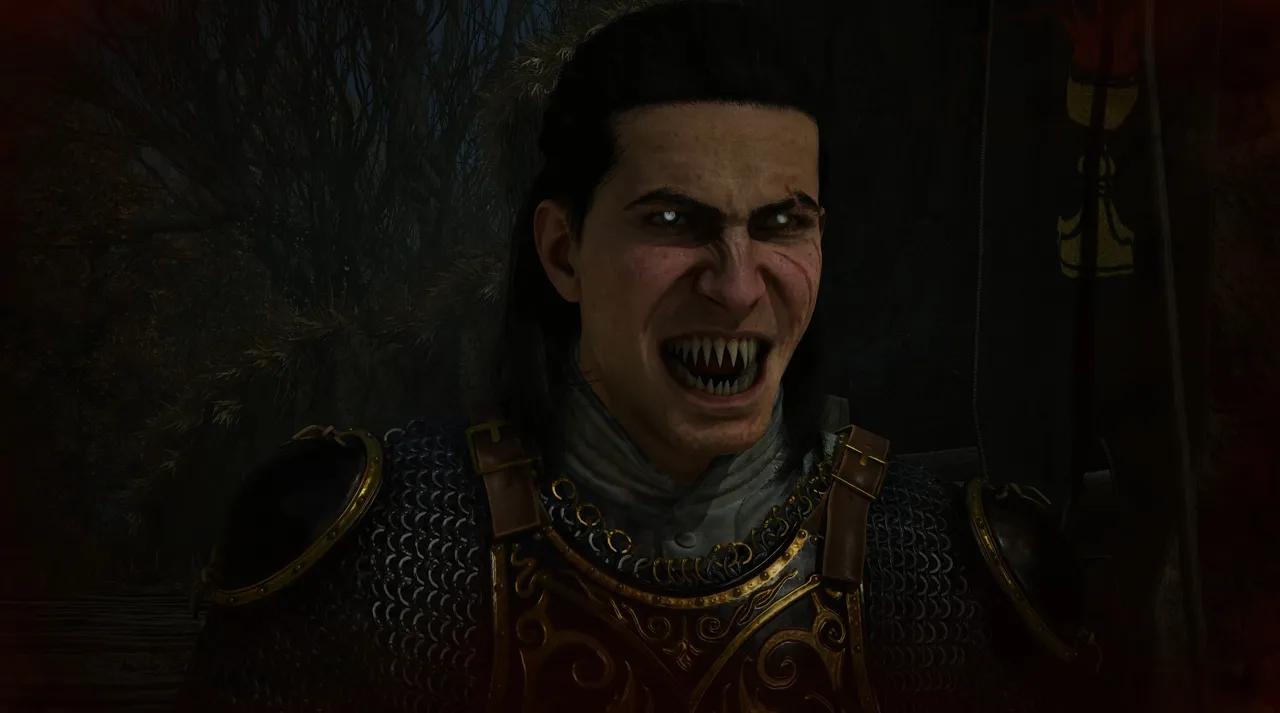
The villains too have their charm, especially the main one, Brencis, who will crawl under your skin the first time you see him. The rest of the gang can be intimidating too, but it all depends on how much you actually research them and how you approach taking them down. If you try to simply find them straight away, you'll miss out on all this rich lore and story building towards that moment. There are orders to find in camps, side quests to solve that give more context and info about the vampires' terrible acts, their potential locations, and so on.
Again, depending on how you approach this sandbox narrative, the vampires can feel a bit bland or completely believable and terrifying.
A Bite With No Sting
Unfortunately for The Blood of Dawnwalker, the actual gameplay execution is where things start to fall apart.
As I stated at the beginning of this review, the game possesses a serious amount of jank, to the point it doesn't feel like a polished, full-price AAA product. This jank shows up everywhere: awkward movement, odd combat animations, and a camera that sometimes feels like a bigger challenge than the game's unnecessarily large groups of enemies.
One good thing about all this jank and lack of polish is that you can get used to it, at least I know I did. After spending 10-15 hours with the game, the awkward movement and combat became ingrained in my muscle memory.
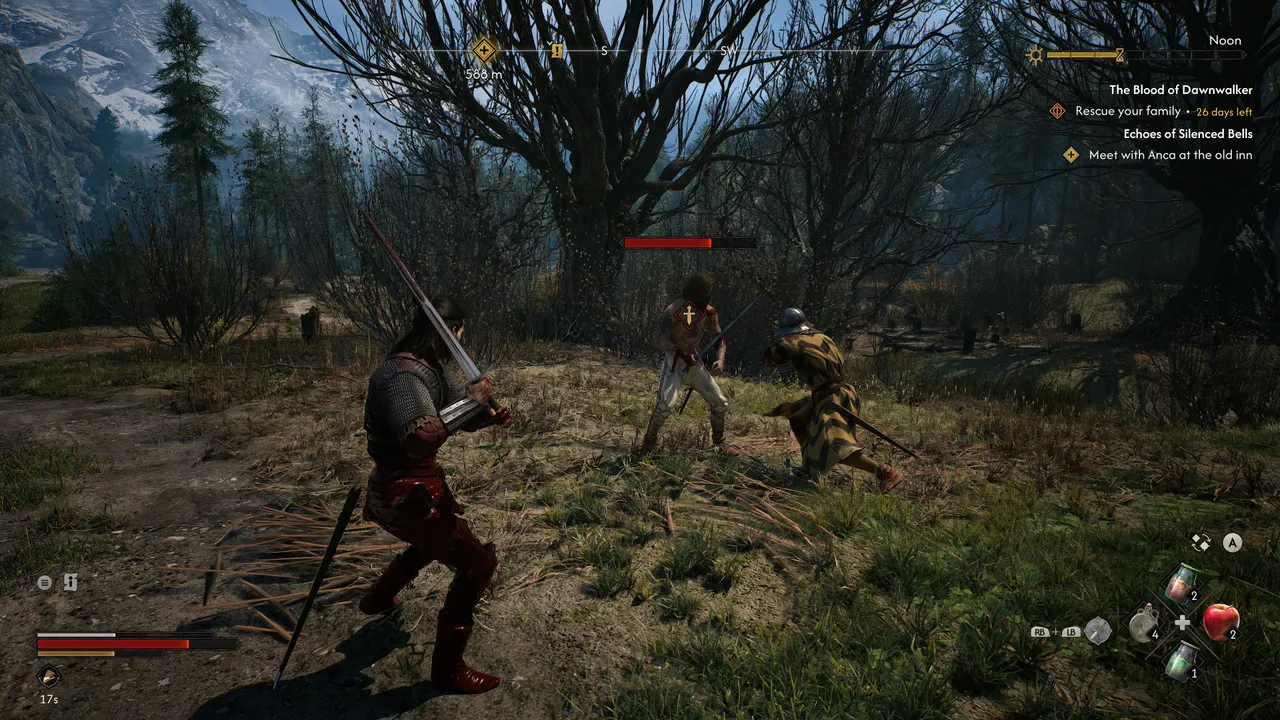
One thing that never went away is just how basic the combat feels, regardless of how many abilities you activate, and there isn't really that much to begin with. The skill tree is split into three branches - Swordsmanship, Vampirism and Magic - and consists mostly of passive abilities and perks. There are several active ones too, allowing you to slow down time, bite into enemies during the night, apply bleed, stun, teleport behind enemies using your vampiric power, and unleash powerful slashes that take a bunch of health from humans, monsters and vampires.
But the lack of cool magic and special attacks isn't what underwhelmed me.
The actual fighting part is what I found to be so baffling, so basic. You'll be repeating the same thing over and over again until the enemy dies. You may think, but that's how every game works, you muppet. Here's the thing: here, it's so pronounced, mainly because of the game's fighting system, called directional combat.
Basically, you can attack the enemy in multiple directions - up, down, right, left - and the enemy can do the same. Once the enemy attacks, you can parry those attacks by blocking in the direction of the enemy attack. A successful parry opens up enemies for counterattacks and a combo of two or three hits before the enemy attacks again.
And that's pretty much it. That's the whole thing: perfect parry, counter, perfect parry, counter, and once in a while you can throw in a bleed or stun ability to make enemies go down quicker. And the parry window is very generous, even on higher difficulty levels, especially if you find a weapon that increases the parry window. It becomes a cakewalk.
There's little to no stagger mechanic here. Enemies will interrupt your combos mid-swing - which is fair enough in principle - but the result is animations that abruptly cut off, making combat look unnatural and off. It just doesn't feel like a good combat experience. I'll admit that watching it on screen looks better, but once you actually take the controller in your hands, it's a different story.
There's also another combat system that aims for a more traditional experience, offering quicker and simpler fighting without all the directional attacks and parries, but that feels even more basic, and I stuck to the directional one from the get-go.
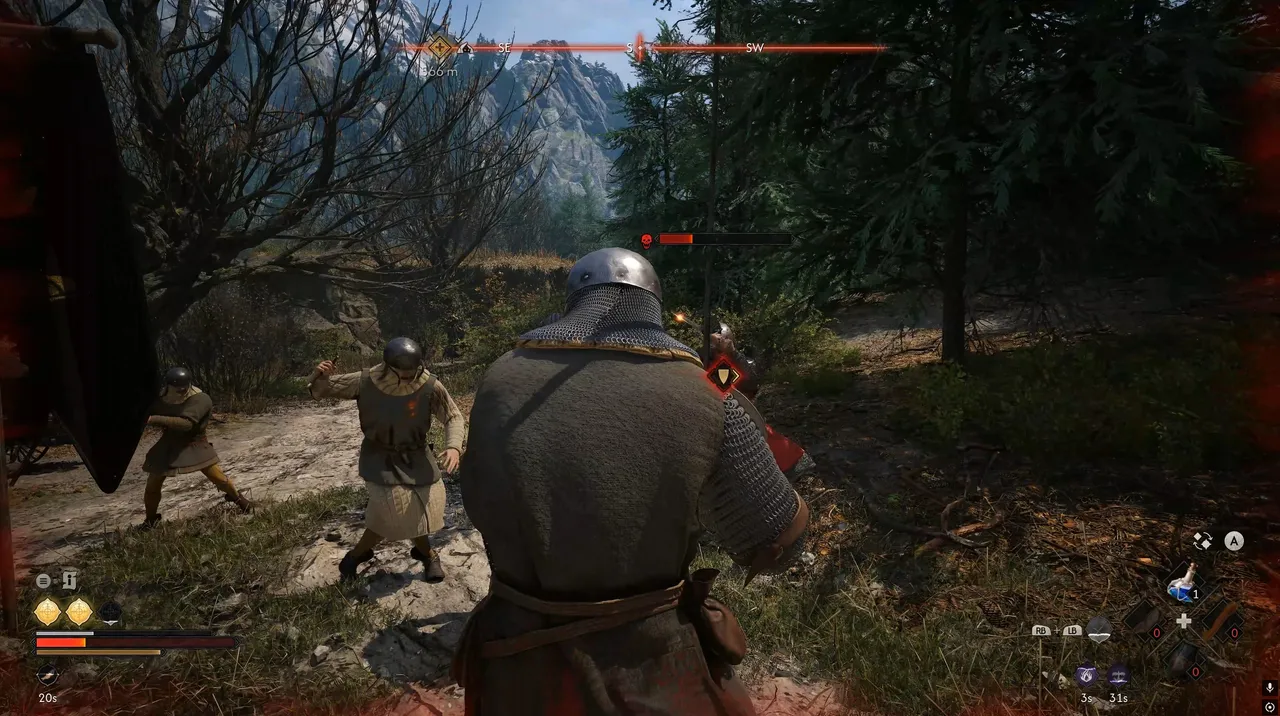
And don't get me started on the camera. I think I died more often because of the camera - which often makes it impossible to see which enemy is attacking you - than from actually being beaten in combat fair and square. It's so bad that I had to go into the menu and change the camera to Near, which basically gets stuck to Coen's shoulder. This way it feels more impactful, doesn't drift far away, and doesn't get lost behind objects and foliage, leaving you with only half your screen visible.
Another thing that lacks polish is the vampire traversal. Basically, the game allows you to climb buildings and walk on walls thanks to your vampiric powers. It's a lovely idea to give the game even more differentiation between day and night gameplay. During the day, you're basically human with some magical powers, minus the vampiric ones. During the night, you get the ability to teleport and walk on walls, as I said, which opens up a bunch of possibilities for solving quests in a completely new way.
But it's janky. Like properly janky. For example, the mechanic that allows you to teleport short distances - similar to the one in Dishonored - to jump across chasms, roofs and so on, will sometimes simply refuse to snap to the location you want to jump to. Sometimes it will flicker between a red "can't teleport" and white "can teleport" indicator; sometimes it won't allow you to teleport even a short distance, just because the game decides you're not supposed to go there.
Compared to Dishonored's fluid, easy-to-use teleportation system, Dawnwalker's version feels properly underwhelming. It's a shame, again, since the idea is great on paper.
A Beautiful Valley, Strangely Lifeless
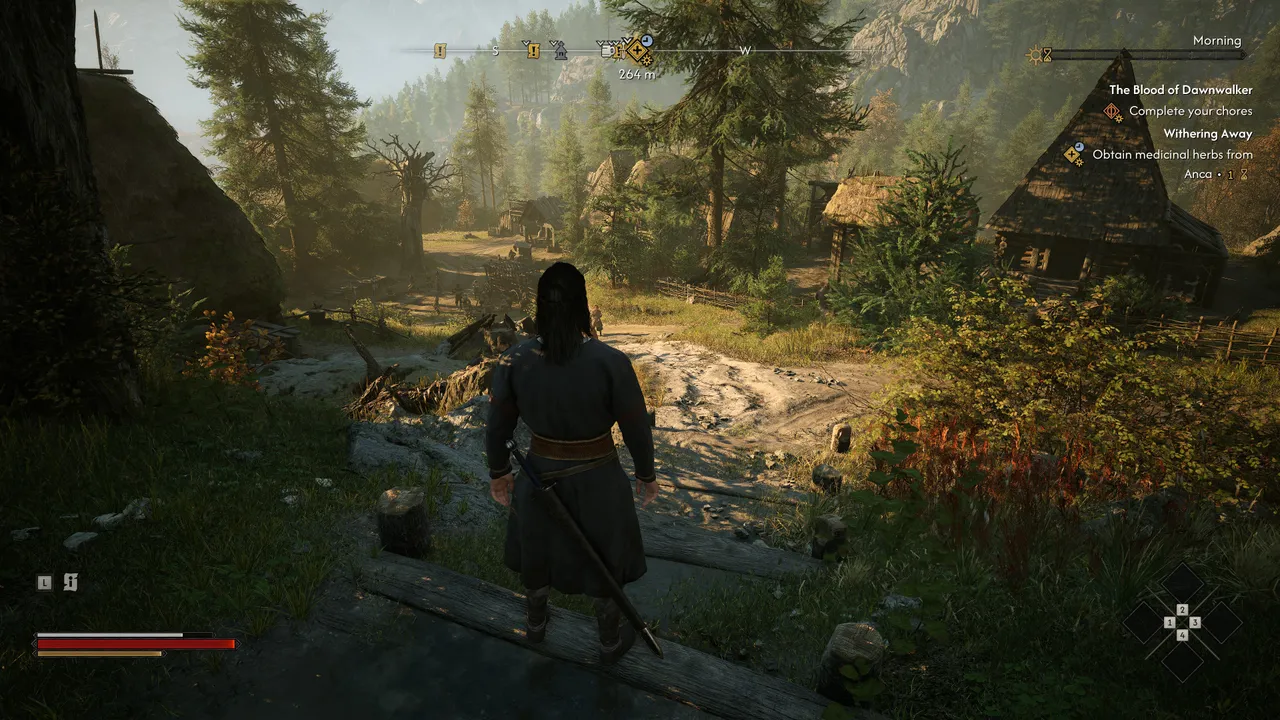
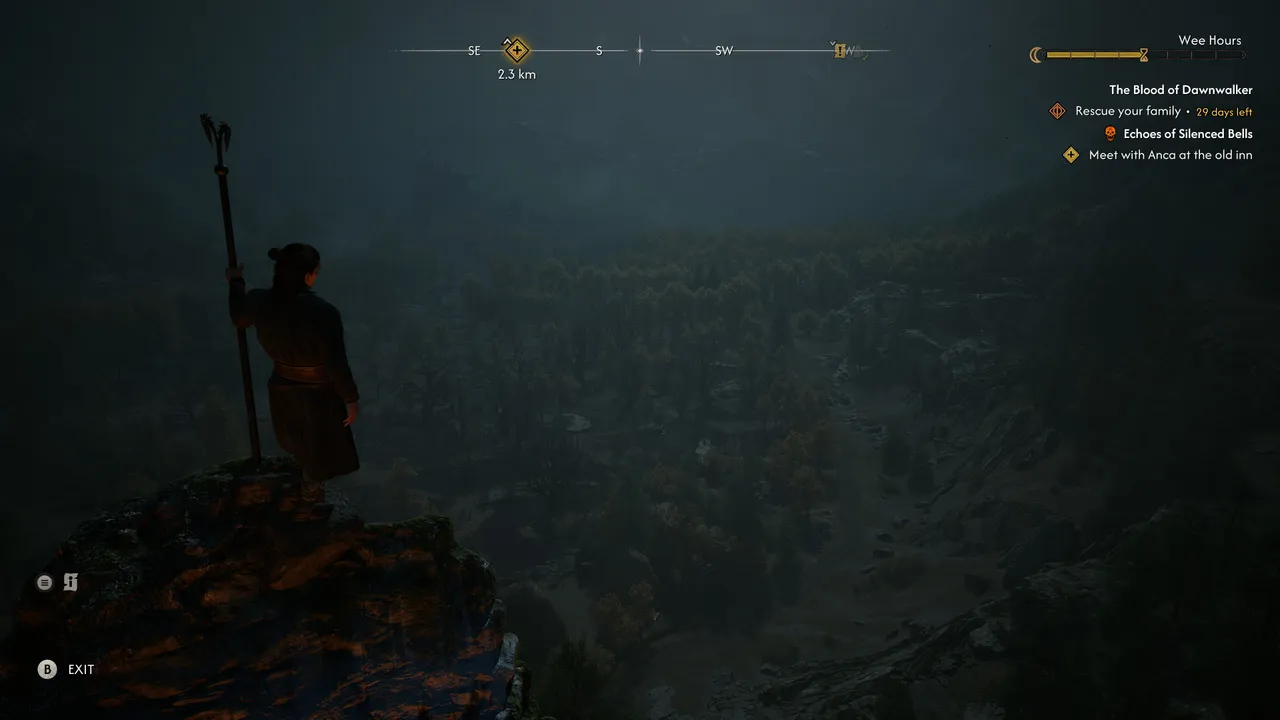
When it comes to the open world, I've already mentioned it's filled with untapped potential. I really love how it looks - the swamps, dense forests, sweeping vistas, quaint villages - there's no question about it.
And there's a generous amount of icons scattered around the world. There are towers to climb, things to discover and collect, beasts to find and kill, people to save and side quests to solve. The issue is that despite all of this, the world feels a bit empty, like there's nothing happening here at all, even though the map is littered with icons.
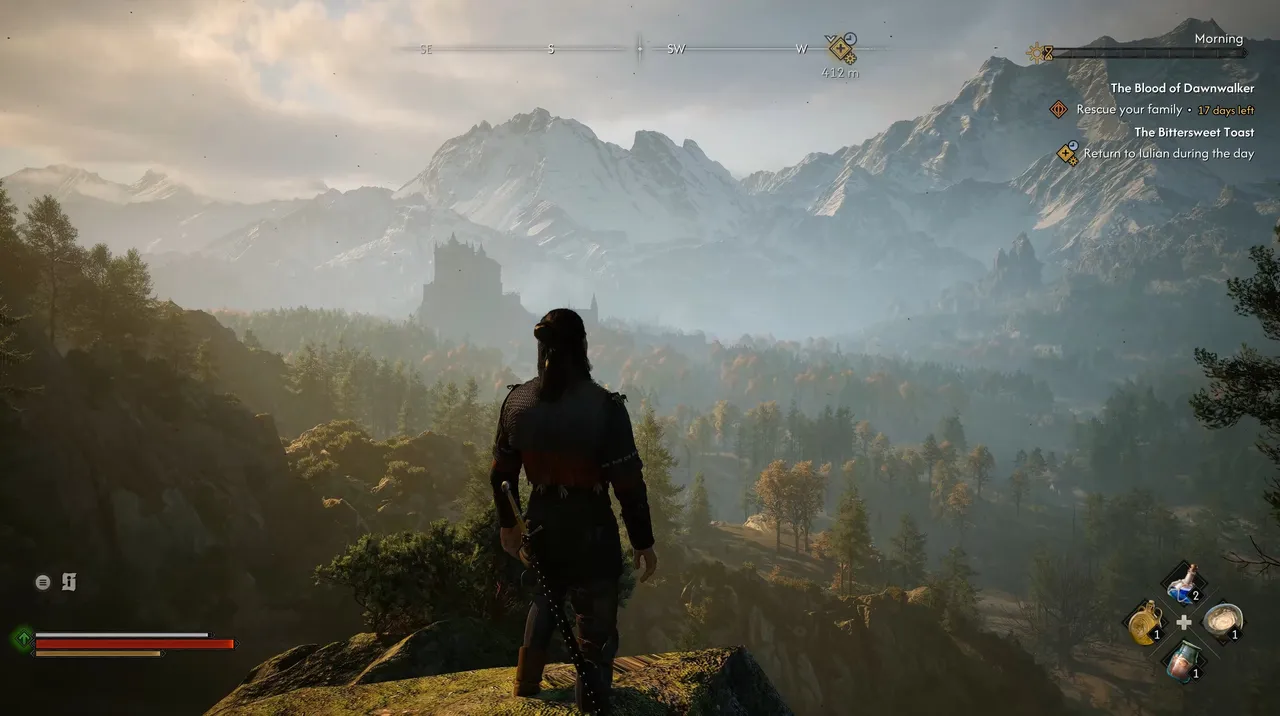
It's a far cry from the world in The Witcher 3, which felt alive at every corner. Arriving at most of the villages in CDPR's RPG felt instantly exciting, since you knew some interesting opportunity - be it a quest, a monster contract, or something else - was awaiting you there.
It's a shame since worldbuilding is incredible here. There are so many great stories you can find that serve as a rich background for this valley you find yourself in. The writing team really did an incredible job giving the world plenty of history, important context and rich flavour. At times, I found myself wishing I was playing the events before the actual game, as the in-game books made them sound super intriguing.
Visuals, Music, Performance
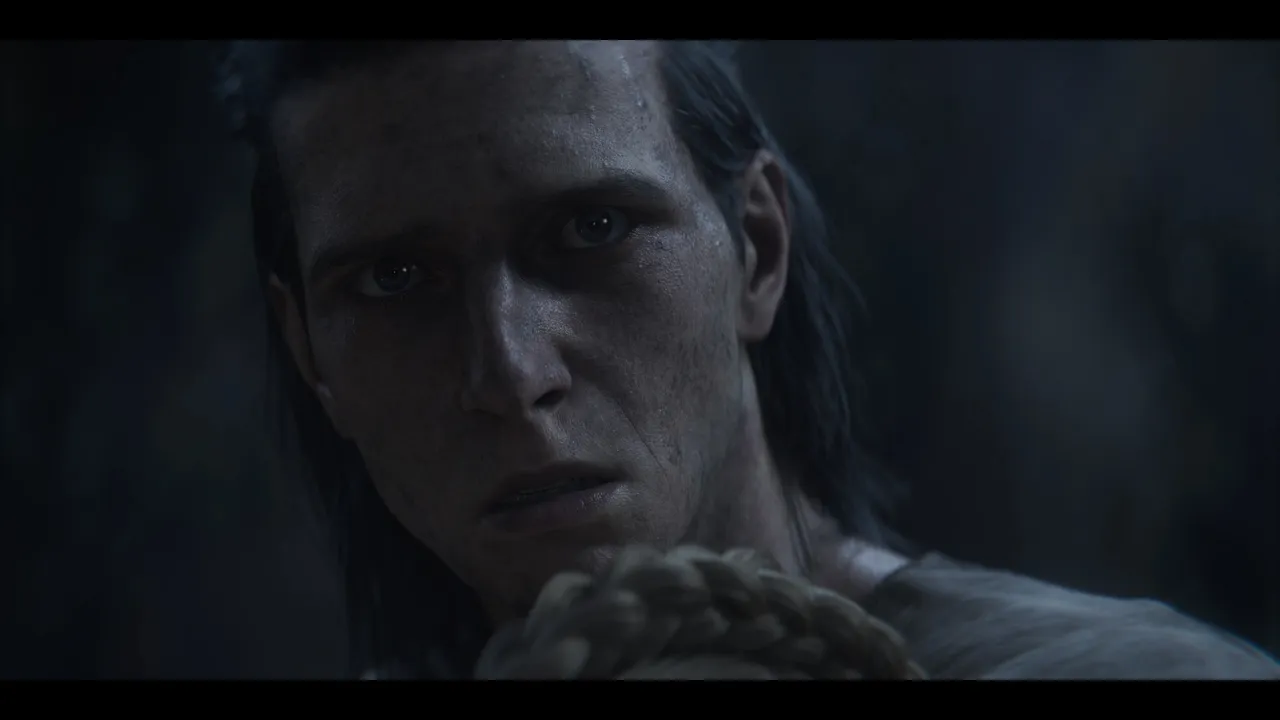
One thing that I was completely captivated by is just how good the cinematics are in the game. They are top quality, on par with the best you'll see in the industry. The only real shame is that the pre-rendered cinematics - not the real-time ones, but the ones that play during key parts of the story - feel a bit choppier than they should. I'm not entirely sure why, but they lack that smooth, deliberate quality good pre-rendered cinematics usually have. The cinematography and the art are simply incredible here regardless. I was particularly impressed by the intro cinematic and the one that plays during the first mass, in the first hour of the game. The mass one in particular was jaw-dropping. At that point, I was really eager to get on with the game; it left such a strong impression, despite the issues.
When it comes to music, this is probably the part of the game that is closest to The Witcher 3. At times, it sounds almost identical to CD Projekt Red's RPG, with wooden flutes, string instruments, and voices giving you that dark fantasy medieval feeling we got in The Witcher.
I don't mind it really. The music in Dawnwalker is great - I'd go as far as to say it's excellent - and the same can be said for the sound design.
The sound of clashing swords, enemy grunting, screaming during fights, and the sound effects as you bite into an enemy's neck as a vampire, are all consistently great. I really didn't notice anything that was off here. And this is the thing with Dawnwalker: everything artistic in this title is simply amazing - the art, the music, the writing, the characters, the lore. Everywhere the talented devs have put their signature is consistently impressive. It's the technical stuff, the gameplay, the performance, etc, where this game shows it needed more development time.
Take performance as another example. I played this on a Ryzen 7800X3D, RTX 4080, NVMe SSD, and 32GB of RAM.
Without frame generation and DLSS, I couldn't hit a consistent 60 FPS with everything set to Ultra at 4K. Turning on frame generation and setting DLSS to Balanced pushed me up to a much healthier 80-100 FPS. Blood of Dawnwalker looks nice, but it shouldn't need that much help to run smoothly.
I've played better-looking games, with more advanced graphical tech and higher fidelity than Dawnwalker, that still managed higher framerates natively.
The game also has stuttering issues, but at least this seems to be fixable by locking your framerate. Lowering the settings doesn't seem to help much - dropping to High added a couple of frames per second, but nothing major.
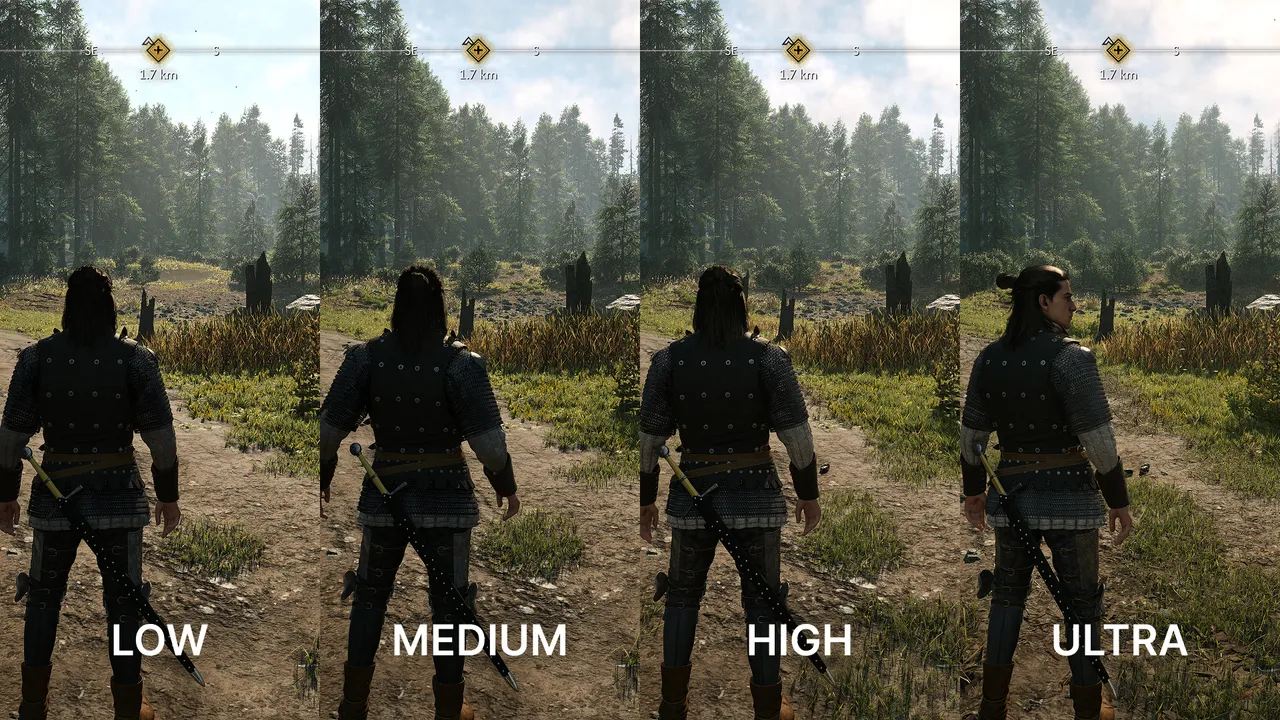
In a nutshell, even with a high-end rig, unless you have an RTX 5090 (perhaps not even with that beast), you won't be able to play Blood of Dawnwalker at a consistent 60+ FPS without upscaling and frame generation. That's a sad, major issue, but it's certainly something a post-launch patch could fix.
Worth the Bite, Scars and All
In conclusion, I'd lie if I said I didn't have fun with Dawnwalker, but for the amount of fun there was an equal amount of frustration and disappointment.
This is a good game, with strong writing, quests, a fantastic approach to sandbox storytelling, and great lore and stories, but it's seriously lacking in gameplay. The combat is probably one of the worst I've experienced in a while. Performance is another culprit. Dawnwalker needed more time in the oven, and it's a big shame since its foundations are simply excellent. I just wish the development team had spent more time polishing this experience - then we'd be talking about how absolutely great this game is, rather than how great it could've been. Right now, it's just good, if you decide to invest time in it.
I feel like many players will bounce at the beginning, since janky movement and poor combat will be the main things to push them away.
The Good
 Exceptional lore, world-building, and quest writing
- Flexible sandbox storytelling with real consequences
- Memorable characters
- Great music and sound design
- Cinematics on par with the best in the industry
The Bad
 Combat is repetitive, basic, and one of the weakest in recent memory
- Camera actively works against you in fights
- Vampire traversal/teleport mechanics are inconsistent and frustrating
- Poor PC performance - can't sustain 60 FPS even on high-end hardware without upscaling
- Open world looks beautiful but feels empty despite being full of icons