Trending
George Lucas' prequel trilogy begins with Star Wars: Episode I - The Phantom Menace, showing a peek at the tragic hero of the whole saga, Anakin Skywalker. After his introduction into the story, George Lucas introduces one of the most fascinating things in the Star Wars universe - podracing.
The Boonta Eve Classic is the first instance of podracing as a defining event in the Star Wars universe. While the event slowly becomes a highly illegal activity as the story progresses, it still is a defining event for many Star Wars fans. The high-stakes world of racing from Star Wars translates really well into a racing title, where the newest title, Star Wars: Galactic Racer, comes in.
Star Wars: Galactic Racer is a run-based, almost roguelike arcade racer that takes place after the banishing of the Empire from the galaxy. The game starts off and goes on like a high-stakes Need for Speed title, where once you crash, it's back to the beginning.
Single-player Campaign is a proper roguelike
The story's each "tour" functions exactly like a roguelike run, where once you crash, you have to restart the ladder from scratch. As you restart, you keep all upgrades for the next run. You can add different toolkits to your race vehicle to make each run different from the previous one.
Unlike most arcade racers, where the story is more linear, the roguelike aspect of Galactic Racer is actually a breath of fresh air in the genre. This creates a major replayability loop for the game, which is a major advantage over other racers, which seem to play it safe with every new iteration.
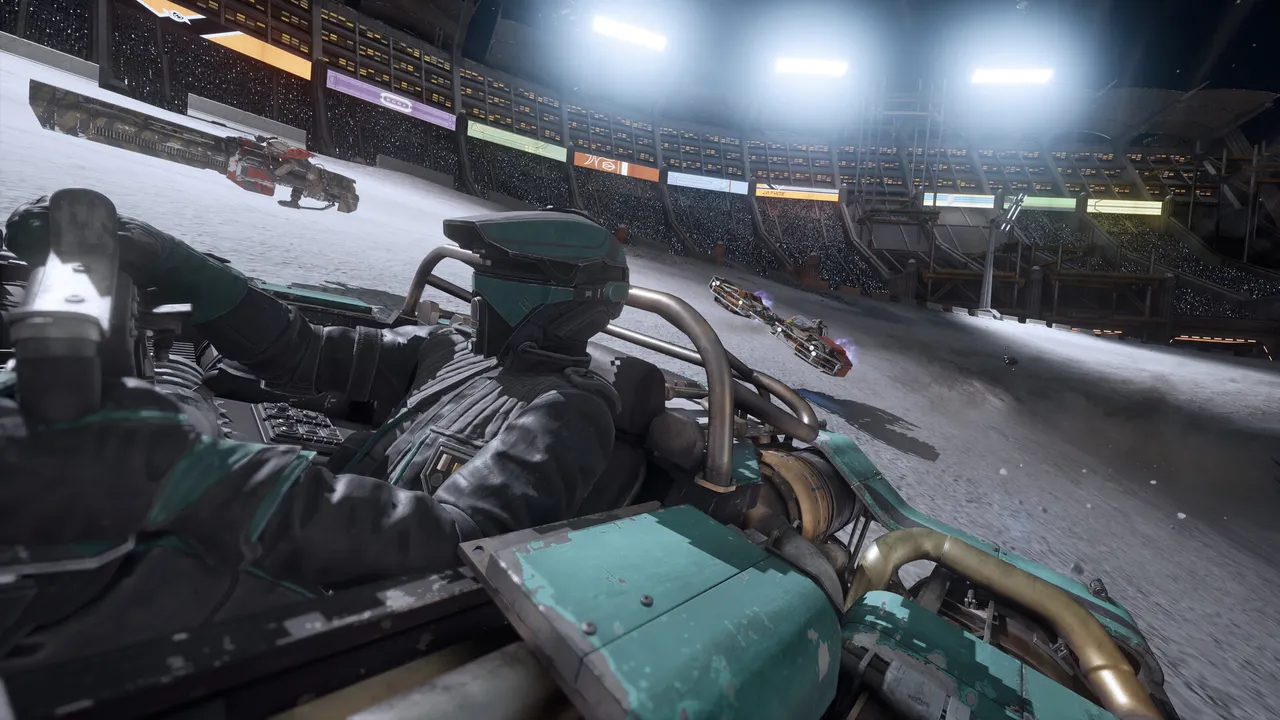
Each vehicle type has its own identity
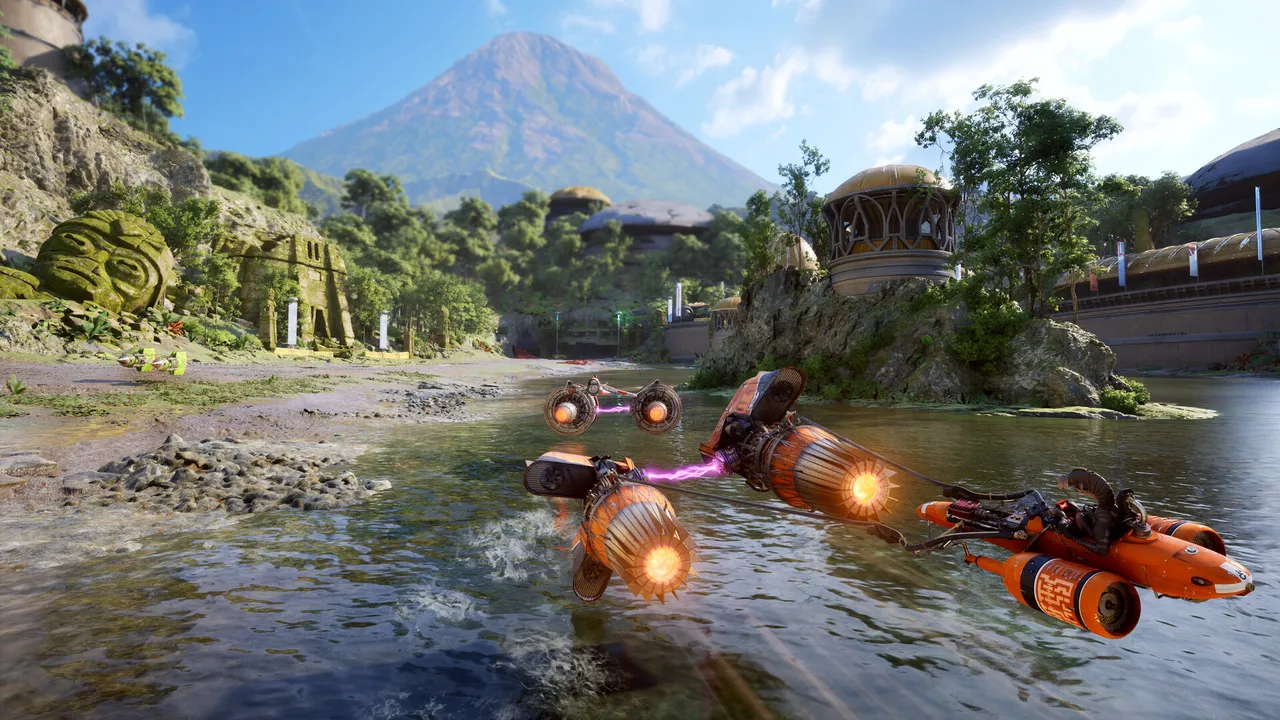
What caught me by surprise was the fact that each vehicle class in the game has its own identity with distinct nuances and handling capabilities. For instance, Landspeeders are heavier; that makes them perfect for ramming other racers. Poodracers are fast and extremely agile, making the handling a skill you have to master.
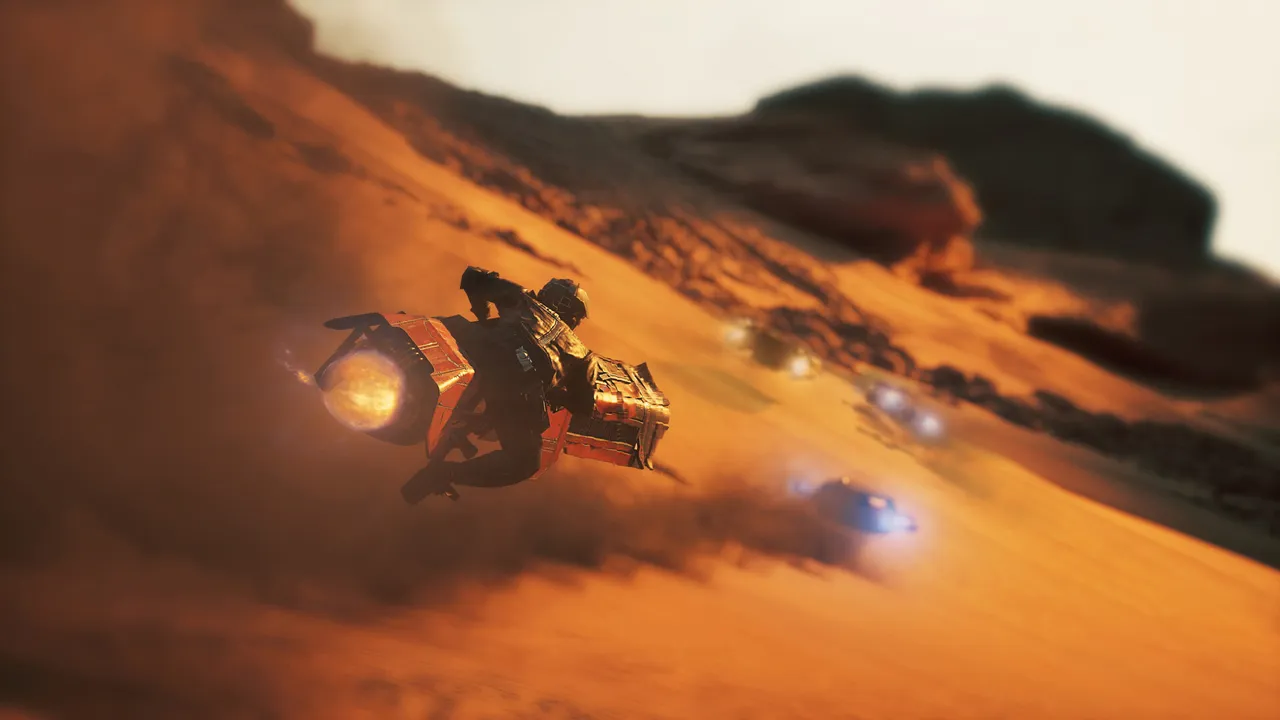
Collisions feel like a cinematic experience
The complete experience of the game reminded me of a genuine combination of Vector Unit's Riptide GP and Wipeout. Moreover, considering Fuse Games is mostly comprised of Criterion developers, the game takes major inspiration for aggression and damage from the Burnout series.
Just like in Burnout, the collision physics in Galactic Racer are satisfying as ever. Ramming an opponent into the wall turns into a slow-motion cut that shows the crash's aftermath. This also makes sense when you take into account the fact that Criterion also developed 2010's Need for Speed: Hot Pursuit, which was filled with stylised crashing sequences.
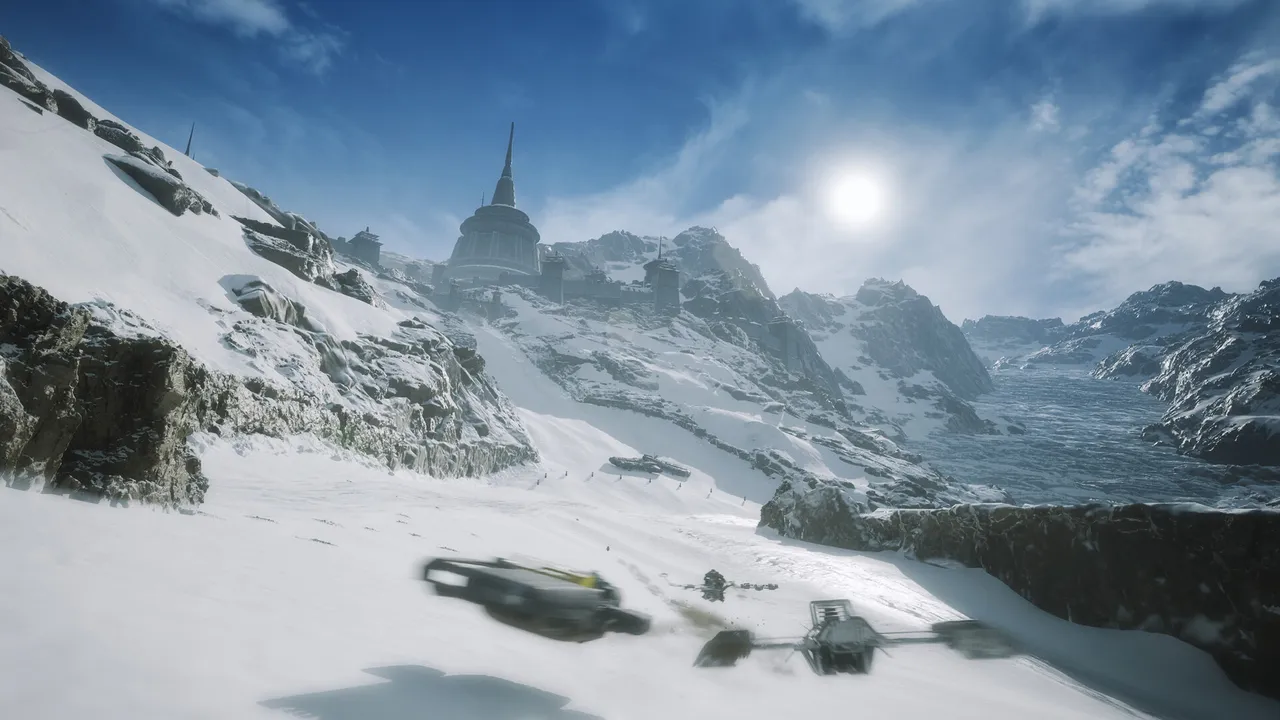
The multiplayer mode is an innovative approach
Galactic Racer's multiplayer mode is actually quite different from most arcade racer titles out there. Instead of a normal race-and-done multiplayer, the multiplayer tour takes upon the single-player campaign's run-based loop and condenses it into a single 30-40 minute session.
Each session continues for six rounds with up to 12 players. The additional mechanics include a betting system, which allows you to bet on which position you might finish in once the race is over. However, the interesting part of the multiplayer is the build choices you get during every run that feel quite similar to MOBA titles.
Overall, the multiplayer experience is deeply layered with the combination of a roguelike and MOBA, which can be a major hook for players in the long run, as each session will be varied from the previous session.
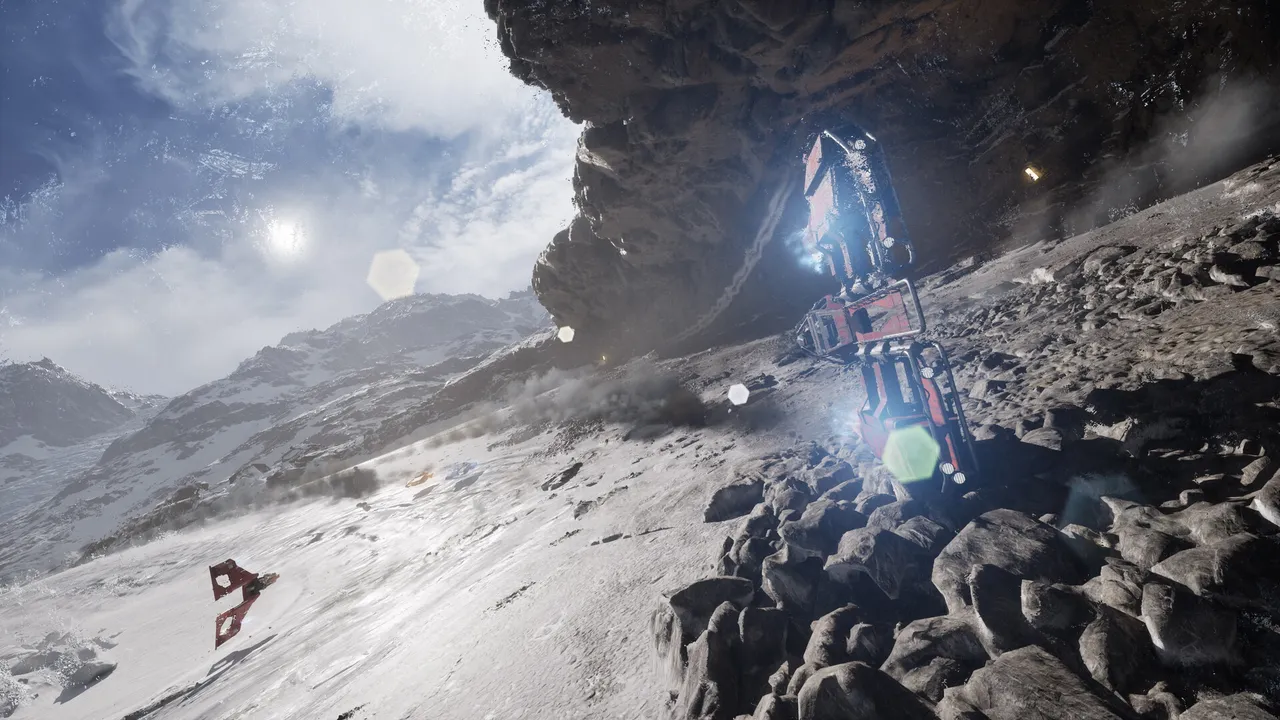
Missed potential on no split-screen multiplayer
Galactic Racer feels like an ideal title that would have actually flourished with a split-screen multiplayer mode. The game's arcade racing identity combined with the behaviour of the vehicles would have been a blast to enjoy this game in a split-screen setting. In a party or local co-op aspect, it is a major missed opportunity to not include a split-screen mode. However, it's one that the devs could add in the post-launch updates.
Long-term retention is a major gamble
Unfortunately, even with so many innovative mechanics and arranged gameplay aspects, Galactic Racer might face a long-term player retention problem. Just like any other arcade racing title, the game's long-term player retention might tank a little as the single-player content runs out. While the multiplayer mode is well thought out, it is not something players might enjoy in the long run.
Unless Fuse Games keeps releasing new content periodically, the game's long-term player retention will actually be an issue from my point of view. Compared to shooters or sports multiplayer titles, racing multiplayer titles also become a major drag in the long run unless they focus on simulation racing or open-world racing.
Final Thoughts
Star Wars: Galactic Racer shines as a fast-paced arcade racer. The roguelike approach for the campaign is genuinely a smart move, rather than relying on a traditional linear story. Each vehicle class shines in its own category while remaining mechanically distinct from the others. On the surface, the multiplayer mode is a refreshing take on the arcade racing scene, combining roguelike and MOBA elements into an action-packed sequence.
Galactic Racer is more of a title that I would burn through in weeks rather than dwell on it for months. While the robust multiplayer mode might keep players latched onto it for a certain time, it will seriously cause burnout in the long run. The absence of a split-screen multiplayer mode is a major missed opportunity for Fuse Games, as it surely would have turned it into a great game for families or even friends in a party setting.
In a nutshell, Galactic Racer is a well-designed arcade racer that's tightly built with an excellent single-player structure that rewards players focusing on repeat runs. Additionally, the multiplayer adds another layer of reward for players who are actually fans of the podracing culture in Star Wars. I would recommend Galactic Racer to almost every Star Wars fan to experience high-stakes racing just like we saw Anakin do at the beginning of the prequel trilogy.
The Good
 Genuine roguelike single-player campaign
- Distinct vehicle identity across classes
- Cinematic, Burnout-inspired collision physics
- Innovative multiplayer mode
The Bad
 No split-screen multiplayer
- Long-term retention is an open question