Trending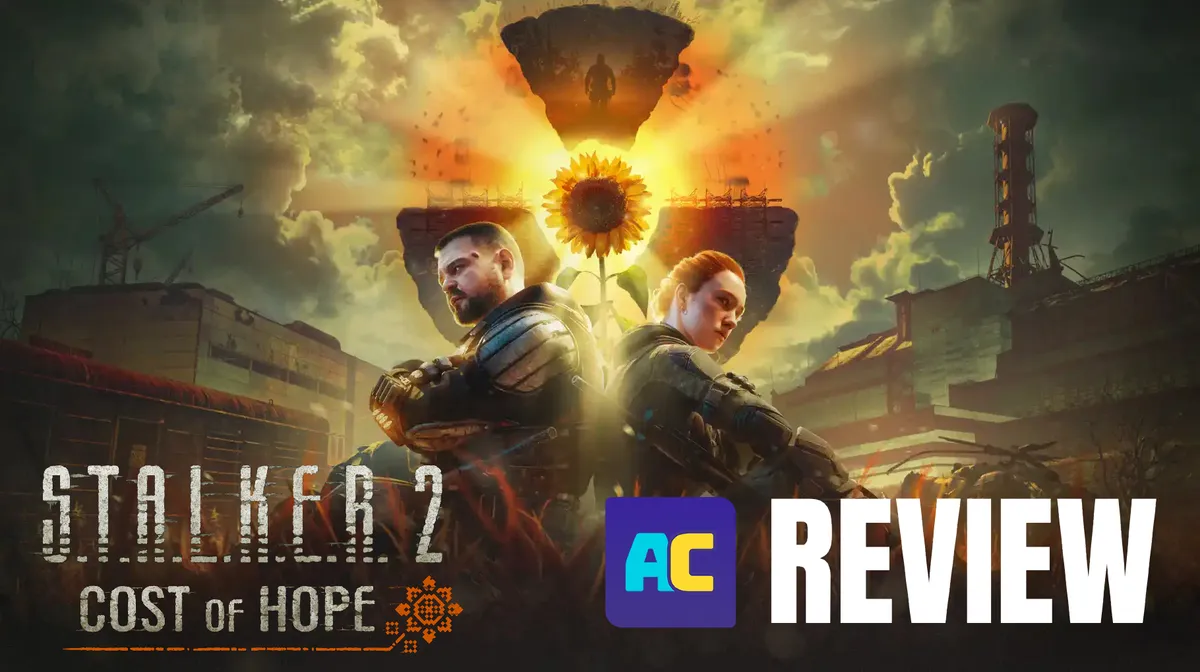
I cannot recall the last time a game provoked so many mixed feelings in me as Stalker 2: Heart of Chornobyl's latest DLC, Cost of Hope, did. First, I hated its guts, then it started growing on me, and ultimately, I loved it so much that I spent the entire weekend playing it (21 hours in two days), treating my off-work days like they didn't exist.
It took me 21 hours to finish Cost of Hope, following only the main story without even touching side content, and for a DLC, that is a genuinely commendable feat. I say commendable because many DLCs nowadays are ridiculously short, or the content they provide simply isn't enough to justify the price. In the case of Cost of Hope, the value for money is far higher than you might expect: a new standalone storyline, two new regions, and a set of excellent new characters, all wrapped in a new 2.0 version of the game that fixes a huge number of bugs and finally delivers the game the developers intended to release in the first place.
Stalker 2: Cost of Hope DLC Screenshots

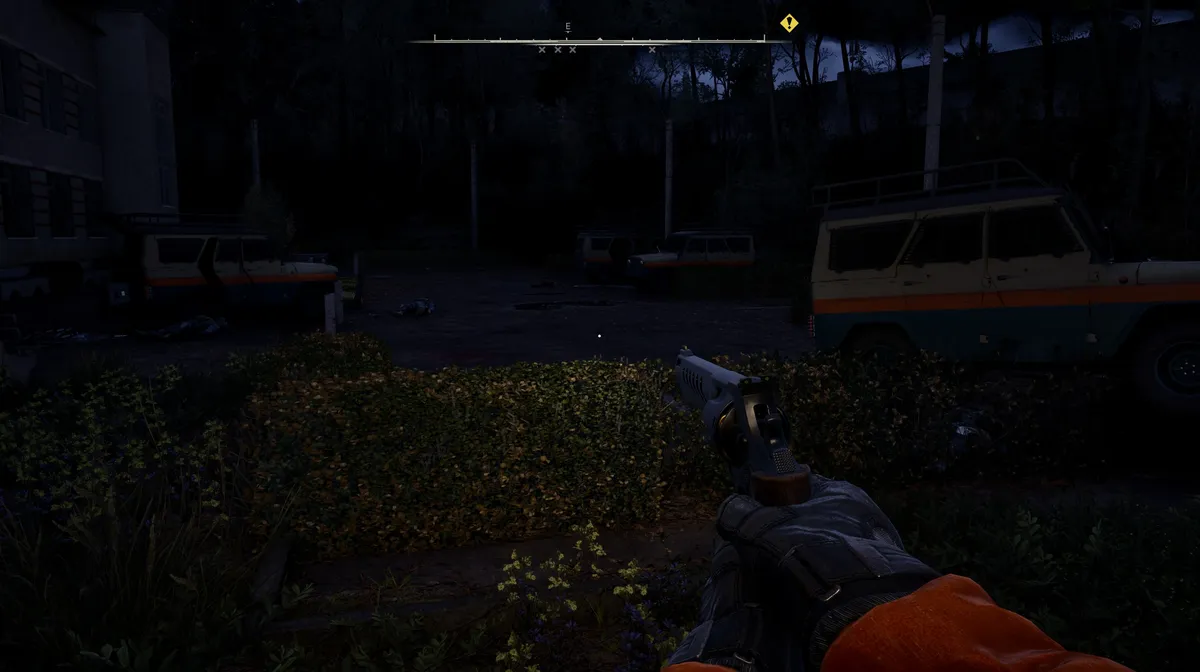
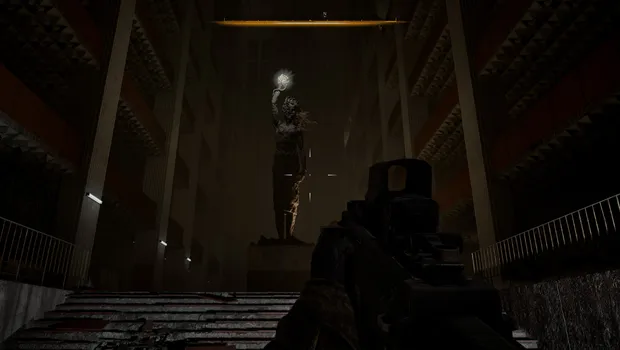
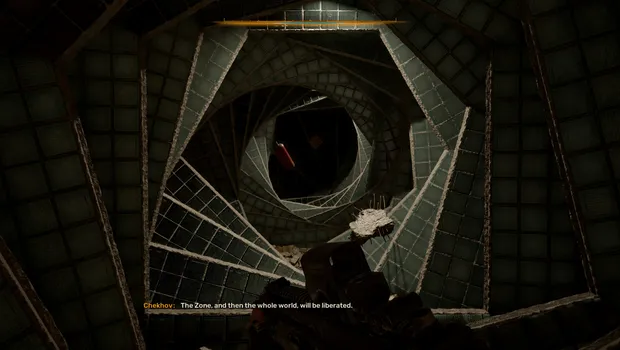
Story
The best thing about the Cost of Hope story is that it's written in a way that even if you've never touched the main game and played zero hours of the base game's story, you can still follow it without any problems.
The main guy is Skif again, who overhears a guy who's had one too many glasses of vodka talking about Iron Forest and some new threats facing the Zone. After giving him a couple more glasses of the hard stuff, the man's tongue loosens completely, and Skif gets a new mission on his PDA: to go there and investigate and, of course, more coupons to his account in the process.
The new region, Iron Forest, brings new factions into the picture: Freedom and Duty, along with their fierce and charismatic members, Mavka and Zulu. The pair soon becomes the very axis the entire story revolves around, and at the centre of it all is Skif, whose decisions will once more determine the fate of the entire Zone, and this time, even the mainland.
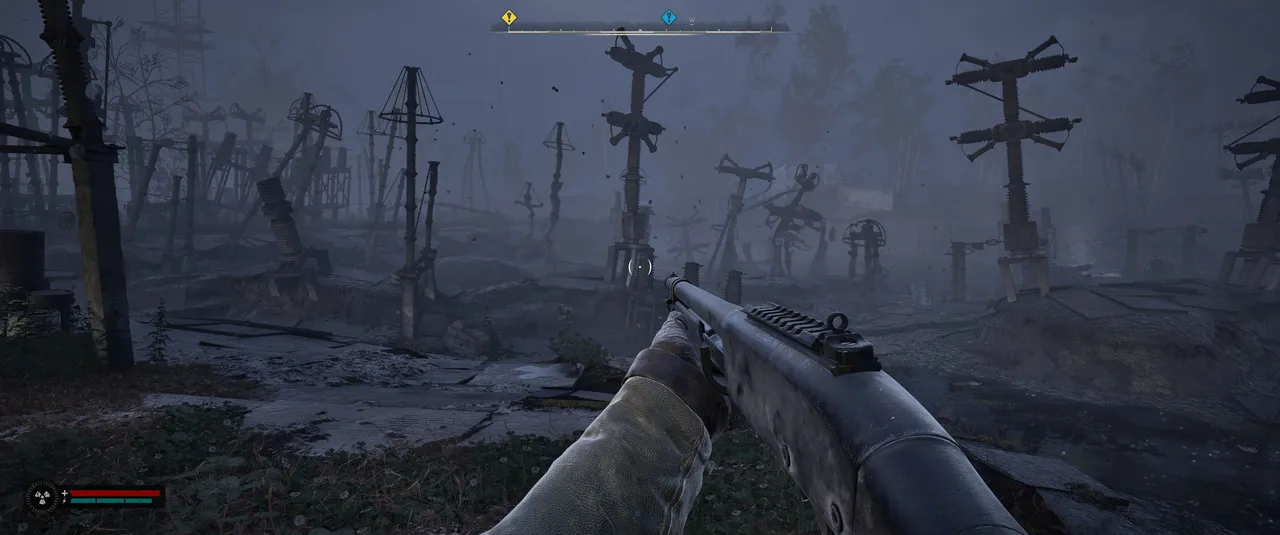
The story starts slowly and unconvincingly, I'd say even boring at times, following the recognisable RPG formula of doing different quests for each faction, who are, by the way, bound by a truce called D4 (a pact built on four rules). The real twist begins when Freedom's entire base is slaughtered, and all the evidence points to Duty. After that event, the story grabs you by the throat: betrayal, twists and turns, out-of-the-blue discoveries, even supernatural stuff. You'll see all of that and more in Cost of Hope.
The story also has two genuine endings. I experienced only one, which I felt was the right choice. Of course, as you might have assumed, your decisions at the game's breaking points will determine which ending you get. I didn't want to try the other one, partly because I liked the one I chose and partly because the section after the turning point dragged on for quite a bit.
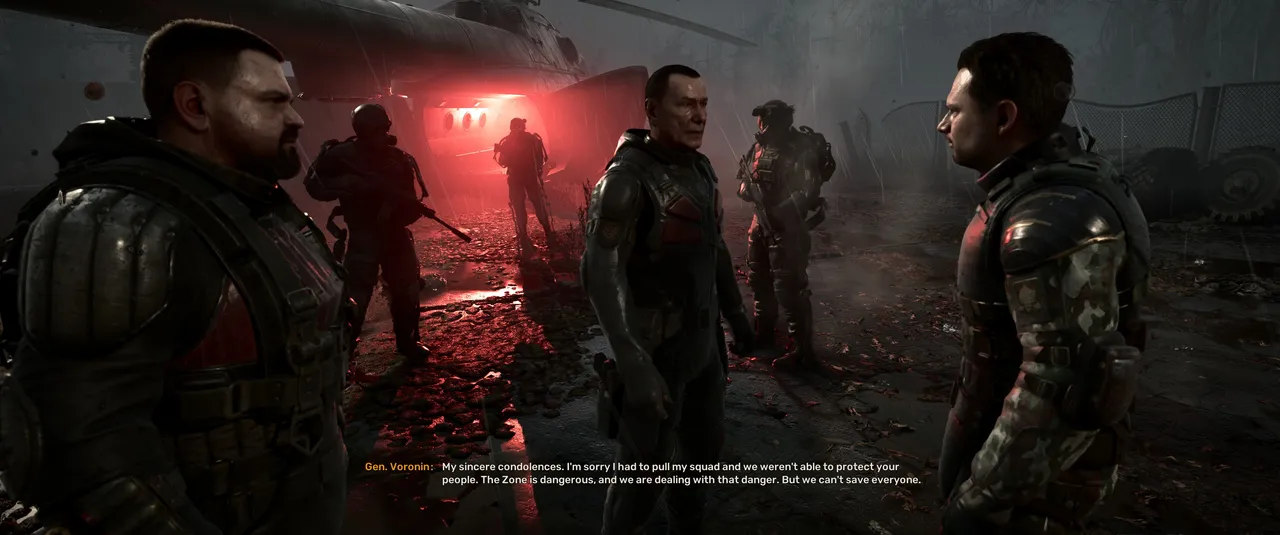
The story of Cost of Hope is genuinely top-notch, and one of the reasons for that is the high-quality voice acting and even higher-quality cutscenes. Cutscenes aren't especially frequent; you'll see just a handful of them in the entire DLC, but they're made really well, filled with constant action and strong set pieces, like something out of a high-quality action movie.
Gameplay
Good DLCs aren't such a common thing, but when a good one eventually comes out, it automatically becomes the talk of the gaming world. I sincerely hope that's going to be the case with Cost of Hope once it's out, and truth be told, I don't see why it wouldn't.
Apart from Shadow of the Erdtree (Elden Ring) and perhaps Overture (Lies of P), I can't think of a better DLC than Cost of Hope, because it improves the base game in almost every aspect.
Along with the DLC, GSC Game World released the long-awaited 2.0 version of Stalker 2: Heart of Chornobyl, with a huge number of bug fixes and quality-of-life improvements, and that's all well and good, but I don't intend to focus on that here. When I compare my experience with Stalker 2 the first time I played it to now, those feel like two different games; Cost of Hope, though, made an even bigger impact than the 2.0 update alone.
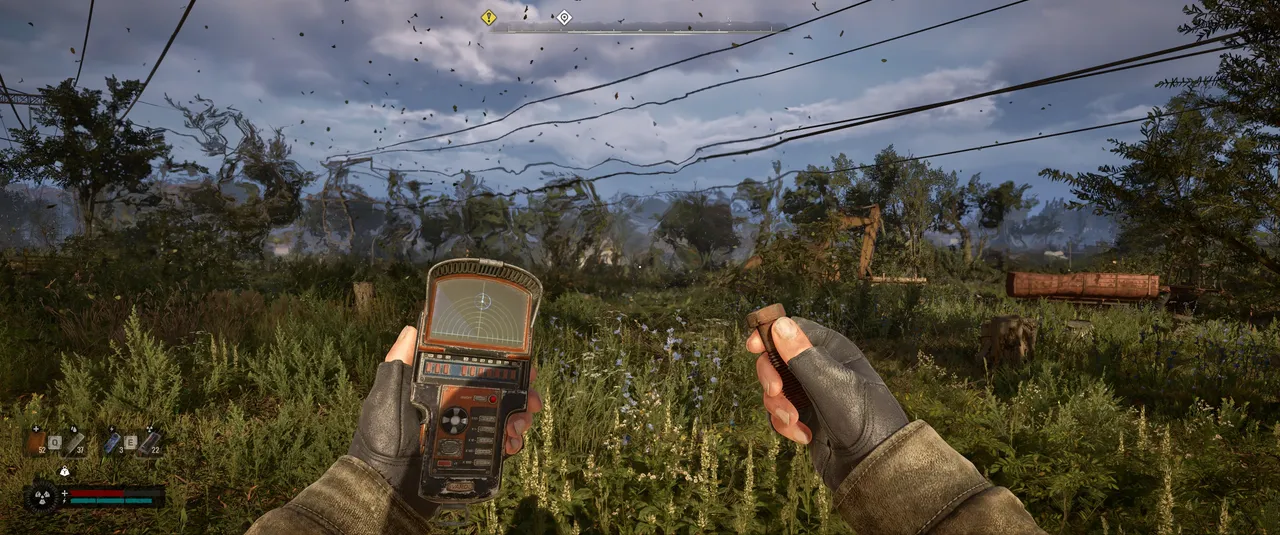
The DLC is split into two parts: the first becomes accessible after you finish the opening area of the game, and the second only after you finish the majority of the base game. The first part is structured quite simply: you enter the new area and stay there, more or less locked in, until you finish all the DLC missions.
The fun actually begins after that first part. Here, the DLC shows off all its splendour and its inherited cracks at the same time. Let's start with the good. Every mission you take on is located somewhere in the game's open world, and unlike in the first part, those missions aren't confined to a single area.
Once you start a mission, though, the game usually sends you into a facility or side area (on one occasion, even into an anomaly that had manifested as a twisted version of an entire destroyed town), and the level design in those areas completely blew me away.
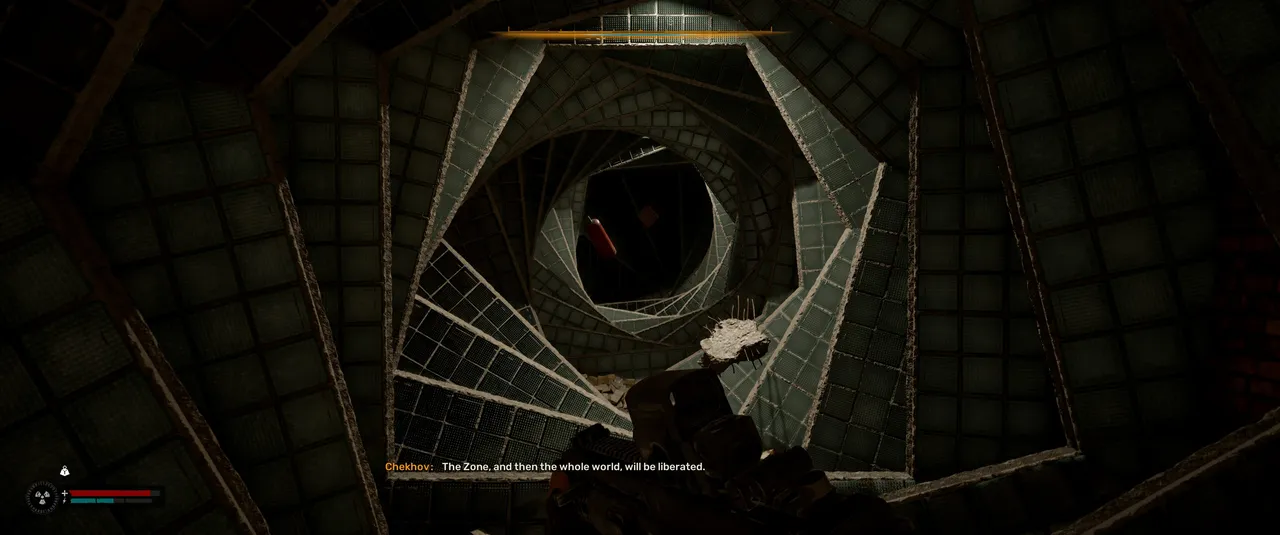
Those areas are designed semi-linearly: the levels are usually interconnected with shortcuts and doors that open from the other side, which gives the game real exploration value. Sometimes you'll run into a locked door that needs a key, and that key is usually close by; other times, chests or safes are hidden behind puzzles you need to solve to get the loot. In essence, each mission area holds far more than simple story progression, and you'll want to explore everything rather than just push through and leave.
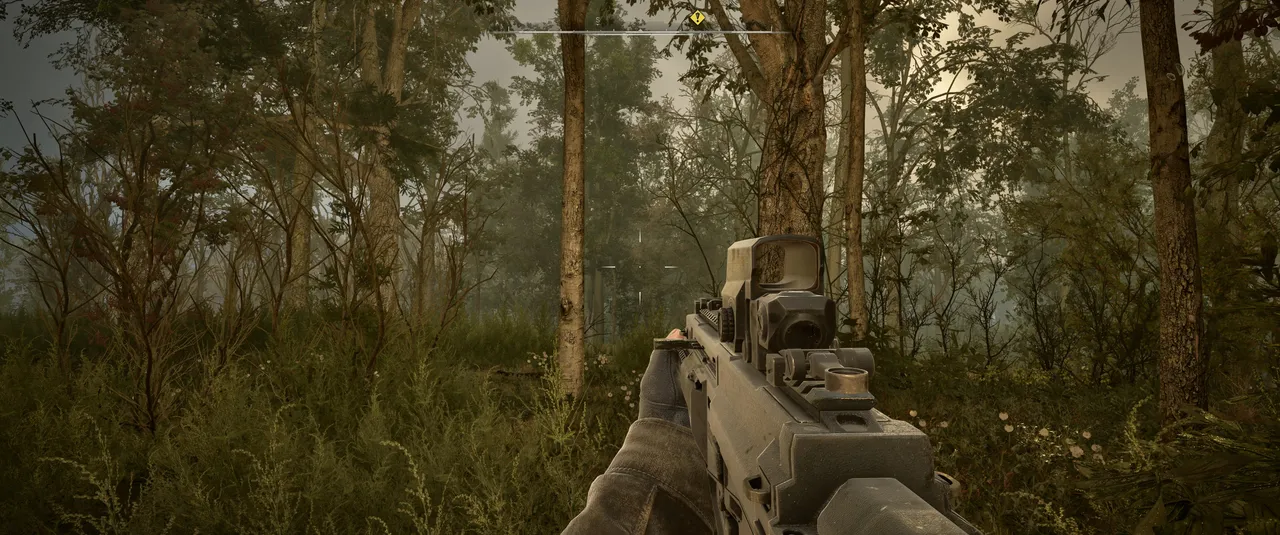
Shooting and fighting are fantastic too. This side of the game was fine before, but in the DLC, it's significantly improved. Shots have more impact, weapons degrade more slowly, and hitting different parts of the body now matters: unlike before, headshots reliably kill instantly regardless of the enemy.
I did notice a few inconsistent hitboxes here and there. In some cases, I could have sworn my shots hit the target, especially on mutants, but they registered no impact, while on other occasions, I knew I'd missed, but the enemy dropped anyway. The mutants are also still annoying, with their unpredictable movements, and while I know that's part of the game's design, it kept pissing me off regardless.
Another area that's seen significant improvement is the economy. Weapons and gear upkeep is still fairly expensive, but it's considerably better balanced now. For example, missions now reward a lot more coupons, and repairing completely ruined gear won't cost almost half of your hard-earned money. Repairing slightly damaged gear, on the other hand, costs only a handful of coupons, no more than a normal mission rewards you with, so you won't feel like you're working just to keep your gear Zone-ready.
Sadly, some of the core problems that plagued Stalker 2 at release are still present, and the biggest one for me is fast travel, or rather the lack of it, and the amount of unnecessary walking through the Zone's huge open spaces. The Zone is a beautiful wasteland full of wonders when your main goal is exploration. However, if you want to go from point A to point B to start a mission, or just sell your loot and repair your gear, the fun vapourises like a small pond of water in a raging fire anomaly.
This isn't the DLC's problem, exactly; to start some missions, especially in the second part, you'll be sent all across the map. I understand that a very limited fast-travel system is part of Stalker 2's design and that the developers want you to feel the weight of the Zone: helpless and pressed by wilderness, darkness, and emptiness. But there's a very thin line between immersion and frustration, and here, frustration wins by a wide margin.
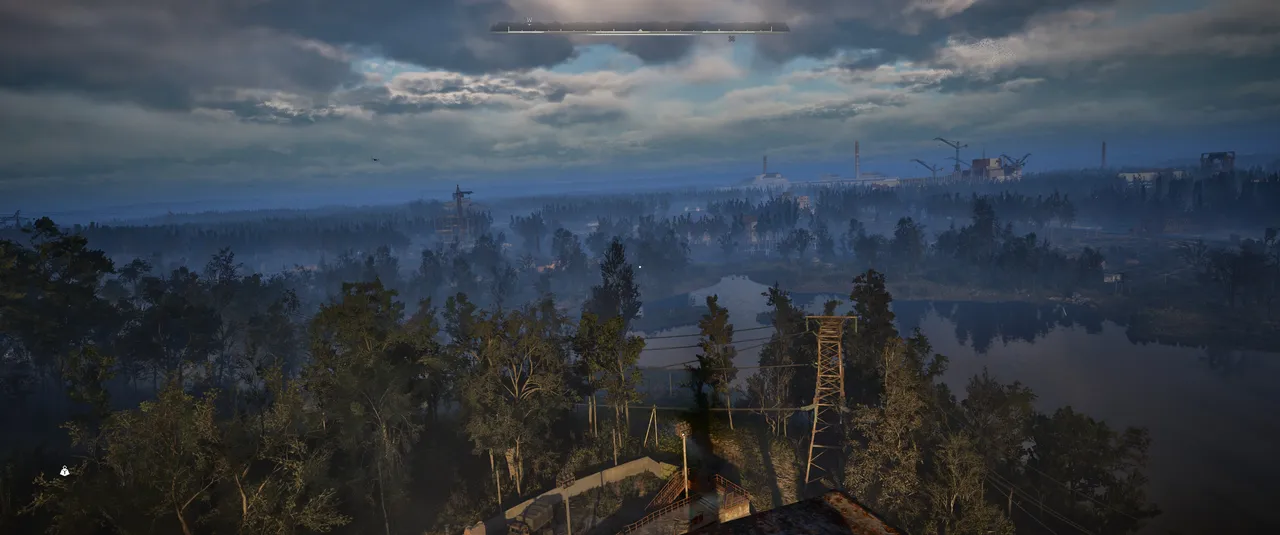
Adding a dirt bike or an old-school Niva would solve this problem and add a whole new dimension to the game, killing the boredom of endless walking in the process, but sadly, it hasn't happened.
Regarding weapons, I can't say I noticed anything new. I did pick up a few signature, pre-modded weapons after beating certain special enemies, but beyond those, nothing new was added. As for enemies, you'll fight pretty much the same foes as in the base game, with the addition of two new mutant types: Pseudogiant and Amok.
The new enemies are a fine addition, and even finer rage inducers, because fighting them is genuinely brutal. These encounters are actually my only real complaint about the DLC itself; everything else I've mentioned is down to the base game and its lingering shortcomings. Luckily, fights with these enemies are rare, and you'll face each of them only twice in the entire game.
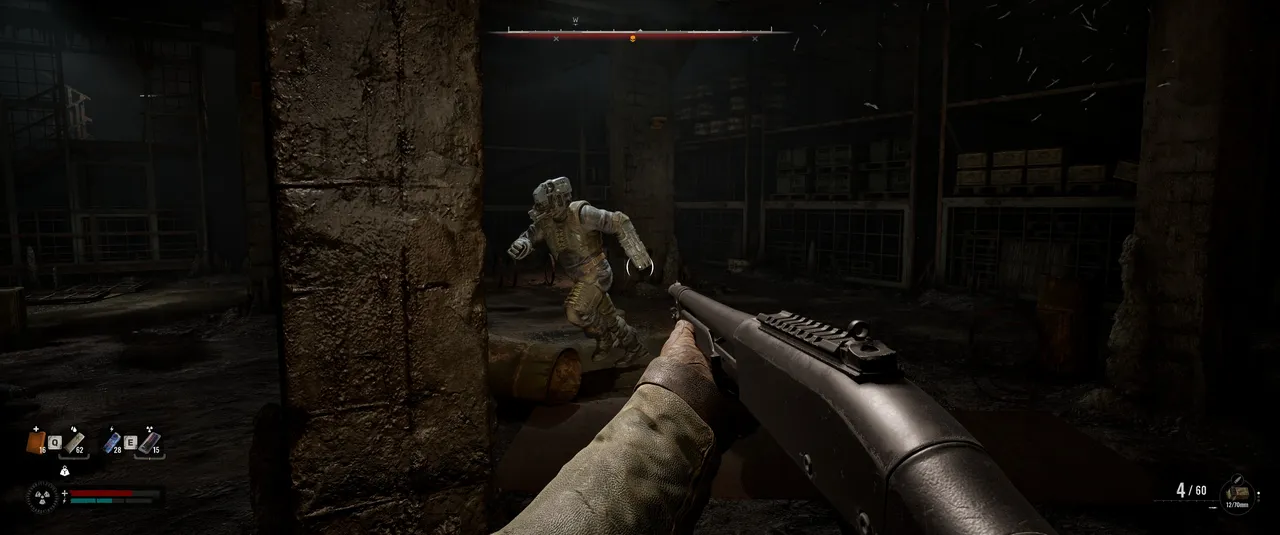
Pseudogiant, for example, uses jump attacks that create shockwaves, and if you get caught in the loop between its attacks and Skif's falling animation, you're dead, with no way to survive. The first time I encountered it, I had to resort to a cheese tactic, climbing a box and killing it from a distance. It's a flawed piece of design, without doubt.
The other new enemy isn't any better, with its own flaws and inconsistencies. The boss fights are a good addition, but the final boss is designed poorly and without much creativity, with the entire fight coming down to luck alone.
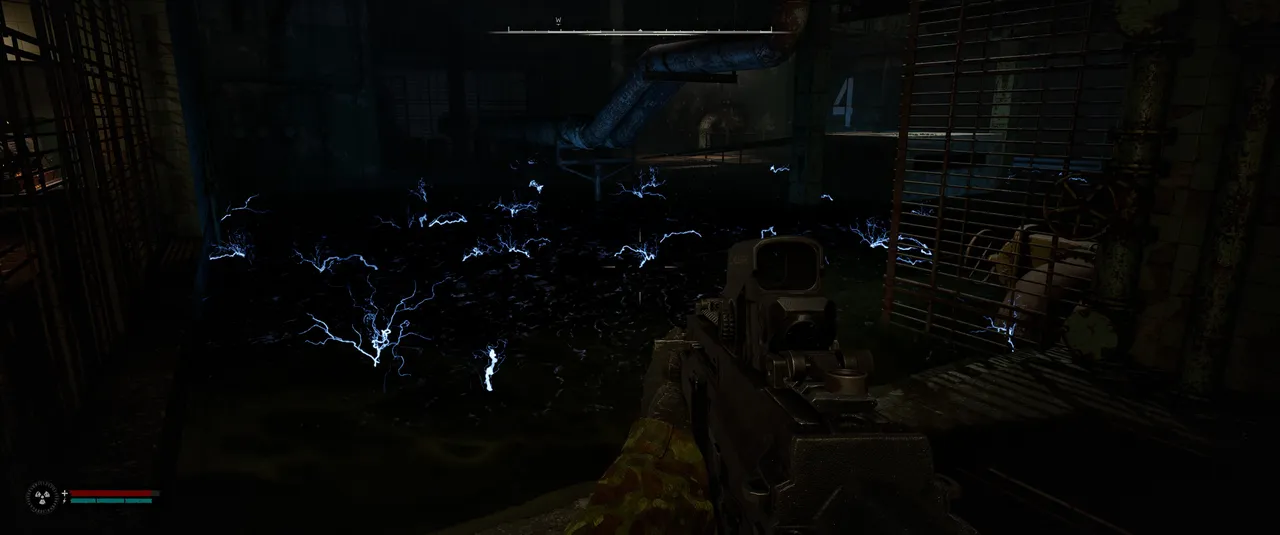
What I did like, something this DLC introduces well, is the sheer variety: different hazards and problems with each level, and the game constantly throwing something new at you with every new area. For example, one area plays tricks with your perception and forces you to solve environmental puzzles. Another takes away your lamp, forcing you to navigate electrical anomalies by sound alone, while one area, near the end of the DLC, introduces entirely new mechanics, including monsters made of mercury. Cost of Hope never stops surprising, right up to its very end.
Visuals, Sounds, and Performance
This section will probably be the shortest, since there isn't much to add compared with the base game. The DLC, as mentioned, introduces two new areas, but visually, they're pretty much in line with what's already in the base game.
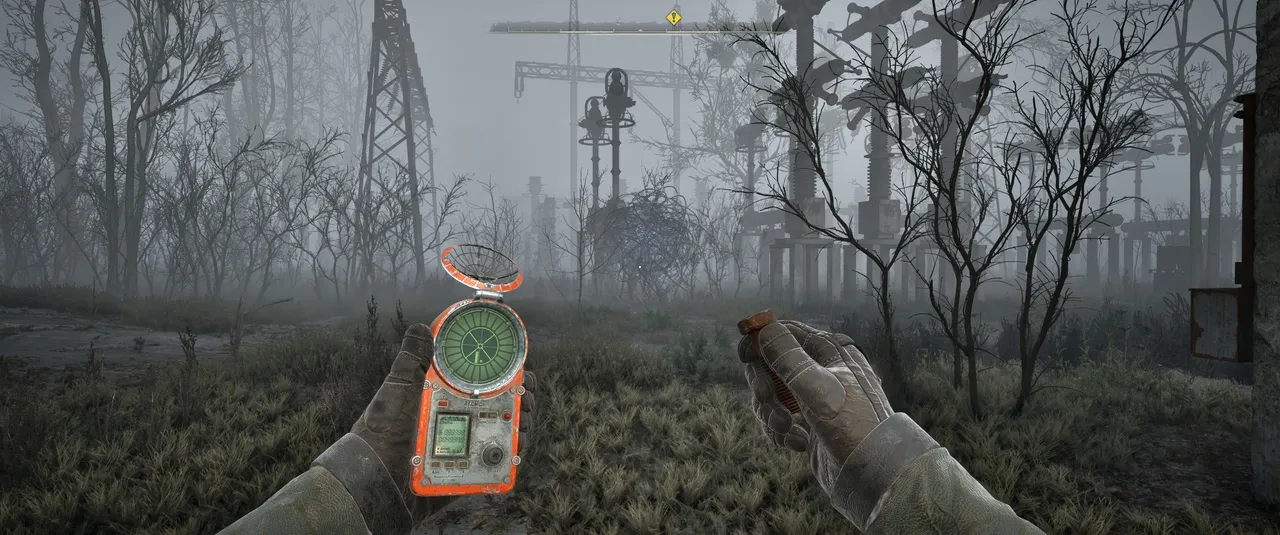
Iron Forest is an abandoned power plant, which is where the name comes from, while CNPP (the Chornobyl Nuclear Power Plant) is another huge facility full of abandoned buildings. What the 2.0 update changed is the engine version (the game now runs on Unreal Engine 5.5.4), and it shows: the game looks noticeably smoother, with visibly improved lighting, sharper shadows, and a stronger overall visual presentation.
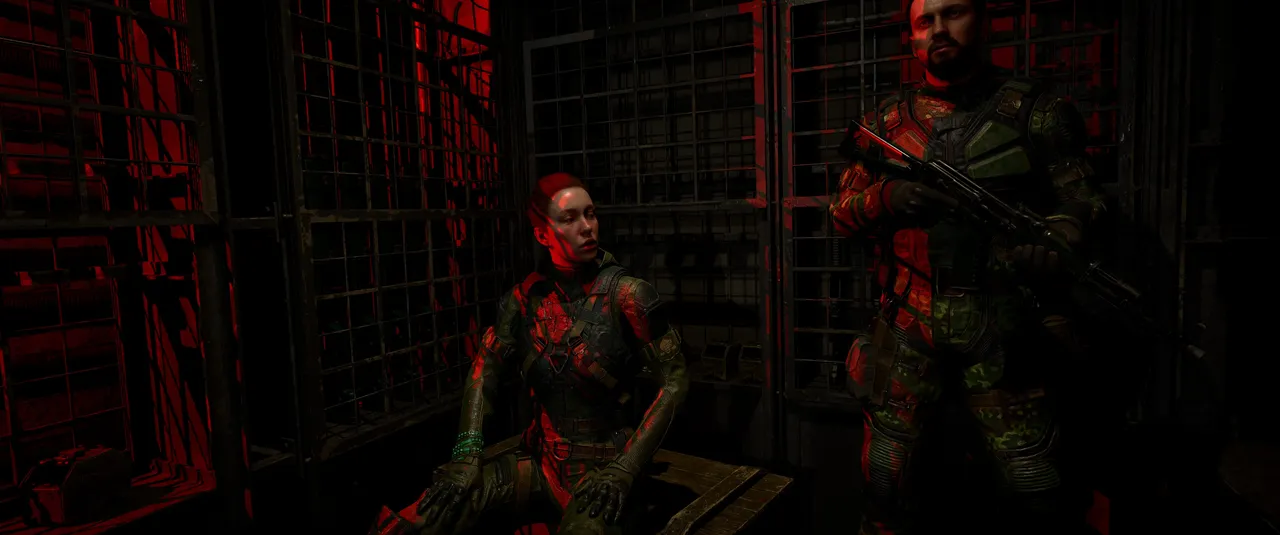
One thing that looks considerably better than before is the face models and the detail on every character in the game. During conversations, you can see the finest details on faces and clothing, especially with the main characters, including Mavka and Zulu; the detail on their suits in particular is impressive.
Performance is also considerably better now. I ran the game with every setting maxed out (Epic presets) and DLSS set to Quality, and it held around 100+ FPS throughout. As for crashes and bugs, I only hit one crash after a very long play session, along with a handful of minor bugs, including floating bottles and, on occasion, soldiers floating and fighting mid-air, but none of it was significant.
On the sound side, weapon sounds got the best treatment: every time you fire a gun, you can feel it. The gun sounds were fairly weak in the base game at release, which is no longer true. In the DLC, guns finally sound as dangerous as they are.
Conclusion
Cost of Hope is among the best DLCs to have crossed my path in my gaming career, and I'm genuinely grateful I got the chance to play and review it. An incredible story, new characters that genuinely grew on me, and a choice of paths that was harder to make than I expected; level design that blew me away, real variety in mission design, and plenty more besides make this DLC something people are going to talk about for a long time.
Some inherited flaws, along with a few poorly designed new enemies and boss fights, aren't enough to spoil the brilliance of this DLC, but they're real issues and worth mentioning here. All in all, Cost of Hope isn't just a fine addition to Stalker 2; it's arguably far better content than the base game ever offered and probably a good indication of how Stalker 2: Heart of Chornobyl should have looked and played from the start.
The Good
 Gripping, twist-heavy story with two genuine endings
- Excellent level design and exploration
- Noticeably improved shooting and headshot mechanics
- Better-balanced gear economy
- Strong visual and performance upgrade (Unreal Engine 5.5.4)
- Substantial length for a DLC (21 hours, main story only)
- Great mission variety
The Bad
 Poorly designed final boss and new-enemy encounters
- Fast travel still limited, with a lot of unnecessary walking
- Inconsistent hitboxes
- A few minor bugs remain