Trending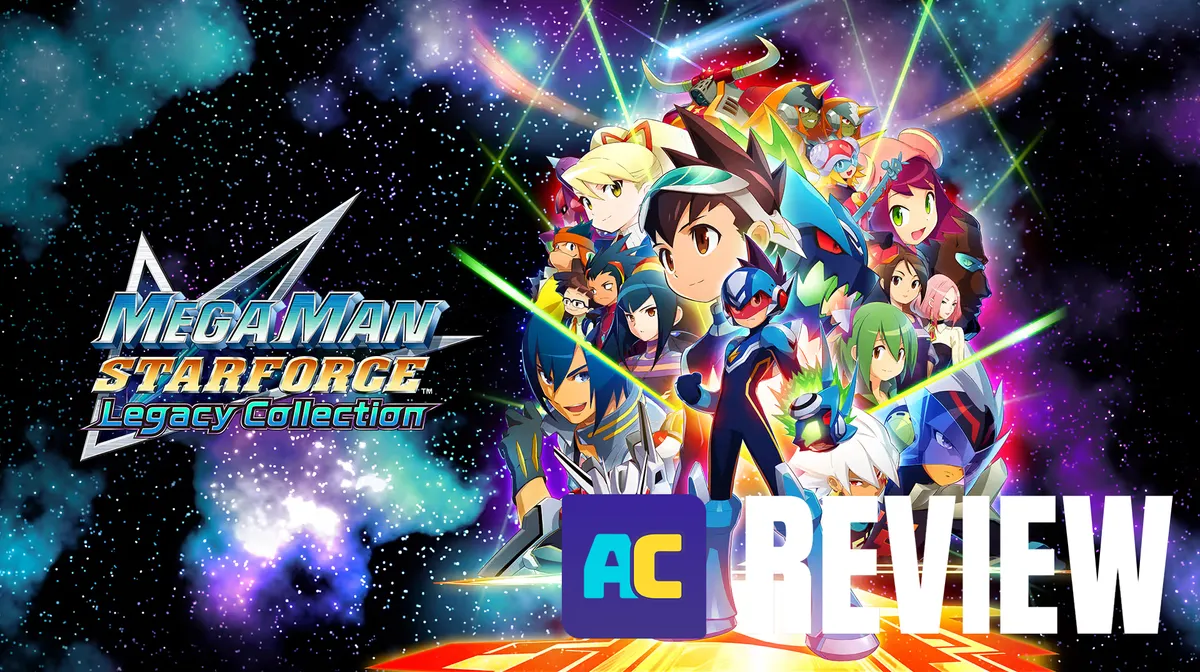
Before even writing a single word here, I have a confession to make: I have never heard of Mega Man Star Force games before, and as I start digging up on the internet to make myself well acquainted with the game I'm about to play, I must say that its popularity and my lack of any knowledge about it surprised me very much since I'm a man in my forties already.
As much as I found out online, this franchise had its considerable fanbase back in the day when it was popular. It seems what Capcom tried to do here is to drag beloved but forgotten titles back into the light and make them accessible to players who either missed them the first time or were not yet born when they were originally released.
Was that a good move? Well, I will let you draw a conclusion. After all, it is only a matter of perspective, but I highly doubt new generations will find any joy in games made by old standards, and playing only on a nostalgia card probably won't be enough here.
Story
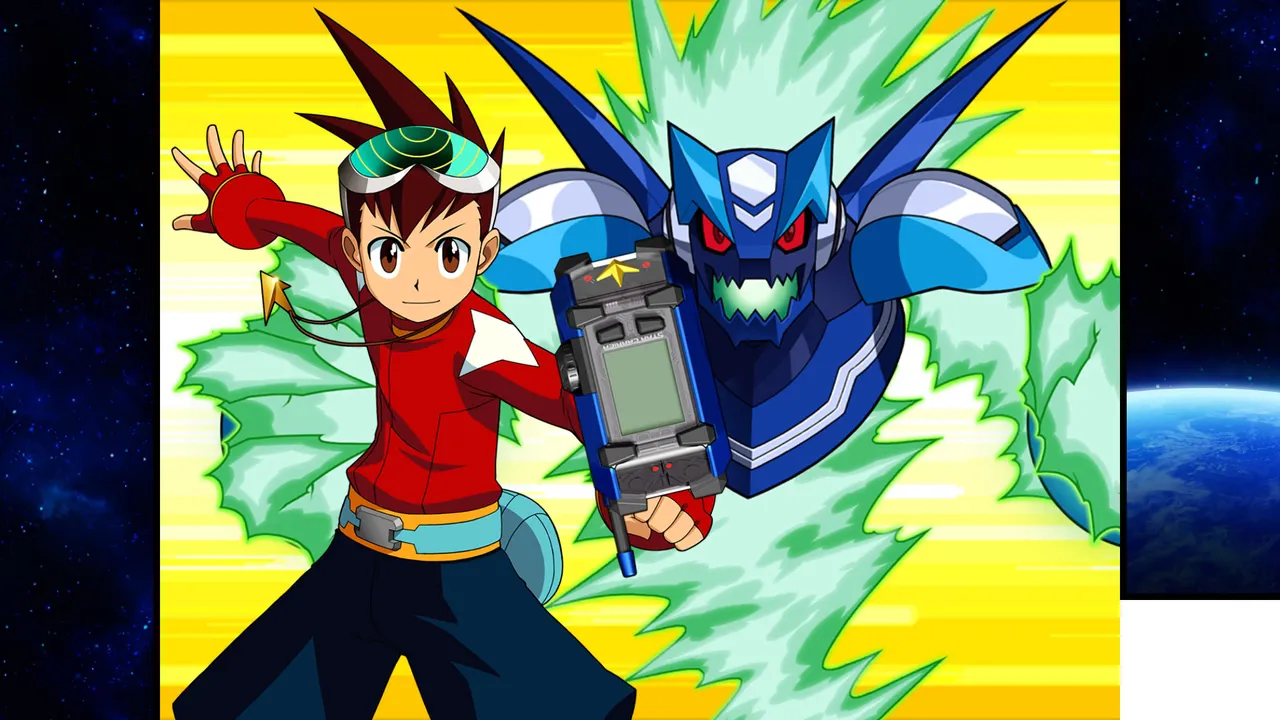
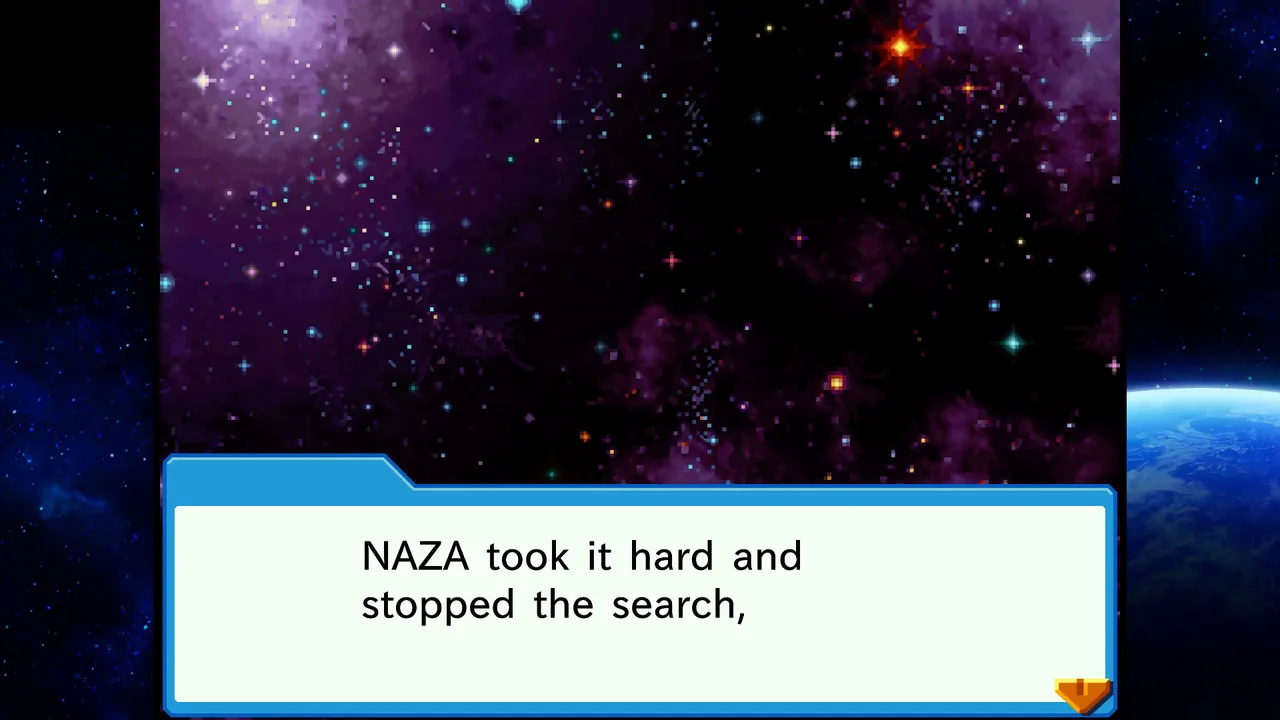
Set roughly two hundred years after the events of Battle Network, Star Force introduces Geo Stelar, an eleven-year-old boy grieving the disappearance of his astronaut father and refusing to attend school. One night at the observatory, his Transer device picks up a signal from space, and he is bonded with Omega-Xis, an alien FM-ian with a troubled past. Together they become Mega Man, defender of a world built on Wave technology, a communication network that has replaced the internet as society's backbone.
The premise is charming, and the emotional core of the first game, revolving around loneliness, friendship, and the weight of loss, is genuinely well handled for a title aimed at a younger audience. Geo is a sensitive and almost shy protagonist, and his hesitation to connect with others gives the story a quieter, more melancholic tone that works in its favour.
The second and third games build on the world and introduce new threats and transformations, but the storytelling doesn't evolve in them at all; everything stays pretty much the same without any significant plot deepening. The best way to describe the other two games' stories is that they are serviceable rather than interesting. They do the job but cannot be compared to the original by a long shot.
Gameplay
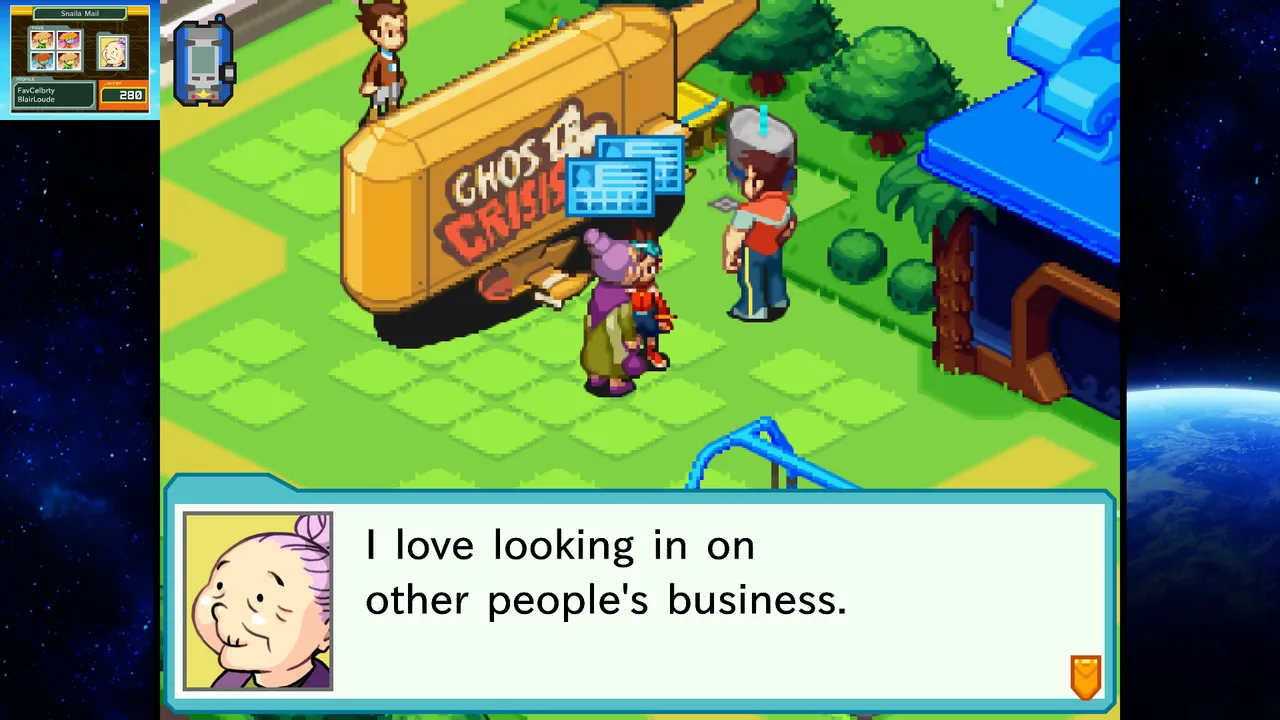
The Star Force games are action RPGs built around a card-based combat system inherited from Battle Network. You explore isometric environments, talk to NPCs, and trigger encounters that shift into a compact three-panel grid where Mega Man and his enemies face off in real time. During combat a gauge fills, time briefly pauses, and you draw a hand of Battle Cards from your Folder, the game's term for your deck. Matching cards by column or name lets you chain attacks before returning to live movement, dodging incoming fire while the gauge refills.
The Folder-building system is the heart of the game, and it holds up well. Assembling a deck with effective synergies, balancing offensive firepower with defensive options, and adapting your loadout to different enemy types gives the combat real depth that can easily grow into you.
Transformations add further flair, and late-game encounters demand more careful thinking than you used to at the beginning of the game. In general, the combat system can be very interesting and sometimes even contagious, but only for a little while, until you see everything the game has to offer, and after that, it slowly transforms into boredom.
The problems of Mega Man Star Force Legacy Collection's gameplay are mostly structural ones rooted in the games' DS origins. Objectives are vague, navigation is repetitive, and random encounters stack up quickly in a way that feels less like challenge and more like chores. The three games share a significant amount of enemy types and environmental templates, so by the second and third entries the sense of novelty has largely worn off.
The collection adds quality-of-life options that help considerably, including adjustable encounter rates, boosted Zenny drops, auto-save, and a Navi Locator that marks optional boss locations in the game world. These additions make the experience noticeably smoother than the originals, even if they cannot solve the pacing issues built into the design.
The online multiplayer is there as well, though the lack of cross-platform play is something I expected in this remaster. You can queue for all three games simultaneously, but being locked to your own platform in a niche collection will make finding matches difficult as the player base thins out.
Visuals, Sounds, and Performance
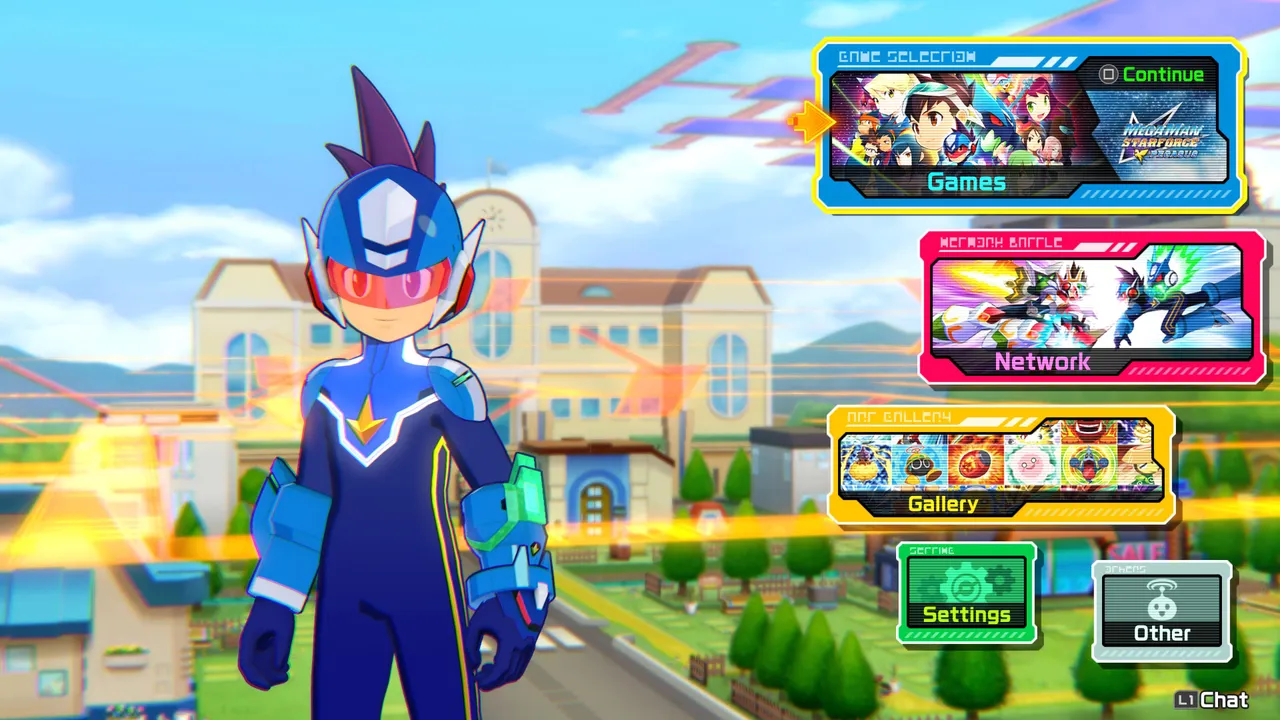
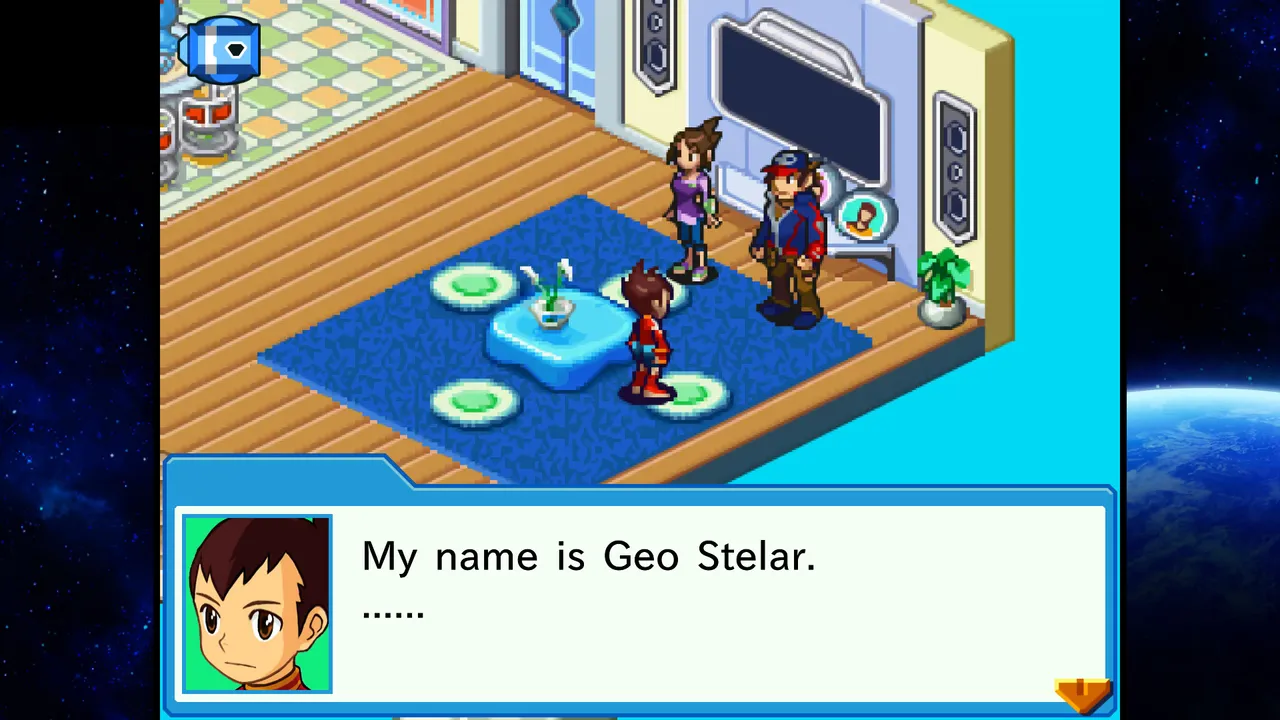
The collection presents the games cleanly, and HD portrait art and card illustrations are a welcome upgrade. However, to say that the graphics underwent some unrecognisable changes would be a total lie. When comparing old games with the new ones, apart from the resolution upscaling, any changes are hardly noticeable. Transformation sequences and character art look sharp in high definition, though, and the gallery of concept art and card illustrations is a generous addition for fans of the series.
Performance on the PlayStation 5 is stable throughout, which is the minimum expectation for a collection of this vintage running on current hardware, and it meets it without issue.
The audio package is one of the collection's greatest highlights. Players can toggle between the original DS soundtracks and newly arranged versions of every track, and both options are available in the built-in music player. The arranged tracks hold up well alongside the originals without replacing them, which is exactly the right approach.
Voice acting is also a welcome addition in comparison to previous silent encounters, although its quality is questionable, to put it mildly.
Conclusion
Mega Man Star Force Legacy Collection is a well-assembled package of games that time has treated unevenly. The combat system still holds on, even for today's standards; the first game's story holds a quiet emotional weight, and the quality-of-life additions make the trilogy more approachable than it has ever been. For fans who remember these games fondly, the collection is an easy recommendation at its price point.
For everyone else, the DS-era design sensibilities, repetitive structure, and slow pacing will probably be the no-crossing lines. It is not a lost masterpiece rediscovered. It is an imperfect trilogy given the best possible home, and whether that is enough depends entirely on how much patience you are willing to offer it.
The Good
 Strong emotional core in the first game’s story
- Deep and engaging card-based combat system
- Satisfying deck-building (Folder) mechanics
- Quality-of-life improvements enhance playability
- Clean HD presentation of character art and UI
- Excellent soundtrack with original and arranged options
The Bad
 Sequels lack meaningful story progression
- Repetitive structure and reused assets across games
- Vague objectives and tedious navigation
- Outdated DS-era design sensibilities