Trending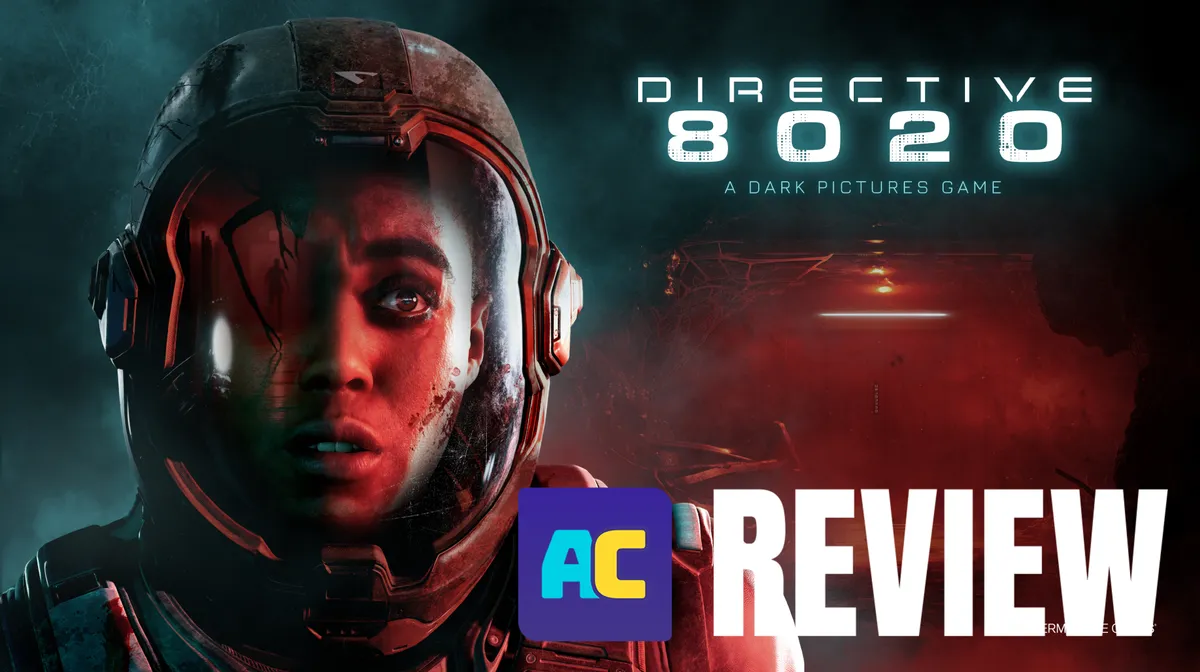
Supermassive Games occupy a very particular and very valuable corner of the gaming world. They do not make the biggest games, and they certainly do not make the most mechanically complex ones, but what they do make is something that very few studios can replicate: cinematic, character-driven horror experiences where the story is everything and every decision carries a real weight.
Until Dawn, their breakout title, created the template and with Directive 8020, Supermassive are returning to those roots, taking everything that made that approach so good, while replacing the forest cabins and the teenage archetypes with cold, merciless space. The setting is entirely different. The technique is entirely familiar. And the result is, in the best possible way, extraordinary.
Houston, We Have a Problem
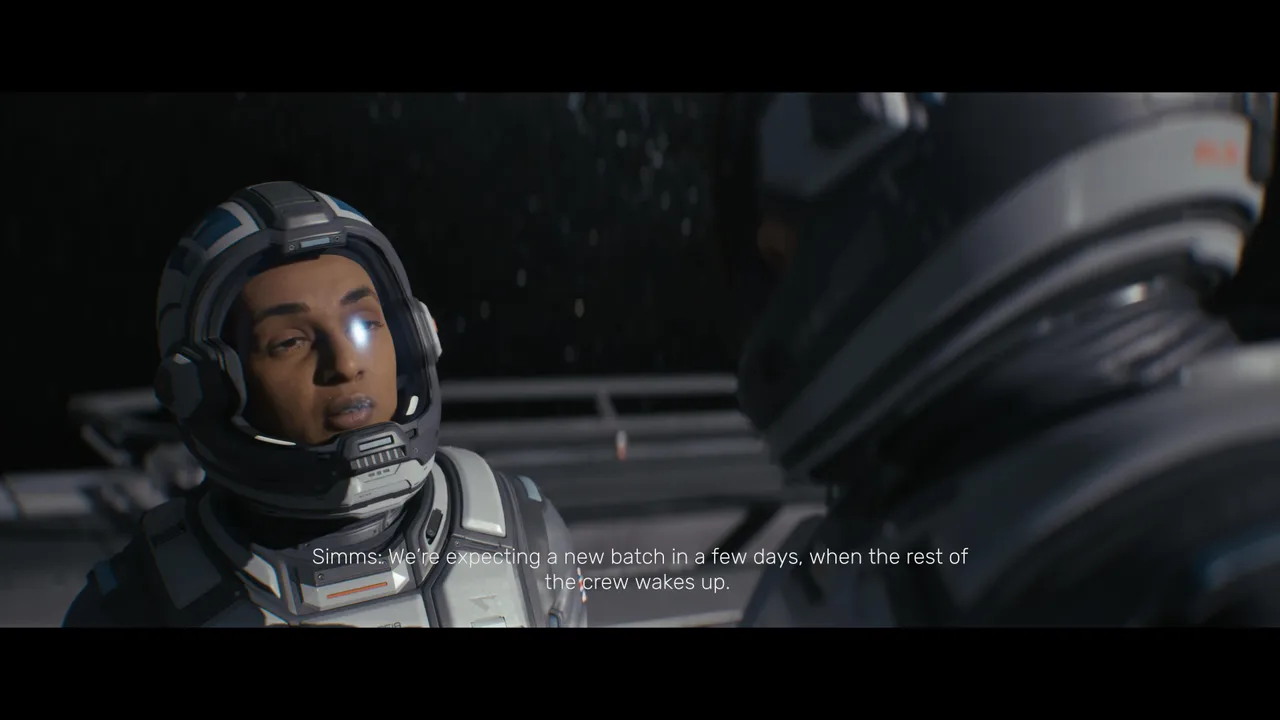
The story of Directive 8020 is, without any exaggeration, just amazing, and it is more than obvious from the very first moments that telling a great story was the primary goal here. The crew of the Cassiopeia, a spaceship dispatched from Earth to scout Tau Ceti f, a planet deemed potentially suitable for colonisation, are sleeping through the long journey when a meteorite strikes the ship. Two members of the sleep management crew, Simms and Carter, decided to go to investigate the damage, unaware that the meteorite had brought something inside with it. Something alive. Something that has no interest in being studied.
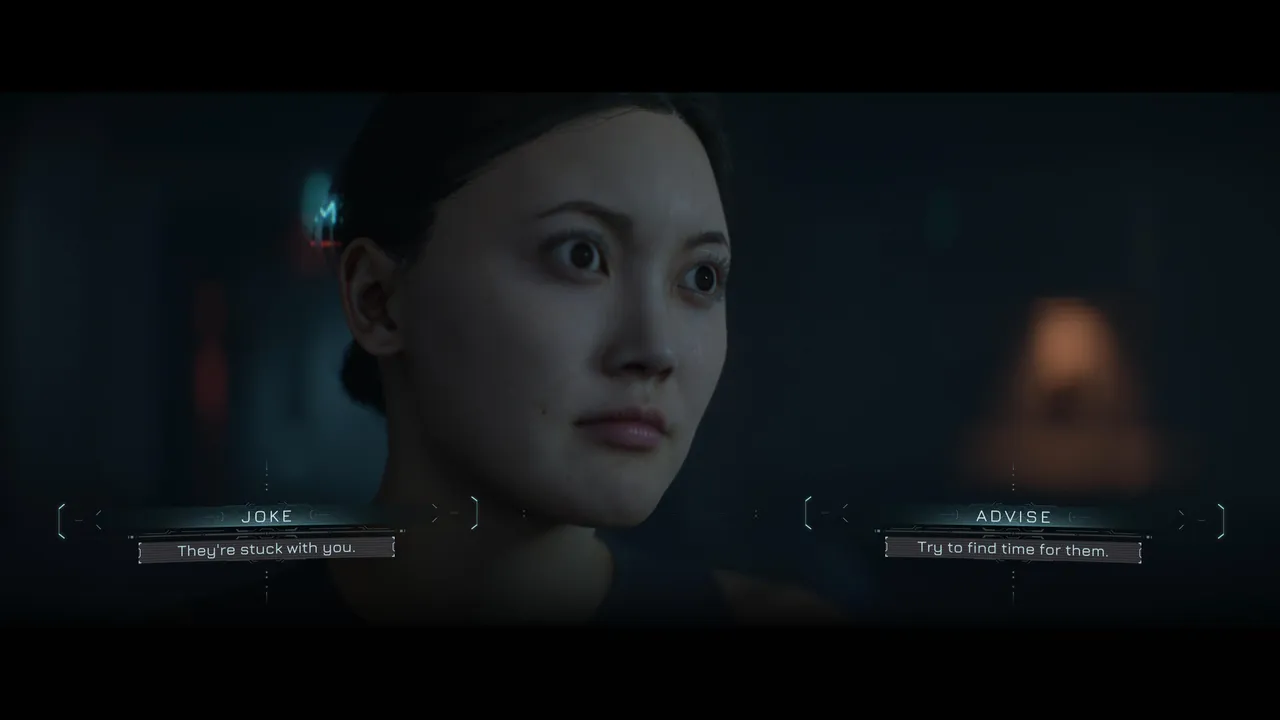
From that moment, the story unravels piece by piece, told through the eyes of several different characters whose paths cross, diverge, and occasionally end in ways that will depend entirely on the decisions you make on their behalf. In true Supermassive fashion, pivotal moments will branch the narrative in multiple directions, and the weight of those branching paths is really felt. Characters you care about can die. Relationships can break or deepen. The story you experience on your first playthrough will most definitely be different from the one your friend experienced on theirs, and that is a truly impressive achievement for a game of this nature.
The decision-making is further strengthened by the game's special rewinding mechanic. On the normal difficulty, if an outcome does not sit well with you, you can rewind to the decision point and explore the alternative path. For those who want the full horror of commitment, however, the hard difficulty removes the rewind function entirely, and suddenly every choice carries the kind of irreversible weight that the genre has always promised but rarely fully delivered. Both approaches are valid, and it is entirely up to you to decide which kind of commitment you prefer.
Surviving the Cassiopeia
The gameplay of Directive 8020 is, as is almost always the case with the games of this genre, the less celebrated element of the package, and that is completely okay. This is a third-person adventure built around narrative decision-making above all else, and the moment-to-moment gameplay reflects that priority clearly. What it is not, however, is as passive as you might expect.
QTE sections appear occasionally throughout the game, and they carry quite a punch. Your reflexes will at times determine whether a character lives or dies, and the game is not shy about punishing you for the consequences of a failed reaction. It keeps you engaged and alert in a way that purely dialogue-driven games often struggle to achieve, and for a game that falls under this genre, it is something to brag about.
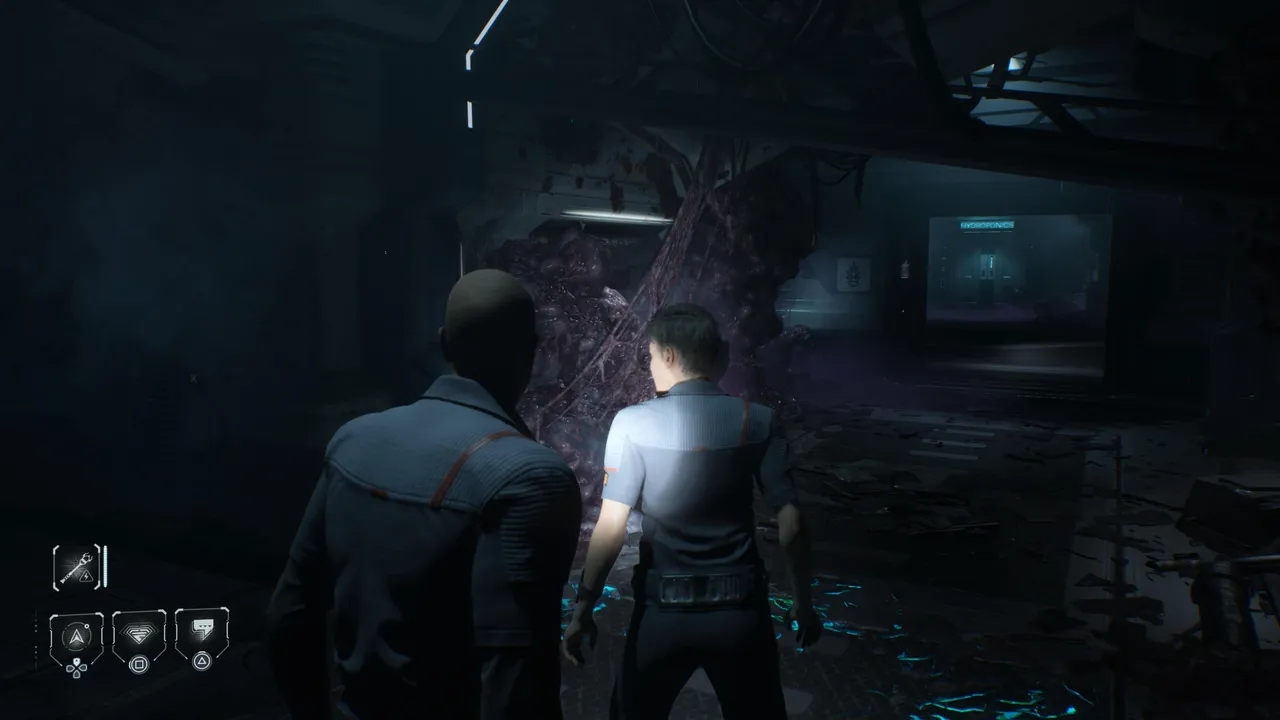
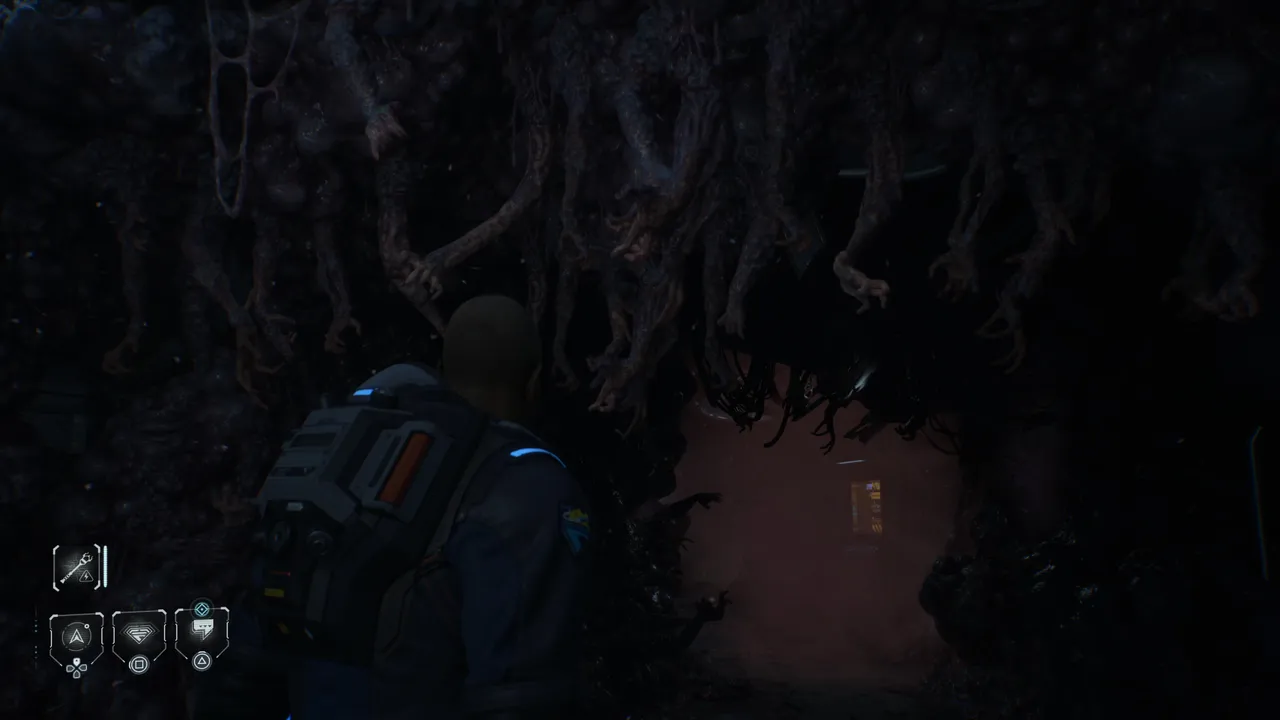
The less successful element of the gameplay is the cat-and-mouse stealth that the game heavily leans on as its primary source of moment-to-moment tension. You have no weapons. One character briefly possesses a revolver at a certain point in the game, but its use never falls to you. Instead, you carry a hacking tool used for opening locked doors, which doubles as a last-resort defensive option if you are caught, and your primary survival strategy is to lure enemies to one side of an area and slip past them from the other.
It works, up to a point, but it also grows tedious more quickly than the game seems to realise. The stealth sequences are rarely innovative enough to sustain the tension they are trying to generate, and by the third or fourth time you are performing the same lure-and-evade manoeuvre, the mechanical repetition starts to blunt the horror rather than sharpen it.
Where the horror absolutely triumphs, however, is in its atmosphere, which is quite simply through the roof. The feeling of being stranded on a damaged and increasingly hostile spaceship, impossibly far from Earth and with no realistic hope of rescue, is something that scared me to the bone and left me playing with what I can only describe as a constant cramp in my stomach all the time.
The collectables scattered throughout the game add another reason to explore the levels more thoroughly, though the execution is somewhat mixed. Documents and video logs widen the story considerably, and some collectables unlock entirely different story branches, which is an excellent design choice and one of the better reasons to replay the game. However, they are also almost laughably easy to find, which somehow ridicules the sense of discovery. The story tree does track which collectables are available in each section, which is helpful, but the lack of any real challenge in locating them makes exploration feel less like a reward and more like a chore.
A Beautiful Nightmare
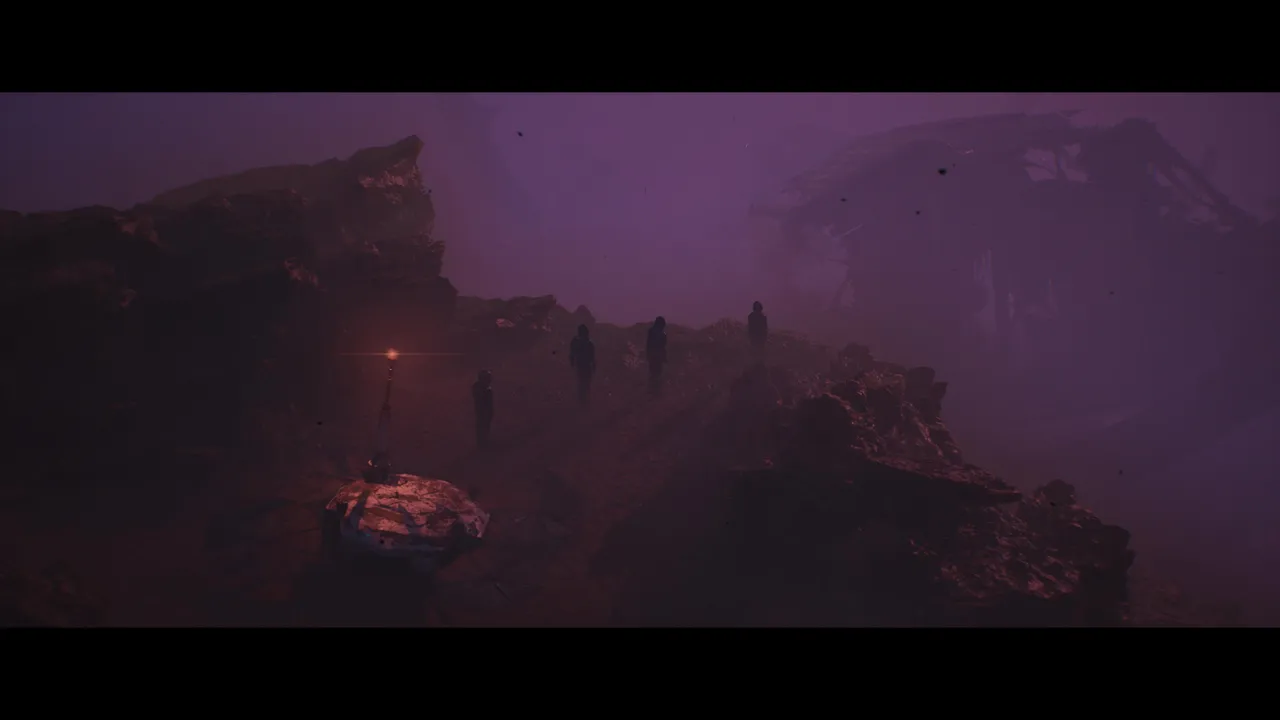
Visually, Directive 8020 is gorgeous in its dark and deeply unsettling way. The Cassiopeia and the surface of Tau Ceti f are rendered with real care, both beautiful in their own right and frightening in precisely the ways the story needs them to be. As the game progresses and the alien presence spreads its goo-like material across the ship, the visual transformation is very alarming to the point that I found myself stopping playing for a time because I was just too scared to press on.
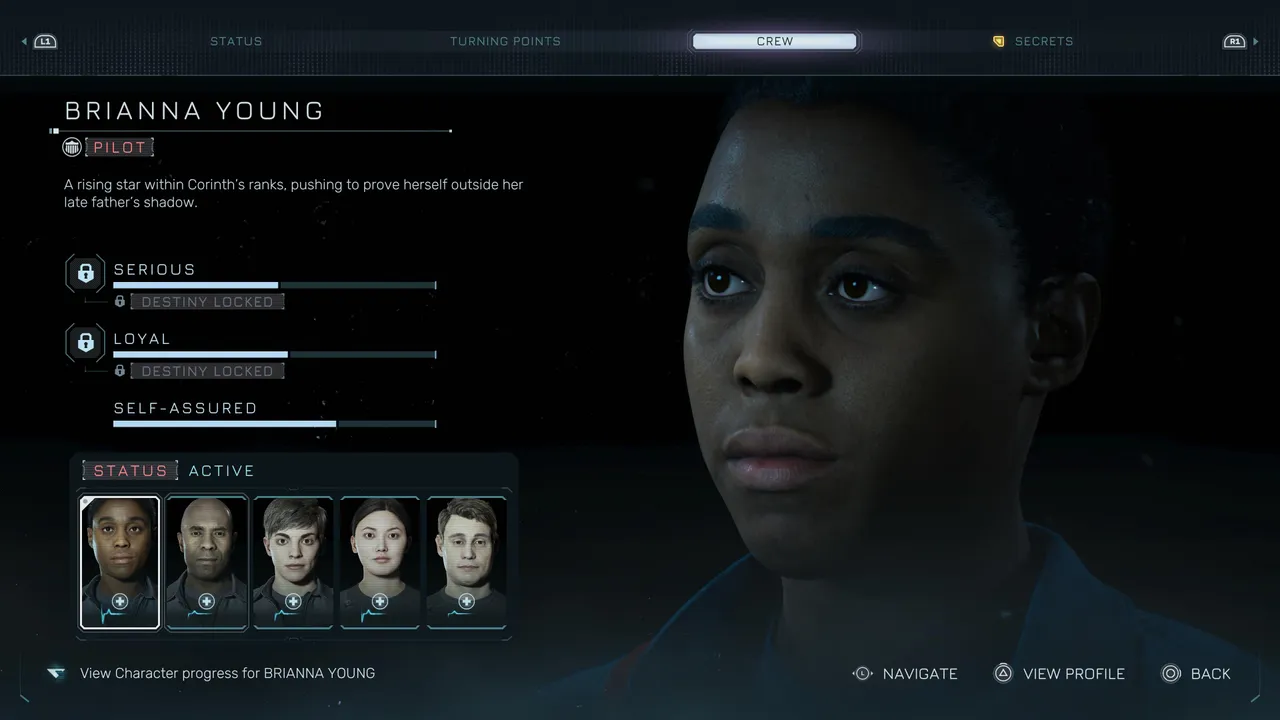
The character models are built using real actors and mocap technology, and at their best they are strikingly lifelike. The face models in particular are impressive, and as soon as you start playing the game, you can easily see the cinematic value the devs want to put behind this project. However, they can also look stiff and unnatural, which will usually work against those same ambitions.
For a game that leans so heavily on its cinematic presentation, character animations that occasionally feel rigid and mechanical are a more costly flaw than they might be in a different genre. It is not a dealbreaker, but it is noticeable, and it sits at odds with the otherwise excellent presentation.
On the PlayStation 5, three graphical modes are available: performance, balanced, and fidelity. I played the majority of the game on 'balanced', which maintained a consistent 40 to 60 FPS and looked excellent throughout, though it is worth noting that a 120Hz TV is required for this mode. I tried fidelity mode as well, and I struggled to see any meaningful difference in visual quality compared to balanced, which makes the associated frame rate cost difficult to justify. Performance mode holds a steady 60 FPS but comes with noticeable visual restrictions that feel like too great a compromise given how much of this game's impact comes from how it looks.
The sound design is, without any question, the best element of Directive 8020, and I do not say that lightly given how strong everything else is. The voice acting is exceptional, which is hardly surprising given the calibre of the real Hollywood talent involved, but what genuinely impressed me most was not the performances themselves but everything surrounding them.
The environmental sounds, the mechanical groans of a damaged ship, the silence of deep space pressing in from all sides, the moments when the game pulls the audio almost completely away to let the emptiness do its work. Every layer of the sound design serves the atmosphere, and the atmosphere is the game's greatest weapon. Supermassive understood that completely, and the results speak for themselves.
It is worth noting that Directive 8020 is structured across eight episodes, each of which opens with a song that plays before you begin the chapter. I will freely confess that I listened to every single one of them to the end, because each one is just brilliant, carefully chosen, and perfectly suited for what follows. This might be a small detail, but it perfectly pitches in to an overall amazing sound design of Directive 8020, and I know this soundtrack is going on my playlists for later.
Conclusion
Directive 8020 is a compelling, frequently terrifying, and occasionally flawed piece of interactive horror that confirms Supermassive Games as the undisputed masters of their particular craft. The story is excellent, the atmosphere is exceptional, and the sound design is frankly some of the best work the genre has ever produced. The repetitive stealth mechanics and the stiff character animations can be characterised as weaknesses, and they hold the game back from going even higher on my scale, but they do not come close to undoing what the game gets so right.
If you have ever wanted a horror game that made you feel truly, physically afraid without putting a weapon in your hands, Directive 8020 is the closest thing to that experience currently available. Space, as it turns out, is absolutely terrifying. Supermassive knew that, and they made sure you would feel every kilometre of the distance between Cassiopeia and home.
The Good
 Outstanding story with meaningful branching decisions
- Atmosphere that is genuinely unsettling
- Exceptional sound design, easily the best in class
- Beautiful and haunting visual presentation
- An eight-episode structure with brilliant opening tracks
- Hard mode rewind restriction adds real stakes
The Bad
 Cat-and-mouse stealth mechanics grow repetitive quickly
- Character animations are too stiff for a cinematic experience of this ambition
- Collectables are too easy to find, making exploration feel unrewarding