Trending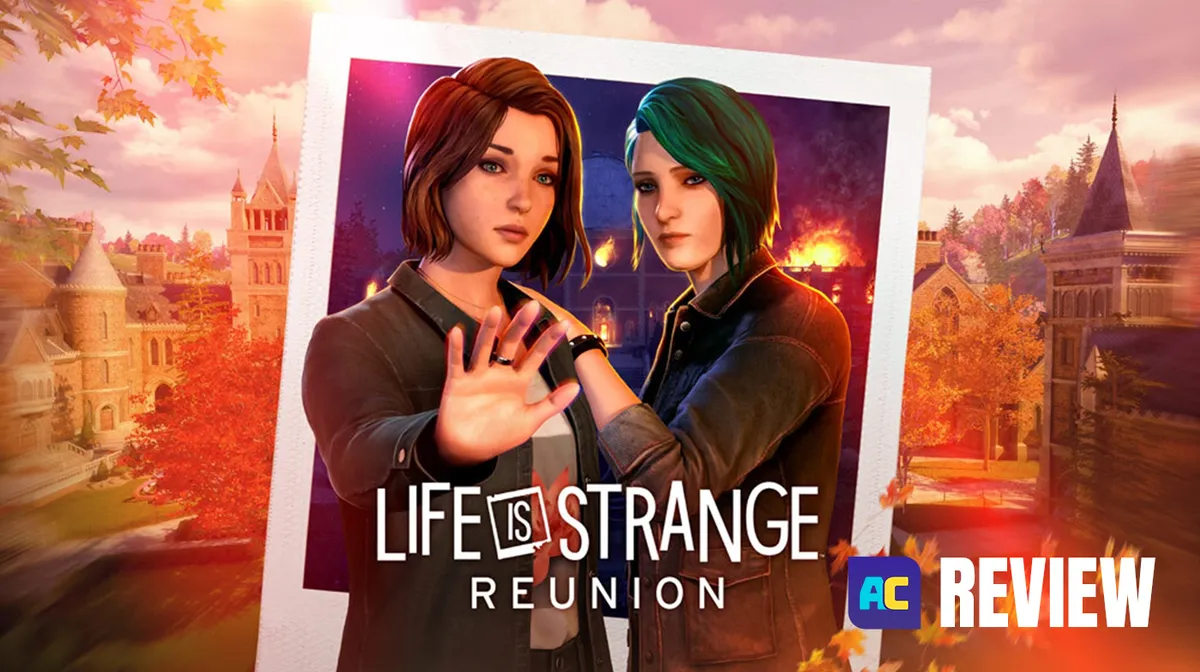
With Life is Strange: Reunion, the Deck Nine Games studio brings us the final chapter of Max and Chloe's story, combining time manipulation with a more mature narrative. As a newcomer to these games, I expected to feel lost jumping into a story like this, rooted in many games and very narrative-focused, but Reunion proved otherwise quickly. A game that mixes rewind-driven gameplay, grounded characters, and a mystery built around a secret society and a deadly campus fire, it manages to be both a great entry point into the series as well as an emotional continuation - though not without a few flaws here and there.
At its core, Reunion is a game about revisiting the past, and facing the consequences of your actions. No matter what you do in the story, you can expect that there will be a reaction to it, and although you can rewind and fix some of your choices, not all of them will fall under that umbrella. Max and Chloe's reunion is genuinely emotional and filled with warmth, tension, and growth, and the story takes care to balance quiet character moments with the urgency of solving the mystery campus fire.
While there are a few glitches and occasional technical problems, Reunion establishes itself as a fun and interesting narrative experience, and what the consequences are of the choices you make, or change.
Old wounds, new fires
Life is Strange: Reunion tells the story of what happened years after Max and Chloe's earlier adventures, with both characters having grown in distinct ways. Max is now working as a photography professor (or instructor, as the president of Caledon University says) in Vermont, working on her photography as well as guiding her students. She is now older, more settled, trying to keep her powers at arm's length. It's not a bad life, but as these things usually go, the sense of hard-won stability doesn't last long.
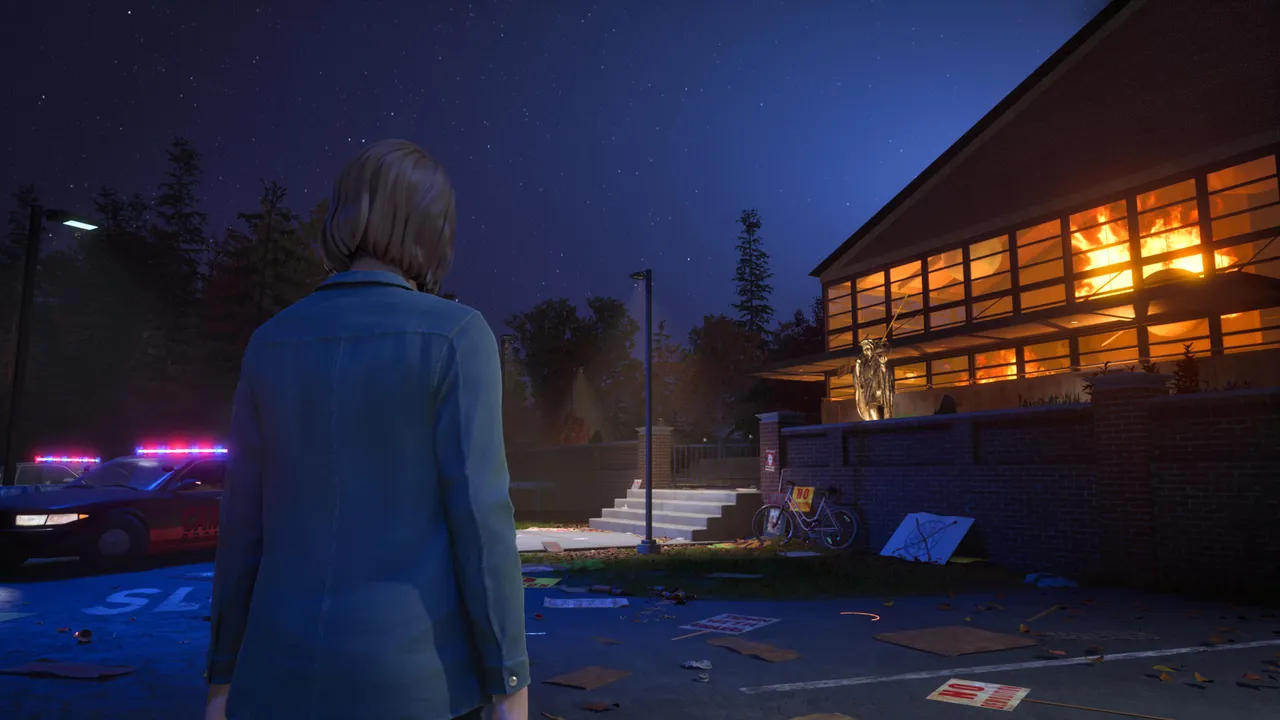
On her way out of town, Max notices that a fire broke out on campus. It's her home and her friends, so Max can't just walk away, she must help. People are in danger, and although she doesn't use them as much, her powers are there and can give her a chance to stop this tragedy from happening. The plot of the game wastes no time reminding you that knowing the cost of something doesn't make it easier to stop doing it. Max knew that rewinding the time will have its consequences, but she couldn't just let her friends die.
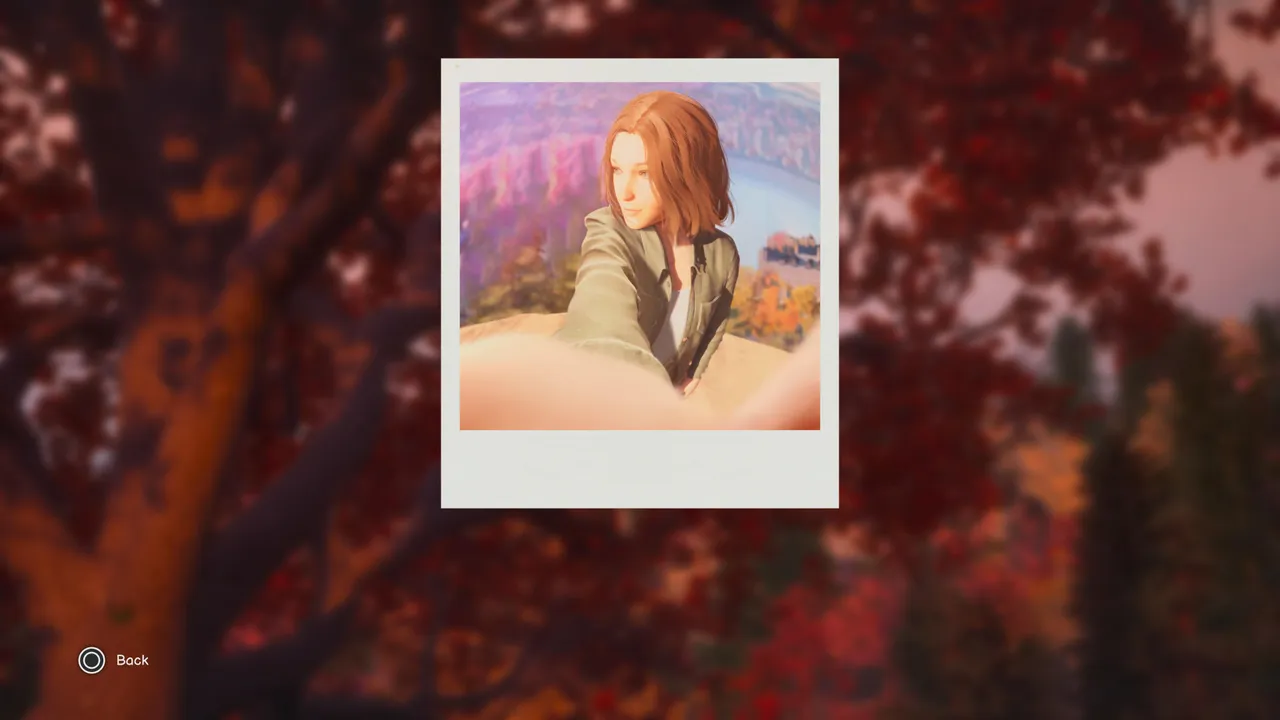
Not too long after, Chloe reappears, and the careful equilibrium that Max has built shakes even further. She brings their unresolved history into the play again, but also something else - fragmented, strange, and nightmare-like memories that don't really fit together, hinting that maybe whatever is happening at Caledon might not be as simple as it seems. Both of the main characters are dealing with their own issues, things that they don't understand, while at the same time trying to get over this weird tension and awkwardness which created between them after all this time apart.
The story leans heavily into the themes of consequences and growth, and the idea that even the best intentions leave marks. Max is not the same student she was before, clueless and shy, now she understands the risks of rewinding time in a way she didn't previously, and the game makes sure you see that through the way she talks, hesitates, and tries to justify her choices to herself. She still uses her powers to help people in danger, but now she does it with her eyes open. It doesn't feel like a game mechanic; it feels like a character trait.
The consequences go from smaller ones to bigger ones. While sometimes a person will end up just disliking Max after a certain choice, for others, that same choice could mean death. After all, this is a choice-based game. A choice you make in one scene, a conversation you steered a certain way, a piece of information you decided to share or keep, all of that can resurface later in a way that reframes what you thought you understood.
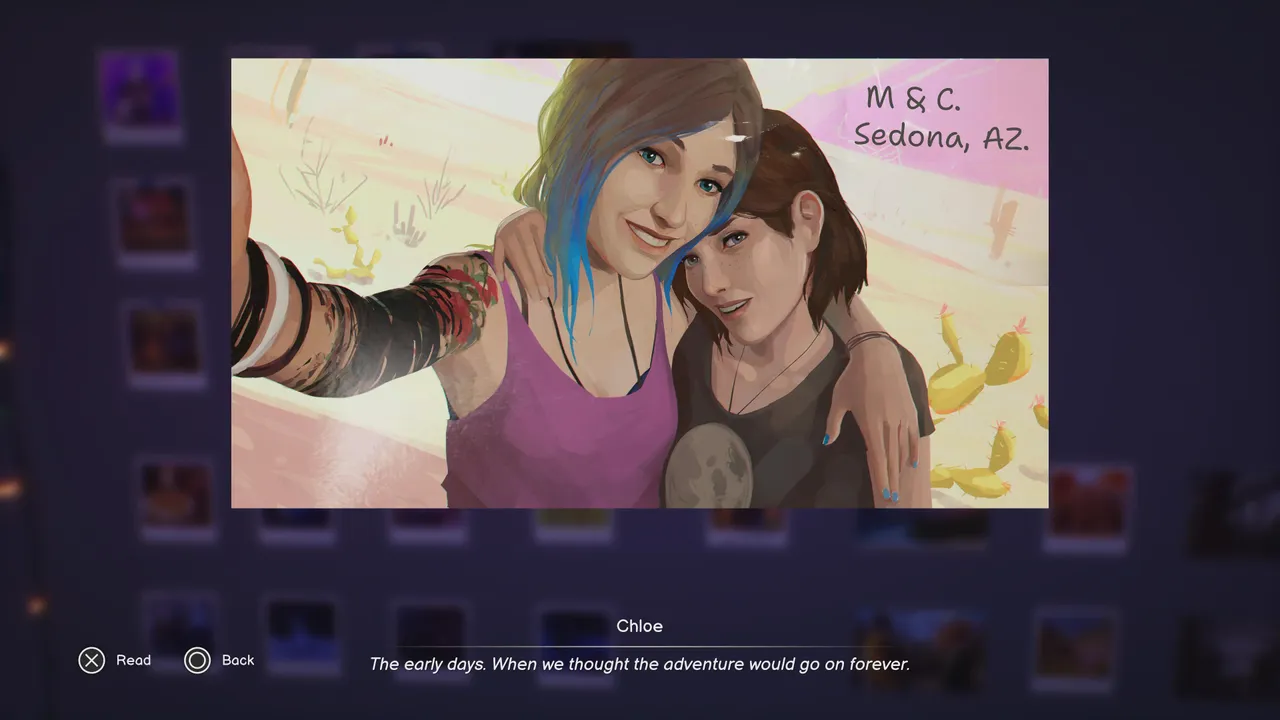
The relationship between Chloe and Max is the emotional core of the game, and it is obvious to everyone. Even without any previous knowledge, their relationship is a well-oiled machine and very believable, the way they talk, joke around, and banter at times shows signals of two people who clearly care for each other but haven't really figured out what to do about that. The brilliant writing gives them room to be complicated without being overbearing for the player.
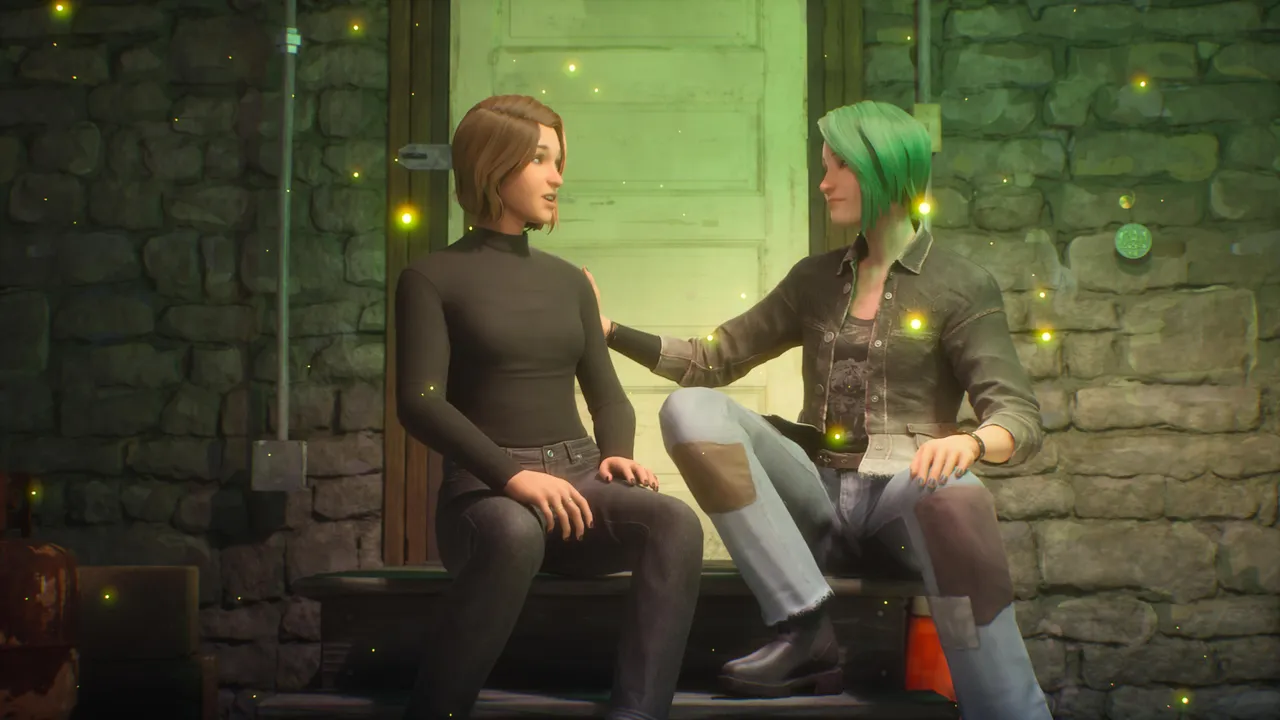
It's built from smaller moments as much as the bigger ones. The way Chloe deflects with humour when things get a bit too real. The way Max watches her sometimes, just trying to figure out what has changed and what stayed the same. These are two people who went through so many things together; they know each other better than anyone else in their lives. They know how to just sit in each other's presence, and it will be enough. There is a scene early on in the game, where they are just sitting together after something went wrong, neither of them saying much, and it's just as effective as any of the scenes where the writing tries harder. The game understand that it doesn't need to explain themselves to each other, and it trusts the player to understand what's underneath.
Don't get me wrong, their dynamic isn't uncomplicated. Max is going through a lot, she is trying to figure things out and save her home, and Chloe's return does bring a disruption. There is clear affection here, but there is also some sort of wariness, the sense that maybe now things will be harder for Max. The game earns the emotional moments between them because it doesn't skip over the tension and complications to get to the warmth. You feel like you're watching two people who care about each other trying to figure things out, what to do now, years later and after everything that has happened between them.
The pacing is handled very well most of the game. Scenes like infiltrating a secret party or piecing clues together about the fire keeps things moving, while the quieter moments, such as a conversation on a beach or an exchange in a dorm corridor give the story some room to breathe and the characters some space to feel real. It's a balance the series has always been good at, and Reunion is no different.
The choices you make during the game reflect on the sections that follow, and although you can use rewind for some smaller sections and after gathering clues, the really big choices are set in stone once you choose them. The ending does land and it shows that your choices carry weight, however not every decision will show up as important, depending on the path you choose in the story as well as during a conversation.
Old tricks, new tension
Reunion is not trying to reinvent the formula, and frankly it doesn't need to. The core loop is the same as it was in the first game: explore, talk to people, make choices, and from time to time use Max's rewind ability to approach a situation differently. If you've played a Life is Strange game before, you'll feel at home within minutes. If you haven't, it won't take you long to get the hang of everything.
The rewind mechanic is the most interesting thing about the game, obviously. Although it is used primarily to fix mistakes, it's most satisfying use comes from information gathering. Have a conversation, learn something new, rewind, and then use that knowledge to get a completely different interaction. It makes you feel like you're solving a mystery rather than just clicking dialogue options and hoping for a good outcome. It makes you appreciate how much time went into this mechanics' design.
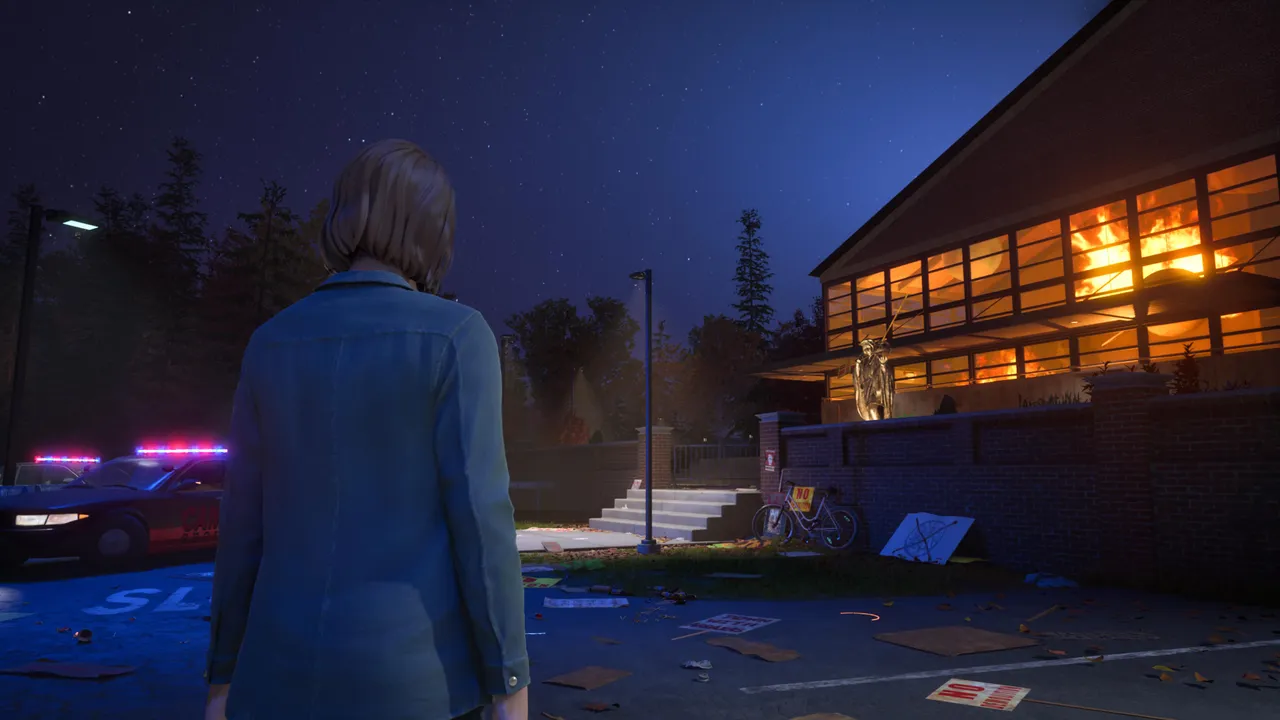
The game reminds you of another important thing; rewinding isn't free. Smaller ones feel manageable, low stakes, easy to justify. But the larger ones, where Max has to go a bit further back or tries to undo something with real weight behind it, they carry a cost that the game makes you feel. You're pulling on threads, and threads usually manage to unravel themselves in ways you might not expect.
You get a few sections where you play as Chloe, which is a nice change of pace. Her backtalk mechanic shifts the tone of interactions, and where Max tends to navigate conversations successfully, Chloe pushes back and makes some interactions feel almost confrontational. She keeps you on your toes with a different type of engagement, less about gathering information and more about standing your ground. It shows a contrast between the two characters, which is a nice touch.
Now for the puzzles, they are an area where the game undersells itself. Reunion puzzles aren't bad or boring, but they're just easy. After all, this is a game that prides itself on the fact that actions have consequences, but the puzzle design doesn't quite match those ambitions. You're rarely stuck for long, and while it makes things accessible and fast, the gameplay doesn't feel challenging. For a person like me, who doesn't really enjoy puzzles much, this is not a big issue, but for someone who thrives in puzzle games, they might give this two thumbs down.
Pretty where it counts
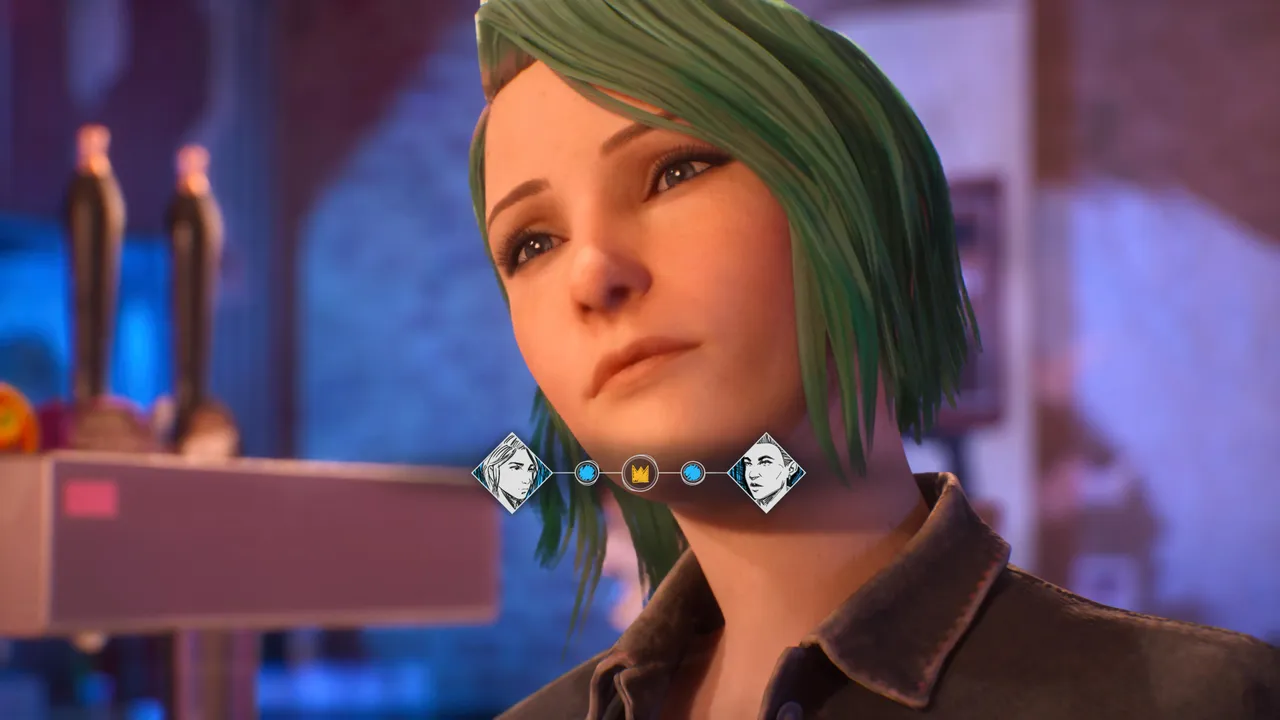
Reunion looks good, and it knows how to use it. The environments are detailed and atmospheric, with an art style that is cute, endearing, and sits somewhere between realism and stylisation. The campus feels like a real place, like an actual campus set in a smaller town somewhere in the US. The quieter scenes are pulling their weight as much as the intense story moments that happen throughout.
Character animations are solid, and the motion capture does good work. Emotional exchanges land nicely because you are reading faces as much as the dialogue. There is one thing that bothered me, and that is that Max looks confused...A lot. Now, I don't know if that is just the way her face looks, but it became a little bit annoying to me at some point. It's a small thing and probably just a "me thing", but it happens often enough that you start to notice it.
On the technical side, the experience is a bit uneven. There are a few texture pop-ins there and there, it's nothing major but it does happen. One major bug that happened is where both lighting and colours became completely distorted when entering the secret party with Max. It was annoying, as it turned what should've been an atmospheric scene into something that seems like a TV losing signal. Reloading did fix it, but an exciting moment like that didn't need that interruption. These aren't really dealbreakers, just a few rough edges that need polishing.
The audio is where the game is in its zen state. The soundtrack is carefully chosen and fits the scene where it appears, it's not pushy and it doesn't tell you how to feel at certain scenes, it's just a nice background effect. The score handles the emotional beats nicely, and the ambient design sounds is mellow, calm, and emotional in the moments when it needs to be.
Final thoughts
Life is Strange: Reunion succeeds where it matters most. Yes, I wish it would take bolder swings, es, there are technical issues, but the way this game delivers an emotional story is just on a whole new level. The relationship between Max and Chloe is handled with care and honesty, the rewind mechanic feels fresh and satisfying, and the story with all it's moments builds up to an ending that lands.
Reunion is a kind of a game that stays with you long after you play it, and it will make you go back and play the previous entries if you haven't already. The game brings interesting storytelling and fun mechanics, but what you'll crave for the most is the characters and their relationships. You will form a relationship with them, notice things about them that you like and that annoy you, and that is not something that you can say any game can do, it is not a small thing.
Although there are consequences in the game that should've hit a bit harder, the emotional ones always delivered a punch. And in a game about the cost of going back, that's probably the whole point. Whether you've been following Max's story for a while or you're picking this up cold, Reunion is definitely worth your time. But just don't expect that you'll walk away without thinking about the choices you didn't undo.
The Good
 Emotional and deep relationships
- Rewarding and fun rewind and backtalk mechanics
- Choices have in-game consequences
- Detailed environments with a strong, consistent art-style
- Excellent storytelling
- Well-paced, rewarding investigation sections
- Compelling character writing
- Playing as Max and Chloe adds variety
- Motion capture handles emotional scenes well
- Accessible to newcomers to the series
The Bad
 Puzzles are too easy
- Choices system doesn't always feel punishing enough
- Minor texture pop-in
- Lighting and colour distortion issue