Trending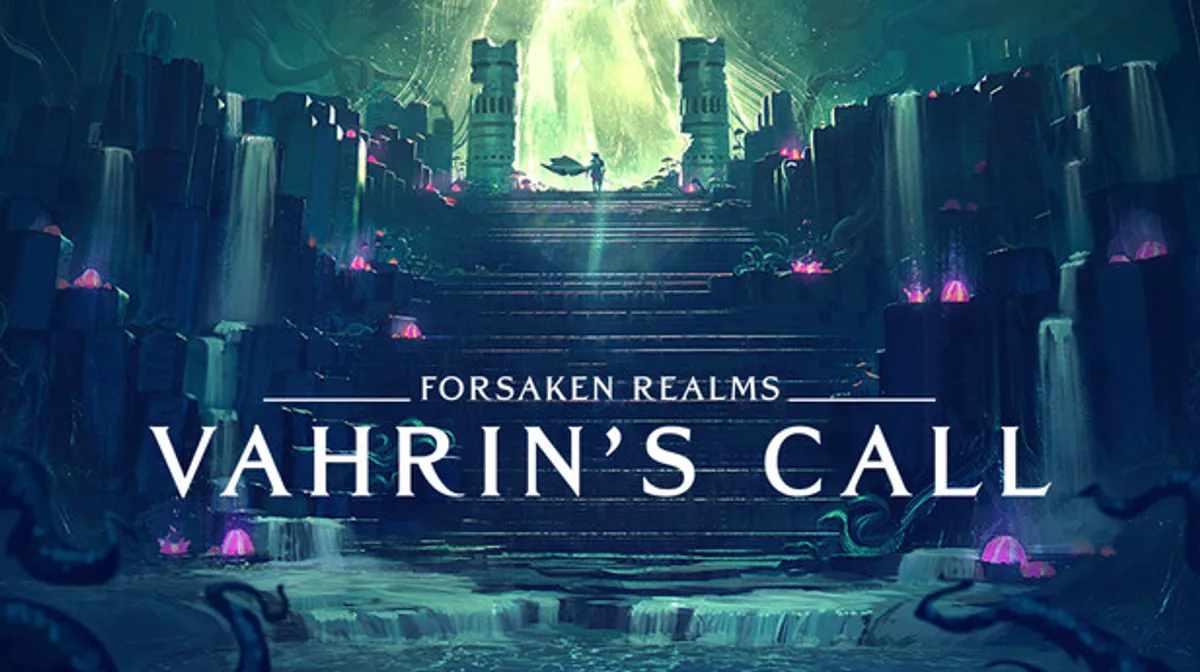
A small, self-funded studio spent over a decade chipping away at the same project, and an hour in, that history is easy to believe. There's a lot of ambition crammed into Vahrin's Call, and a fair amount of rough-around-the-edges execution to go with it. It knows what it wants an RPG to feel like, it just never fully got there for me.
Structurally, it plays things about as straightforwardly as the genre gets, with an old-school adventure feel to it. The ambition lives in how much freedom you're given to fill that structure in.
Building your character
Right at the start you'll create your character, and there's enough here to lose some time in if you enjoy fiddling with sliders, though I mostly threw together something serviceable and moved on. A short prologue later, an opening boss down, and the game hands you the reins properly.
Rather than picking a class, everything is unlocked through a shared pool of skill points that you pour into whichever trees you like, each with its own internal upgrades, and skills level up through use rather than directly investing points into them. Core survival stats scale up automatically each level, keeping the decision-making focused entirely on which combat toolkit you want to upgrade.
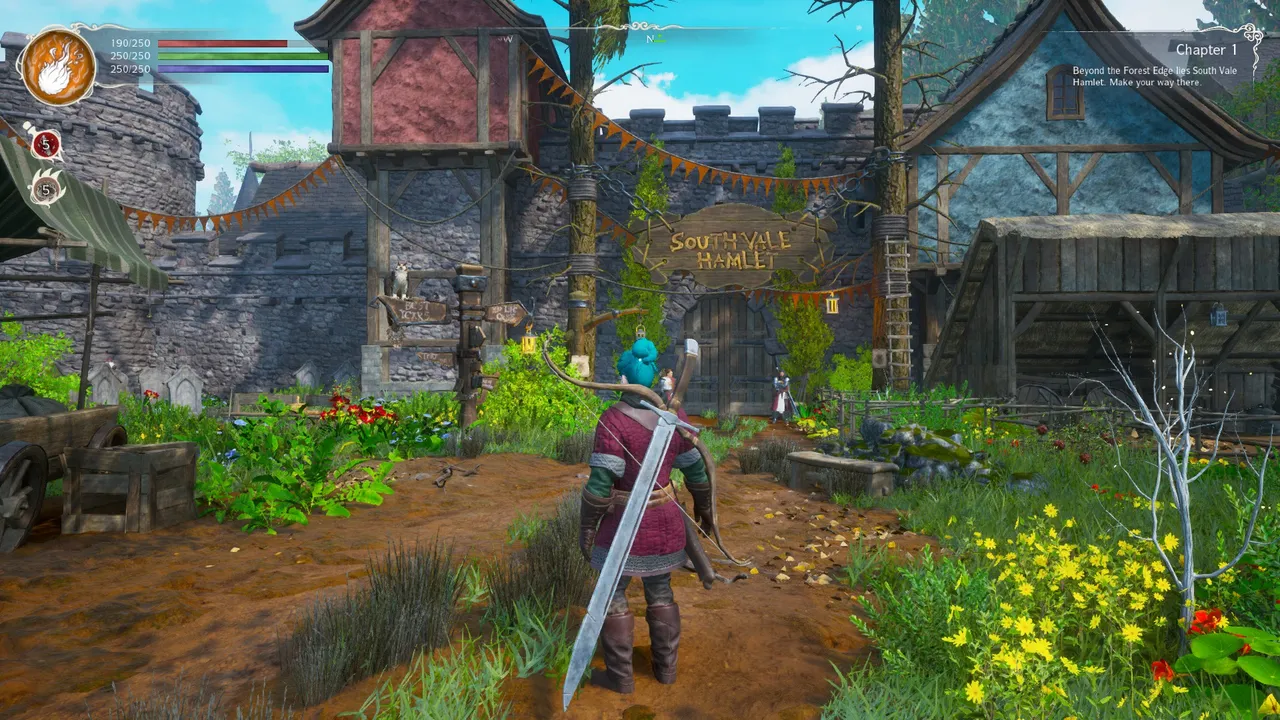
A good chunk of your abilities are gated behind Skillbooks scattered around the map, which nudges you to keep exploring every nook and cranny the game offers. Where the system is pretty generous is the respec, as resetting your build costs nothing, so there's no real penalty to switching things up on the spot. Spells share a wheel with your potions and traps, and calling it up slows the action down without fully pausing it, which leaves more room to think mid-fight than you might expect.
All of this is an impressively flexible toolset for a seven-person studio to have built, and the freedom to swap between all of it is probably the game's strongest system.
Combat & exploration
This is where the toolkit's promise doesn't fully land. Enemies don't react much to being hit, so encounters end up flatter than they look. It's not bad bad, just lacking the punch you'd expect given the variety on offer. Movement has a similarly stiff edge, and more than once I've come across obstacles that feel like they should be climbable but aren't, so there's obviously a path the game wants you to take. Dying simply resets you to your last checkpoint with nothing lost, though any enemies you'd already cleared respawn as well.
Exploration is the flip side of that coin, and for me it's easily the game's best-realised idea. The world is vibrant, and every zone rewards the habit of checking every corner and side path, since Skillbooks and techniques are tucked away specifically for players willing to wander off the quest line. It's structured as a series of semi-open zones stitched together, with visible guidance trails nudging you toward objectives. It's handled reasonably well, though players who prefer finding their own way without hand-holding may not take to it.
Where it falls short
My biggest gripe with Vahrin's Call is the interface. The menus are entirely text-based and feel like a throwback to an earlier generation of RPGs. Guiding you to the new loot you just picked up is a "new item" tag that vanishes if your cursor so much as grazes it, making it needlessly fiddly to track what you've picked up. It adds up.
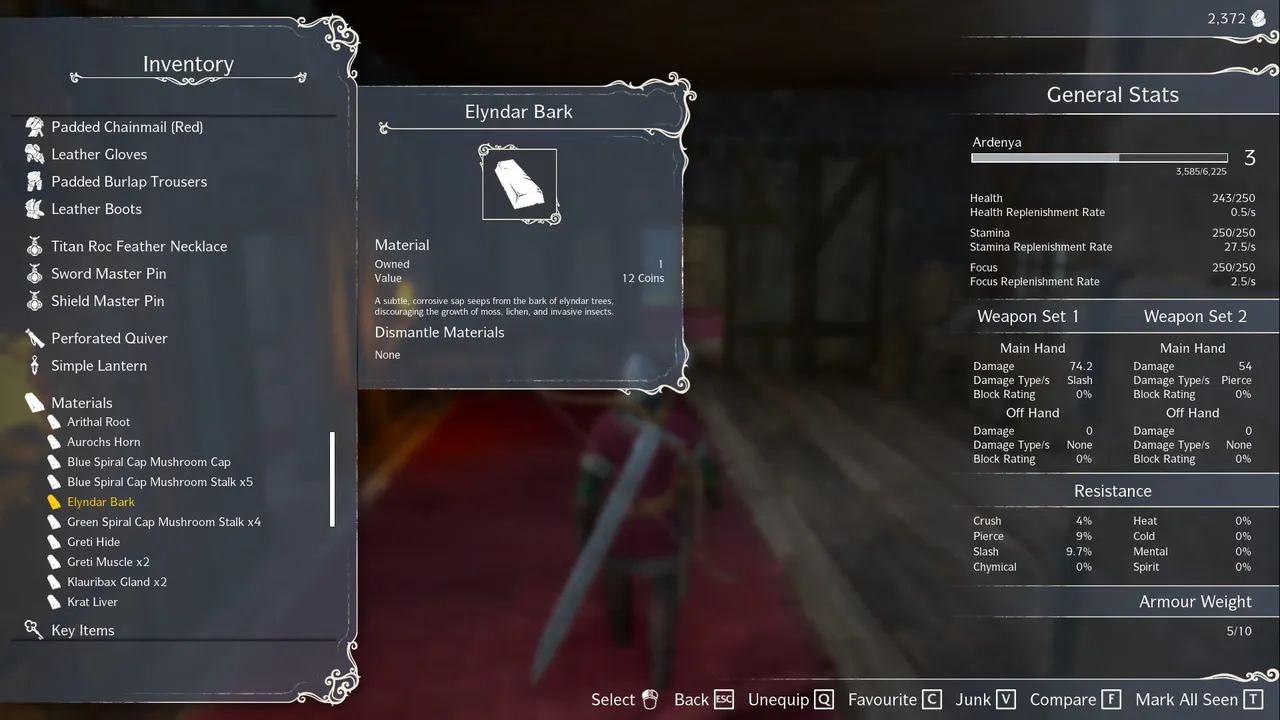
The first proper city is also a case of ambition outpacing follow-through. Nobody's expecting the granular NPC scheduling a game like Kingdom Come: Deliverance builds its identity around, but this town feels quieter than the moment calls for. Walking into the tavern hoping to pick up my first job as a working mercenary, I expected it to be somewhat loud, and instead found a single innkeeper and not much else aside from other vendors and guards. The environmental art does a lot of the heavy lifting here, and world design and scenery are pretty strong throughout, but strip away the loot and collectibles and a few areas feel emptier than they first appear.
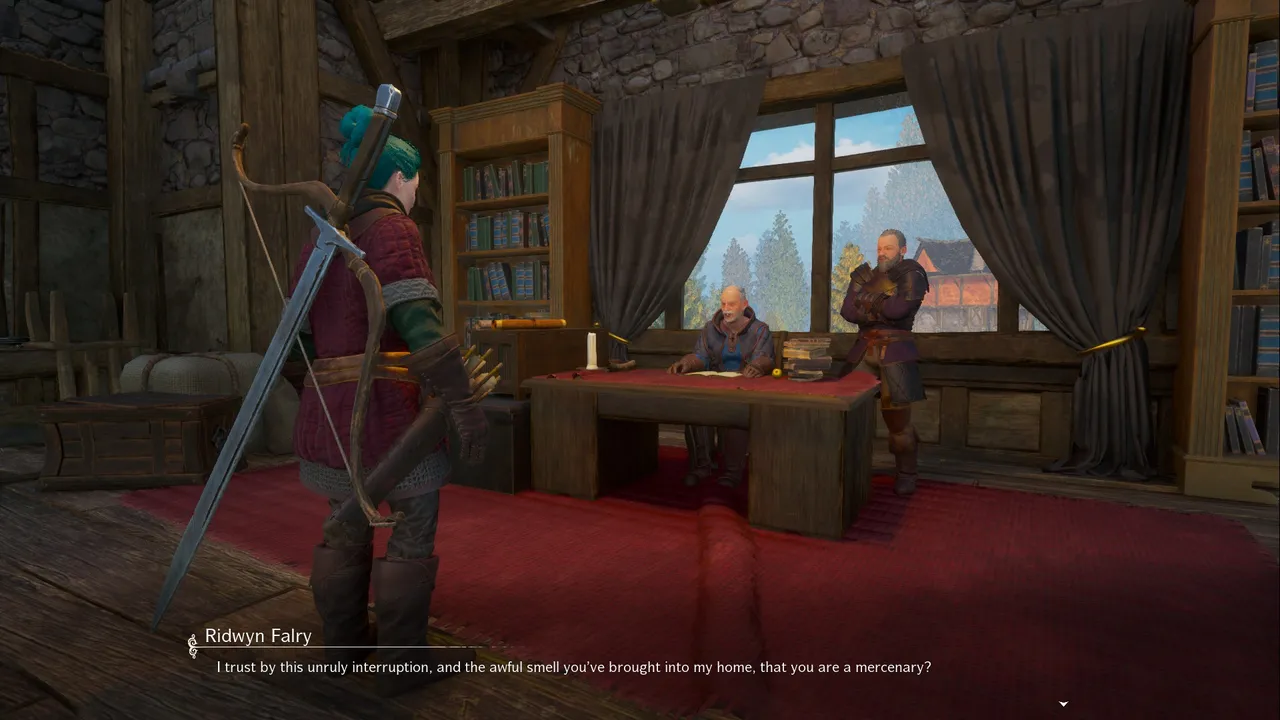
The plot follows a mercenary caught up in a kingdom's fight against monstrous insectoid invaders, and overall it's functional rather than gripping. It's a fairly standard fantasy tale with a decent but ultimately unmemorable cast, mostly content to set the stage and let the world's tone carry things, though it's often undercut by side content that's genuinely funny. The voice acting is solid throughout, even if the narrative itself doesn't leave much of a lasting impression.
Final thoughts
None of Vahrin's Call's rough edges are especially exotic, and none are hard to name. That they're all still present after more than ten years in development is a bit of a surprise, but none are dealbreakers on their own, it's just the kind of thing that keeps a good game from being a better one, rather than anything that actively gets in the way.
What keeps it worth playing is the exploration, the character-building, and writing with a decent sense of humour. It gets more interesting the deeper you go, without ever fundamentally changing what it is - a game clearly made by a small, dedicated team. It's a solid RPG, enjoyable to spend time in and easy to recommend to genre fans with some patience for jank, but not one that particularly blew me away.
The Good
 Rewarding world worth exploring
- Flexible, classless progression with low-risk experimentation
- Solid writing and voice acting
The Bad
 Clunky combat
- Outdated, text-heavy menus
- Stiff movement
- Plot is functional but forgettable