Trending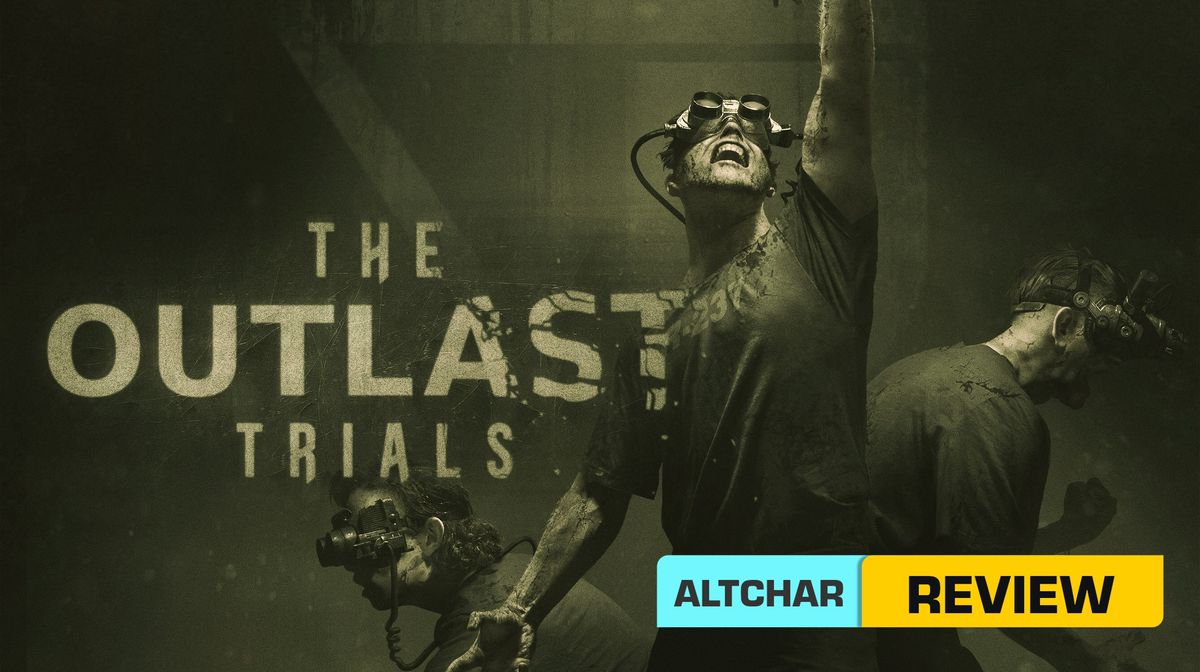
At some point in our lives, we've all witnessed a horror movie where the main character, attempting to evade a relentless pursuer, often a psycho killer, chooses to defy common sense and follow their curiosity. Unfortunately, this predictable decision typically leads to dire consequences for the character.
In those moments, we've all believed we would never make such a risky move, cautioning the character with thoughts like, "Don't go there, they'll kill you! Be careful...!" Often, we find ourselves thinking that there's usually a simpler and safer way out of these predicaments.
The Outlast Trials is a game that confronts you with the harsh reality, revealing that in many situations akin to those tormenting its characters, you might find yourself making similar, if not more foolish, choices. Offering an immersive experience, the game allows you to personally confront these fears and the cat-and-mouse dynamics, pushing the boundaries of fear to their utmost limits.
Story: Run for your sanity
I must confess from the beginning that I'm not a fervent follower of horror games, and as such, I haven't played any of the preceding titles in the series. Consequently, I approached The Outlast Trials with little to no prior knowledge of the franchise. Nevertheless, the game's narrative appears to have minimal connections with its predecessors, as the story unfolds independently.
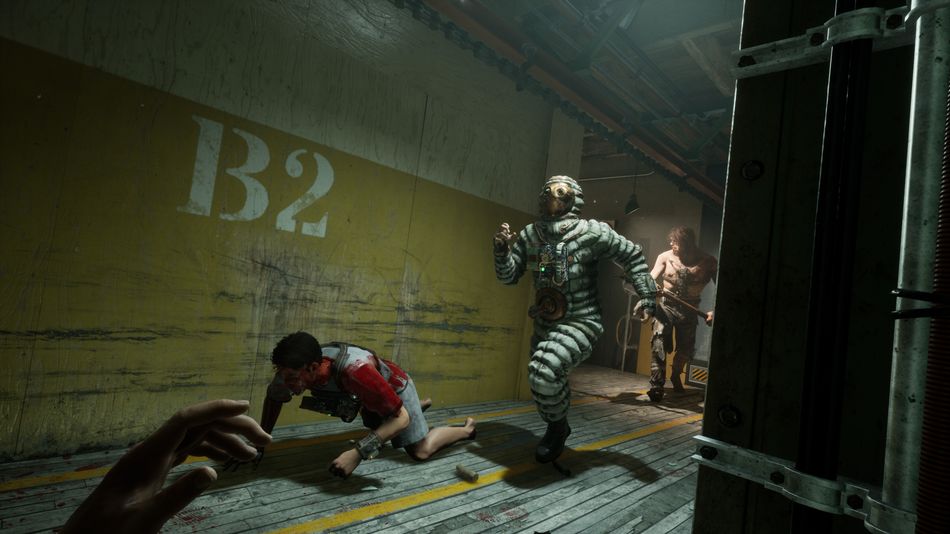
The narrative places you in the shoes of an abducted protagonist taken captive by a malevolent corporation. This entity conducts experiments involving live subjects to observe their behaviour in specific situations, gathering essential information about them. The promise dangled before those subjected to these trials is the potential for freedom should they successfully navigate and pass the challenging tests.
The comprehensive narrative unfolds across a substantial array of trials, each distinguished by varying tasks and level designs. Progressing through these trials is integral to advancing the overarching story, ultimately leading players towards a conclusion that I'll refrain from delving into to avoid divulging specific details.
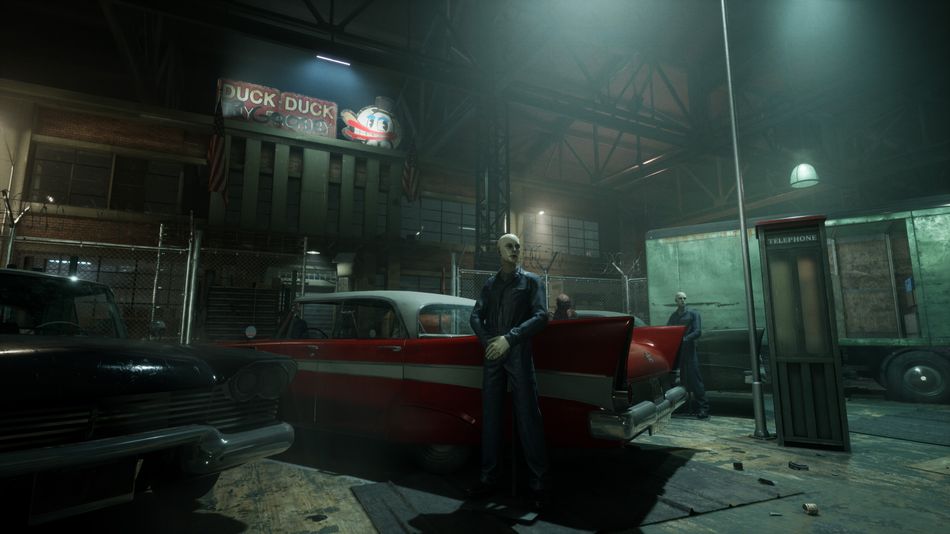
However, what I can disclose is that the narrative is exceptionally interesting, pushing you to persevere through the game even in moments where due to certain factors I'll elaborate on later, you may feel tempted to abandon it. The intriguing storyline will leave you eager to discover how everything ends.
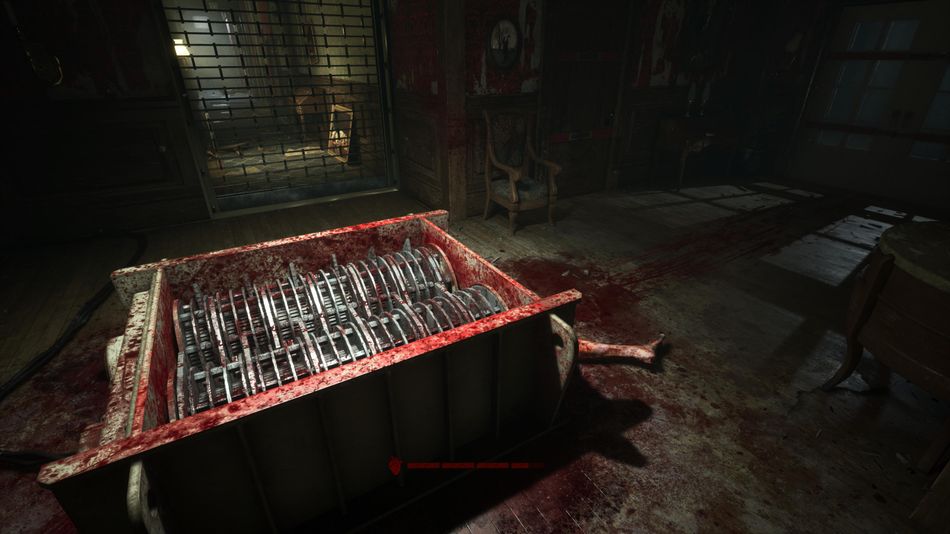
The narratives within the trials are crafted to evoke fear through a sense of disgust, challenging players to endure the unsettling content presented in each story. Anticipate potent scenes that are unquestionably unsuitable for a family audience.
Given that The Outlast Trials is deliberately created as a co-op experience, with single-player being an option but not the preferred one, the game doesn't prominently emphasise its storyline. However, the narrative's quality undeniably carries significant weight. In addition to the prevailing sense of fear and horror, it becomes a compelling driving force, encouraging players to persist and delve deeper into the experience.
Gameplay: The game of cat and mouse
The simplicity of both the formula and gameplay, coupled with the effective scares found in The Outlast Trials, is precisely what distinguishes this game in the world of horror gaming.
The game's formula is straightforward: starting from the Murkoff Facility, where the trial participants are held, you access a terminal that transports you to a designated trial. The goal is to fulfil the assigned task dictated by your captors. When the task is done, which often includes secondary objectives alongside the main ones, you return to the base, inching one step closer to your freedom.
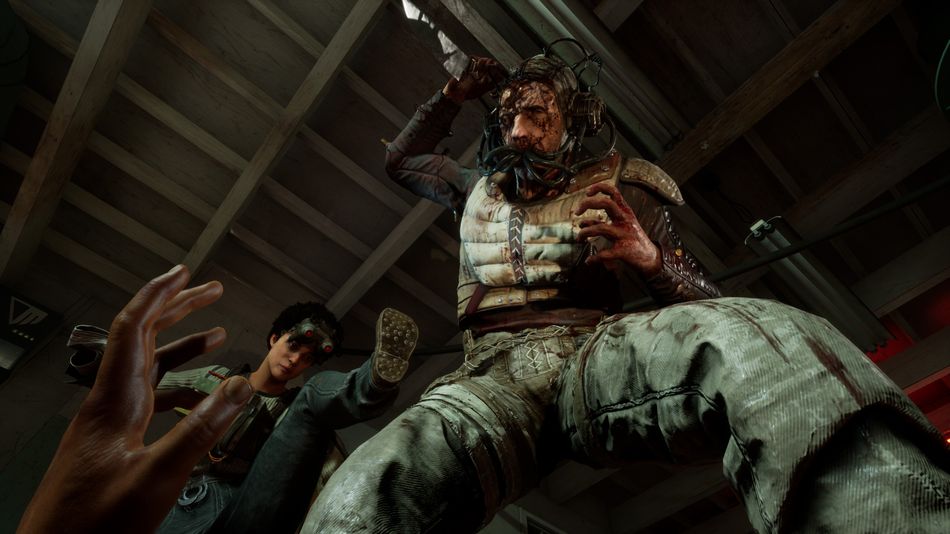
In The Outlast Trials, it's important to note that you won't have any weapons. Your encounters with enemies will mostly involve hiding, engaging in a cat-and-mouse dynamic and using random items like glass bottles to create distractions. Additionally, you can stun some foes with bricks, creating an opportunity for you to escape while they are incapacitated.
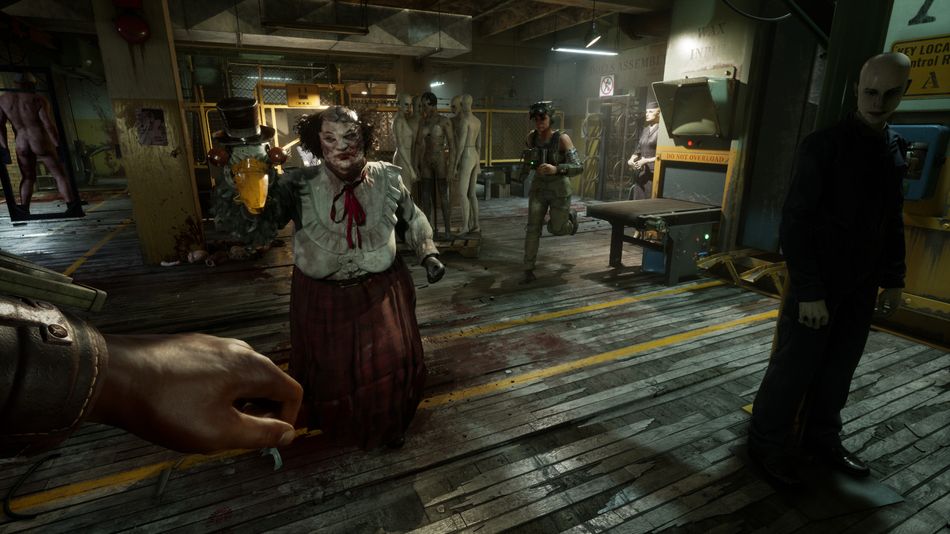
Your primary tool in The Outlast Trials is the night vision goggles, installed at the start of the game to aid navigation in the dark. However, their usage isn't unlimited, and they consume batteries. As you progress through levels, you'll need to search for replacements. Even when the batteries deplete, the night vision switches to an energy-saving mode, allowing you to continue using them with slightly blurred vision.
Regarding batteries, when you come across them, you add them to your limited inventory space, which accommodates only a handful of items. This requires strategic thinking about whether to prioritise carrying batteries over other items like bricks or health packs. Notably, health packs are available throughout the levels to aid in recovery when you're injured.
Beyond conventional health mechanics, The Outlast Trials introduces a sanity system involving nerve gas encounters, found in the manner of traps or employed by certain enemies. As the sanity metre fills, hallucinations ensue, intensifying the fear factor. To dispel these hallucinations, a special medicine is available to restore your sanity.
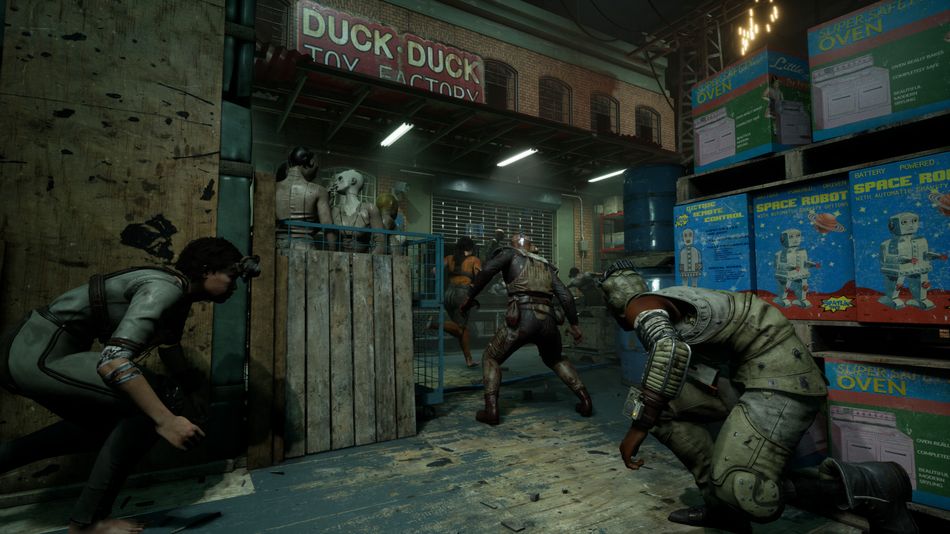
As previously mentioned, the level design in The Outlast Trials adopts a hide-and-seek style, providing numerous hiding spots while also featuring elements that can potentially expose your position. Examples include scattered broken glass and easily detectable sound traps, offering both refuge and challenges throughout the game.
Also, as you advance through the levels, you gain access to slightly improved capabilities for dealing with enemies, like shock attacks, the ability to see through walls, and such. These enhancements contribute to making specific trials more manageable as you progress in the game.
Regarding the enemies, they are mostly psychos roaming the levels with the sole intent of eliminating you. As mentioned earlier, some enemies inflict psychosis poison, while others take on a slightly more formidable form, akin to mini-bosses. These adversaries are larger, stronger, and deal more damage when they hit you.
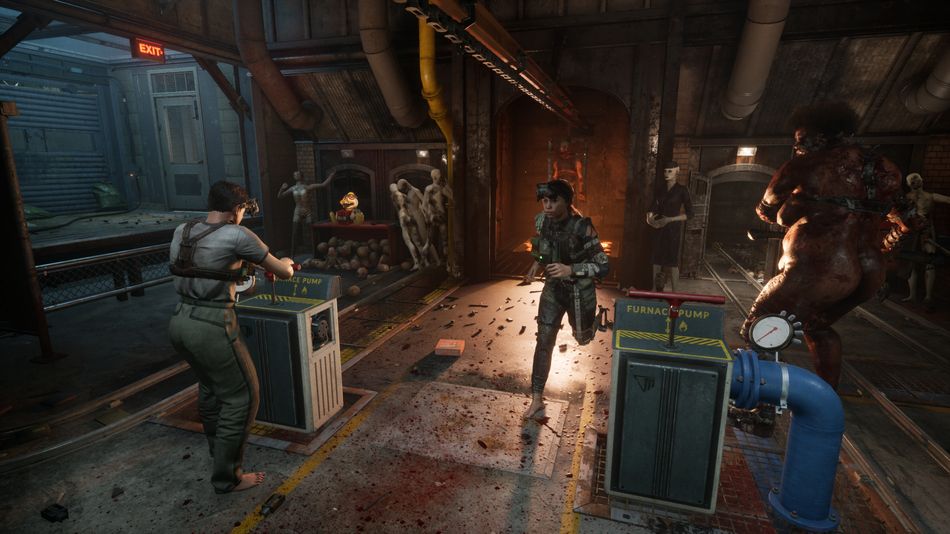
A notable drawback lies in the enemy AI, which, to put it mildly, is not at the highest level. Escaping them becomes notably easy, as jumping over a table or breaking the line of sight can be sufficient. There are instances where an enemy might inexplicably stand in front of your hiding spot, seemingly unaware of your presence, persisting in that position until you decide to move elsewhere.
The intimidation system in The Outlast Trials deviates from the jump scare principle, focusing instead on a gradual buildup of fear. Enemies consistently talk as they move about, fostering a sense of anxiety and the perception of being cornered. The game relies on this tension, emphasising your vulnerability without weapons and contributing to the overall feeling of helplessness.
The entire gameplay dynamic undergoes a significant shift when engaging in co-op mode, introducing an entirely new dimension to the game. You have the option to invite three additional players to join your team or participate on someone else's team. Tasks that you typically undertake alone become even more manageable with a team. However, the developers have introduced a level of complexity by incorporating decoy teammates, posing as allies but, in reality, functioning as enemies.
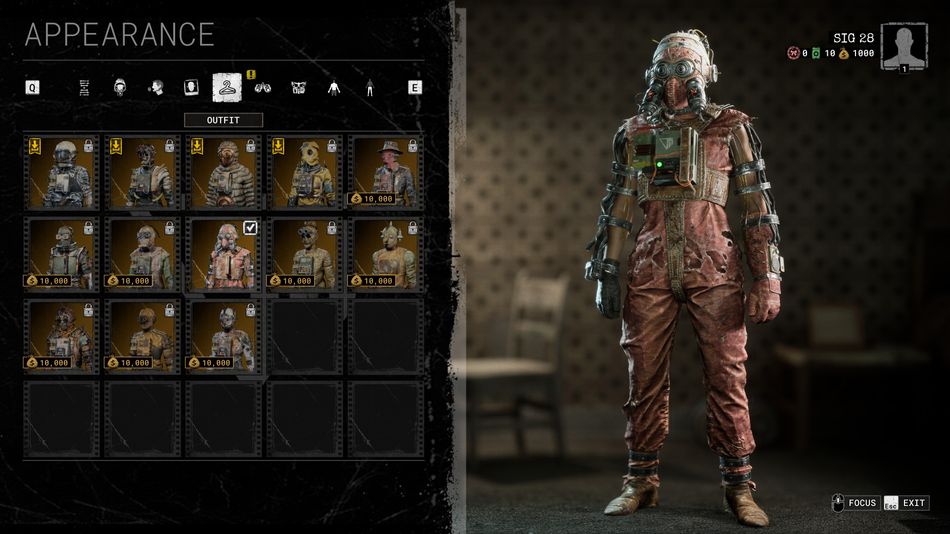
Playing with more participants notably diminishes the sensation of fear, as the solitude that serves as the primary catalyst for fear in single-player mode is absent in a team setting.
The primary issue afflicting this game lies in its inherent repetitiveness, not in the mission designs themselves, as they exhibit commendable variety. The challenge arises from the manner in which these missions are executed, as the cat-and-mouse gameplay can become somewhat wearying after a few trials.
Upon completing trials, new tiers with slightly increased difficulty are unlocked in which enemies become slightly more aggressive and there are more of them scattered around the levels. In addition, they can also detect you more easily while traps like broken glass are all over the place. However, some abilities like seeing through the walls help a lot to avoid getting caught.
Ultimately, the gameplay experience remains largely consistent, with the only discernible difference being the varied designs of the trials.
Graphics and Sounds: A beautifully disgusting game
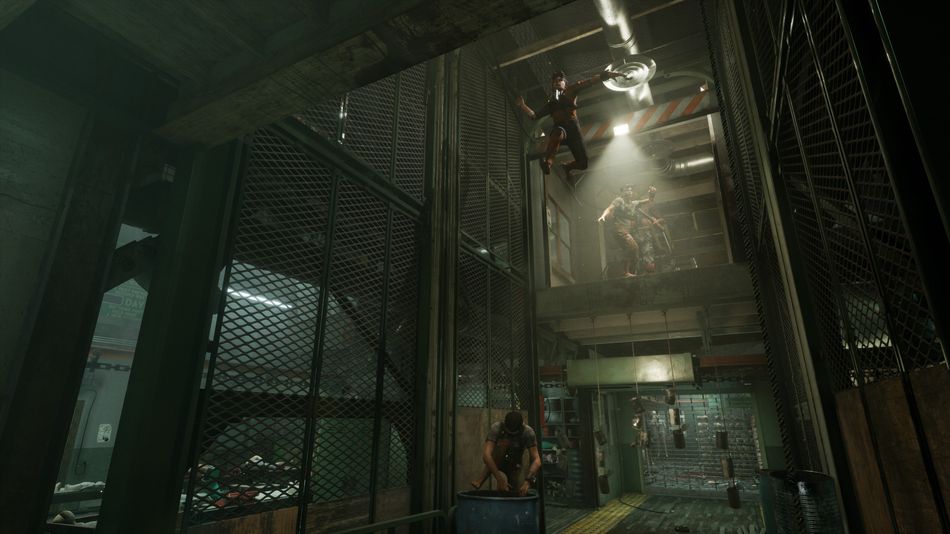
In terms of graphics, The Outlast Trials is a disgustingly beautiful game, and I believe that's the most fitting description it can get. Every element encountered in this horror game is intentionally crafted to induce feelings of sickness and disgust, a deliberate design choice that permeates the entire experience.
The game doesn't hesitate to show scenes that even some movies bypass in a wide arc. For example, in the first trial, one of the main enemies is a tall psychopath who walks around without clothes, all with his crotch exposed, which will cause you both fear and a sense of disgust at the same time.
Certainly, powered by the Unreal Engine, the visuals are remarkably realistic, occasionally even surpassing expectations. Some scenes are so impactful that they might prompt you to avert your gaze, as they demand attention and cannot be passively observed.
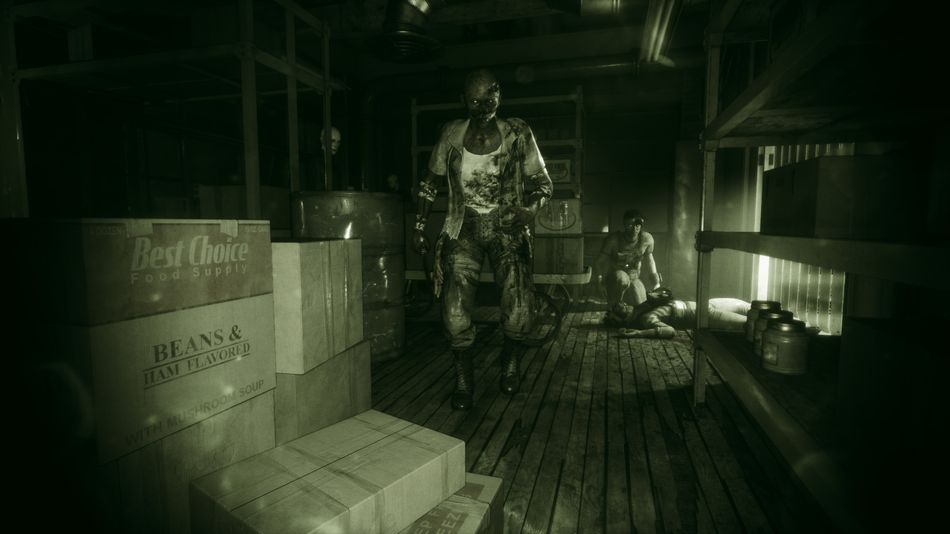
The effects of mutilation, blood spatter, and various other macabre techniques employed to induce fear look lifelike, falling into the uncanny valley category. Textures exhibit a high level of sharpness and detail, reflections on smooth surfaces are skillfully executed, and the shadows throughout the game are remarkably true to life.
The character models exhibit a somewhat lacklustre design, rendering the characters with a doll-like appearance, particularly noticeable during co-op play where the movements of your teammates appear oddly awkward. In the realm of graphics, this aspect can be considered a notable shortcoming.
The lighting in the game is exceptionally well executed, with smooth transitions from illuminated to dark spaces. Given the horror genre of the game, this aspect of the graphics needed to meet certain standards, and I must acknowledge that it indeed does so impressively.
Playing on the PlayStation 5, where I experienced the game, the performance was outstanding, devoid of any glitches or stutters. Unlike many other games on the PlayStation 5 that offer separate performance and fidelity modes, The Outlast Trials defaults to a stable 60 FPS in 4K resolution.
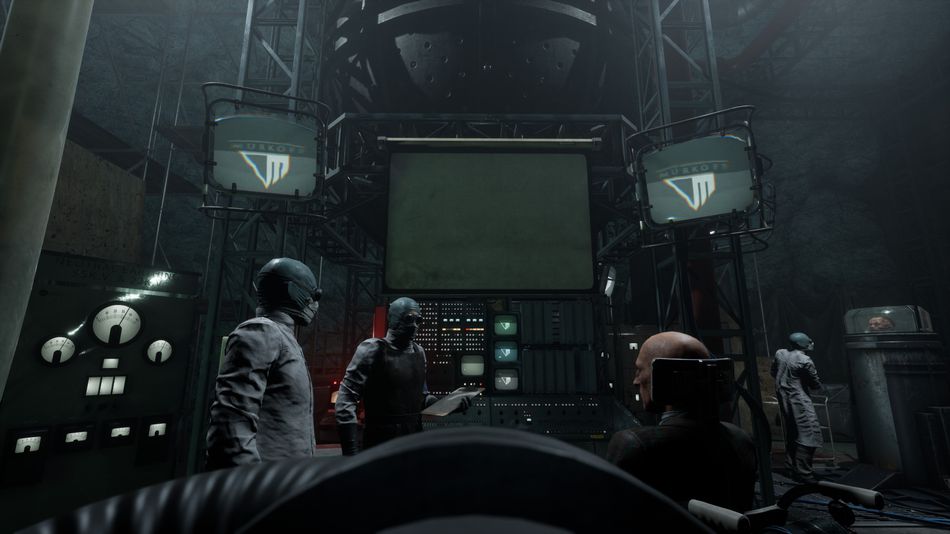
In terms of graphics, The Outlast Trials may not stand out across the board, but it manages to excel precisely where it needs to. Those segments where it aims to impress graphically are executed admirably, and that's enough for me.
Sound plays a crucial role in horror games, and in The Outlast Trials, this aspect is executed at an exceptionally high level. The scare sound effects, ranging from the unpredictable sounds produced by psychopaths to ambient environmental noises, are all meticulously crafted with a significant amount of attention to detail and evoke a strong sense of immersion.
The soundtrack and background music are carefully crafted to intensify feelings of anxiety and fear, seamlessly blending into the overall atmospheric experience of the game.
Conclusion
If you seek a gaming experience that encapsulates the anxiety and dread reminiscent of a horror movie, where you find yourself as nothing more than helpless prey awaiting capture, then The Outlast Trials is the perfect fit for you.
With enjoyable co-op gameplay, solid graphics, and a compelling story that pushes you through to the end, The Outlast Trials offers a commendable horror game. While it does have a few noticeable flaws and a degree of repetitive gameplay, it remains an excellent choice for fans of the genre, though it may not be as appealing to more casual gamers.
The Good
 Enjoyable co-op experience
- Solid graphics
- Gripping narrative
- Fear-building techniques
- Very good sounds
The Bad
 Gets repetitive after a while
- Underwhelming enemy AI