Trending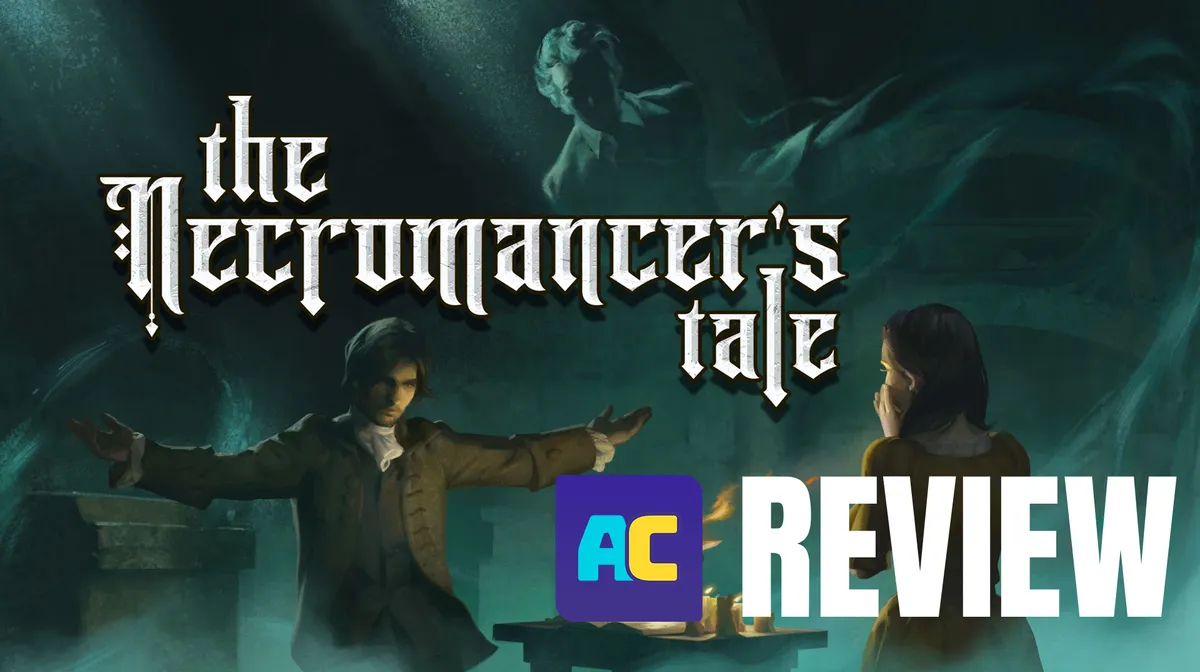
Most role-playing games give you the option to be evil in the same way a restaurant gives you the option to complain about the food: technically available, rarely committed to, and ultimately not what the kitchen was designed for. The Necromancer's Tale is not most role-playing games.
Psychic Software's gothic CRPG is built from the ground up around a single, uncomfortable premise: you are not the hero. You never will be. And the most unsettling part is how reasonable each step of your descent into the dark arts feels in the moment.
Story
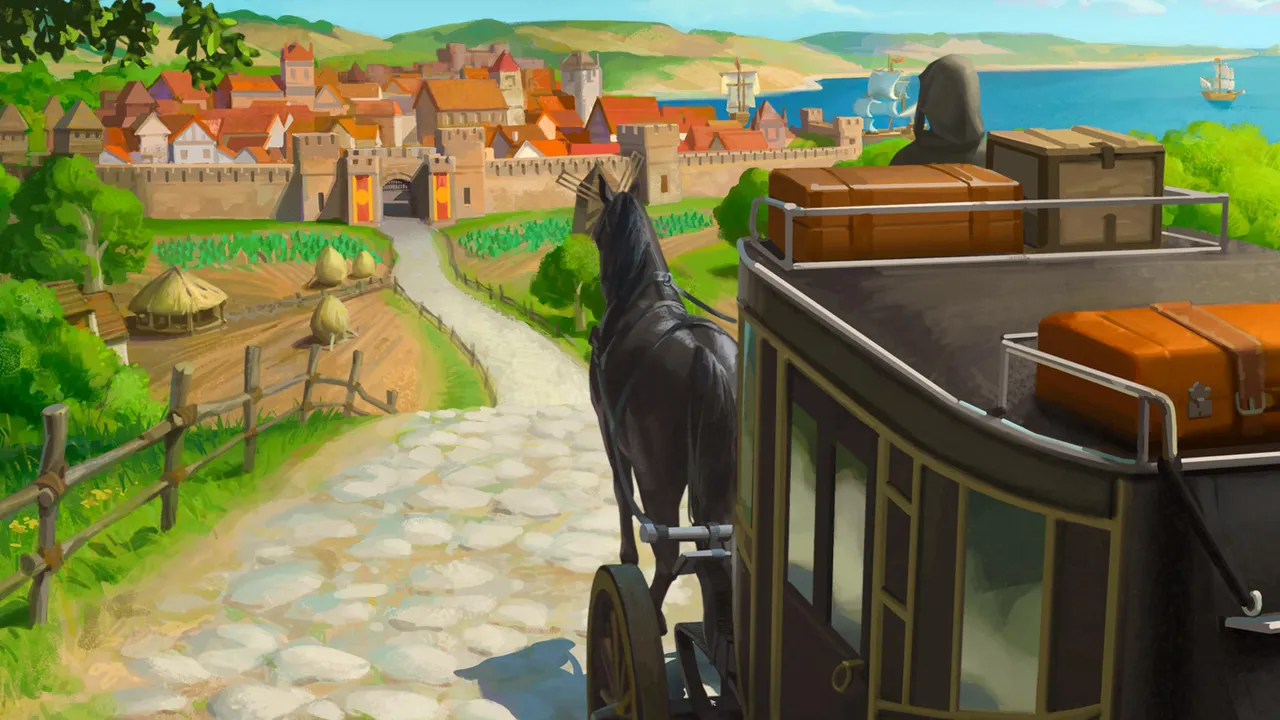
Set in the fictionalised Sovereign Monarchy of Rulsthen in 1733, an alternate-history kingdom somewhere near Venice and the Adriatic coast, The Necromancer's Tale puts you into the shoes of a minor noble returning home under grim circumstances. Your father is dead, your family is broke, and the city of Marns is rotten with political intrigue and whispered secrets about the dark powers that once saved the kingdom from Venetian invasion.
What begins as a story of grief and financial collapse and uncertainty slowly, deliberately, and brilliantly turns into something much more dangerous: a story about what you are willing to become and how easy it is to justify each step along the way.
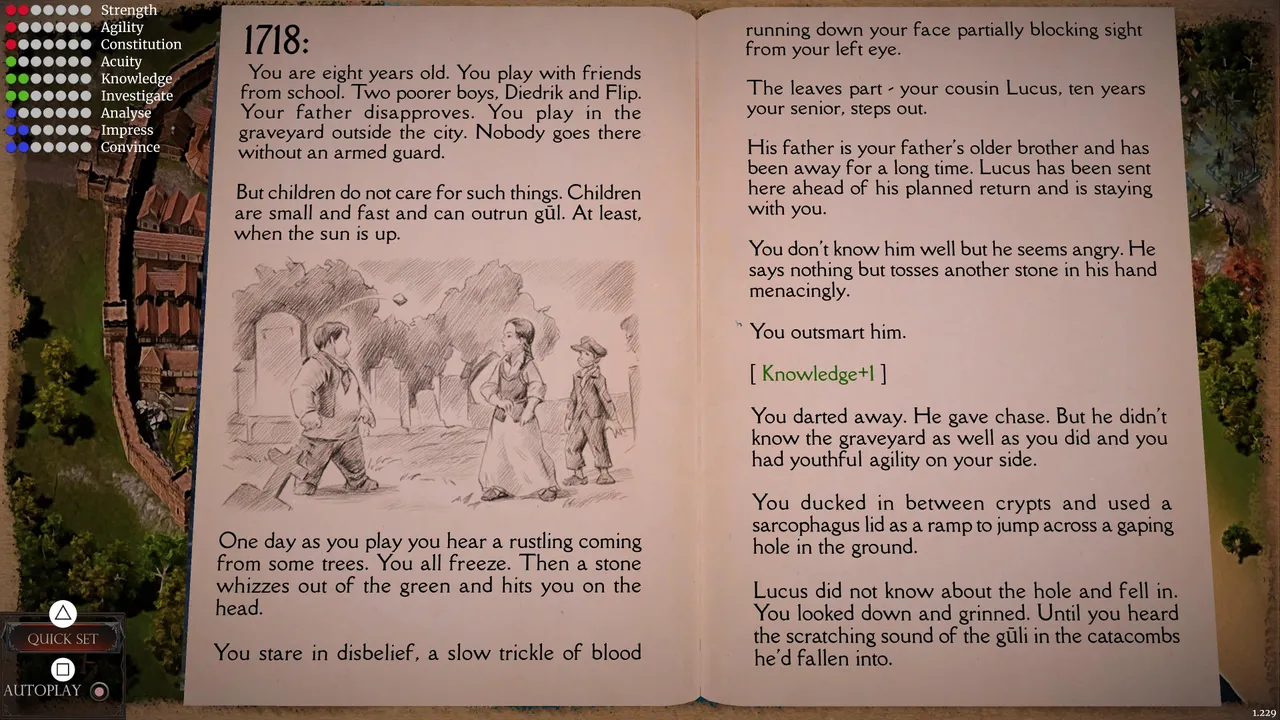
This is not a game that rushes you. The opening hours are deliberately very slow, almost punishingly so by modern standards, with an interactive prologue that constructs your character's backstory through choices starting from early childhood all the way to your adulthood, shaping your stats, skills, and starting reputation in the process.
It's worth noting that this process of character backstory creation is completely optional, but skipping it would be a mistake. This small sacrifice in time and tedium pays off handsomely later in the game, and for those willing to sit with it, these early hours build a foundation of character and context that few CRPGs bother to establish with this much care.
The writing itself is the game's strongest suit, and the developers never try to hide this fact. With 400,000 words of hand-crafted narrative and lore, The Necromancer's Tale is as much a novel as it is a game, and the quality of that prose is something you'll see very rarely in any video game out there.
The gradual corruption of your character is something the game gives both time and attention to. There are no cartoonish villain monologues here, no high-voiced declarations of evil intent either. Every dark choice comes from a chain of smaller decisions that each seemed reasonable while considered on its own, and the slow realisation that you have drifted far beyond the person you started as is a feat that will blow your mind away.
Gameplay
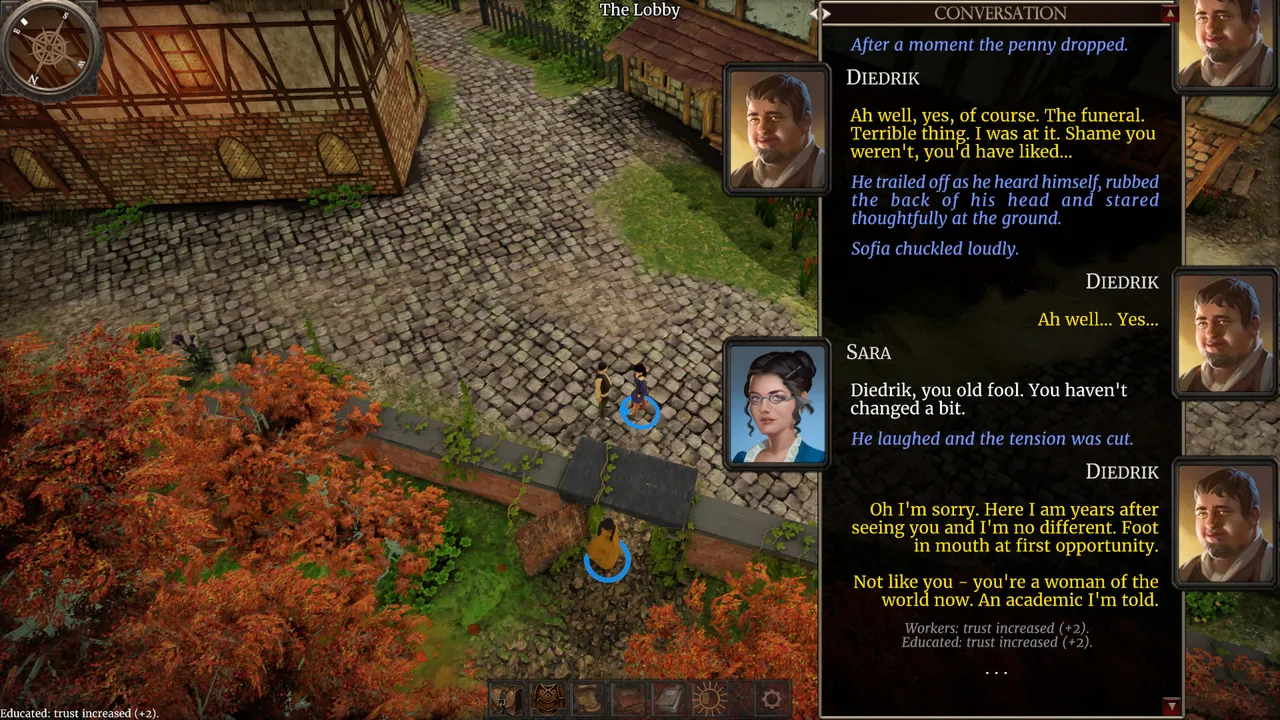
Once the game takes its full swing, it reveals a world of remarkable depth and density. Marns is populated by more than 180 unique characters, each with hand-drawn portrait art, distinct personalities, and their own motivations and relationships within the city. Conversations between you and every NPC out there are truly meaningful. People remember what you said, hold grudges, share information with their neighbours, and respond to your growing reputation in ways that feel truly alive.
The trust system set behind these relationships is the mechanical core of the game, and it is both its greatest strength and its most frustrating element. Your standing with different factions and individuals affects every option available to you, and a single miscalculated conversation can close off story paths entirely, including some you did not even know existed.
Depending on who you are and how patient and detail-orientated you can be, this feature might seem like something ingenious or deeply frustrating for you. The game does not always tell you where those larger-than-life choices are, and even though those choices reminded me of the ones seen in Disco Elysium, they are, unfortunately, not even close to this game's genius approach.
To put it mildly, for the players who like to explore as much of the story and see it from all the different angles, those hidden tripwires that can turn the entire story upside down will be much more frustrating, and for those who love a challenge and like to go with the flow, this is more than a fair system.
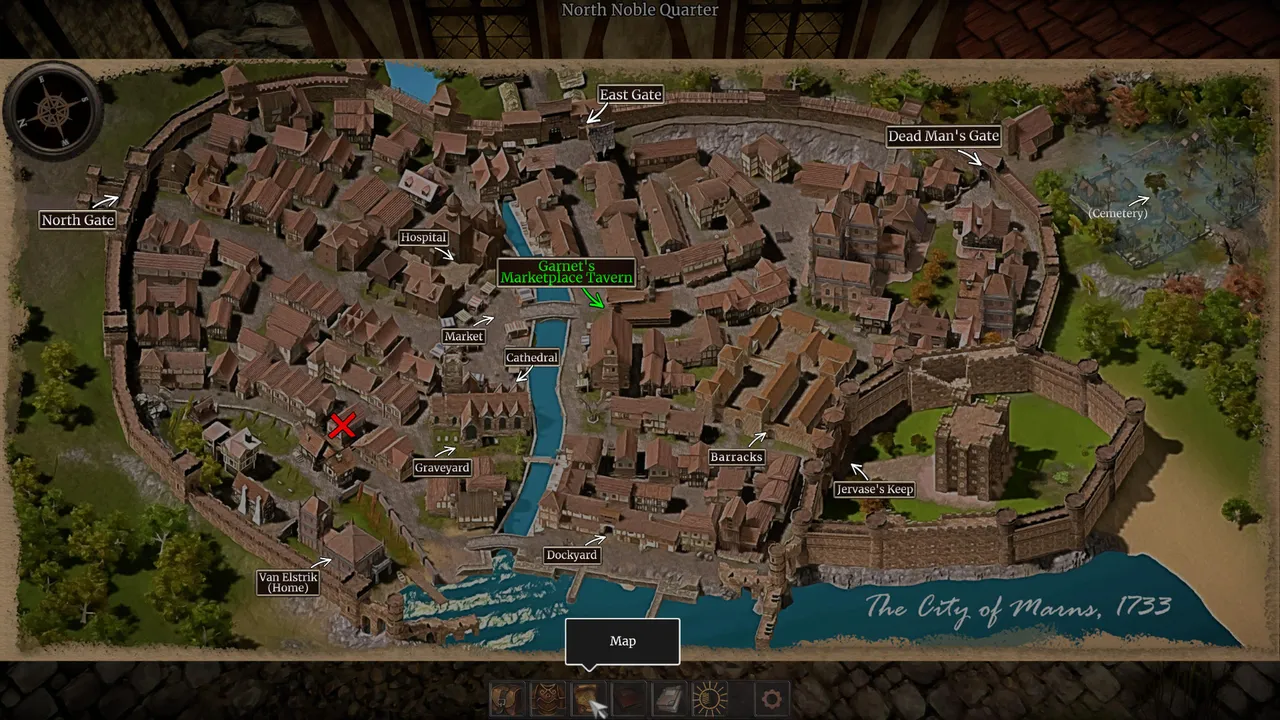
The Necromancer's Tale is played from an isometric perspective, placing you above the game's world in a way that feels appropriate for a game about observation, manipulation, and control. You navigate the city's streets, buildings, and surrounding areas on foot, interacting with the environment and its inhabitants through a point-and-click-style interface that will feel immediately familiar to veterans of the CRPG genre.
The isometric viewpoint can occasionally work against you in tighter indoor spaces, where the camera can get stuck on walls and furniture and make navigation very clunky and clumsy, but outdoors, on the city streets, the isometric view feels really at home.
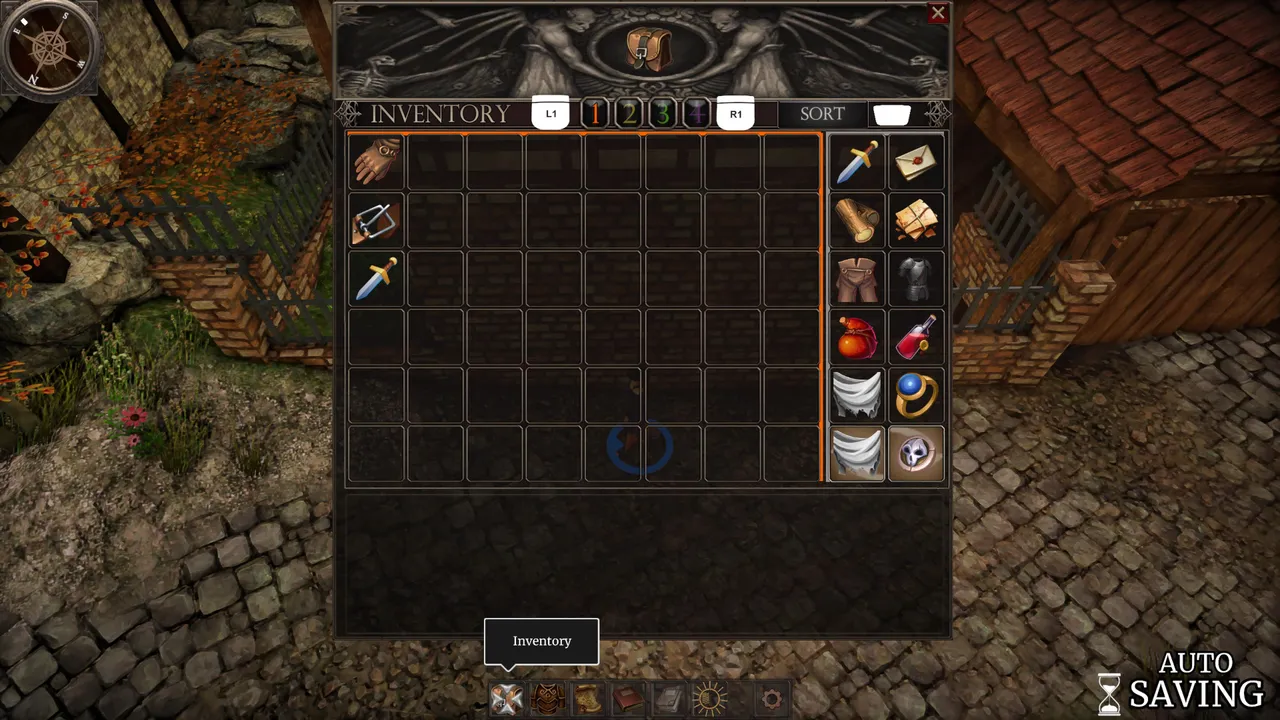
Regarding other gameplay mechanics, The Necromancer's Tale isn't the richest game out there, to put it bluntly. Gathering the ingredients necessary for necromantic spells is the pinnacle of gameplay here: you carry items manually, equip keys from your inventory before unlocking doors, and manage resources all by yourself, without any automated processes.
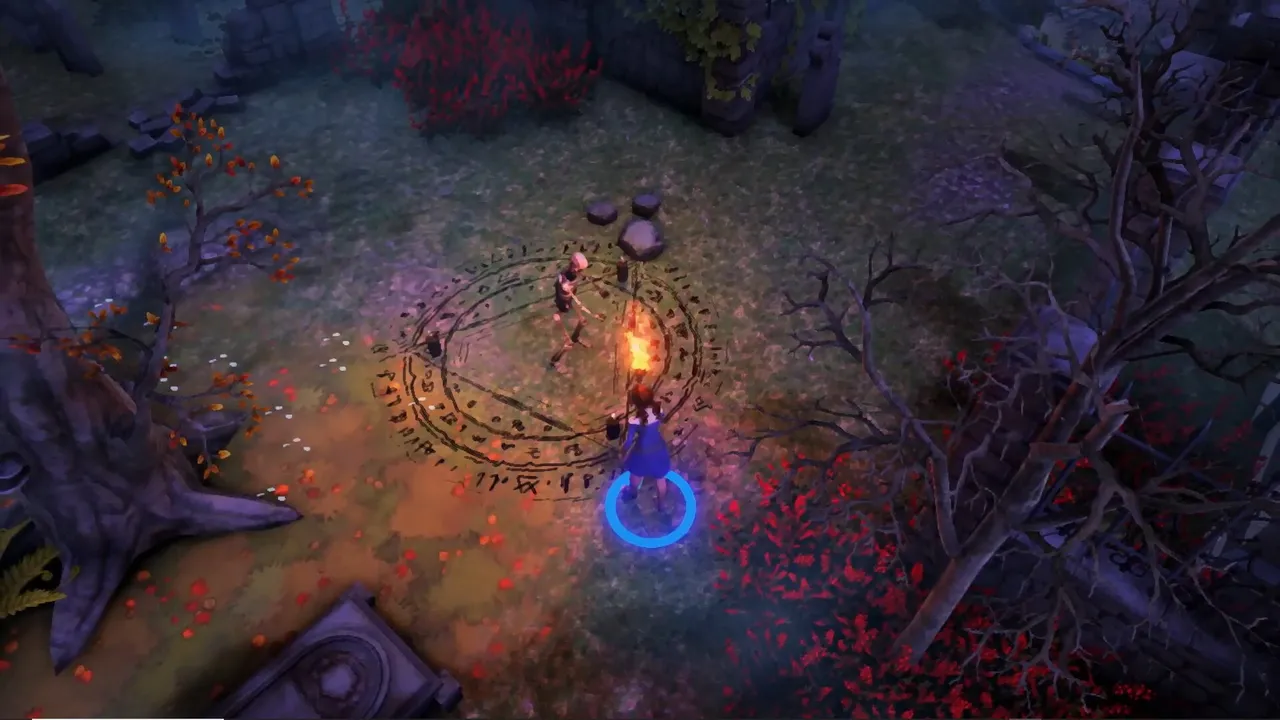
Raising the undead is another job that requires your full attention in The Necromancer's Tale, and why shouldn't it be? This is exactly what this game is all about, right? This whole process takes time, study, and careful management of your growing suspicion levels among the townsfolk. Performing acts that cross moral or legal lines, digging up graves, moving corpses, and practising forbidden rituals all risk drawing unwanted attention.
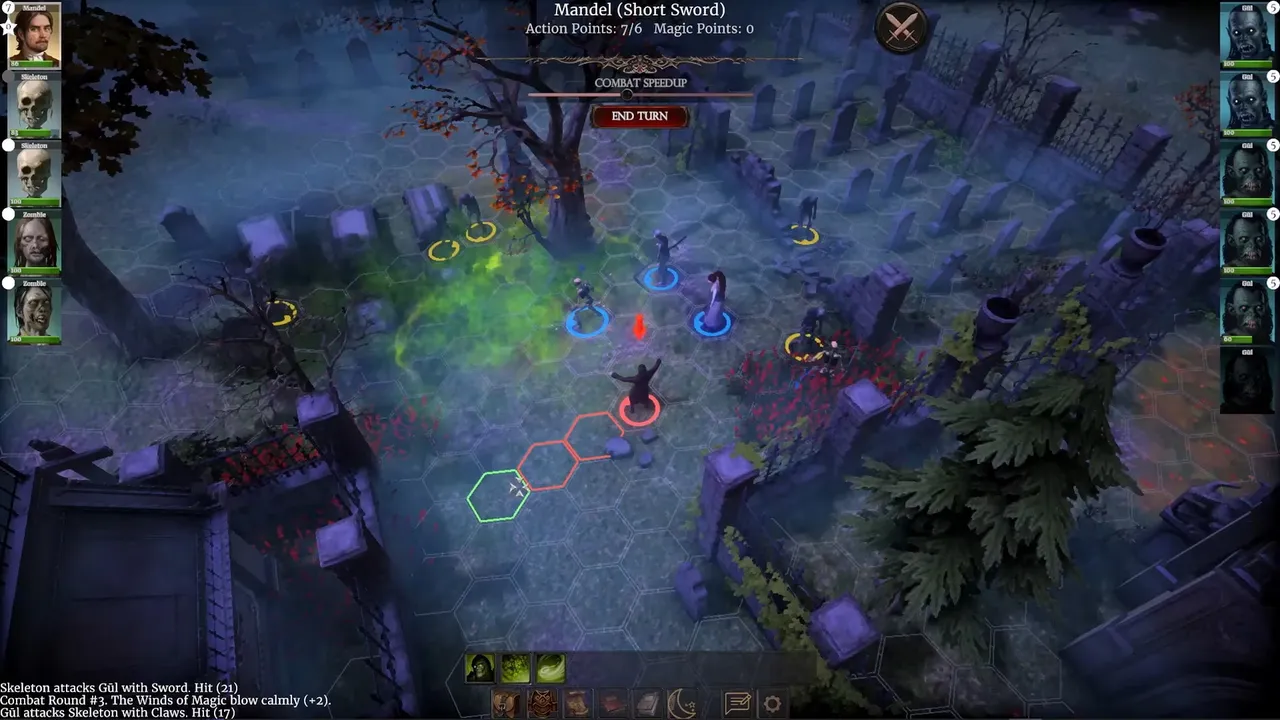
Combat is where The Necromancer's Tale most visibly shows its limitations. Turn-based battles exist, and they improve considerably once you gain access to necromantic powers and begin fielding undead minions, but they remain the weakest element of the experience by far. The tactical depth is limited, the interface for managing inventory and equipping items can be clunky, and camera controls in indoor environments are stiff enough to become a stumbling stone.
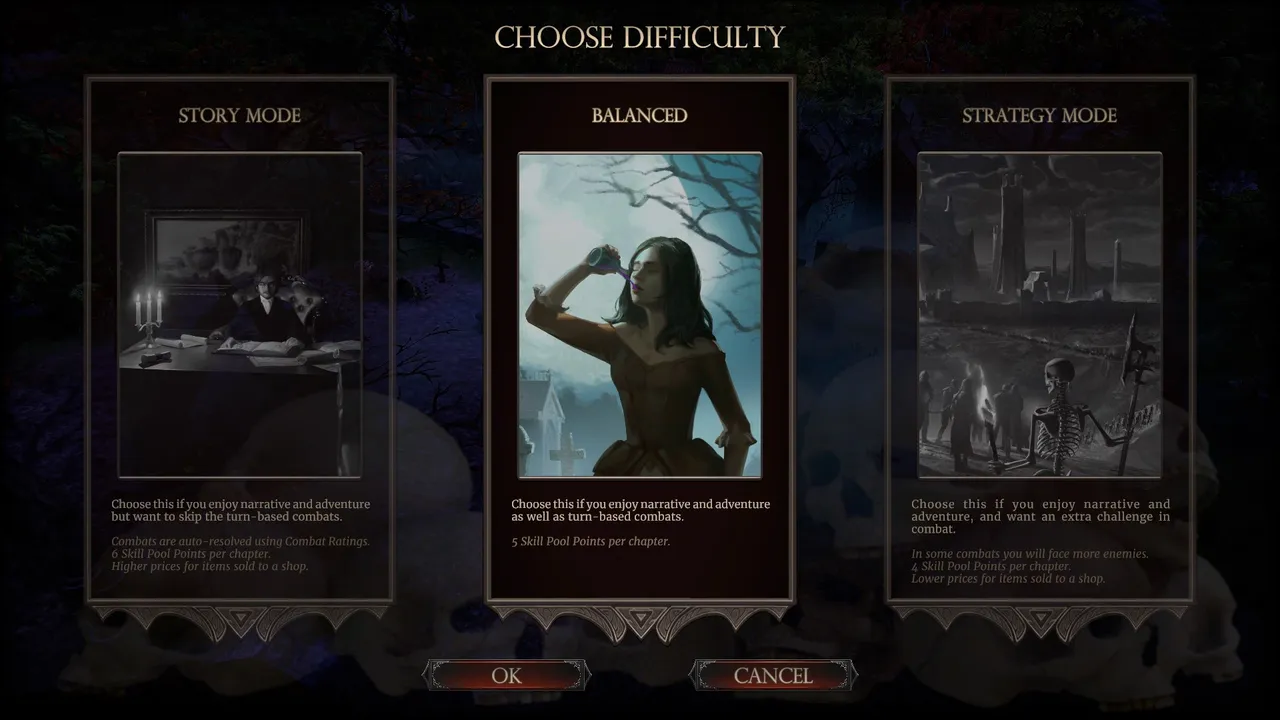
For players who see The Necromancer's Tale as a story-driven experience, which at the end of the day it truly is, the game wisely includes a story difficulty mode that minimises combat demands entirely. I personally started the game on the higher difficulty, and after experiencing several frustrations tied to a clunky combat system, I simply opted for the story difficulty, and I must say, this is how the game should be played to fully enjoy its amazing story.
Visuals, Performance, and Sounds
The visual presentation, much like its gameplay counterpart, is split between the impressive and the inconsistent. The hand-drawn character portraits are genuinely beautiful, showcasing an oil-painting quality that suits the gothic atmosphere perfectly. The 3D environments, however, do not always match that standard; muddy textures and the obvious differences (mostly in presentation quality) between the colour palette and the intended dark tone can easily kill the immersion that the writing works so hard to create.
Also, one thing that I simply must mention is a considerable number of typo mistakes in text-heavy sections of the game. As I mentioned earlier, this game is deliberately slow, and it requires a lot of reading; however, I came across many grammar errors along with a lot of typos, which are simply unacceptable. I hope those will be addressed by future patches, and truth be told they must be if the developers want to be considered serious.
Performance on PlayStation 5 is, predictably, a non-issue. The Necromancer's Tale is not a technically demanding game by any modern standard, and the PS5 handles it with complete ease, maintaining a smooth and stable frame rate throughout without a hint of slowdown regardless of what is happening on screen. The game runs at 60 FPS on default settings without a single issue.
The soundtrack largely serves the atmosphere well, with strong combat themes and some memorable compositions, though the city's ambient music grows repetitive over a long playthrough as the variations between chapters prove insufficient for the hours spent listening to them.
Conclusion
The Necromancer's Tale is a flawed, fascinating, and deeply rewarding experience for the right player. If you came for fast combat, loot systems, or accessible action, it will disappoint you completely. If you came for a richly written, morally complicated gothic narrative that treats your descent into darkness from a human point of view and not something seen in dark fantasy games, it delivers something special definitely worthy of your time.
Taken into consideration the time you can invest in this narrative masterpiece (25-50 hours, depending on your playstyle), this game asks a lot from you. But in its best moments, The Necromancer's Tale achieves something most RPGs never attempt: it makes you understand exactly how someone becomes a monster, one reasonable decision at a time.
The Good
 Exceptional writing and world-building on par with the genre's best
- The original villain story told with real intelligence
- Over 180 fully realised characters in a living, reactive city
- Beautiful hand-drawn character art
- Meaningful consequences that make every choice matter
The Bad
 Punishingly slow opening that will deter many players
- Combat is serviceable at best and clunky at worst
- A trust system can feel unforgiving and poorly signposted
- 3D environments do not match the quality of the portrait art
- Typography and grammar errors needs to be addressed as soon as possible