Trending

What you need to know
- What is it? An open world/open-space RPG shooter.
- Reviewed on: Xbox Series S
- Developer and Publisher: Bethesda Game Studios
- Release date: September 5, 2023
- Available on: PC and Xbox Series X|S
Bethesda has a renowned reputation for delivering massive titles. Whether it's the Elder Scrolls series or the Fallout titles, each game is noteworthy and has made a significant impact on the gaming community.
Nevertheless, when Bethesda revealed a few years ago that they were venturing into the creation of a completely new IP set in the expansive realm of space, anticipation soared. Many eagerly awaited the innovative offerings from these skilled developers, although a contingent of sceptics also feared the recurrence of the bugs for which Bethesda's games have unfortunately become infamous.
Since we missed the opportunity to provide a review earlier during the official release in early September, this belated review will offer insights into the substantially updated game. If any technical issues were present at the initial launch, they have likely been addressed by now.
After dedicating over 150 hours to this captivating interplanetary journey and unlocking all achievements (notably, one involves visiting every planetary system, and there are indeed numerous systems in Starfield), I've decided to thoroughly analyse the game and share my perspective in a comprehensive manner.
Stories written in stars
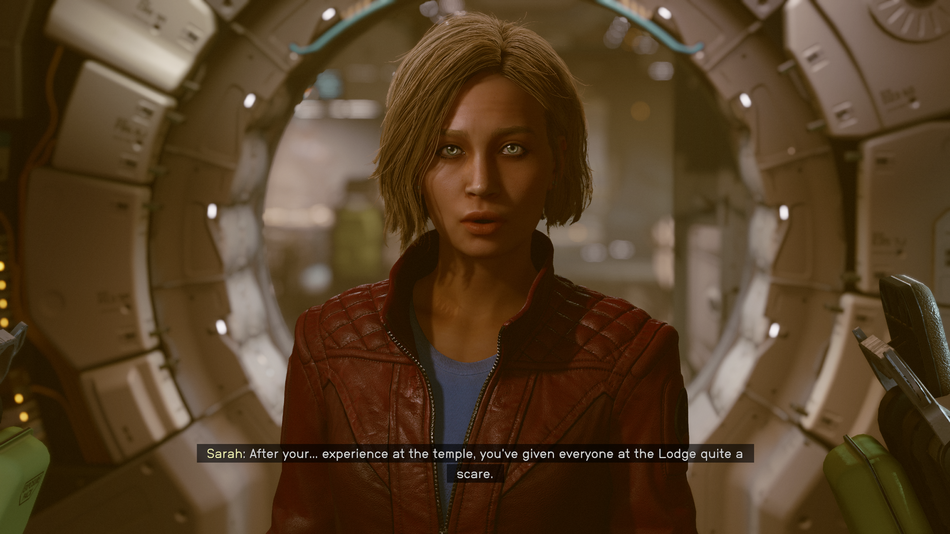
Similar to every other game developed by Bethesda, Starfield revolves around a myriad of narrative threads that allow the player to actively engage and participate.
The primary narrative centres on the player's created character, shaped in RPG fashion at the game's beginning. By pure chance, while working in the mines, the character stumbles upon an unusual artefact, which causes an unusual reaction that promptly captures the interest of influential figures. Depending on the player's choice of character, they are then recruited into an organisation known as Constellation. This group is dedicated to locating and uncovering these artefacts and understanding their impact on individuals.
The complete main story revolves around the pursuit of these artefacts, unravelling their significance, and exploring the consequences once they are all located. The narrative proves highly engaging, maintaining your interest as you gradually uncover its intricacies until the very end.
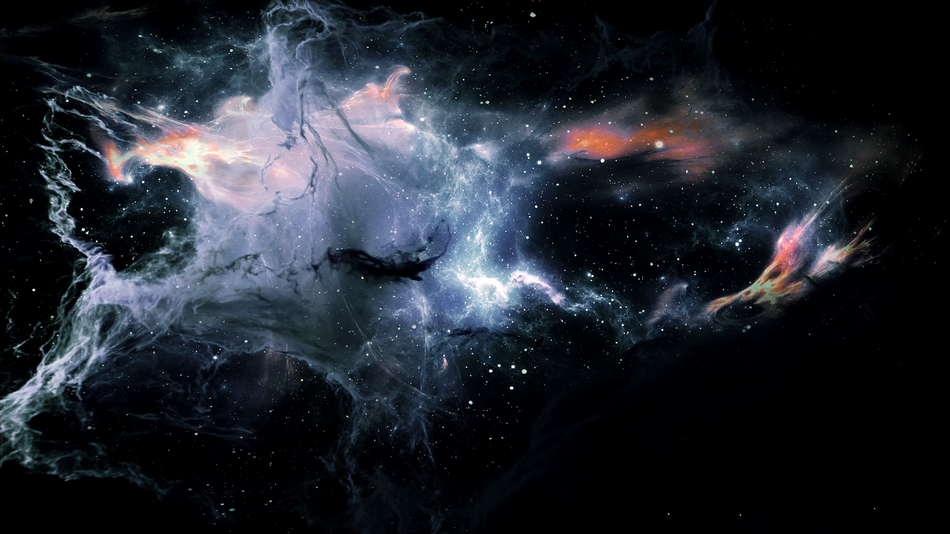
Nevertheless, while the main story is solid and captivating, what truly sets Starfield's narrative apart is the abundance of small stories and quests that continually present themselves throughout the game.
Every questline is a self-contained narrative, boasting a quality that surpasses the main stories of certain games. Starfield offers dozens of such questlines, ranging from faction affiliations to smaller ones that might captivate your attention unexpectedly, easily diverting your focus.
These stories and questlines can best be described as rabbit holes—once you tumble into them, you might easily lose track of everything else the game has to offer.
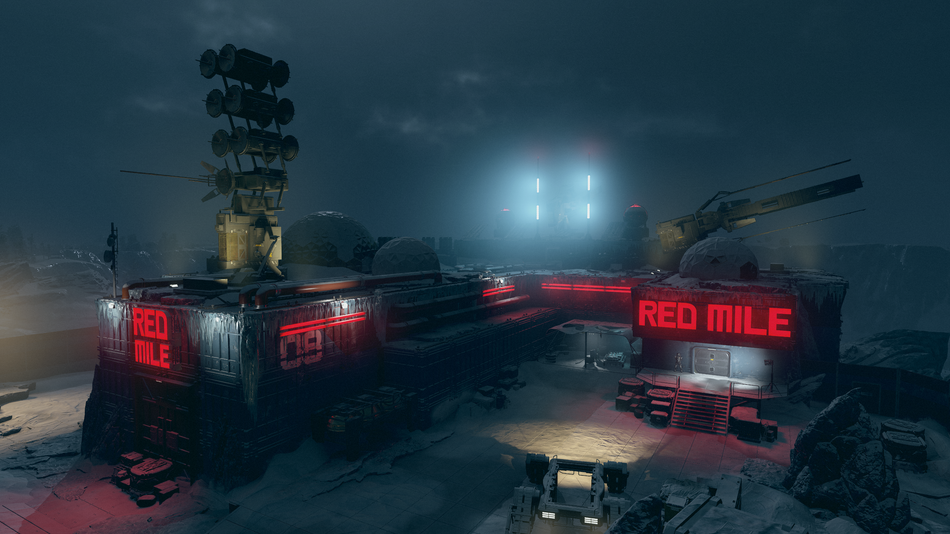
In Starfield, sticking to the Bethesda tradition, storytelling retains its characteristic focus on dialogues and choices. These elements have the potential to drastically alter the trajectory of a quest, allowing for quick completion if you prefer a straightforward approach or a deeper exploration through additional dialogues.
Beyond the traditional narrative methods, you can deepen the story by exploring various documents and journals scattered throughout the expansive game world.
Certainly not to be overlooked is a crucial aspect of the story that you'll undoubtedly be eager to uncover—what transpired on Earth and the reasons and means behind humanity's venture into space, colonising far-off galaxies. In summary, Starfield's overarching narrative is intricately crafted, rivalling the grand space tales witnessed in major Hollywood blockbusters.
Gameplay
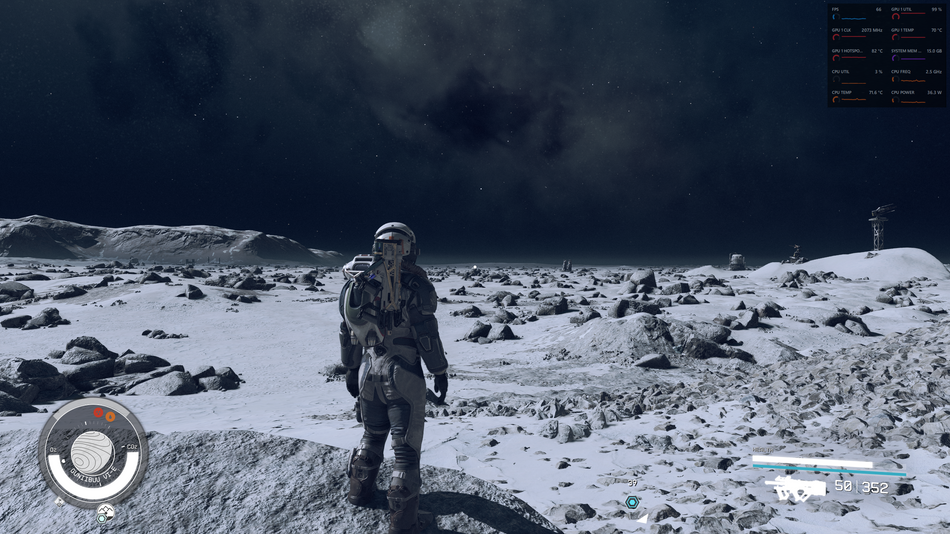
The challenge of categorising the genre of Starfield, given its diverse range of gameplay elements, is a testament to its exceptional quality. Primarily an RPG, the game seamlessly integrates first-person shooter (FPS) and third-person shooter (TPS) mechanics when you take direct control of the character.
Yet, there's an additional facet where you command a spaceship, engage in space battles, explore planets, collect resources, and manage a variety of elements such as animals, plants, and minerals. The gameplay extends to building outposts, constructing, upgrading, and acquiring ships, and much, much more.
Regarding direct character control, players have the option to choose between first-person, close-up third-person, and distant third-person perspectives. Whichever perspective you select, each one is effectively optimised for maximum experience.
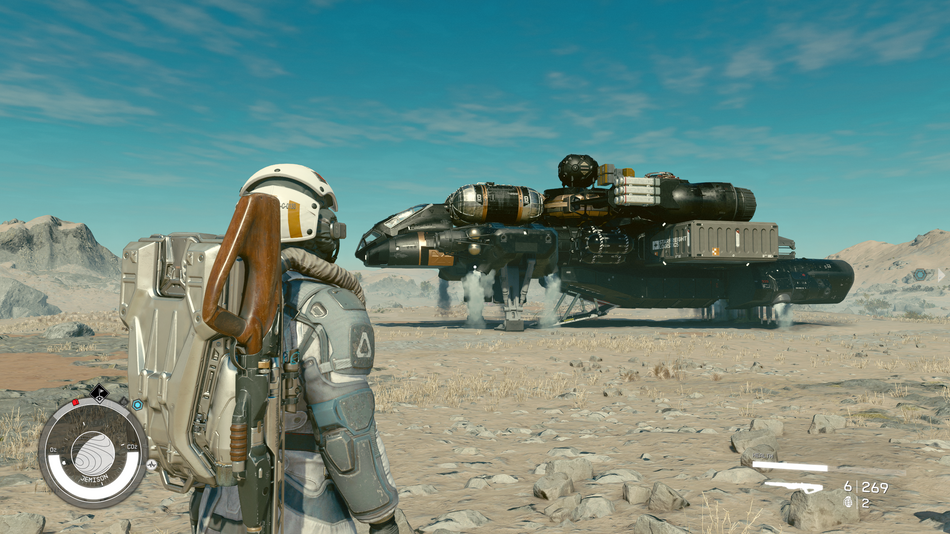
In this aspect of the gameplay, you'll have access to a wide array of weapons, ranging from conventional ones like rifles, pistols, shotguns, and machine guns to futuristic laser and plasma weapons. Starfield encompasses a comprehensive arsenal, and each weapon is meticulously balanced.
The shooting mechanics deliver an excellent feel, and even top-tier shooters that heavily rely on these mechanics would find Starfield's execution commendable.
Alongside a variety of weapons, there are numerous space suits, helmets, outfits, and other equipment to enhance your character's statistics. The items, including weapons and equipment, are categorised into tiers, ranging from ordinary to rare, epic, and legendary, following the conventions of RPG titles. All weapons and equipment can be upgraded at designated locations using special skills, which will be discussed in more detail later on.
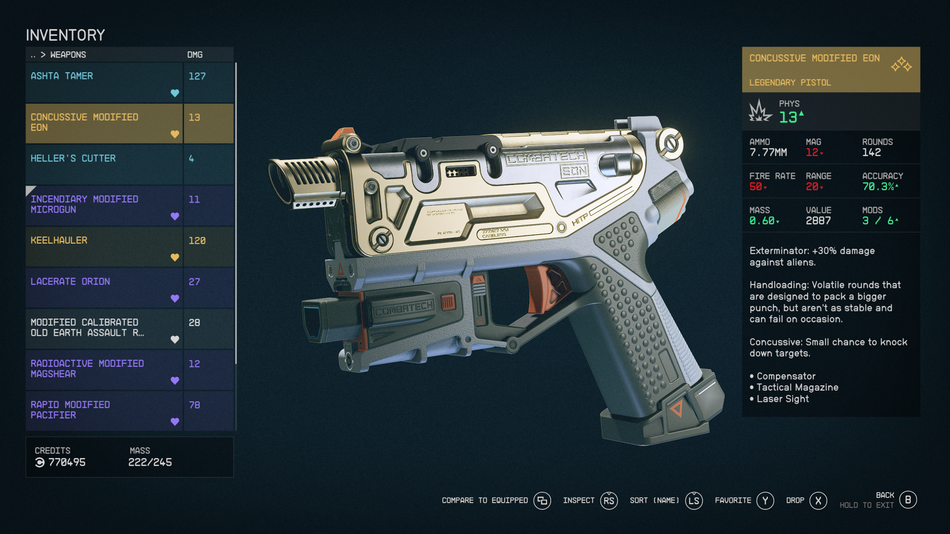
In Starfield, the economy operates on the principle that nothing is considered worthless and every item holds its value. Throughout the game, you can find, buy, and sell a wide array of items. However, there's a limitation on the number of items you can carry - the notorious encumbrance mechanic - and exceeding this limit results in a rapid depletion of oxygen and, subsequently, your health. Therefore, you'll need to promptly dispose of non-essential items or focus on acquiring valuable ones.
Additionally, to augment your in-game wealth, you have the option to sell more valuable items, including spaceships. While navigating the galaxies, you'll often encounter randomly parked ships, and you can eliminate their owners to claim the ship for yourself. Subsequently, if desired, you can sell it at a considerable profit.
Alongside legal items, there are also illegal items, commonly referred to as contraband, that possess a higher value. However, engaging with these items comes with the risk of imprisonment if you get caught.
Speaking of which, it's noteworthy that Starfield grants you the flexibility to embody either a virtuous or a rogue character, depending on your preference. However, a notable downside is that the game is inherently geared towards encouraging good behaviour.
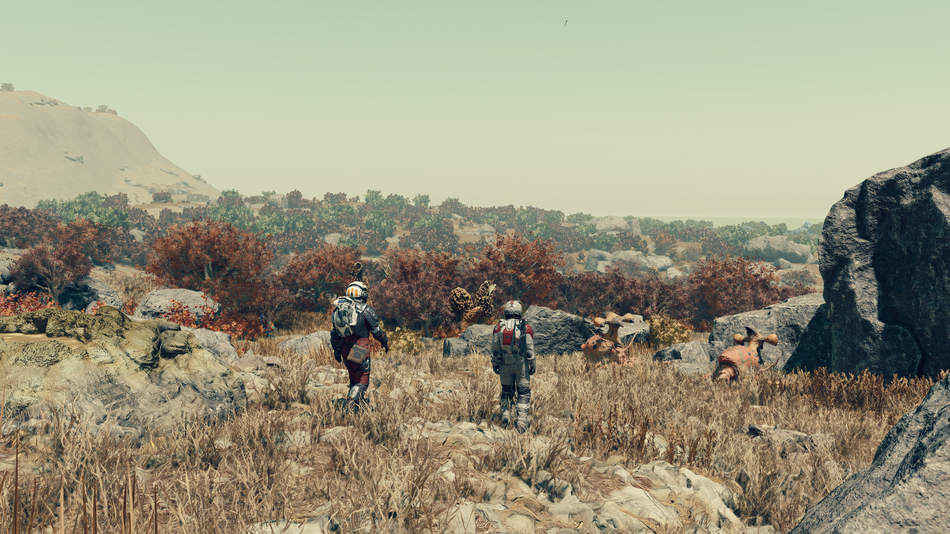
Engaging in criminal activities quickly turns the tide against you—not just in terms of the law but also with your colleagues, companions, and virtually everyone. Interestingly, even if you commit a crime without any witnesses on a remote planet, upon returning to your ship or the building serving as the Constellation headquarters, all your colleagues will still hold you accountable, despite lacking any plausible means of knowing about your transgressions.
Speaking of colleagues and companions, you'll consistently have the option to bring one companion along with you, and the others can be assigned to various roles on the ship or in the outposts you construct across the galaxy. You can form a bond with each colleague, and your actions can elevate that connection to the highest level, ultimately leading to the possibility of marriage.
Regarding upgrades in Starfield, they are categorised within specific terminals scattered throughout the game, found in notable settlements, and randomly placed in various enemy bases. These terminals serve as research stations where you can initially explore specific upgrade recipes. Once you obtain the recipes or achieve the required skill level, you can proceed to upgrade various items, such as weapons at weapon stations and space suits at suit stations.
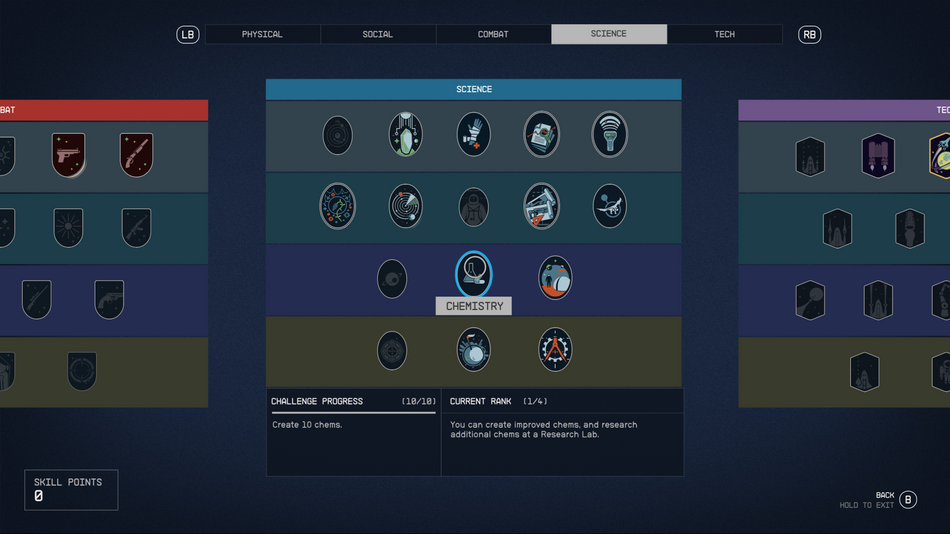
Speaking of levels and skills in Starfield, the game incorporates a skill system typical of RPGs. The levelling system is subdivided into five categories: physical, social, combat, science, and tech. Each category encompasses approximately twenty skills, and each skill can be upgraded to four ranks. Despite its apparent complexity, this skill system is quite user-friendly and becomes a significant game-changer as you unlock crucial skills.
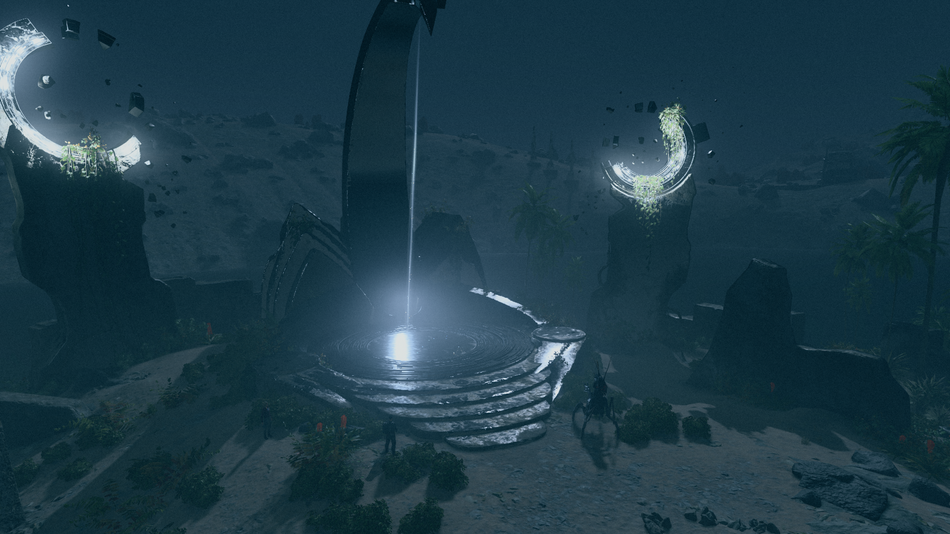
Apart from the regular skills, Starfield introduces special abilities known as superpowers, which become available as you progress through the game. At a certain juncture, you gain the ability to utilise one superpower, and these powers are unlocked in specific temples that are integral to the main storyline.
Starfield incorporates a status effect system, where certain conditions can afflict your character. For instance, staying on a planet with extremely low temperatures while your suit lacks the necessary adaptations may lead to frostbite. This condition manifests as coughing and lung damage. Prompt action is required to prevent the effect from spreading. To address such situations, it's crucial to carry the appropriate drugs in your inventory for treating these effects.
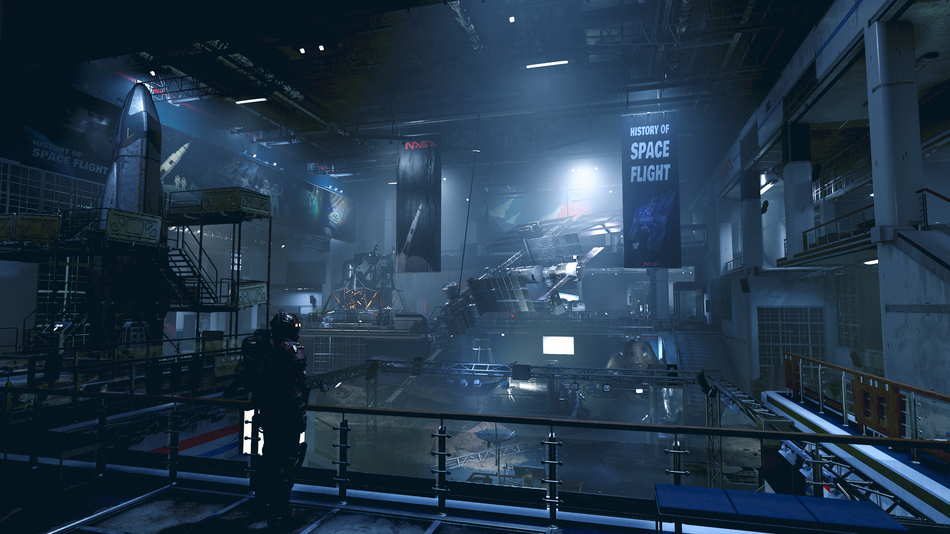
Exploration and research take centre stage in Starfield, and there's certainly a wealth of content to discover. With over a hundred different star systems to visit, each containing five to ten planets and moons, the game offers a vast and diverse universe to explore. While the majority of these planets may be inhospitable, serving primarily as resource hubs, nearly all of them feature outposts or camps. These locations can be looted if hostile, without risking stolen item flags, or if friendly. NPCs often provide intriguing and lucrative quests.
However, the issue with the abundance of planets and star systems is the frequent occurrence of completely copied bases, lacking any variation in design. Consequently, you may come across the same base with an entirely identical layout on approximately fifty planets, resulting in a repetitive and monotonous experience over time.
Discussing the drawbacks of Starfield, one of the most significant issues, and undoubtedly a factor that significantly diminishes the overall score, is the growing monotony of gameplay as you delve further into the game. Initially, when you are still discovering new mechanics, everything appears highly engaging.
However, as time progresses, the game prompts you to establish a base on a distant planet. To undertake this task, you require twenty pieces of copper, but copper is located on another planet. To extract it, you must establish an outpost there. However, now you need aluminium, which is on another planet, and so the cycle continues endlessly. It's worth noting that what was captivating at the game's outset transforms into a ceaseless cycle of tedium, with the same processes being perpetually repeated.
Another crucial aspect of Starfield revolves around spaceships. Upon initially joining the Constellation, you receive the introductory Frontier ship as a gift. Subsequently, you have the option to either purchase or steal other ships according to your preference. Additionally, certain ships are earned as rewards for successfully completing questlines.
You have the ability to enhance ships at specific locations throughout the galaxy. Upgrades encompass the acquisition of new weapons, ship armour, expanded cargo holds, and other essential components. Notably, you can even craft your own ship, a significant aspect of the gameplay that proved to be both addictive and highly rewarding, as I personally invested a substantial amount of time in this creative process.
Undoubtedly, there's currently no game on the market that offers such a diverse range of gameplay and opportunities to captivate your attention within this expansive universe. Nevertheless, whether it's due to the sheer magnitude of the game or other factors, it becomes remarkably fatiguing over time. I frequently found myself with ample chances to discontinue playing, not owing to other commitments or external factors, but purely due to a sense of boredom. This, undoubtedly, stands out as a significant drawback from my perspective.
The Beauty of the Vast Space (graphical and sound presentation)
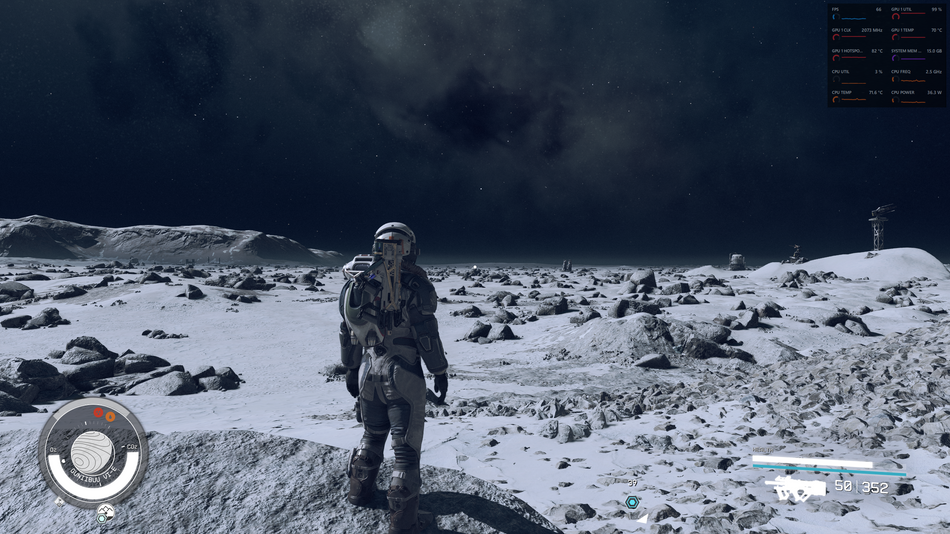
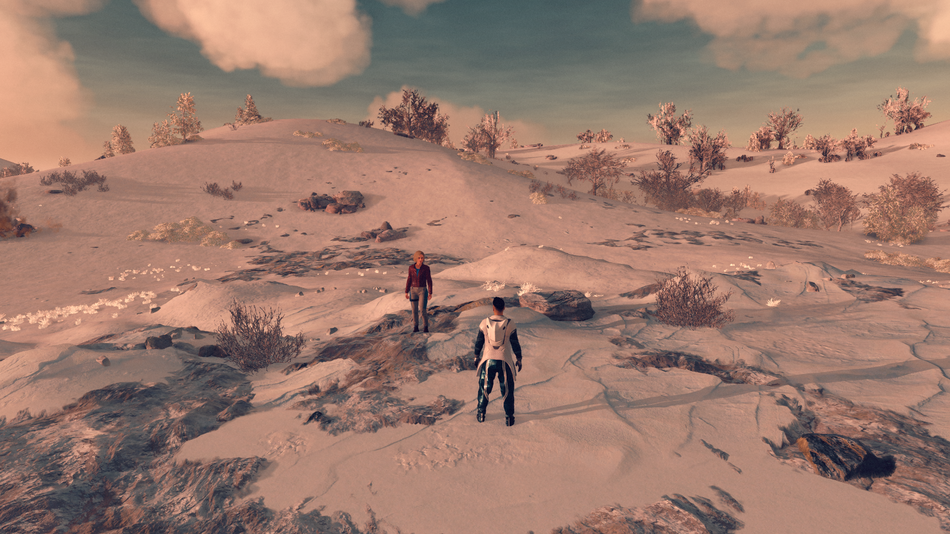
Starfield, from a visual standpoint, may not be the kind of game that leaves you in awe of its graphics, but it undeniably possesses a certain beauty. The allure of Starfield doesn't necessarily lie in groundbreaking graphical effects, though they are present and well-executed. Instead, it thrives in the diversity of the worlds you encounter. Some planets will give you a "wow" effect with their lush flora, vibrant fauna, and breathtaking vistas, while others present a stark and desolate landscape, devoid of any life. This versatility unquestionably stands as Starfield's most potent asset in terms of presentation.
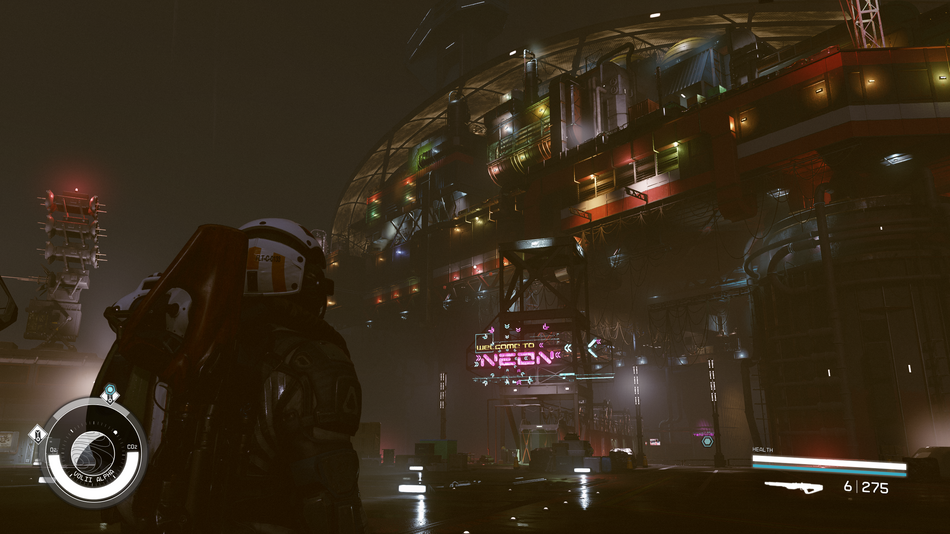
Yet, Starfield truly distinguishes itself in the realm of graphical presentation when it comes to cities and indoor spaces. Whether it's a vibrant cyberpunk-style metropolis or a sleek modern futuristic settlement, the colours and graphic splendour in these areas of the game truly take centre stage.
The new global illumination system that Bethesda implemented in Starfield gives the environment a massive boost. Light and colour bounce from objects to other objects nearby, giving the scenes a more realistic and life-like look, especially in ships.
However, if you believe that everything is flawless in terms of graphics in Starfield, you're mistaken. Playing the game on Xbox Series S, I must admit that I found the presentation and performance lacking. Granted, the Series S is a less powerful console than the Series X, but reports suggest that similar issues persist on the other version of the Xbox Series console.
Aside from the lack of support for 60 FPS, which, in my view, is unacceptable for modern consoles, the performance is good at the moment you start your playing session. However, over time, the textures cease to load or load very slowly, transforming what was initially an appealing game into one that is graphically unacceptable and unwatchable. This decline in performance frequently leads to game crashes, and if it occurs without prior saving, a substantial portion of progress may be lost.
Naturally, Bethesda bugs are inevitable, but fortunately, they are quite scarce in Starfield. Occasionally, you may encounter instances where objects spin in circles, characters fall through the floor, or invisible barriers impede your progress. However, these occurrences are not as frequent as in Fallout, which is a relief.
The sound presentation in Starfield falls somewhere between unimpressive and subpar. The soundtrack aligns well with space adventures, dynamically changing based on your activities. For instance, during planet exploration and resource scanning, you'll hear light, relaxing music that complements the atmosphere. The overall sound quality is decent, and Bethesda has enlisted the talents of well-known figures in the gaming world for voice acting. If you have a keen ear, you might recognise several voices from other notable video games.
Conclusion
I would dare to say that Starfield has unquestionably lived up to the lofty expectations and ambitious goals it set for itself. Since its announcement, it has positioned itself as one of the standout titles of the year, and when it comes to diversity and longevity, it appears to have delivered precisely what was promised.
However, the somewhat monotonous and prolonged gameplay, coupled with a hint of repetitiveness and occasional boredom as the game nears its conclusion, leads me to believe that Starfield, in my modest view, may not be among the top contenders for the coveted title of Game of the Year. Despite its inclusion in various nominations on several sites, I remain sceptical about its potential for significant success.
In essence, if you're a fan of space adventures, compelling narratives, and in-depth exploration, Starfield is likely to provide you with all of that. However, it's advisable to approach the game with a degree of patience because, at least in my experience, especially as you reach the conclusion, it tends to provoke mixed reactions.
The Good
 Engaging stories
- Diverse gameplay
- Comprehensive upgrade system
- Vast Space exploration
- Spaceships building and customization
- Very good graphics, especially in indoor environments
The Bad
 Repetitive gameplay
- Performance Issues