Trending
If you're one of those gamers, like myself, who have a more extensive history in the gaming business, diving into Sea of Stars is an instant nostalgia trip. The pixelated graphics, the character animations, and the iconic music reminiscent of the early video game era all work together to create an atmosphere that immediately transports you back to the good old days of gaming. Despite its occasional flaws, this strong sense of gaming nostalgia makes it easy to overlook its shortcomings without second thought.
It's likely that the developers were well aware that embracing this approach would equate to a cautious strategy. Yet, upon closer examination of Sea of Stars, a distinctly refined game emerges—one that does possess its imperfections. However, when weighed against its myriad strengths, these shortcomings ultimately struggle to take centre stage.
Story
The storyline in Sea of Stars becomes a compelling driving force that will keep you engaged from start to finish, fueled by an intense desire to uncover its conclusion.
Given that the game adheres to a traditional style without any voice acting, relying solely on conversation bubbles above characters, I wasn't anticipating such a high level of narrative quality. With my expectations initially modest, I was pleasantly surprised to discover a story that, without reservation, managed to evoke genuine emotions—even making me shed a tear or two in certain moments.
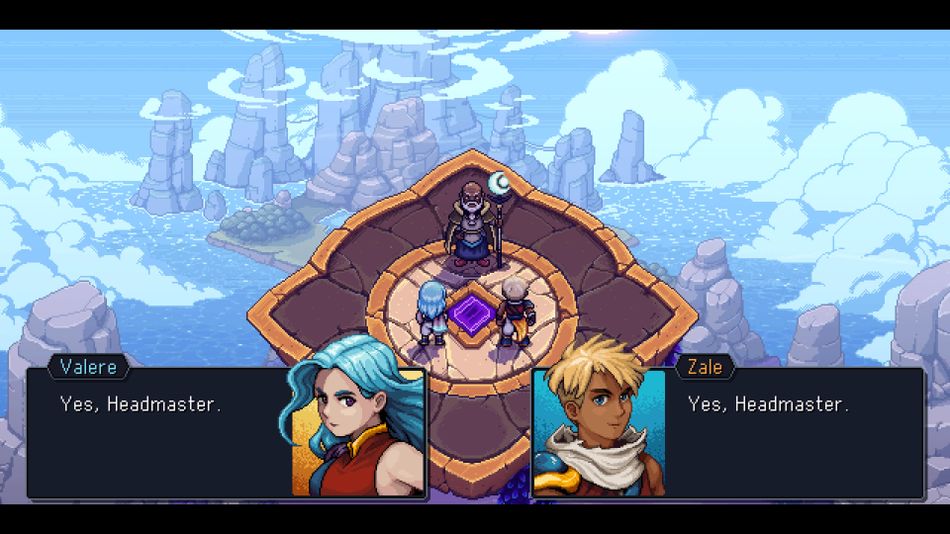
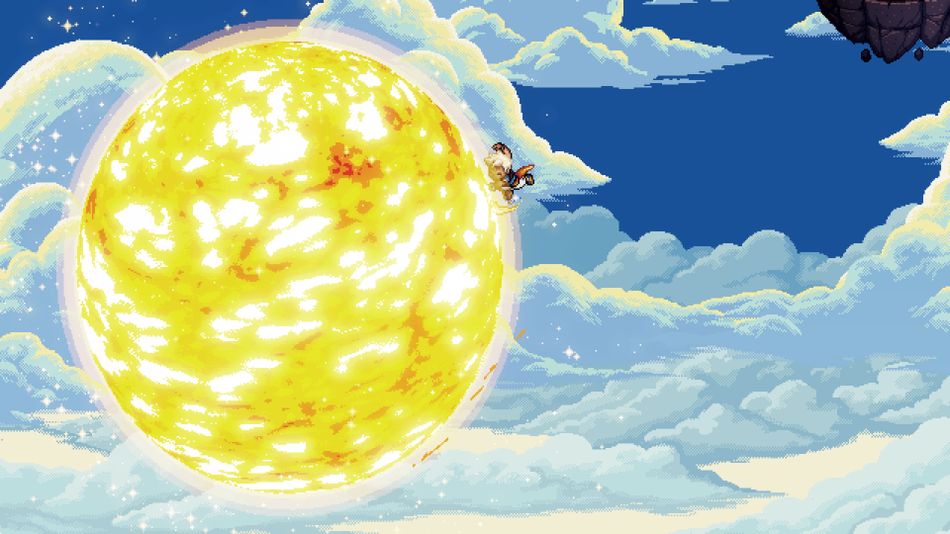
Here's how the narrative unfolds: The central plot revolves around Zale and Valere, known as the Solstice children. Born half a year apart, Zale harnesses solar abilities while Valera wields lunar powers. According to destiny's design, they are destined to become Solstice Warriors, entrusted with the task of combating malevolent forces to rescue the world. The very fabric of fate has chosen them to ascend to godlike status and ultimately vanquish this prevailing evil.
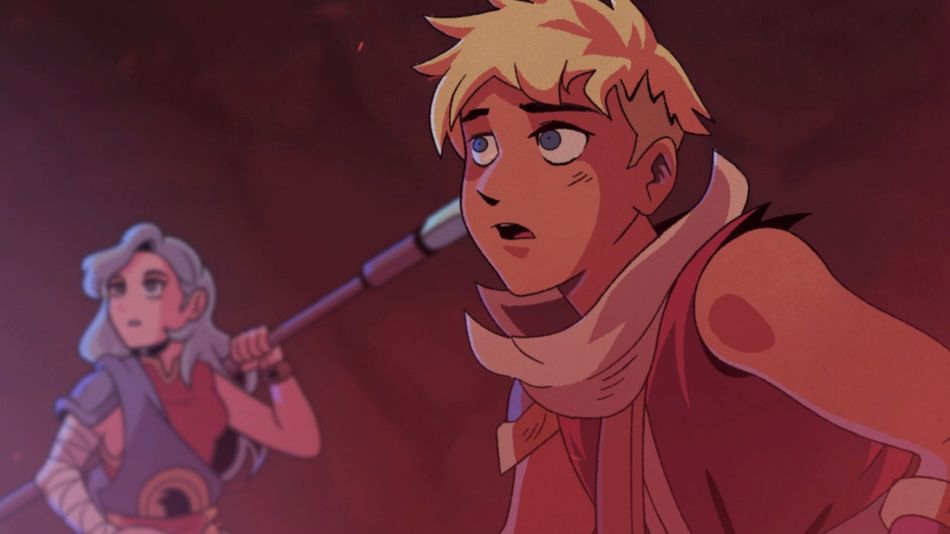
The narrative traces the journey of these two protagonists from their formative years, when their training commences, all the way to the climactic confrontation with malevolent forces. Throughout this narrative arc, their remarkable personal evolution and the maturation of their powers are vividly depicted. This narrative touches on friendship, loyalty, persistence, and sacrifice while also highlighting the extraordinary potential within ordinary individuals and the formidable influence of compassion.
Rest assured, this story's ability to evoke deep emotional resonance is profound. It achieves this impact through its visual storytelling and dialogue bubbles, often surpassing the emotional intensity of productions featuring top-tier Hollywood actors.
The story's background is vast and intricate, which might sometimes feel puzzling. Yet, the developers have ingeniously addressed this complexity with a remarkably straightforward and easy-to-grasp approach. One method of delving into the game's lore involves discovering chests scattered throughout the game. These chests hold unique relics that, when presented to the historian Teaks, enchantingly morph into stories she shares around the campfire. While these stories aren't obligatory, they remarkably enrich the history of the world around you in a captivating manner.
The only drawback I could point out, particularly concerning the story, is that it tends to linger towards the game's conclusion. This might lead to a sense of impatience as you anticipate its ending. The final segments of the story could have been trimmed a bit, considering that Sea of Stars is already quite a lengthy game.
I can't be entirely certain about the exact duration of my playthrough of Sea of Stars. The PlayStation 5's timer seems to have malfunctioned, as it indicates just five hours of playtime. However, I estimate that it actually took me around 20 hours, perhaps a bit more, to complete the entire game while primarily focusing on the main storyline. I set aside any further exploration after finishing the main narrative.
Combat System and Gameplay
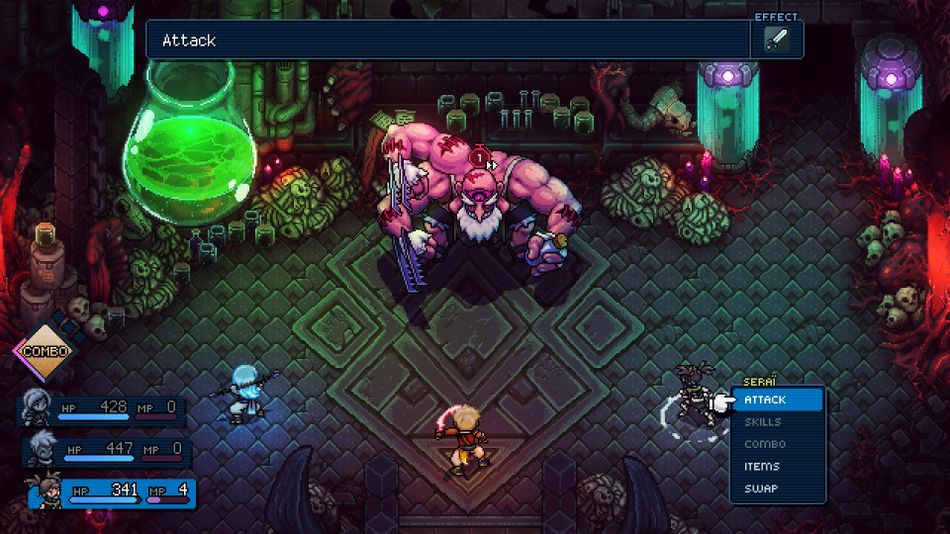
Sea of Stars is an adventure RPG with turn-based combat mechanics at its core. The combat system is engaging, of excellent quality, and offers a good level of complexity. Throughout the game, you'll have six playable characters at your disposal, allowing you to switch them in and out both during battles and outside of them. However, only three characters can be active on screen for combat at any given time. A noteworthy aspect is that if one of your characters' health significantly drops, you can substitute them with another character before they're knocked out, effectively extending the battle.
During battles, you employ standard attacks that can be enhanced by timing your attack button presses accurately. Similarly, when enemies strike, well-timed button presses can lessen the damage incurred. Alongside regular attacks, you possess special skills that deplete mana points. These points are obtained by executing regular attacks or consuming specific items both in and out of combat. Every character boasts distinct attacks linked to their individual skills. As you advance through the game, you unlock new skills.
Additionally, there are combo shots that amass power through successful regular and skill-based attacks. These combo shots are unique manoeuvres that unite the strikes of two or more characters. As the game progresses, each character gains an "ultimate skill," an individual ability that accumulates charges separately. This skill can only be employed by a single character once it is fully charged. Executing this move inflicts severe damage on enemies and can typically be used a maximum of two to three times in the most challenging encounters.
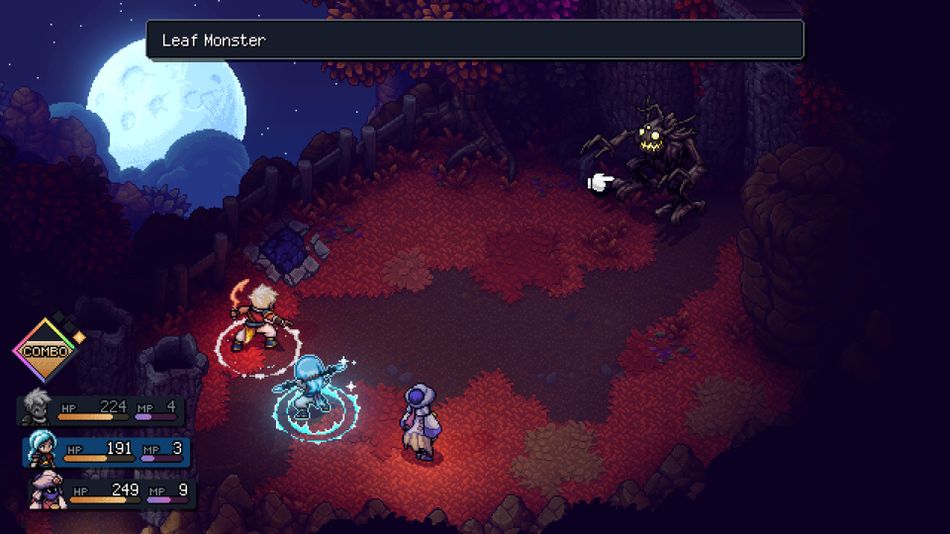
Furthermore, should you suffer substantial health depletion in battle, you have the option to employ a healing move, a tactic the enemies frequently utilise as well. Healing is accomplished by consuming pre-prepared meals crafted beforehand at one of the campsites. These meals can be made using a variety of recipes acquired either through discovery or purchase from vendors.
Regarding the ingredients needed for meal preparation, you'll come across vegetables and fruits through world exploration, fish and aquatic creatures via fishing, and various types of meat on the battlefield after triumphing over enemies.
Enhancing your characters' chances of victory in battle hinges on the equipment you outfit them with. This equipment ranges from character-specific weapons to distinct armours, with additional rings granting unique character stats.
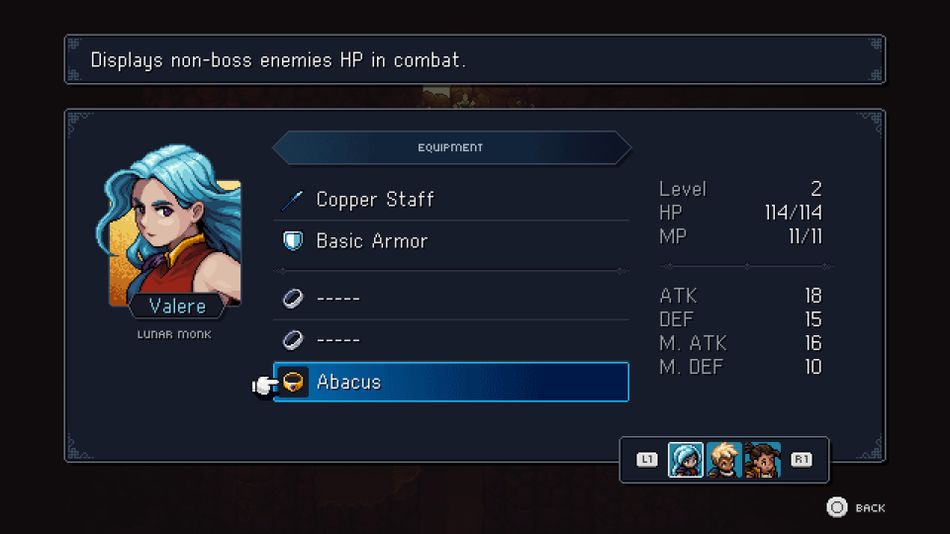
Sea of Stars also incorporates a levelling mechanism. As you gather experience points from battles, your characters progress to higher levels. Upon levelling up, you gain the ability to enhance specific attributes of your characters. This includes boosting health points, mana points, attack power, defence against both physical and magical attacks, and numerous other factors. Essentially, it's a highly intricate and engaging system.
In terms of exploration, Sea of Stars can be divided into two distinct phases: one during the main story and the other after its conclusion. Throughout the main story, exploration is relatively straightforward, and the puzzles you encounter are generally uncomplicated. However, after the main story wraps up, exploration takes on a new dimension. Mysterious tasks emerge, like deciphering the appearance of standing stones in a particular map region. These tasks provide only vague clues about what to seek but not the exact location or method. It's safe to say that the post-main story exploration feels like an entirely different game, a noteworthy aspect deserving praise.
Speaking about exploration, I must highlight what, in my view, stands as the game's most significant drawback: the absence of a proper in-game map. While Sea of Stars follows a rather linear path, restricting movement to established routes, its overall concept carries a semblance of an open-world setting. The game is split between two distinct worlds, each featuring multiple islands, along with maps situated in lofty clouds or the deep sea. Progressing further, you acquire a naval map to provide a general sense of location. However, once within a specific area, you're left to rely on memory alone, as a comprehensive map isn't available.
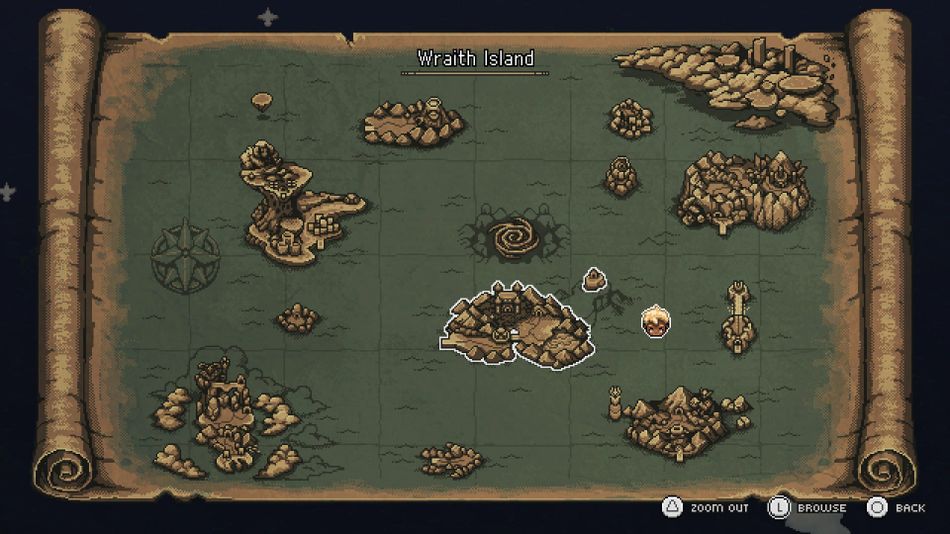
The absence of a map wouldn't be a concern if the game didn't task you with exploring the world to uncover the remaining treasures. While it's optional, completionists would naturally be inclined to pursue it, even though the endeavour can prove to be quite challenging.
While exploring the world, you'll encounter various chests containing diverse treasures. These treasures encompass weapons, equipment, song sheets, quiz questions, relics, rings, and an array of other content.
Sea of Stars lacks distinct difficulty levels, resulting in a gameplay experience that is inherently adaptable. It can lean towards being relatively easy or, conversely, remarkably challenging. This dynamic difficulty is achieved through another ingenious in-game mechanic: relics.
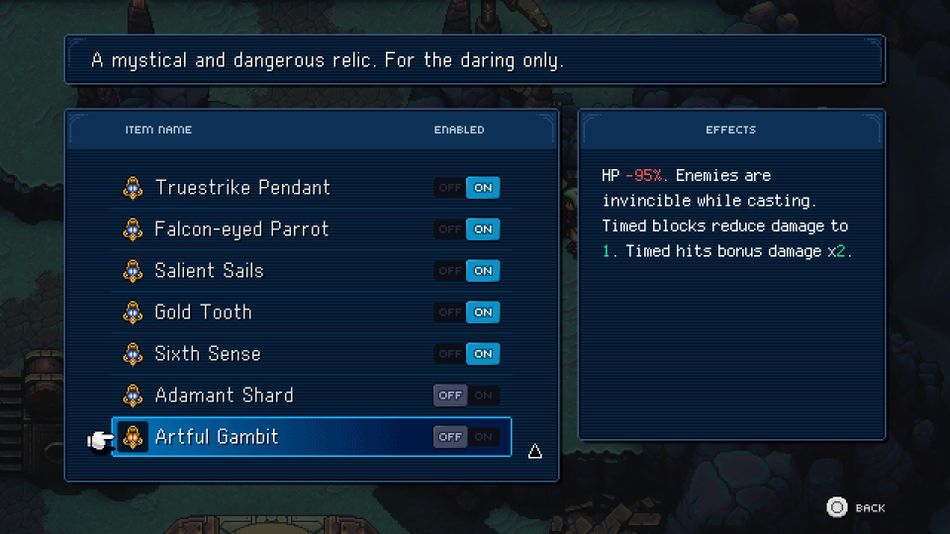
Relics serve as distinctive collectables found within the game, with the unique ability to influence the level of challenge in your gameplay. For instance, one relic might grant the advantage of your health being fully restored after every battle, significantly easing the game's difficulty. On the contrary, another relic could introduce a 95 per cent health deficit in battles while providing additional advantages. The decision of which relics to incorporate is left to your discretion. This innovative option stands out significantly, and the developers deserve great credit for this approach.
Despite highlighting numerous positive aspects, I must underscore a notable downside: combat can become monotonous as it often involves repetitive actions. The frequency of enemy encounters exacerbates the situation, and the turn-based nature of combat occasionally leads to prolonged battles that can grow tiresome.
This brings us to another aspect: the boss fights, which unfortunately tend to be rather tedious. To clarify, the bosses are introduced with creative flair in terms of design. However, aside from their distinct appearance, the primary divergence from regular enemies is the considerably extended battle duration, which ultimately contributes to a sense of monotony.
In terms of enemy diversity, each level introduces distinct foes, making it a challenge to recall them all. Moreover, every enemy exhibits unique attack patterns that necessitate quick adaptation on your part.
Graphics and Sound
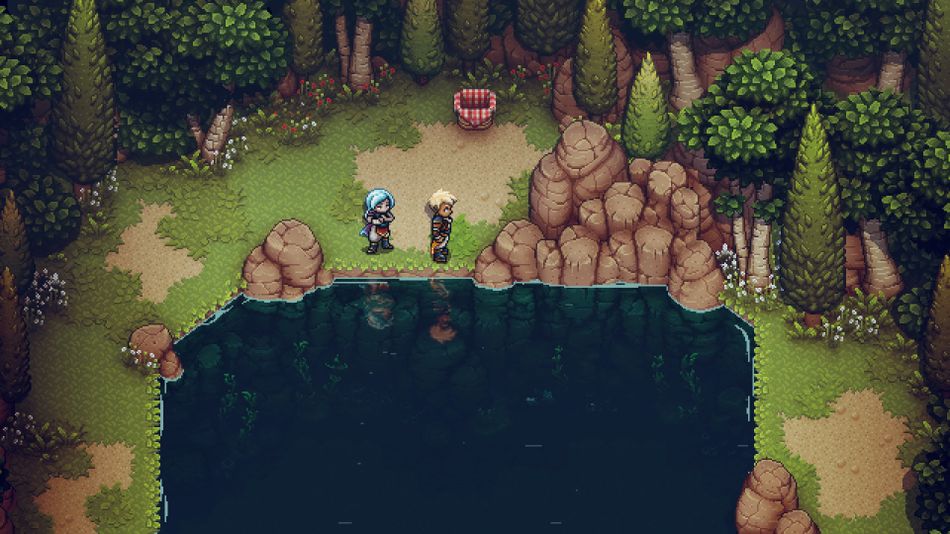
The graphics in Sea of Stars exude a sense of pure nostalgia. Embarking on the game feels akin to stepping back in time and revisiting vintage titles on classic computers and the first gaming systems. Yet, beyond its pixel art style, the game boasts stunning landscapes and levels. From tropical beaches and autumnal vistas to submerged ocean cities and lofty cloudscapes, the game spans an array of environments. It even encompasses cyberpunk urban settings, offering a rich variety of visual experiences.
Certainly, we're not discussing the inclusion of cutting-edge graphics settings here. However, even within the confines of pixel art, you'll be able to discern remarkably impressive reflection effects, particularly evident in environments abundant with water, which is very commendable.
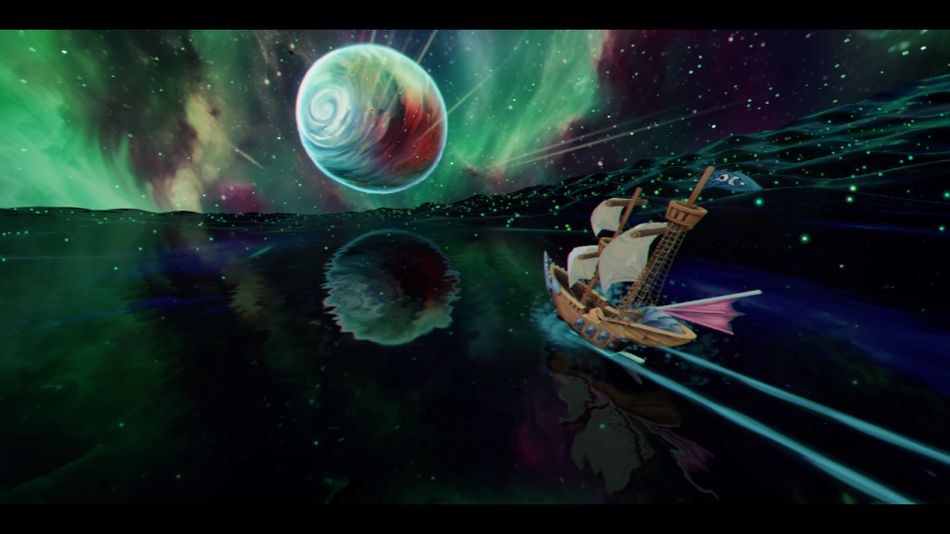
Regarding the level design, my observations are somewhat mixed. The levels are undeniably beautiful and intricately crafted. However, in certain instances, particularly in levels with multiple layers, things can become quite perplexing, leaving you unsure about where and how to navigate. It's worth noting that the developers can't attribute this to a classic design approach, given that designers of that era were constrained by hardware limitations, which definitely isn't the case nowadays.
On the other hand, the sounds are nothing short of perfection. The entire soundtrack is flawlessly executed, capturing the essence of pixel-art games. Each sound and melody resonates with the style of that era, effectively transporting players back to that nostalgic gaming period.
The sole, minor critique regarding the sound lies in its persistence—the repeated play of the same music track. While undeniably pleasant, this constant repetition can potentially lead to tedium. It's important to highlight that each level boasts a distinct musical theme that properly complements the ambience of that particular setting. For instance, exploring a pirate harbour will treat you to music evocative of pirate themes, fostering a delightful sense of immersion.
Conclusion
Beyond the overwhelming sense of nostalgia that Sea of Stars invokes, the game boasts numerous qualities that elevate the gaming experience to new heights. Its captivating pixel art, accompanied by remarkable music, contributes to creating a visual and auditory masterpiece. The combat system, though occasionally demanding, adds to the overall solidity of the gameplay, solidifying its position as one of the best games I had a chance to play this year, and I played a lot of games.
This title stands as a testament that the gaming landscape isn't solely defined by eye-catching graphics or extravagant effects, as it imparts a valuable lesson to even AAA games. It highlights that a truly fantastic game can emerge from a combination of engaging gameplay and a compelling emotional narrative.Xbox Series X|S
The Good
 Fantastic emotional story
- Very complex combat system
- Intricate difficulty system
- Beautiful level design
- Deep sense of nostalgia
- Perfect soundtrack
- Captivating pixel-art graphics
- Great post-story content
The Bad
 The lack of quality in-game map
- Combat tends to become repetitive
- Underwhelming boss battles