Trending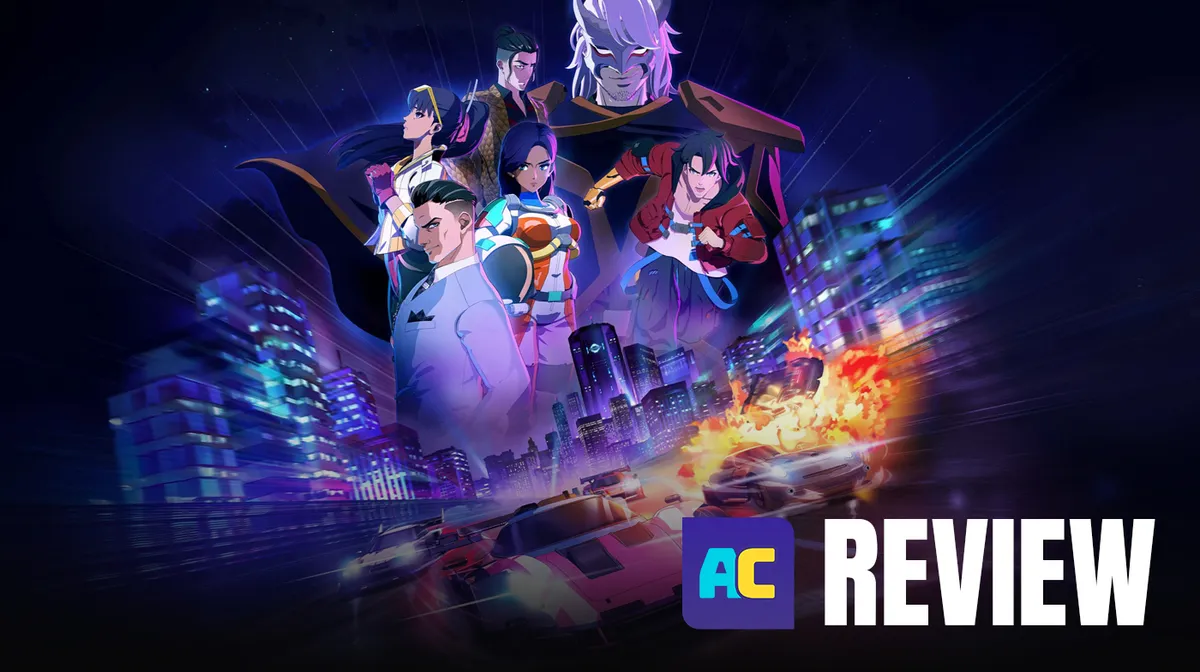
Arcade racing title Blur was one of the most monumental games in the combat and arcade-racing categories. Their gritty, realistic, and neon-filled take on car clashes gave rise to a wave of combat racing fans and now iconic titles like Gameloft's Asphalt.
But hardly any studio could replicate Blur's addicting gameplay and mix between gritty realism and explosive arcade racing.
Milestone has come close to capturing the neon-lit and stylistic take on combat-arcade racing with their new title, Screamer. Unfortunately, I never got to play their first game back in the day, as it was only released for MS-DOS systems in 1995. Milestone did release the game for new-gen operating systems later on, but that's a story for another time.
Their newly released Screamer is a very strange game in a good sense. It's an anime-style racing title that pushes itself into a hybrid genre of arcade and combat racing.
The first thing that Screamer caught me off guard with was its twin-stick racing mechanic. Unlike traditional racing titles, twin-stick racing titles emphasise using both analogue sticks for controlling the car. Initially, this mechanic might feel like a completely different ball game. Once you master it, drifting and riding around the corners becomes the most fun thing you can do in the game.

Set in a dystopian cyberpunk-ish world, Screamer dives into racing with a very strong storyline. In the game, racers come together to fight for a chance to get their hands on a large sum of money. Each cutscene in the game is beautifully directed; at times, it felt like I was watching a new-gen racing anime.

Although Screamer is by nature a racing title, it heavily focuses on combat or fighting. The game drops you into the road with four key abilities: boost, shield, strike, and overdrive. These abilities go hand in hand to craft the racing experience Screamer wants to deliver. Chained with these four abilities is the game's Sync mechanic, which fills up your boost meter faster when you hit a perfect gear shift. Once your metre is filled, you can use it to boost your car or shield yourself from other players attacking you during a race.
The game's tutorial system is linked to the first few campaign missions in The Tournament storyline. You can choose from different characters to race with, each boasting their own set of abilities. Once you go through the initial races, you will get a grip of the basic mechanics you need to master for racing in Screamer. Aside from that, you can also polish your skills by playing other modes like Team Race and online multiplayer.
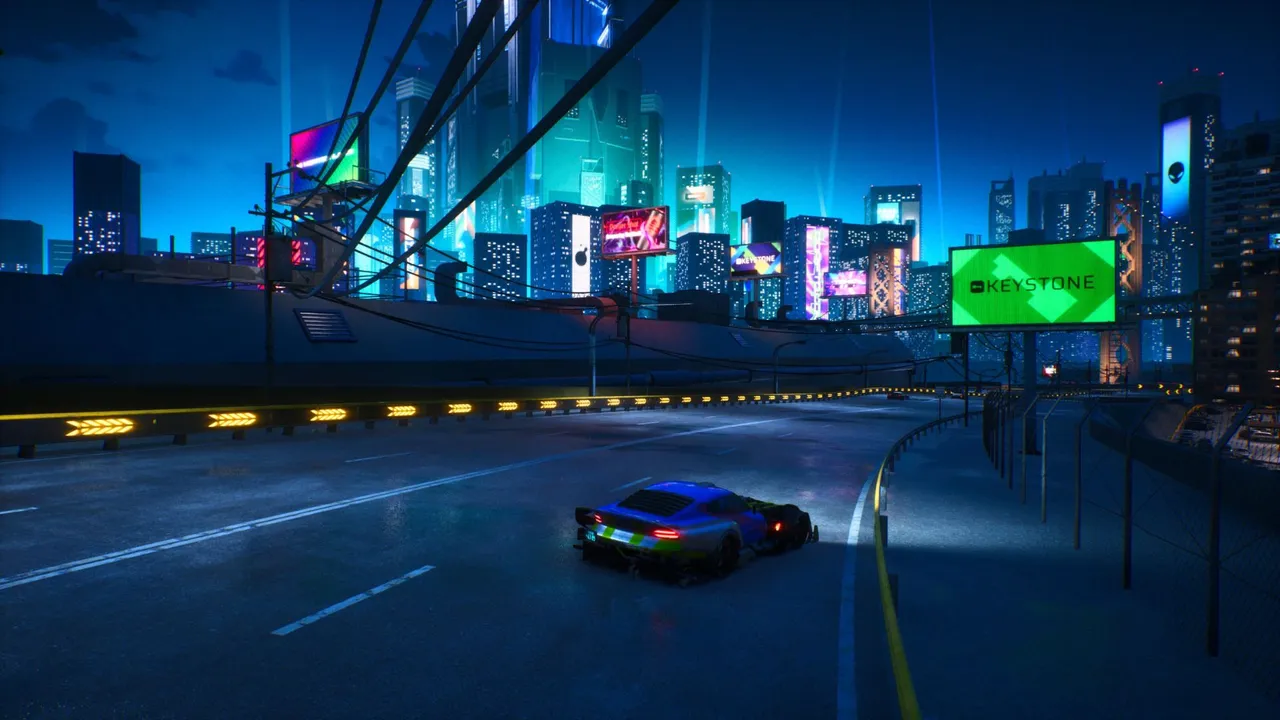
Screamer's AI opponents, whom you race against, are fairly well programmed. Unlike many other arcade racing titles, I noticed no rubberbanding issues with the AI racing against me. However, I did get a little frustrated at first when the other racers going against me were constantly knocking me off the track. But once I understood how to use my shield and strike mechanics, I was mostly able to deter these attacks by controlling my car.
Visually, Screamer manages to exceed my expectations. Featuring a 3D anime model hybrid system, the game is extremely polished. I faced no performance issues while playing the game on my PlayStation 5. The next thing about the game that puts it up there for me is the fantastic audio and music choice. The upbeat cyberpunk-inspired music pumps you up as you're ripping through the streets in your car.
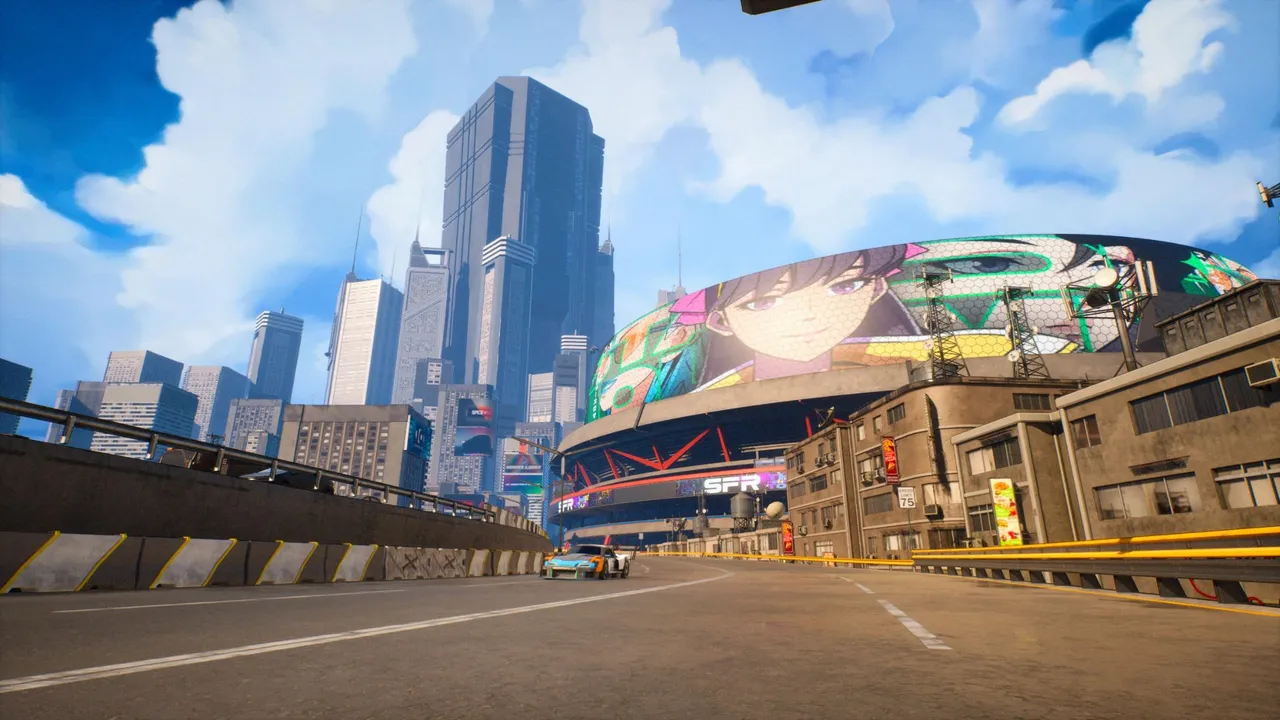
Unfortunately, one thing that really put me down in Screamer was the sense of speed. As a fast-paced futuristic arcade racer set in a cyberpunk-ish setting, you would have expected to see a more polished sense of speed when driving hypercars. However, while most cars were cruising at speeds of 250+ km/h, the sense of speed made it look like the cars were running at a speed of 100 km/h. Emphasising more on the zooming aspect of fast cars and the sense of speed would have made the game a lot more enjoyable. Moreover, an increased sense of speed also increases the game's difficulty by a small margin, making players focus more on the track.
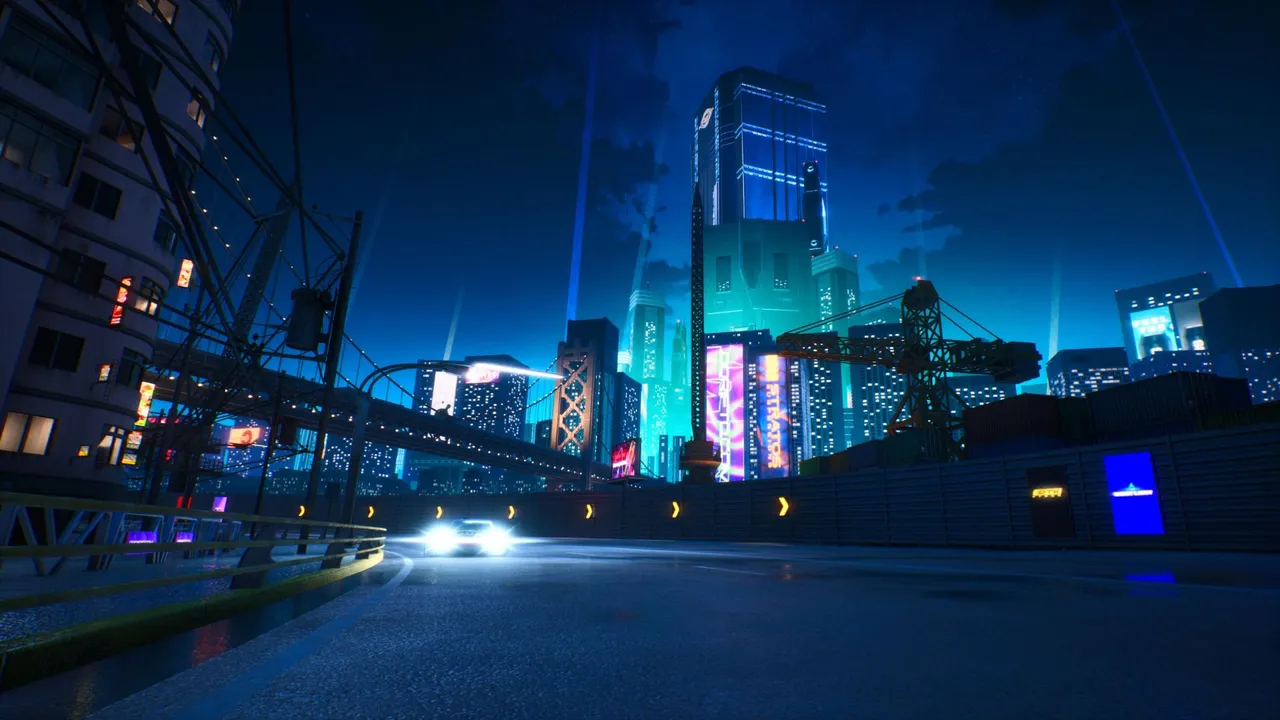
Another thing that might put off a lot of players is the ECHO system for every car in the game. The ECHO system is the essential mechanic that determines whether you win a race or not. All cars in this game feature a semi-automatic gear system, which means at certain times you have to shift your gears manually. As you manage to shift your gear at the perfect time, you will start filling up a metre at the top of the screen. Once filled up, you can use it to boost your car, acting similarly to the traditional nitrous system of most racing titles. While this might not sound like a bad thing at initial stages, the trouble begins as you discover that there is no option of turning off this feature in the game. Like traditional racing titles, they should have allowed players to turn off any option they don't like to make their gaming experience a lot more enjoyable.
Final Thoughts
All in all, Screamer is a quite decent game that manages to place itself in the steps of the arcade and combat racing genres. Milestone managed to craft a wonderful racing title with a new and refreshed art style. However, the game might fall short in some aspects like the emphasis on using the ECHO system and the lack of sense of speed.
If you're a fan of the original Screamer title, I don't think you will get much out of this game. On the contrary, if you're a fan of racing titles like Blur, Split/Second: Velocity, and Asphalt, then you might enjoy playing Screamer. Screamer feels and functions as a perfect successor for Inertial Drift, which won over countless racing title fans with the unique twin-stick racing mechanic and retro anime art style.
The Good
 Twin-stick racing mechanic
 - Visuals and art style
- Combat and abilities
- Storyline and cutscenes
- Audio and music
The Bad
 Lack of sense of speed
- Forced ECHO system