Trending
Few things pump adrenaline like a fast motorcycle. Growing up, the first motorcycle racing title I played was EA's iconic Road Rash, and the arcade racing experience was euphoric. While Road Rash was more of a street-style racing title with the obvious beat 'em up mechanics, it still introduced me to the thrill of driving motorcycles.
Moving on to 2007, I got my hands on THQ's MotoGP '07, which was practically my introduction to simulation racing. It was a complete turnaround from Road Rash's brawl-focused mechanics. The bikes felt responsive, heavy, and realistic. Even though I loved playing the title, I struggled very much with the realistic controls and the absence of certain arcade mechanics like driving assist.
Recently, I got the opportunity to try out a motorcycle racing simulation title from Milestone, RIDE 6. This is my first time trying out a title from the RIDE series. Although I was familiar with Milestone's franchise, I'd never actually played it myself.
But, after spending the weekend plus some more with Ride 6, I can safely say that the game successfully manages to capture the realistic aspect of motorcycle racing with the combination of certain arcade and accessibility-centred game options.
True-to-Life Simulation Mechanics
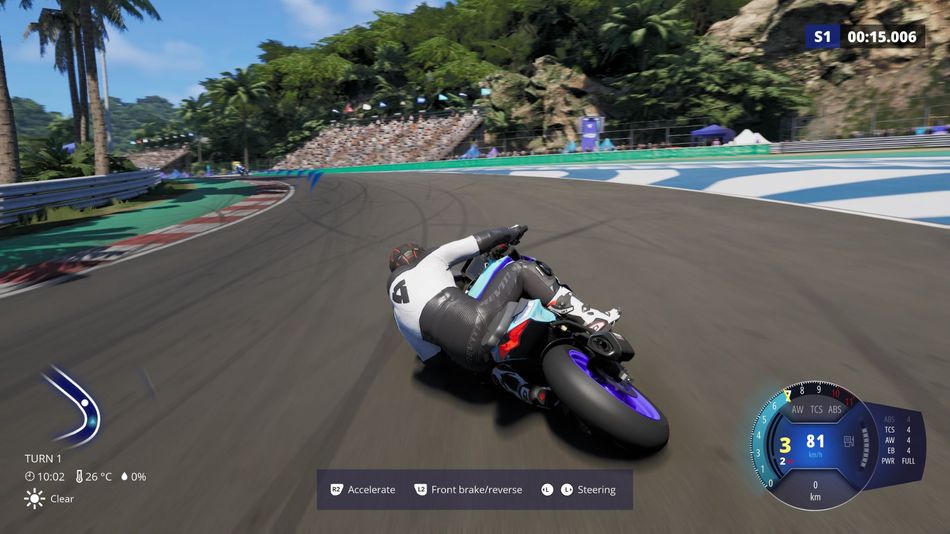
I am no expert in motorcycle racing or how motorcycles work in general, but one thing that caught my attention from the start was the true-to-life simulation racing approach in RIDE 6. Aside from the arcadey aspects, the game heavily focuses on simulating actual biking conditions.
Ride 6 rewards precision and steady driving regardless of the mode you play. Adjusting your speed, braking at the correct time, and understanding how your bike performs are the core aspects of this game. Ride 6 doesn't reward speeding through the corners and praying for the best; rather, it encourages you to follow real-world racing rules and tactics.
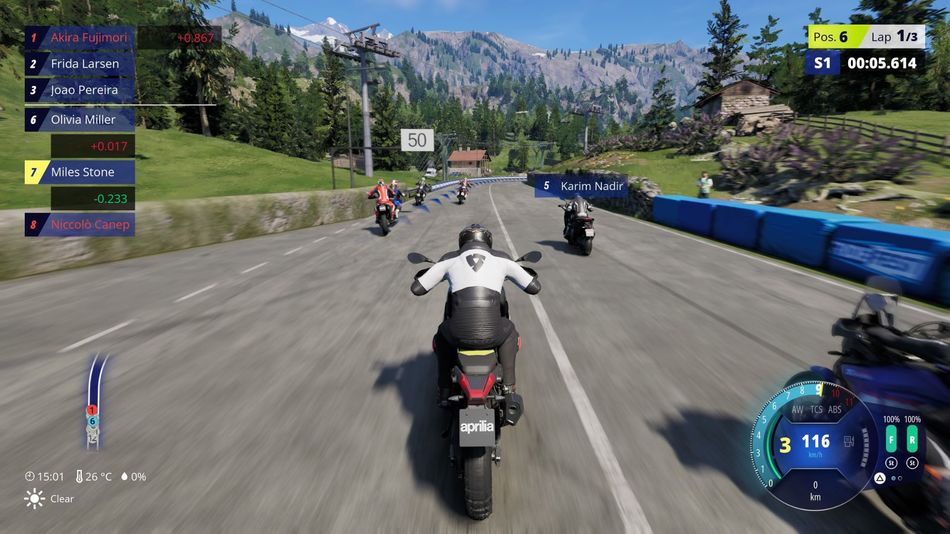
For longtime fans and simulation racing enthusiasts, RIDE 6 delivers exactly what you'd expect - a large selection of blazingly fast motorbikes, curvy tracks and game modes to choose from. Additionally, with tonnes of accessibility options, casuals or newcomers to this series can easily tailor their gameplay experience to their liking, which is always a big plus for a sim game.
Milestone really did a fantastic job of onboarding new and returning players to the game with their new riding school mode. This mode covers both basic elements and advanced mechanics that require mastery for diving into the game's boss races and online multiplayer. I would recommend all new players utilise this mode as a learning ground if you are eager to crack RIDE 6's core mechanics.
Career Mode & Progression
From the get-go, RIDE 6 takes you through the rich history of motorcycles and the advancements made over the last few decades in a career mode that is akin to Forza Horizon's festival style.
With flexible options on class choices, you can easily switch between classes, which makes the experience more streamlined and gives you plenty of freedom to switch things up if you get bored with one class. The options range from track racing, dirt racing, and off-road racing.
Although the initial selection revolves around three classes, the game boasts more than 300 motorcycles of world-renowned brands like Honda, Suzuki, KTM and Yamaha. The wide range of motorcycle choices gives players the chance to enjoy the class they enjoy, with the option to dive into a more diverse one if they feel like it.
AI That Actually Races
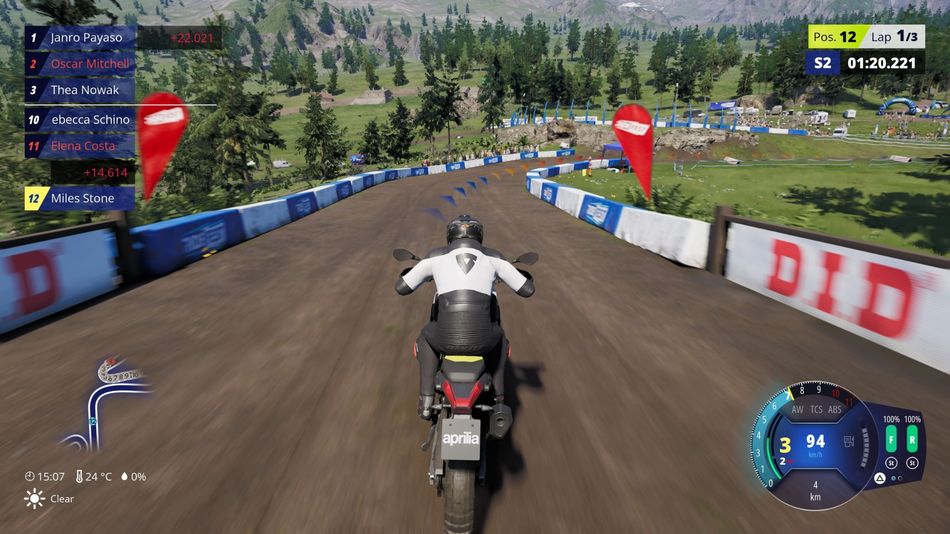
Another thing that I was quite impressed with was the game's AI. There was no rubberbanding issue, and the AI racers were competing like real players. They reacted accordingly to collisions and other interactions during a race. Moreover, the AI seemed to adjust its difficulty according to my performance during a race.
Visually, the game looks and functions like how you would want a modern racing title to be. The visuals are crisp, thanks to the game's engine being powered by Unreal Engine 5. The game's performance was sublime on my base PlayStation 5 console, with little to no visual clutter. The game's HUD design is interestingly quite pleasing.
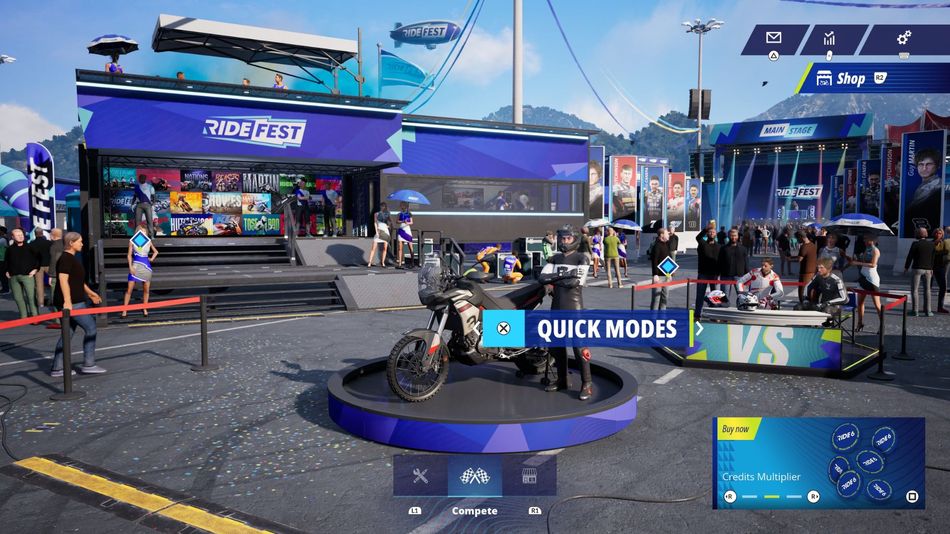
While most aspects of this game are up to the standards of a modern title, there were a few things that caught my eye. The game's UI, main menu, and settings options feel quite dated and unoptimised. I noticed a weird stutter in the main menu constantly, which was visible when switching from one panel to another. The settings menu felt a little out of place at times; however, the accessibility tab was spot on, with most items highlighted perfectly.
Final Thoughts
All in all, I think RIDE 6 is the perfect title to choose for getting into motorcycle simulation racing. Milestone has managed to create a perfect entry point for new players by staying true to its hardcore simulation mechanics and by adding major accessibility settings that can make the game a lot easier for players to grasp in the long run.
Now, if you are a longstanding fan of the series, I trust you can make the decision on whether you want the game or not. However, for newcomers and casual racing fans, I think RIDE 6 can potentially be a good entry point. If you're looking for a racing title to pass your time or learn new skills, then I can recommend picking up RIDE 6 on launch. On the contrary, if you're simply eager to test out the game and unsure whether you'll be able to put in hours to learn the basics, then wait for the title to go on sale in the upcoming months.
Overall, Milestone has done a wonderful job of putting out a racing simulation title that manages to stay true to its core while catering towards more casual players. With constant updates and a few tweaks here and there, RIDE 6 has the potential to become a top contender for motorcycle racing simulation.
The Good
 Realistic motorcycle mechanics
- Wide range of accessibility options
- Great onboarding system
- Diverse career mode
- Robust AI opponents
The Bad
 UI looks quite dated
- Main menu stuttering issues