Trending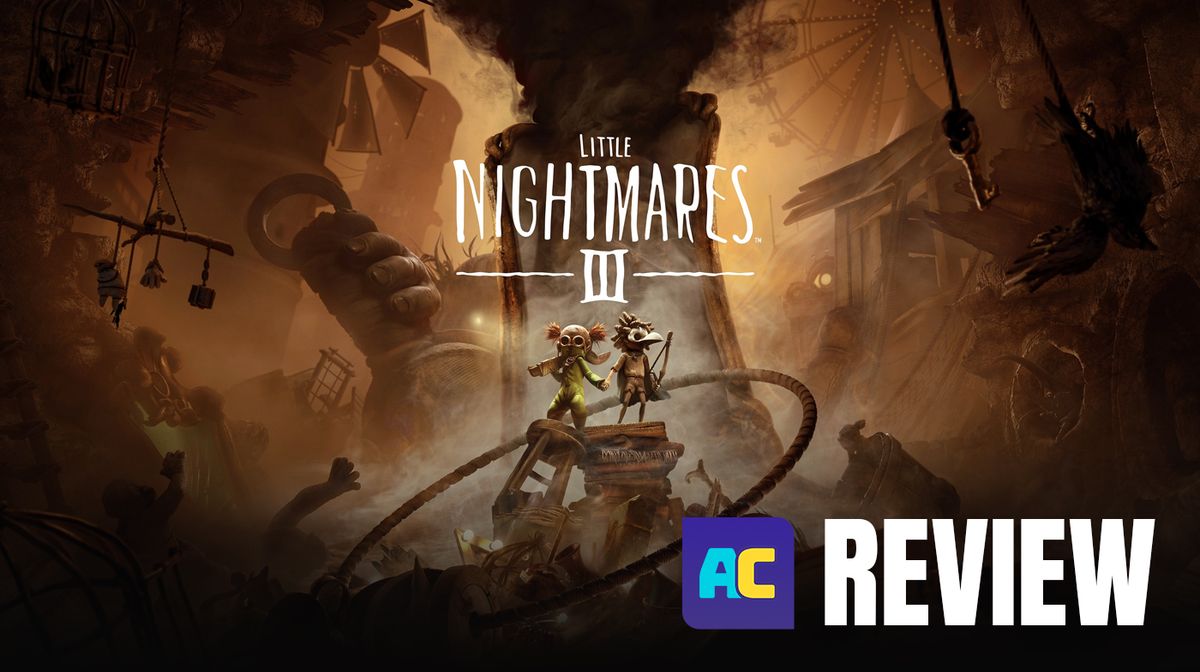
I’m going to be honest, I play all sorts of games across all genres - from souls games, metroidvanias, RPGs - but there’s one genre I avoid like a vampire avoids the sun - horror. And I don’t mean horror games that rely on cheap jumpscares to get the adrenaline pumping, but acclaimed games such as The Last of Us, which I’ve started and never finished.
I know, bring out the shame bells. But the Little Nightmares series is different. It's the only horror series my anxiety tolerates, let alone enjoys. So when Little Nightmares 3 landed in my inbox, I was genuinely excited, even if it meant sweaty palms and the occasional "ew" as I navigated yet another grotesque corridor.
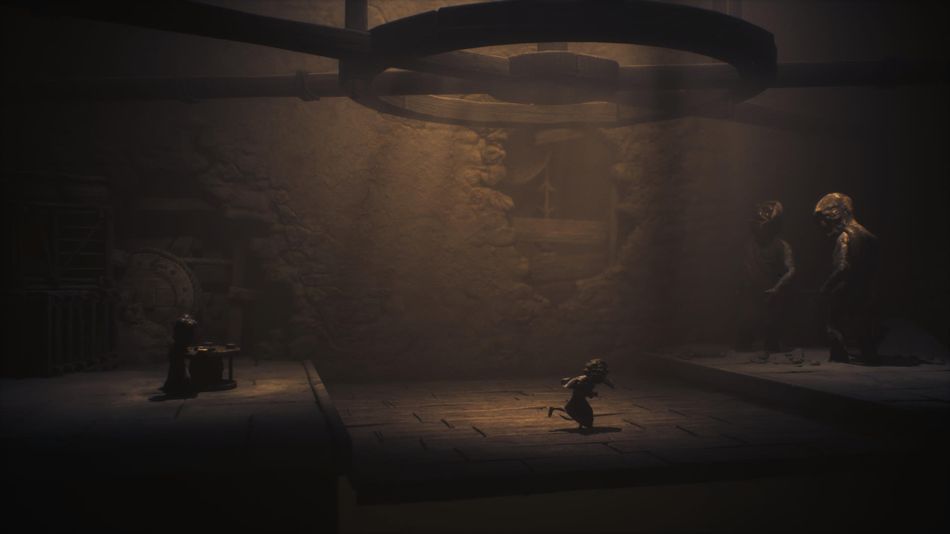
The third entry marks a significant shift for the franchise. Tarsier Studios, creators of the first two games, moved on after being acquired by Embracer Group, leaving Bandai Namco to hand the reins to Supermassive Games - the horror veterans behind Until Dawn and The Dark Pictures Anthology. It's a strange developer swap: usually, a bigger studio passes work to a smaller team, but here, an established horror powerhouse is taking over from an indie darling.
The question is: Does Supermassive capture the unsettling magic that made Little Nightmares special?
STORY
Little Nightmares 3 throws you back into the haunting, dream-logic world of The Nowhere, where memories and fear bend reality. This time around, we have two characters - Low, a boy in a raven mask with a bow, and Alone, a girl in an aviator hat, wielding a wrench.
They're trapped in The Spiral, a cluster of disturbing locations they must escape together.
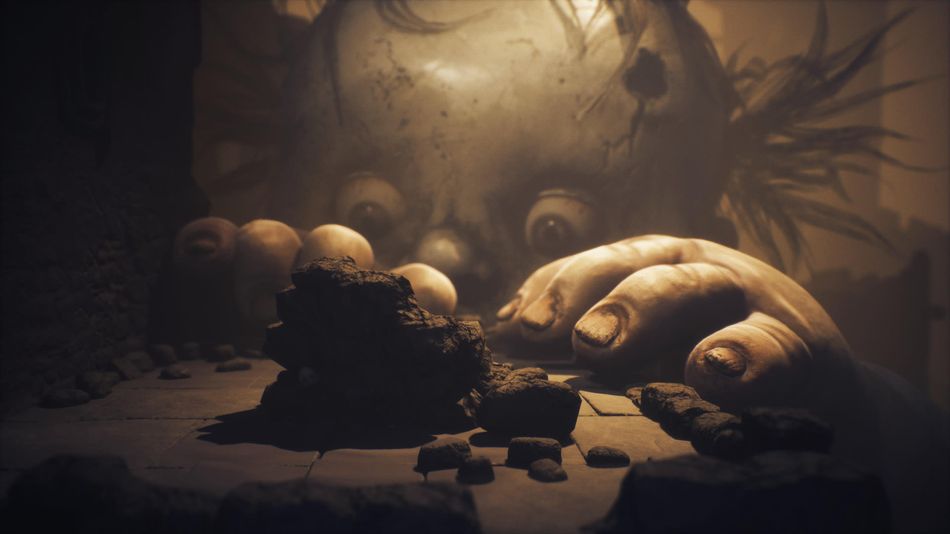
The story unfolds without dialogue, relying entirely on environmental storytelling. You'll piece together Low's memories through visual cues - childhood trauma, abandonment, the blurred line between innocence and danger. It's the series' signature approach: childhood vs. the scary adult world, told through grotesque imagery and symbolic horror.
Oh, and the nomes are back, and you can hug them. How awesome is that?
GAMEPLAY
The entire game relies on partnership and teamwork. Low and Alone, although they are vast opposites, must rely on each other and use their tools in unison if they want to survive The Spiral. Just as the player forms a bond with them, so do they form a bond with each other.
The gameplay itself doesn’t diverge far from the previous games; you’ve got the usual mix of platforming, puzzles and stealth, although the start is a bit slower compared to Little Nightmares 2. It’s a formula that has worked for the first and second game, and it also works for the third one.
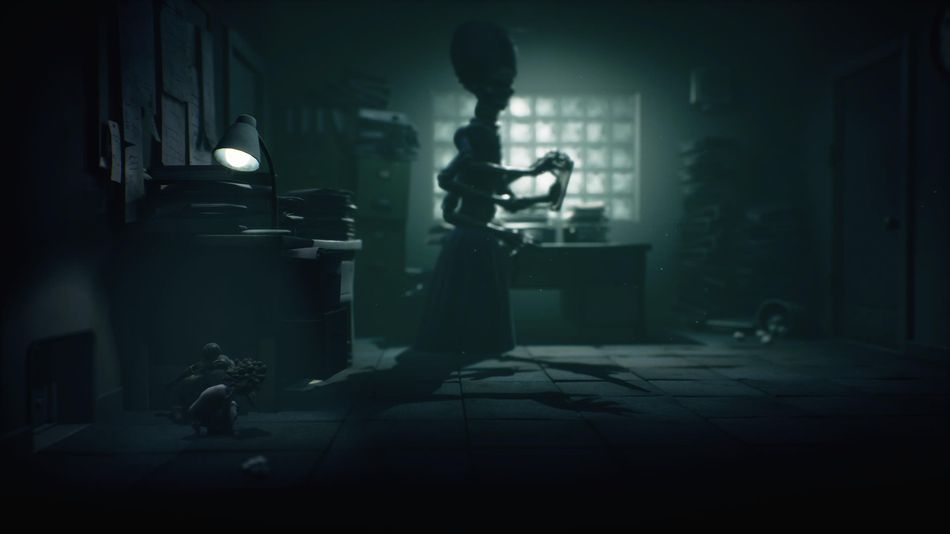
However, the addition of teamwork and cooperative play is a breath of fresh air. We’ve got Low, who can use his bow for ranged combat and puzzles, and Alone, who uses her wrench for traversal and more mechanical interactions. When doing puzzles, you often have to think about the different skills of the two characters and how to utilise them properly.
If you’re doing single-player mode, the AI is usually responsive and competent (I can’t believe I’m saying that for AI), although it can glitch out, albeit rarely. But the magic isn’t there. It’s evident that Little Nightmares 3 wants you to experience fear together - the solo play simply loses that tension-building dynamic.
Note: The game doesn’t support cross-platform co-op. In other words, PC players can’t team up with those on consoles and Xbox and PlayStation players can’t play together. It’s a frustrating limitation.
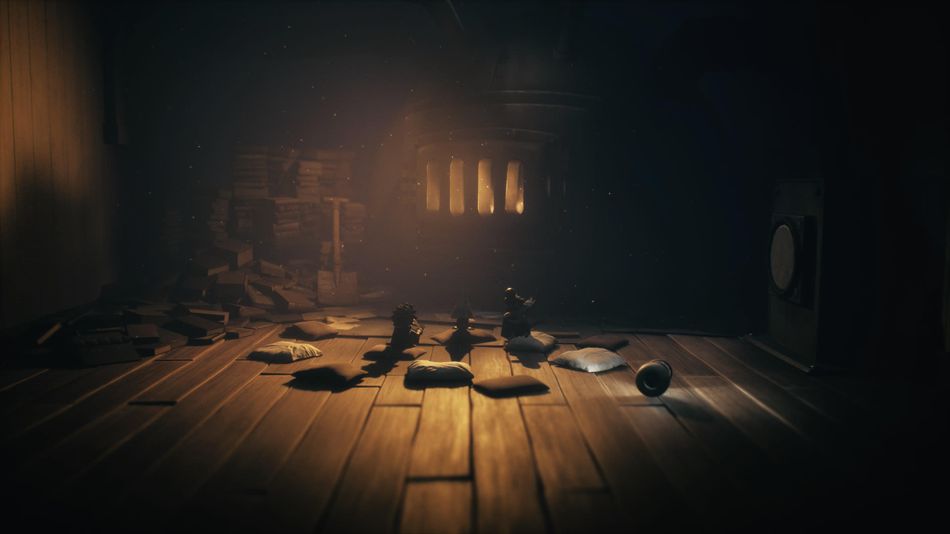
In terms of level design, the world of The Spiral feels like a character of its own; it feels alive, and with every new segment of it, the game throws in a fresh mechanic, adding a new twist to the story.
However, Little Nightmares 3 suffers from the same issues as its predecessors - death by guesswork. Some platforming sections are deliberately unclear - jumps obscured by camera angles, dark environments hiding fatal drops and chase sequences where you’re expected to die once or twice just to figure out the right path.
For hardcore fans, this is a familiar territory, but for newcomers and anxious players (like me), it can be exhausting. You’ll die a lot. And it won’t be your fault, it’s simply due to the fact that the game is designed in a way to withhold information, and that’s poor design in my book.
VISUALS, PERFORMANCE, SOUNDS
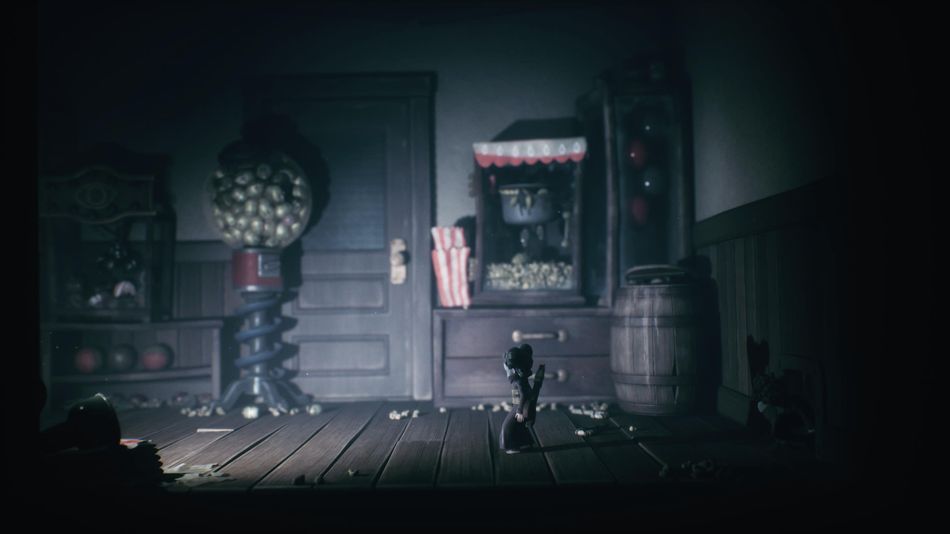
If Little Nightmares is amazing at anything, it’s amazing at immersion. Every room, every sight, is made to bring discomfort, curiosity, and tension, or what I usually went with, a long “ew” as I walked into the next grotesque section. I’m either tense and anxious, or disgusted, which is probably why I usually avoid horror games. But fret not, Little Nightmares has my heart nevertheless.
The environments are hauntingly detailed, ranging from ruined cities and sprawling deserts to carnival corridors, and each tells the story in its own way. It brings dread, confusion, and ruin. The sounds, creaking and rustling and the distant whispers that we can’t really decipher, are carefully placed to build tension.
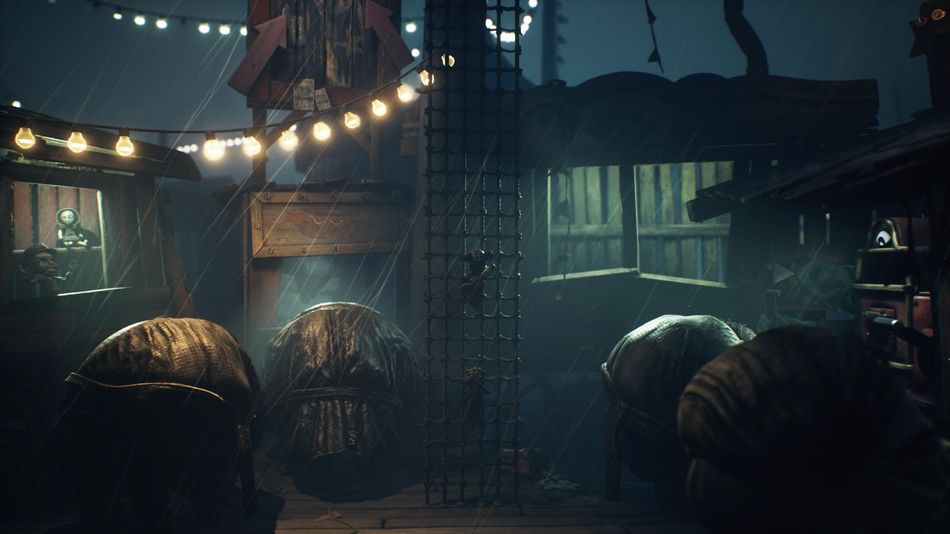
Each section adds a new layer of unease and horror, a signature move by Little Nightmares. And just like the title suggests, every new level makes us as characters feel tiny and vulnerable in these places. You basically can’t fight back, and the idea of that is terrifying.
As for performance, I’ve played it on the PlayStation 5, and besides a few too-dark environments, the game was gorgeous, smooth and didn’t glitch out for me.
CONCLUSION
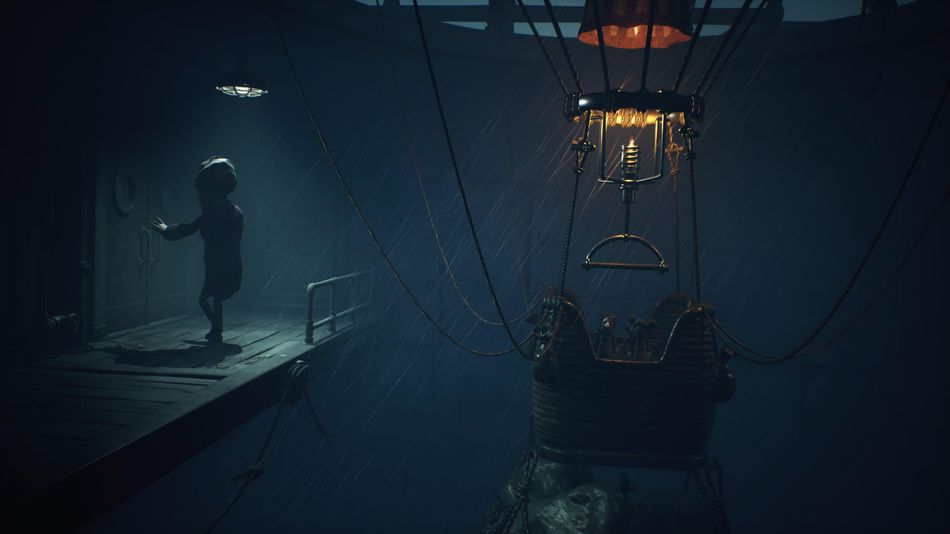
Little Nightmares 3 is a solid continuation of the franchise that brings the fans more of what they enjoyed previously: an eerie art style, more tension, and beautiful, unsettling environmental storytelling. If you’re a horror fan, it’s a neat addition to your game library.
However, it’s not without problems. The trial-and-error deaths are frustrating, playing with AI feels less cohesive, and some environments are too dark, leading to unclear platforming, which ends in more cheap deaths.
For horror fans, this is a nice Halloween treat, plus you get to drag a friend through a nightmare with you. But for the rest, it’s not quite the sequel that we’ve hoped for, but it’s a worthy detour through The Spiral.
The Good
 Gorgeous, unsettling art direction
- Co-op adds meaningful teamwork and shared scares
- Sound design creates oppressive atmosphere
- Doesn't require knowledge of previous games
- Competent AI for solo players
- You can hug Nomes (critical feature)
The Bad
 Trial-and-error deaths feel cheap
- Some sections too dark to see clearly
- Less memorable than Tarsier's games
- No cross-platform co-op
- Chase sequences feel designed for failure