Trending
Some games decide to announce themselves to the players by only being charming, and one such game is Timberline Studio's debut title, Beastro. Beastro is the kind of game where the art style, the premise, and the first five minutes of play are enough to make you forget whatever reservations you brought in and simply go with the game's flow.
Story - Give Peas a Chance
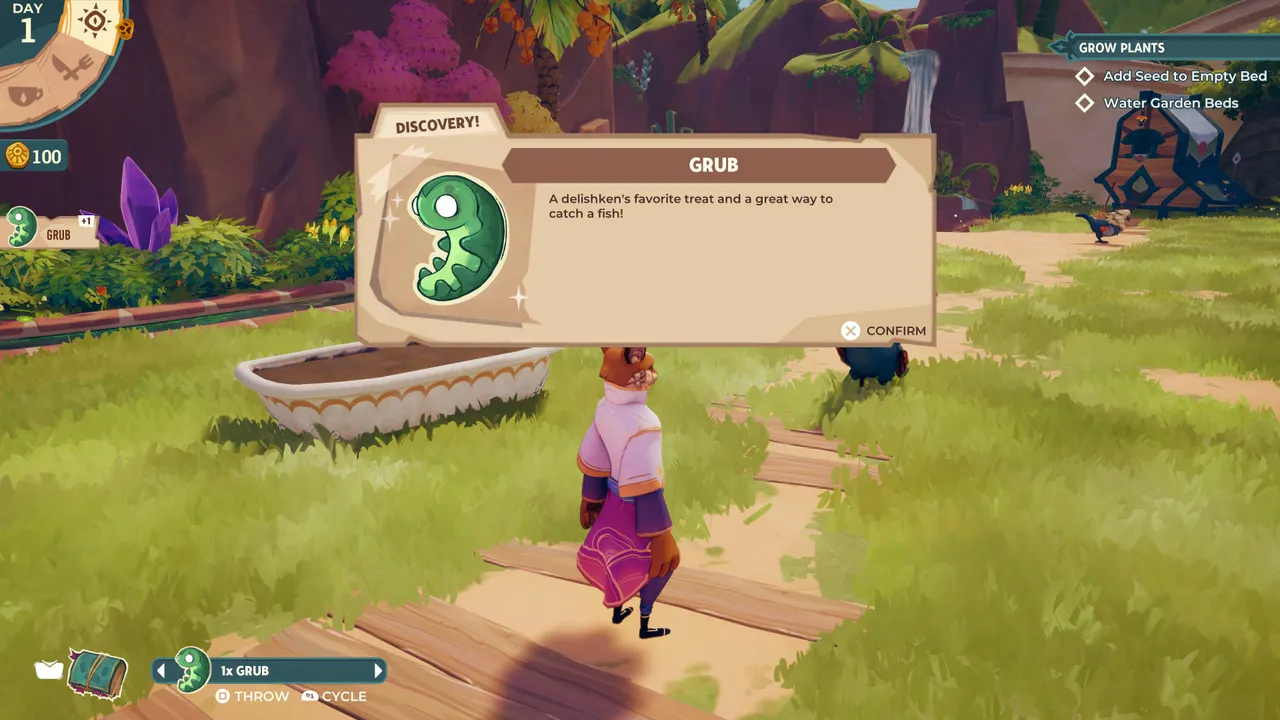
You play as Panko, a young fox-like sous chef thrown unexpectedly into the role of head chef after the previous one mysteriously disappeared, in a peaceful artisan village called Palo Pori that is being steadily threatened by ravenous monsters beyond its walls. The solution, naturally, is to cook better food.
The premise alone sounds like it belongs on a greeting card, and Beastro, as the game, is trying all the time to force such sentiment; you simply must love the game because it is simply too cute not to. Timberline Studio has built something here that balances between cosy farming sim, restaurant management game, and roguelite deckbuilder, three genres that have no obvious business being in the same room, and yet somehow the combination works like a charm.
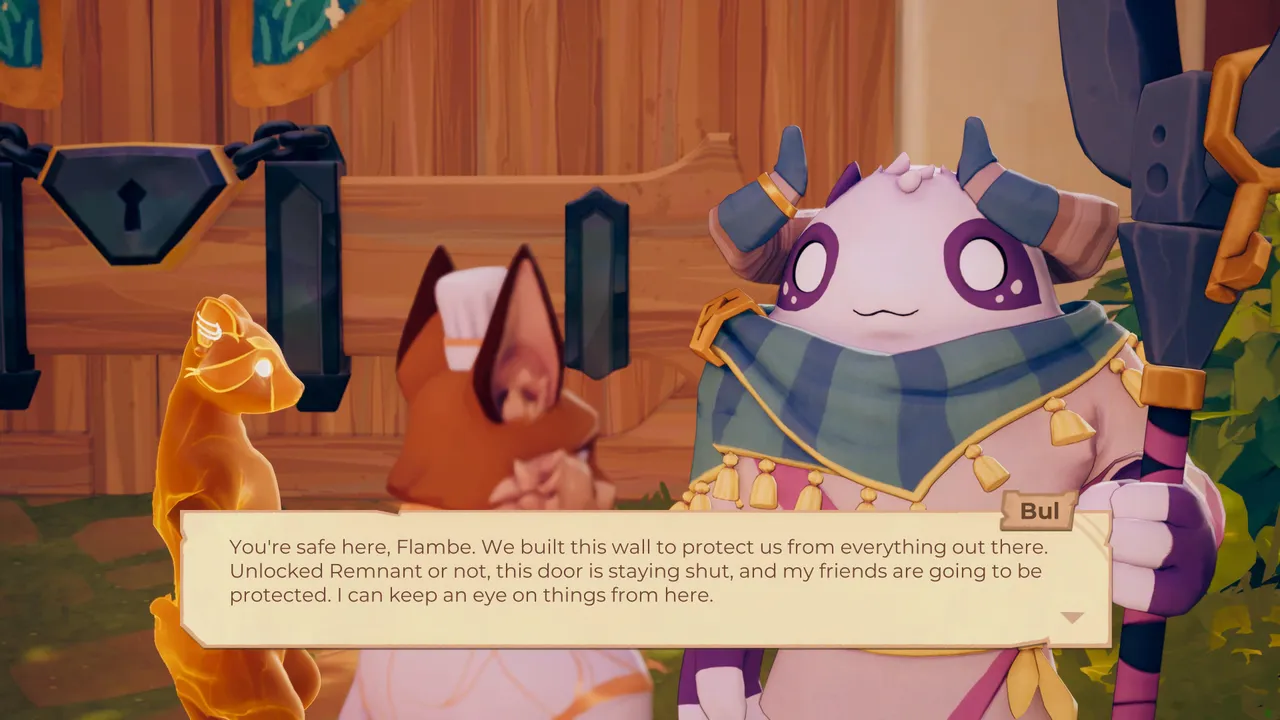
The story, perhaps surprisingly for a game of this type, is way more sophisticated and, dare I say, engaging than you might have expected. The mystery surrounding the previous head chef's disappearance and the increasingly ominous closing of portals around Palo Pori give the narrative real momentum, and there are story twists and turns here that will catch you off guard in the best possible way, trust me. It is not a deep or emotionally demanding story, but it is considerably more engaging than the cosy genre usually demands, and that alone sets Beastro apart from many of its peers.
Gameplay - Three Courses, One Loop
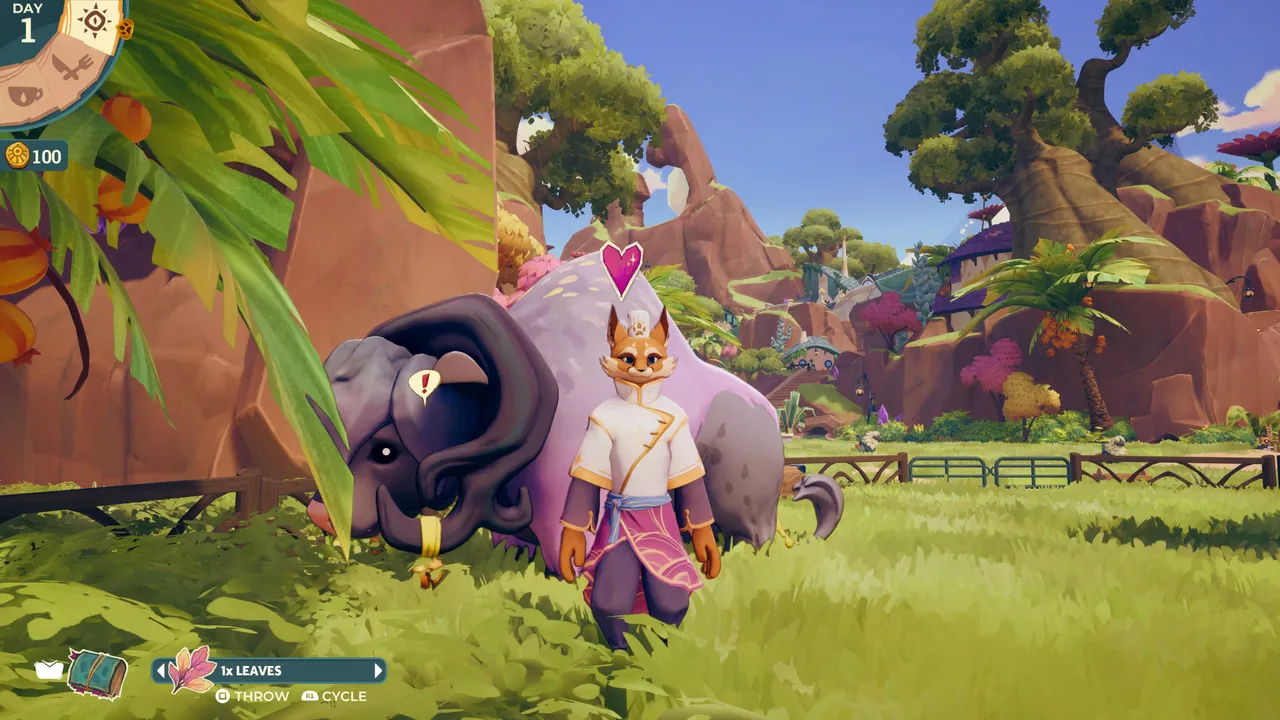
The gameplay divides each in-game day into three distinct phases, and the rhythm they create together is the game's greatest forte. Mornings are spent gathering ingredients: farming your crops, foraging for rare herbs, tending to animals, and sourcing the raw materials that everything else depends on.
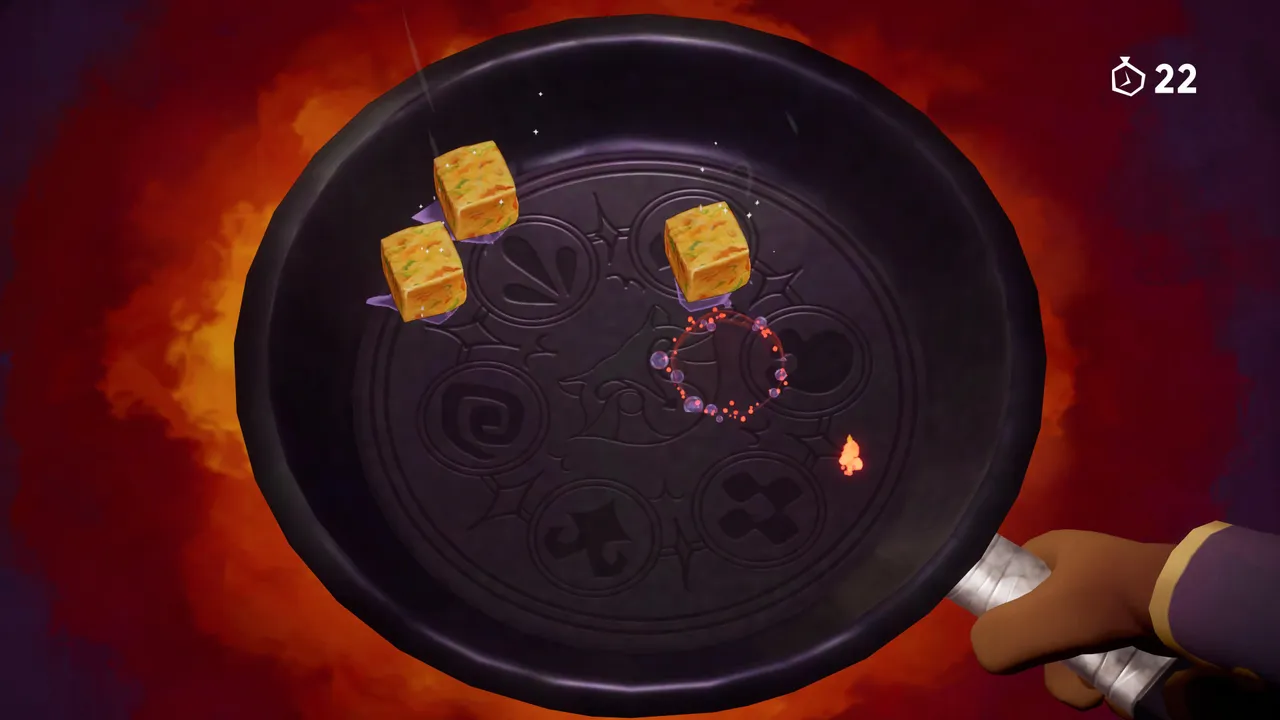
Afternoons open the restaurant, where a collection of cooking mini-games ask you to chop, fry, bake, and assemble dishes through simple interactive challenges, all in service of feeding the village's townsfolk and building relationships with them. Evenings send the Caretakers, the brave heroes of Palo Pori, out into the wilds to fight the monsters threatening the village, armed with card decks shaped entirely by the meals you have prepared for them.
That final connection is where Beastro truly shines the brightest, I'd say. Every ingredient has unique magical properties which, during combat, give you advantages and weaknesses, and it's not like a rock-paper-scissors system; no, this system is connected to the culinary theme so tightly that you can almost feel which meal will affect which encounter.

Cooking a dish rich in bitter flavours gives your Caretaker one set of combat abilities; leaning into sweetness gives them another. Experimenting with recipes is not just satisfying in the way cooking games usually are; it is actually very strategic, because the wrong combination of flavours can leave your hero poorly equipped for what the monsters throw at them.
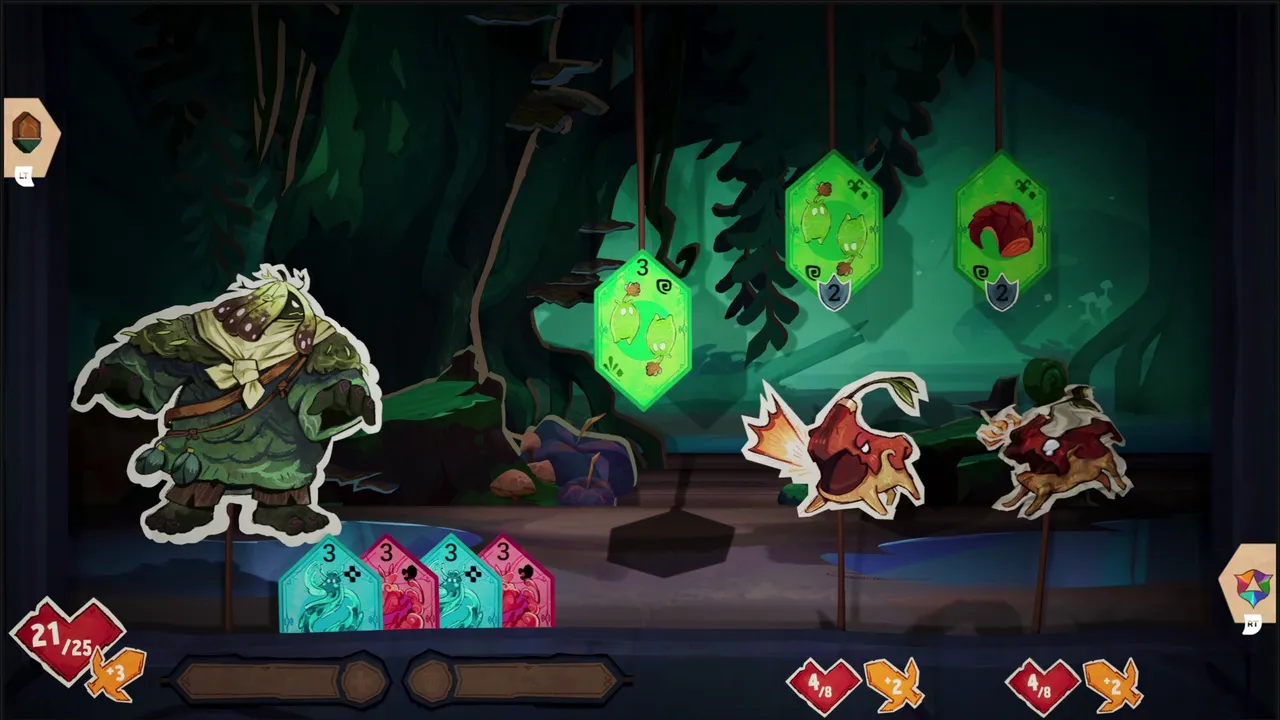
The combat itself is presented in a puppet-theatre style that will immediately win you over with its charming looks and execution. Characters and monsters appear as figures on sticks against a handcrafted stage backdrop, and the choice of such scenery is a total hit. It is charming, crisp, and clearly the segment of the game that received the most love and polish in development.
The deckbuilding mechanics reward patience and experimentation, though it is worth noting that the roguelite element means bad luck with card draws can occasionally produce frustrating outcomes that feel entirely outside your control, and there is limited mitigation available when a run simply goes wrong.
The biggest disappointment, in my opinion, in Beastro is the gathering phase, or the mornings during a cycle, because, sooner rather than later, this phase turns into boredom. It doesn't help that the fast-travelling mechanic is unlocked rather late in the game, and the opening hours can feel like eternity.
However, one issue that made me really pissed is something that is embedded into the game's very design, and that is the lack of the ability to free roam after the story is done. I believe many players would want to experiment with the different recipes and the different card builds, but sadly, the game soft-locks you after beating the final boss, and after that, all you can do is run a new game.
These are the kinds of issues that a post-launch update could address, and given the game's very positive reception among the players, there is every reason to expect the developer will do exactly that; however, at the time of writing this review, all the problems still existed.
Visuals and Performance - Outdated Graphics With A Lot of Charm
Visually, Beastro is gorgeous. The warm colour palette, expressive character designs, and delightful animations, including the very charming one where you're petting certain animals, all contribute to an art direction that aims much higher than the game's modest price point. However, beneath the surface, when inspected a bit closely, the lack of significant budget is more than noticeable here. The textures on PS5 look quite bad, and their delayed loading is not some sporadic, isolated case.
The game looks charming, and some presentational choices are quite genius (I'm talking about a puppet-theatre style, of course), but under the surface, it all looks quite old. I'm not saying it's a dealbreaker, no. I'm only informing you about the facts so you can draw your own conclusion whether you like something like that or not.
Conclusion
Beastro is a genuinely inventive cosy game that earns its charm through clever design without leaning too much on aesthetic comfort. The loop connecting farming to cooking to deckbuilding combat is original and rewarding, the puppet-theatre presentation of battles is a visual highlight, and the story has considerably more bite than the genre usually offers.
The rough edges, including a bit outdated graphics, the repetitive gathering phase, and the lack of post-story free-roaming, are real enough to mention but not significant enough to overshadow the other notable qualities the game obviously possesses. At its price point, Beastro is an easy recommendation for anyone with any affection for cosy games, farming sims, or accessible deckbuilders. It is warm, witty, and rather wonderful.
The Good
 Brilliantly original loop connecting cooking directly to deckbuilding combat
- Puppet-theatre combat presentation is visually stunning
- More story depth than the genre typically delivers
- Charming art direction and character design throughout
- Excellent value for money
The Bad
 The gathering phase becomes repetitive in the mid-game
- The lack of post-story free-roam
- Somehow outdated graphics
- Bad luck in card draws can feel punishing with little recourse