Trending

Movies adapted from video games are often bad news, and games based on movies can be even worse. When such a game is developed by Ubisoft, a company not unfamiliar with the pitfalls of such projects (remember the King Kong game fiasco), the outlook might not be very promising. To say the least, scepticism is warranted. However, my experience with Avatar: Frontiers of Pandora left me pleasantly surprised, and in a positive manner.
To be entirely frank, I anticipated a mixed bag of various elements that Ubisoft has delivered over the years, featuring a sizable map with mundane "question mark" exploration. However, Avatar: Frontiers of Pandora surpasses those expectations and serves as evidence that even "stubborn" Ubisoft can indeed evolve and undergo positive transformations.
After investing over fifty hours into this highly enigmatic and, by the way, incredibly intriguing game, here are my observations.
Story
Before delving into any aspect, particularly the story, I must emphasise that, in my extensive gaming experience, I have never encountered a game that begins at such a sluggish pace. If you happen to consider playing Avatar: Frontiers of Pandora, bear this in mind. Whether it's the story, gameplay, exploration, or any other aspect, the initial stages feel lethargic and uninteresting. If it weren't for my commitment, there were moments I would have contemplated giving up, and it would definitely be a huge mistake.
The story in Avatar: Frontiers of Pandora holds significant importance, although in this game, it has inadvertently taken a backseat as quality exploration clearly takes precedence (more on that later). The story is entirely distinct from the narrative in the movies, with the exception of occasional mentions of Jake Sully at the game's beginning. The action unfolds in a different location, known as the Western Frontier in Pandora.
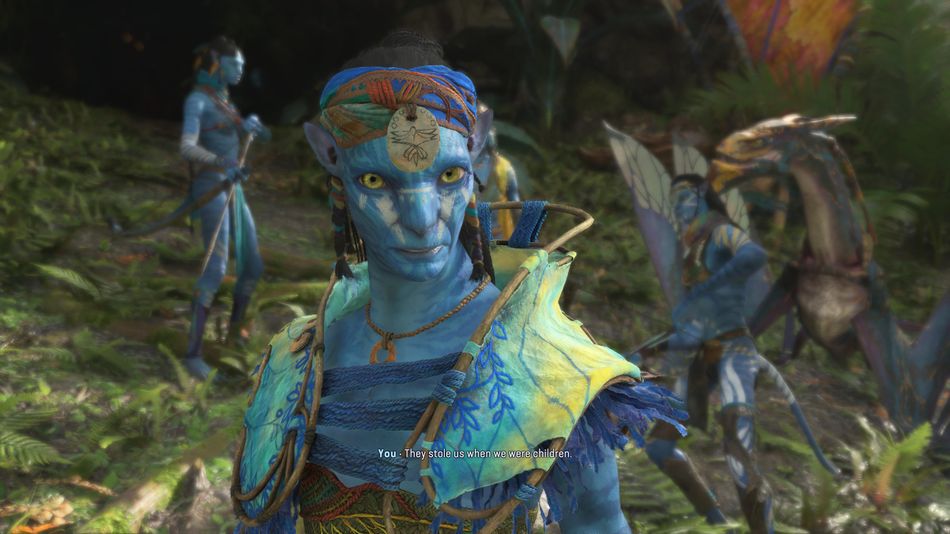
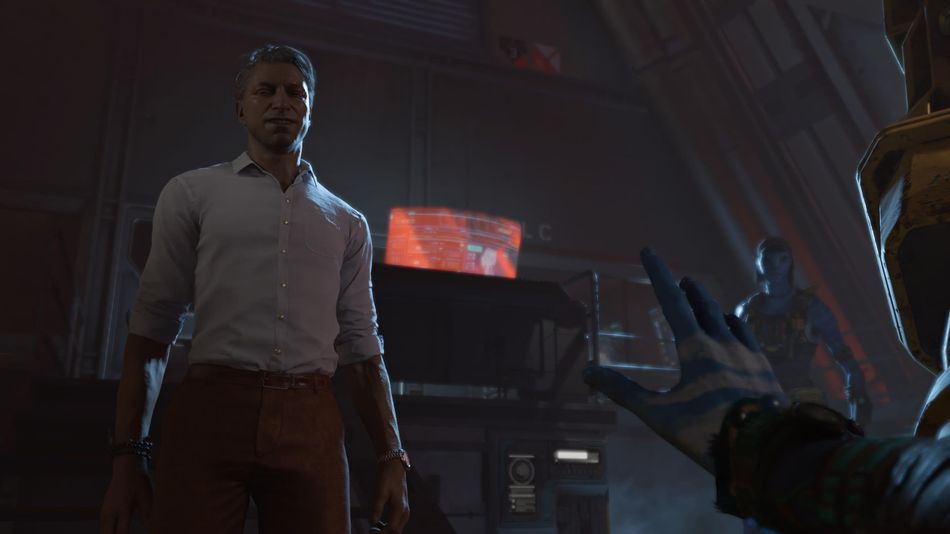
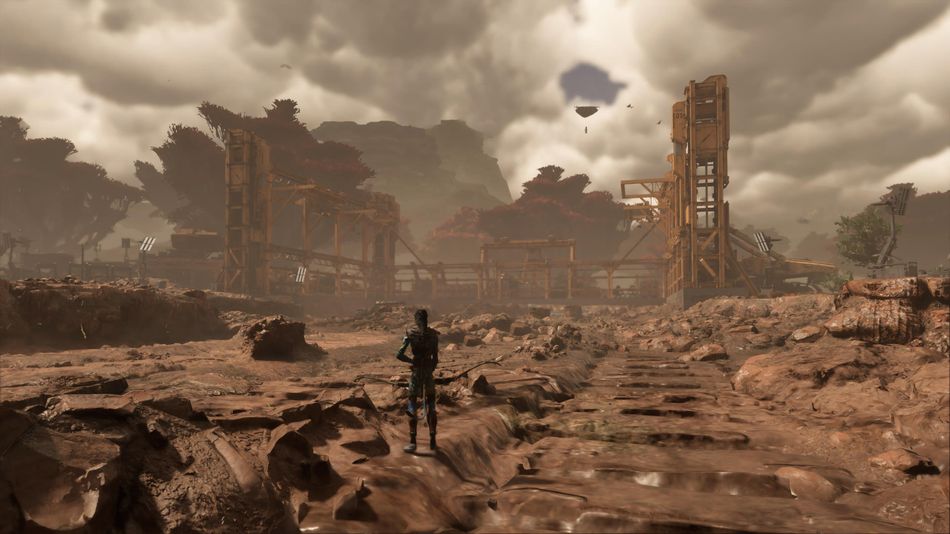
The story follows a group of Na'vi children belonging to the extinct Sarentu tribe, taken by humans who imposed themselves as their saviours. These children, along with the main character, escape from this imprisonment in an unexpected turn of events. The main character then joins a resistance movement composed of both humans and Na'vi dedicated to the welfare of Pandora. This movement opposes the RDA, the company responsible for kidnapping the children, which is causing ecological devastation through unplanned resource extraction on this enchanting moon.
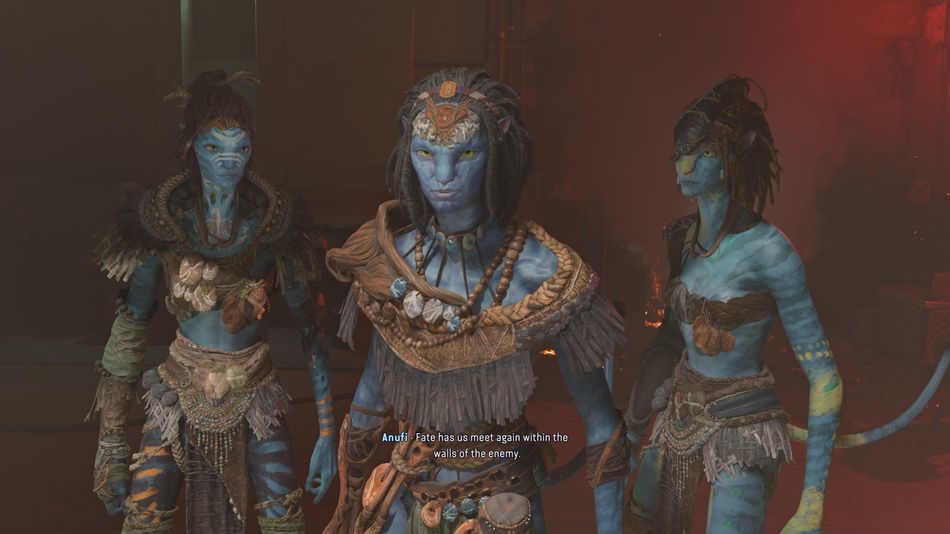
Similar to other facets of this game, the story begins in a straightforward manner without significant intrigue, making it almost entirely predictable. However, as the game approaches its conclusion, the narrative significantly grows in importance. This is not necessarily due to exceptional storytelling but rather the emotional depth and the incredible connection the main character forms with the world of Pandora.
The ending lacks particular intrigue or unpredictability, and it doesn't carry the same tragic weight as seen in other Ubisoft games. However, it proves quite satisfying and rewarding. When the credits roll, it genuinely warms the heart—at least, that was my experience.
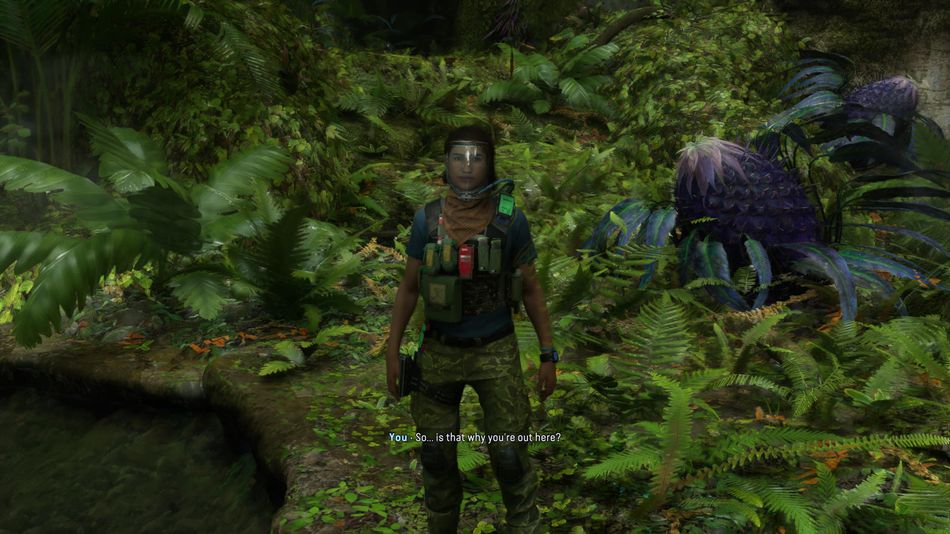
Noteworthy commendation goes to the character development portrayed in this game. At the start, players have the opportunity to create a character with ample options, resembling a genuine RPG experience. Contrary to my initial expectations of encountering another stereotypically mute protagonist, Ubisoft took it a step further.
The character was given three voices—two male and one female. The voice I chose (Patrick Abellard) proved to be truly exceptional. I can confidently assert that I haven't witnessed such high-quality character development, transforming from a scared boy to a formidable warrior, since the likes of Jason Brody in Far Cry 3 and Lara Croft in Tomb Raider 2013.
Beyond the main story pursued through the main quests, there are numerous side stories scattered throughout Pandora that you can explore. Almost every quest line proves to be captivating, and even many collectibles harbour fragments of story and lore. These elements further enrich the already intricate lore of the Avatar universe.
As previously mentioned, the narrative unfolds through quests, but that's not the sole avenue for discovering the unfolding events. During exploration, you'll encounter numerous documents and audio logs that contribute to the story. They are concise and not overly tedious, making it worthwhile to read each one and delve deeper into the people and events of the Western Frontier.
In a nutshell, the narrative of Avatar: Frontiers of Pandora may not be mind-blowing, but the compelling main character, his connections with other characters, and the emotional bond forged with the world and its inhabitants contribute to a story that is touching and ultimately quite intriguing.
Gameplay
The gameplay mechanics, much like other aspects, unfold gradually—emphasizing "very gradually." In fact, the initial few hours of the game might prove somewhat tedious, as your activities mainly involve walking from one place to another and completing quests.
I get the impression that Ubisoft intentionally designed this slow introduction to allow players to immerse themselves in the captivating atmosphere of Pandora during the initial hours. However, they seem to have overlooked a crucial aspect: James Cameron already mesmerised us with the beauty of Pandora in 2009, and everything since then feels like an attempt to replicate what we witnessed. The rendition of Pandora presented by Ubisoft is far from unimpressive, but as mentioned, it feels like a familiar sight—something we've already experienced.
At its essence, Avatar: Frontiers of Pandora can be classified as an FPS action-adventure featuring sandbox and RPG elements, unfolding in the stunning yet perilous expanse of the Western Frontier of Pandora, divided into three distinct areas.
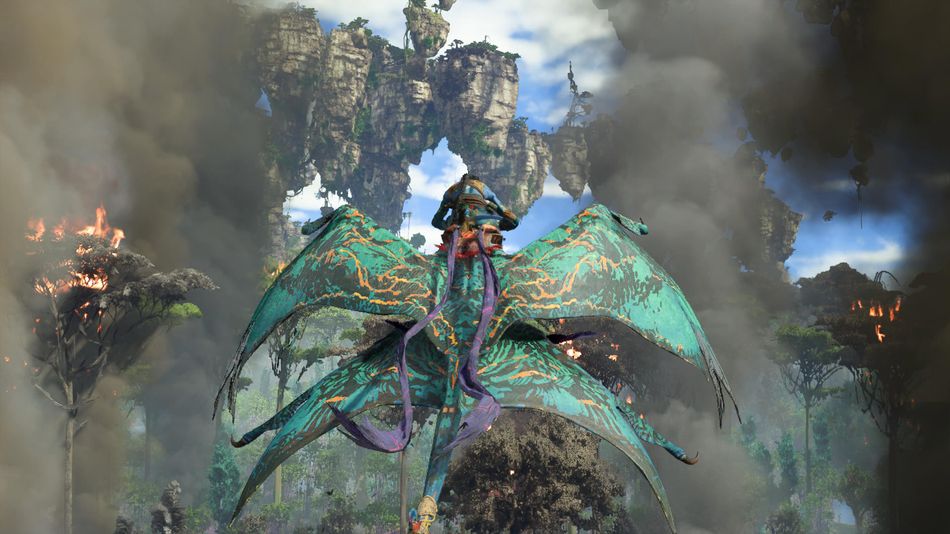
The gameplay experience can be segmented into quests and supplementary exploration, involving the collection of numerous items, hunting wildlife, gathering resources from plants, scanning flora and fauna, crafting weapons and armour, riding direhorses and ikran, and much more. It might seem like another classic Ubisoft title, but trust me, Avatar: Frontiers of Pandora is much more than that.
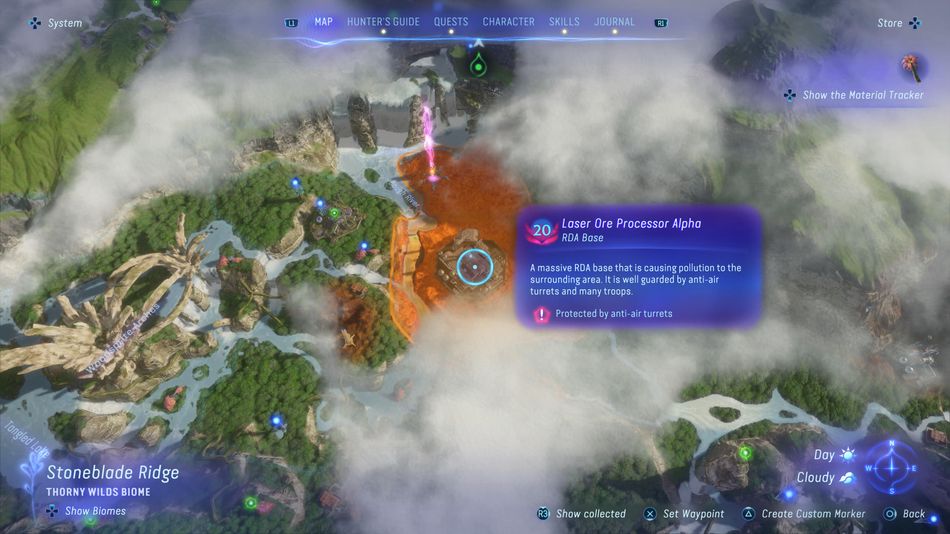
For instance, in the case of exploration, the approach differs from previous Ubisoft games. In earlier titles, the process involved finding viewpoints scattered across the vast map, scanning them, and revealing everything in the form of question marks to explore. Avatar: Frontiers of Pandora adopts a distinct method. There are no viewpoints, and instead, you manually unfog the map by traversing through it. As you explore, purple dots emerge on the map, signalling nearby points of interest. Your task is to locate them by using Na'vi Senses to scan the area, identify the general direction, and then search for the specific item or location.
This form of exploration adds a compelling aspect to the research experience. Unlike some other games where quests are often tracked using a compass, in Avatar: Frontiers of Pandora, they are only visible in Na'vi Senses as a white dot, indicating the general direction. The entire game revolves around exploration, and given the setting in which the game unfolds, this approach proves to be highly effective.
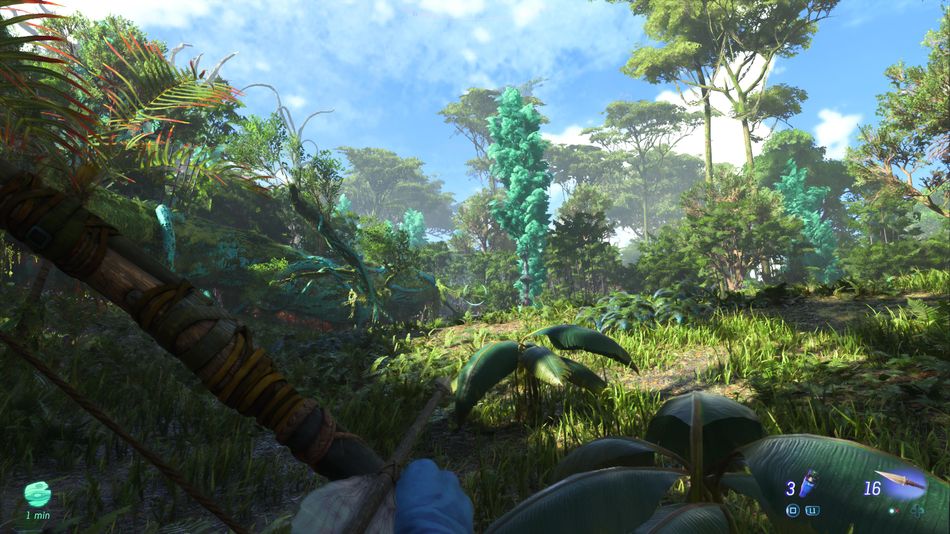
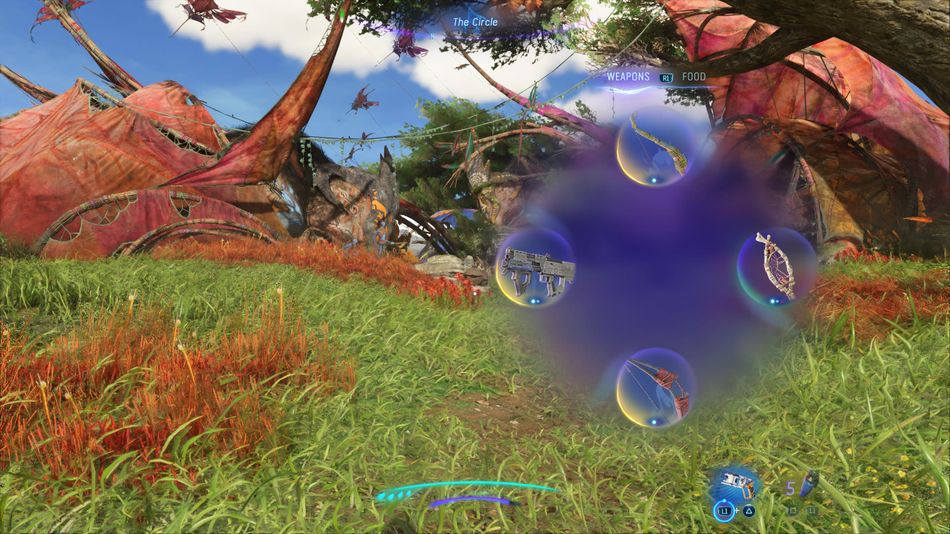
The game features a limited selection of weapons, with only seven types available throughout the entire gameplay. However, you can carry up to four at a time, and they can be easily swapped in the menu. The arsenal includes three different types of bows and arrows, a spear thrower, a device for setting explosive traps, an automatic rifle, and a shotgun. Enhanced versions of each weapon can be discovered in the game world or crafted at special locations known as crafting tables.
The shooting mechanics for both Na'vi and human weapons are excellently executed and provide a satisfying experience. The impact and force of shooting an arrow, in particular, are so well conveyed that players can truly feel the power behind each shot. Kudos to the developers for this immersive aspect of the game.
Beyond weapons, our Na'vi hero can also use various pieces of equipment that serve both a cosmetic purpose and provide defensive capabilities. Equipment is categorised into parts, and each armour and weapon part comes in three tiers: fine, superior, and exquisite. Armour can also be crafted on crafting tables using various designs obtained through exploration or as rewards for finishing the missions.
When discussing crafting, it's essential to highlight the exceptional work done by the developers in this aspect. Crafting requires materials gathered from the world, which come from both plants and animals. To craft a single piece, you typically need two to three different materials. As materials are also categorized by quality tiers, you'll have to search for them in specific locations.
These locations are not explicitly marked but are indicated with general clues. Furthermore, to create new equipment, you require designs, which can be obtained from artisans in settlements. For higher-quality designs, you'll need to build better relationships with the locals by completing quests or improving the overall quality of life in their area, often by eliminating enemy influence.
This leads us to another facet of the game—enemy camps. If you believed that a Ubisoft open-world game could exist without camps, you'd be mistaken. The camps are categorised into larger RDA outposts and smaller RDA installations. Nonetheless, it's noteworthy that, despite their abundance, each camp is uniquely designed. They manage to avoid the monotony seen in some previous games, such as the Far Cry or Ghost Recon series.
A crucial aspect of gameplay in Avatar: Frontiers of Pandora is aerial gameplay, specifically riding the ikran. I highly recommend saving any research or collecting collectibles until you gain access to the ikran, as it significantly speeds up travel. The flying experience itself is satisfying, although aerial combat is somewhat clumsy and challenging to execute.
Similar to other Ubisoft games, Avatar: Frontiers of Pandora features a skill tree divided into two tiers: conventional skills, which you unlock with earned skill points, completion of missions, or finding specific collectibles that grant a skill each, and ancestor skills, discovered in the world at special locations connected to Eywa.
Avatar: Frontiers of Pandora offers a vast and intricate gameplay experience that can keep you entertained for many hours. Despite the official estimate suggesting you can complete the main story in 10 to 15 hours, Ubisoft has introduced an interesting twist. In this game, there is no traditional levelling system; instead, there's the Power level. You enhance your power level by equipping yourself with superior gear and acquiring skills. Each mission or enemy camp has a specific power level requirement, and while attempting to tackle them under-leveled is possible, it's not advisable.
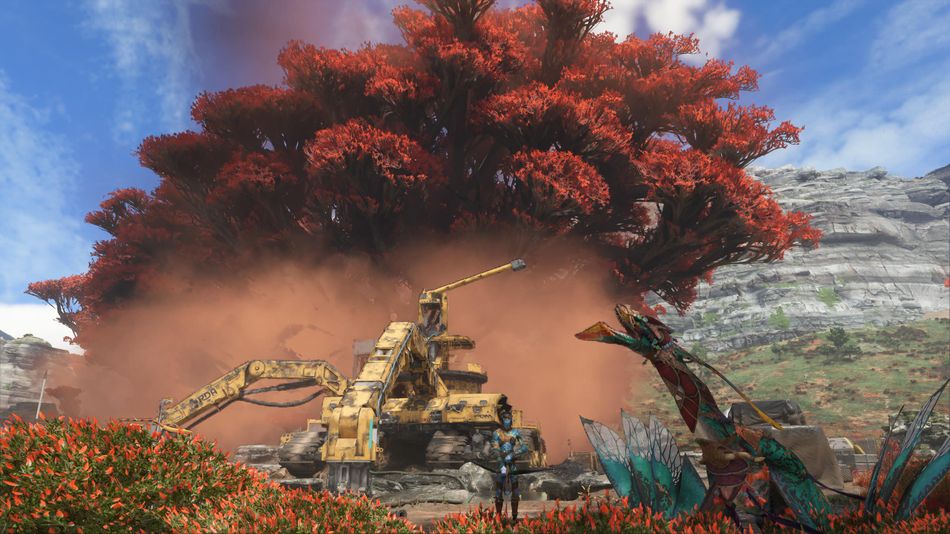
So, in order to finish a mission, you first need to achieve a certain level, and that requires additional exploration or crafting better gear, which also requires gathering resources and ultimately more exploration.
While Avatar: Frontiers of Pandora features three difficulty levels, attempting to confront overleveled enemies, even in the easiest setting, can be perilous. This situation compels you to invest more time in the game, preventing a swift progression through the main missions.
Graphics, Performance, and Sounds
Ubisoft has once again demonstrated its prowess in crafting visually stunning games with Avatar: Frontiers of Pandora. In the realm of graphical excellence, this game stands out as one of the most impressive on the market, showcasing Ubisoft's history of delivering visually stunning gaming experiences.
The vibrant and lifelike world of Pandora is so immersive that it gives the sensation that the peculiar creatures inhabiting the beautiful landscapes of Pandora could leap out of the screen at any moment.
Certainly, Ubisoft didn't need to reinvent the wheel; rather, they skillfully translated the designs seen in the movies into the game. Even though some might consider it a straightforward task, Ubisoft executed it commendably.
The Western Frontier is segmented into three regions, each boasting a distinct graphical presentation. One region is a lush jungle, another is a vast plain, and the third features more hilly terrain with towering vegetation. The effects of the wind in the plains region are particularly impressive, with tall trees and grass swaying in a breathtaking display.
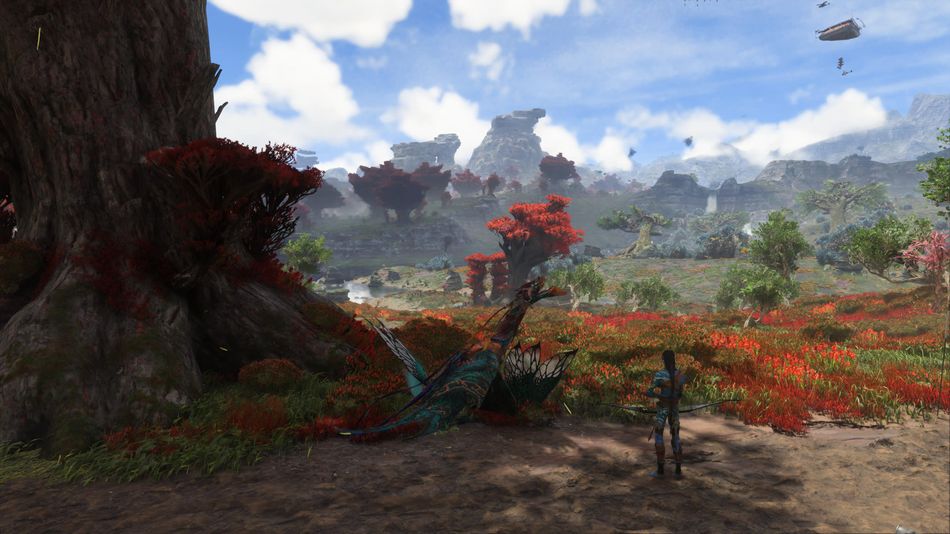
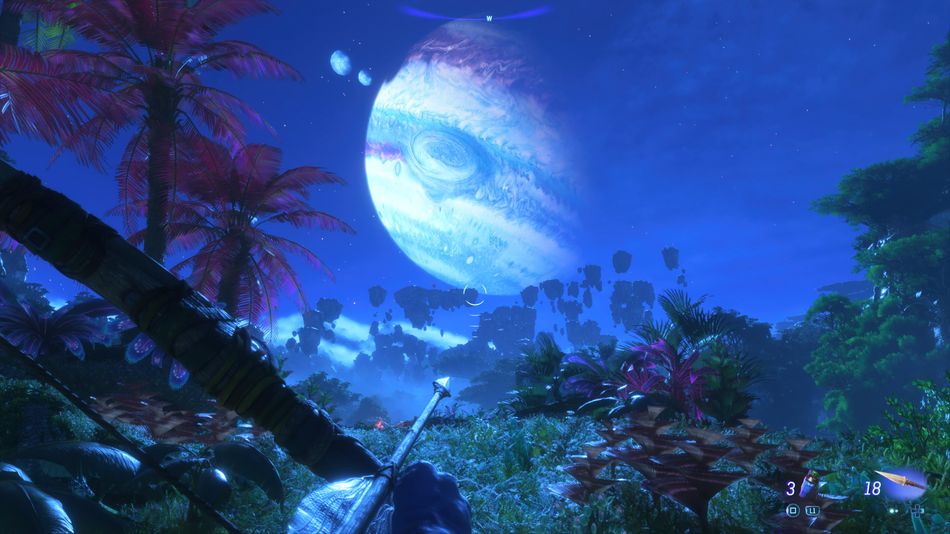
The weather conditions, including rain and thunder, are beautifully depicted. The transformation of the world when night falls adds a special beauty. The lighting effects, whether outdoors or within the confined spaces of RDA facilities, along with the naturally lit caves, are breathtaking.
The implementation of ray-traced reflections enhances the graphical presentation, particularly in caves filled with water, where vibrant flora reflects off the water's surface, adding to the overall impressive visual experience.
Rest assured, a significant portion of your gaming experience will be spent marvelling at the breathtaking landscapes. This is especially true when you ascend to great heights on your ikran, allowing you to gaze upon the expansive and beautiful world of Pandora stretching as far as the eye can see—an absolutely wonderful experience.
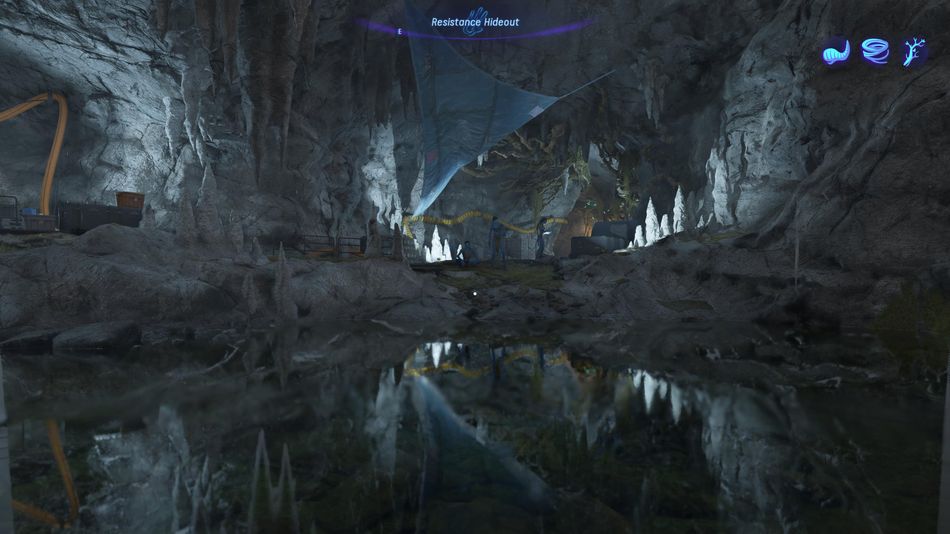
Regarding performance, my experience playing on the PlayStation 5 was exceptionally smooth, clocking in over 50 hours without encountering a single technical issue. The game offers two modes, quality and performance, and I opted for the latter, prioritising smoother gameplay with a marginal sacrifice in visual quality. In essence, both modes performed admirably, ensuring a seamless gaming experience.
The soundtrack isn't notably memorable, adhering to a straightforward rule—if you don't notice it, it's not particularly impactful. There are, however, moments of memorable music during key encounters that enhance the overall atmosphere. The sound design, on the whole, is competently executed; it's neither drawing significant criticism nor garnering exceptional praise.
Conclusion
In my assessment, Avatar: Frontiers of Pandora represents a mixed bag of the best qualities seen in Ubisoft's high-quality games. The primary drawback lies in its slow start, potentially leading many to abandon it prematurely. Yet, for those with patience, the game ultimately delivers a commendable gaming experience, leaving a satisfying aftertaste.
Featuring stunning graphics, an emotionally engaging storyline, and an immersive exploration of Pandora's enchanting world, this game promises to provide you with hours of high-quality entertainment.
The Good
 Stunning Graphics
- Emotionally engaging story
- Redefined exploration and collectibles
- Character development
- Unique research and crafting system
- Aerial gameplay
The Bad
 Slow start
- Limited weapon variety