Trending
In today's context, video games are perceived as a cohesive entity encompassing various elements: narrative, gameplay, visuals and audio, artistic interpretation, and more. To achieve a standard of excellence, a game must successfully address the majority, if not all, of these components.
As soon as you dive into the experience of playing Armored Core 6: Fires of Rubicon, it becomes evident that the creators, the renowned developers at From Software, have chosen to disregard contemporary norms. Opting for a path that defies conventional gaming standards, they strive to deliver unadulterated enjoyment along with a generous helping of exasperation. The question of whether this approach is commendable prompts varied responses. In this review, I will endeavour to present my perspective as objectively as I can.
Story
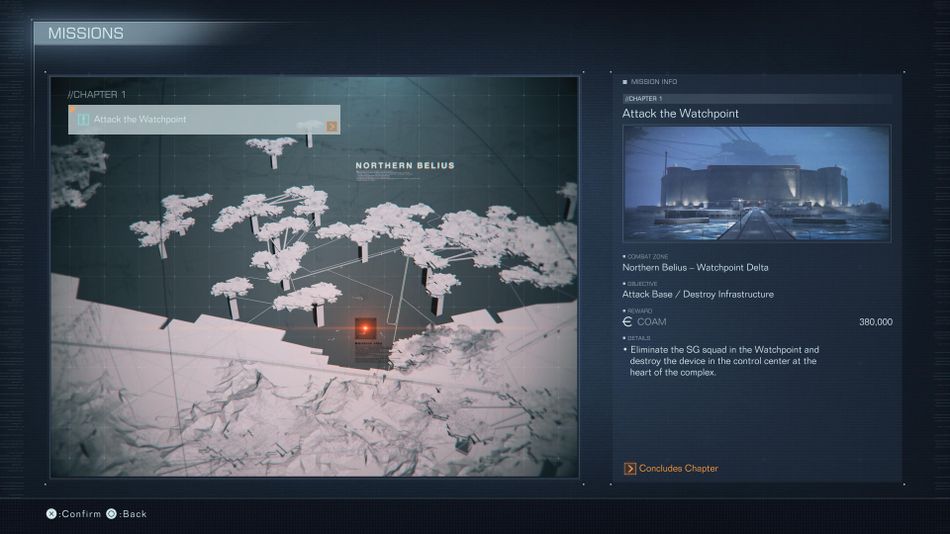
Characterising the narrative within Armored Core 6: Fires of Rubicon could best be achieved by labelling it as nearly nonexistent. Your role involves assuming the persona of a silent pilot protagonist who, from the game's outset, is entrusted with the mission to secure a valid pilot's licence. With the guidance of your handlers, you embark on the path of undertaking mercenary agreements to amass a substantial credit tally.
On the terrain of Rubicon, a desolate planet with intermittent haunting emptiness, two factions are engaged in a struggle for the planet's resources. Your involvement encompasses accepting contracts from both sides, with the intricacies of their political unrest taking a back seat until complications arise further along the way.
The narrative in this game adopts a straightforward approach: as each mission commences, you're presented with a briefing that elucidates the mission's essence. Venturing into the field, you fulfil the mission's objectives, then return to your base. Upon your return, it's customary to receive one or more messages endeavouring to elucidate recent events and provide hints for the story's progression.
Given that the narrative's significance is relatively diminished in games of this genre, I won't delve extensively into it, and the deficiency in a substantial storyline won't significantly impact the game's rating.
Gameplay
Armored Core 6 truly shines in its gameplay, a facet deserving of commendation. Its primary genre could be depicted as a third-person mech combat shooter infused with elements reminiscent of the "souls" approach, albeit within a slightly distinctive framework.
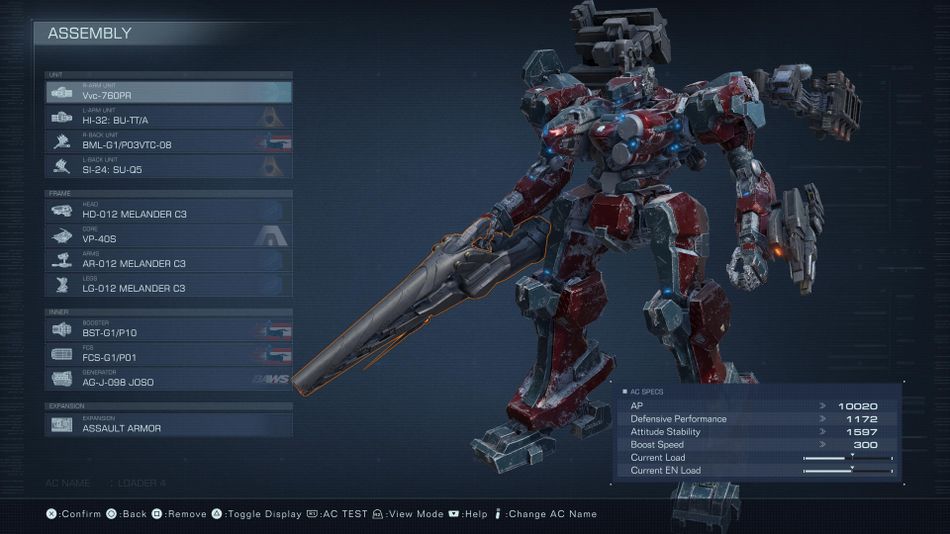
Right from the game's outset, you'll designate a mech that can undergo diverse upgrades down the line, each influenced by distinct adversaries. The primary objective of each mission will revolve around acquiring credits, which you can then invest in procuring parts to enhance your mech.
You'll find a range of weapons available for purchase, encompassing diverse categories like rifles, laser guns, miniguns, plasma and grenade launchers, and more. On your mech, you can strategically allocate weapons to the right and left hands, incorporate a missile launcher on the right shoulder, and position a shield on the left side. Furthermore, you have the option to attach various accessories to enhance energy and defence capabilities.
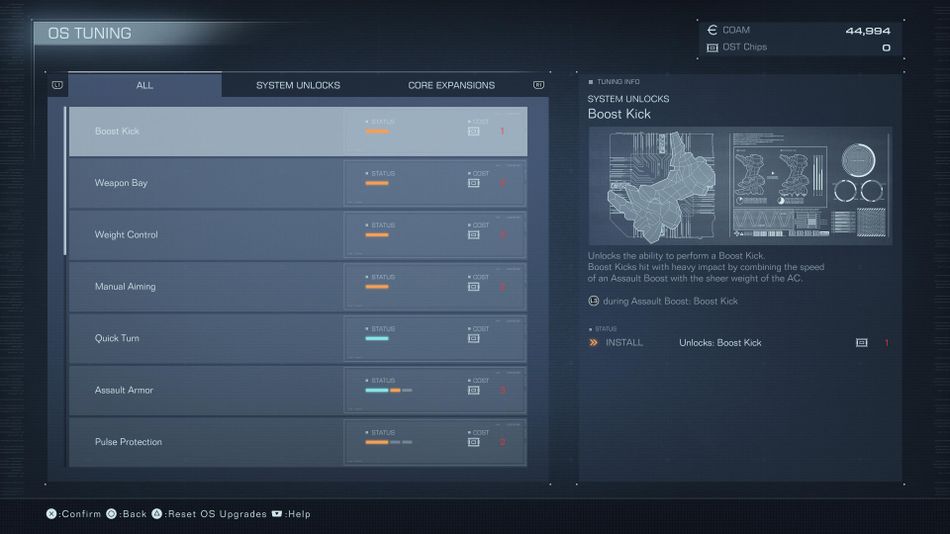
Once the opportunity is unlocked, you'll gain access to engage in assorted challenges that provide you with special materials intended for enhancing your mech's OS. The enhanced OS will grant unique functionalities that will further enhance your statistics.
Regarding the combat itself, as anticipated, it's notably demanding and intricate, a characteristic typical of a From Software creation. It's essential to note that the combat in this context differs significantly from other From Software titles such as the Dark Souls series, where calculated actions led to success. The combat dynamics here are exceptionally high-speed and heavily reliant on the mech build you design.
In certain situations, defeating a stronger enemy or boss might seem almost impossible. Yet, when you find the right setup, you can swiftly turn the tide in your favour and emerge victorious. This leads to lots of tinkering with builds and, inevitably, quite a few frustrating deaths.
Hence, your experience with gameplay in Armored Core 6: Fires of Rubicon can transition rapidly from enjoyable to vexing. This can undoubtedly prompt frequent contemplation of throwing in the towel—a sentiment I personally encountered, and not just once.
On a positive note, the game exhibits a praiseworthy trait: it offers ample checkpoints, and prior to each boss encounter, your progress is saved, sparing you the need to navigate through regular foes anew. Moreover, preceding each checkpoint, you're granted the option to load various builds or swap out your weaponry, which proves especially beneficial when facing adversaries resistant to specific types of attacks.
In regard to duration, the game boasts a relatively concise length, yet its remarkable replay value comes to the forefront. Depending on your choices, diverse bosses and alternate endings emerge, rendering the game's brevity inconsequential from this perspective.
Graphics and Sounds
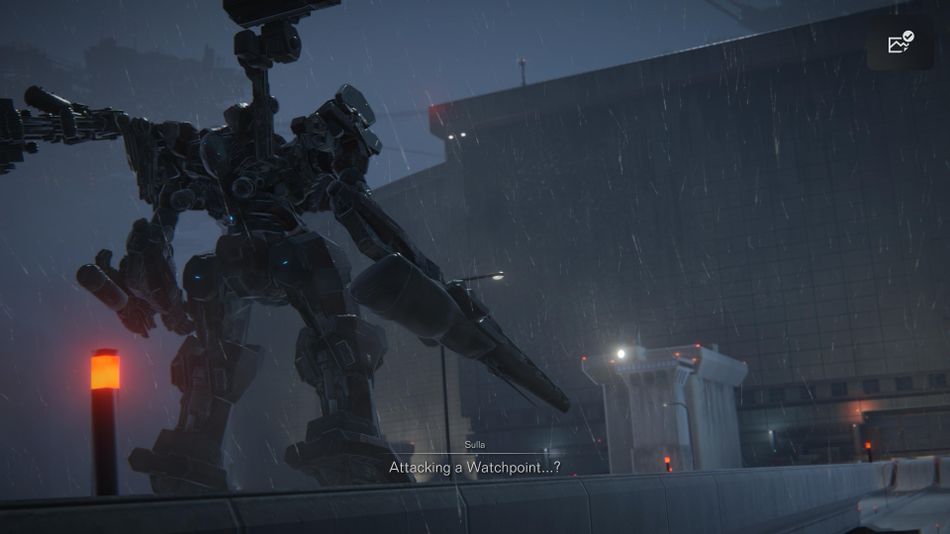
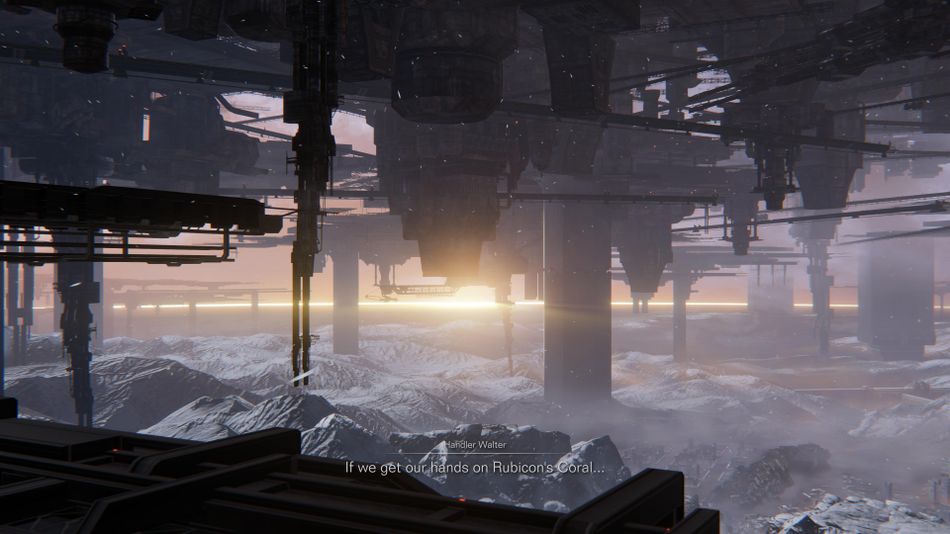
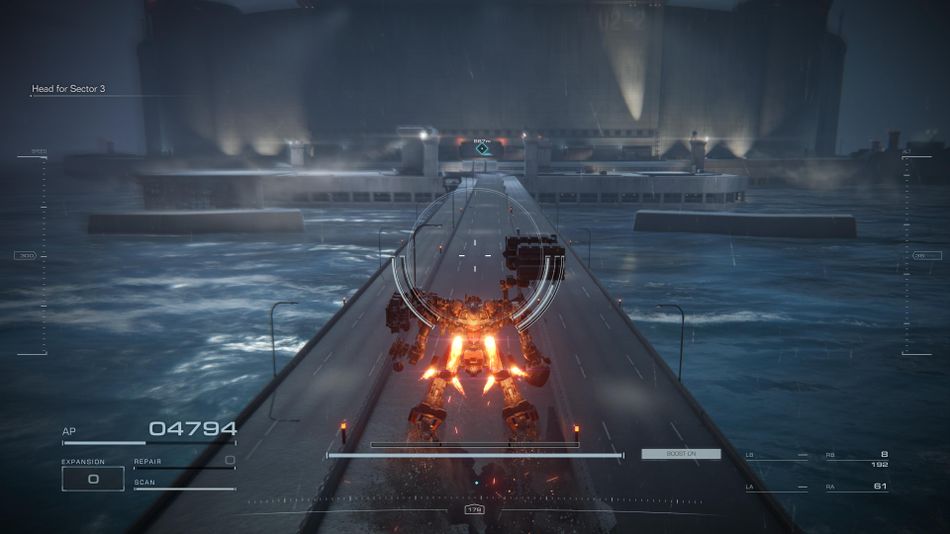
From a visual perspective, Armored Core 6 occasionally evokes a semblance to games from the PlayStation 3 era, while in other instances, it captivates with its visual allure—the distinction being contingent on the specific level being played.
Planet Rubicon stands as an abandoned mining colony, exuding an unsettling emptiness. Nevertheless, the levels are meticulously crafted, allowing the graphics to shine, particularly in environments abundant with water, where ray-traced reflections truly stand out. In my experience on the PlayStation 5, the game offers two modes: a ray tracing mode at 30 FPS and a performance mode aiming for 60 FPS. I can attest that both modes hold up well, especially in aspects concerning shadows, lighting, and other graphical components, contributing to an aesthetically pleasing experience.
One thing that bothered me about the presentation was how physics were handled in the game. Despite the planet Rubicon being abandoned, you can still see remnants of past human life, like cars and objects. However, these objects behave unrealistically, as they crumble like paper upon contact. While I get that mechs are strong, a bit more realism in this aspect would have been better for immersion.
The sounds of the mech battles are truly striking, as are the weapon sounds. The soundtrack, in particular, stands out with its top-notch quality. While not excessively loud, it leaves a lasting impression and complements the game's theme remarkably well.
Conclusion
When assessing games primarily based on gameplay and being willing to overlook their imperfections, it's safe to assert that Armored Core 6: Fires of Rubicon ranks among the top-tier titles.
However, when evaluating its comprehensiveness, several aspects are noticeably absent. This ranges from a well-crafted narrative to the requisite intricacies of mission completion. Even in terms of graphics, while the game presents a visually appealing façade, it falls somewhat short of attaining a polished appearance.
Ultimately, Armored Core 6 delivers abundant enjoyment, coupled with an equal measure of annoyance, within an experience that remains somewhat unfinished. If you believe you can endure these imperfections in an AAA game, you have my endorsement. However, if such shortcomings are less palatable to you, it might be best to bypass Armored Core 6.
The Good
 An Extremely fun combat system
- Tonnes of various mech parts and builds
- Very forgiving checkpoint system
- A huge replay value
- solid-level design
The Bad
 You will die a lot
- Missions are too simple
- Strange in-game physics