Trending
Ever since From Software introduced the Dark Souls games to us, many developers set on a mission to replicate their winning formula—to make an unforgiving game that will make your life miserable due to its difficulty but so intriguing that you won't be able to drop it even though it can get you to the edge of a mental breakdown.
Some of them succeeded, some did not, and as a result, we have a lot of Souls-likes with pretty much the same ideas but with slightly different executions. So every time a new Souls-like comes out, the comparisons with the original Soulsbornes are inevitable.
AI Limit is a true Souls-like game, with almost every single mechanic borrowed from Dark Souls games, but also with a pinch of its own originality, just enough to make it original and a recognisable addition to this famous family.
Souls-like games are a unique breed, and to truly enjoy them, you need a bit of self-punishment and a dash of masochism. I'm serious when I say this, because even regular enemies can wipe you out in just two or three hits, let alone the bosses, who are absolutely brutal.
AI Limit is, without a doubt, the true successor to the Dark Souls games in every sense. While it may appear naive and unassuming at first—almost like a lighter take on the Souls-like formula—it doesn’t take long to realise that its colourful, almost cartoonish exterior is merely a facade. Beneath the surface lies a game as ruthless and unforgiving as the very best in the genre, a true wolf in sheep’s clothing.
Story
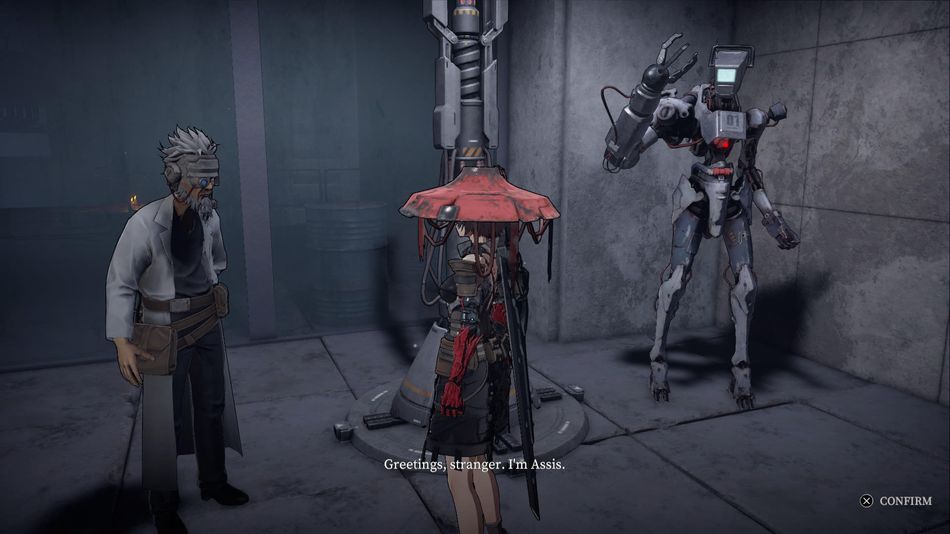
True to the Souls-like tradition, AI Limit presents its story in a cryptic and elusive way. Instead of direct storytelling, you'll uncover the story through weapon and item descriptions, scattered documents and notices found throughout the world, and mysterious and often quite complicated side quests. Following these quests is no easy task—you’ll need real persistence and a willingness to revisit areas multiple times to piece everything together.
Let me explain. Side quests in other Souls-likes are usually given by the NPCs, and AI Limit isn't an exception in this regard. However, every other game from this subgenre, the original Dark Souls games included, leaves hints where those NPCs can be found through the fast-travel menu. In AI Limit, this isn't the case. Once you meet a new quest giver, they will vaguely explain their intentions, and after you leave that certain location, they will leave too. Now, it's up to you to find them and follow the quest if you wish.
Some of them will leave some slight hints, but due to the vastness of the world, it will be almost impossible to follow them, so doing side quests will probably be the activity you skip, not because you don't want to do it, but rather because it will take too much time and too many previous areas revisits to do so.
Apart from these overly mysterious side quests, the rest of the storytelling is as vague as it comes, and if you want to grasp the story properly, prepare to read numerous item descriptions and documents. While the story may not seem particularly engaging at first—especially in the beginning, where the protagonist’s main objective feels simple, even trivial—it gradually becomes more interesting. If you invest the time and explore thoroughly, AI Limit’s narrative might just surprise you in a positive way.
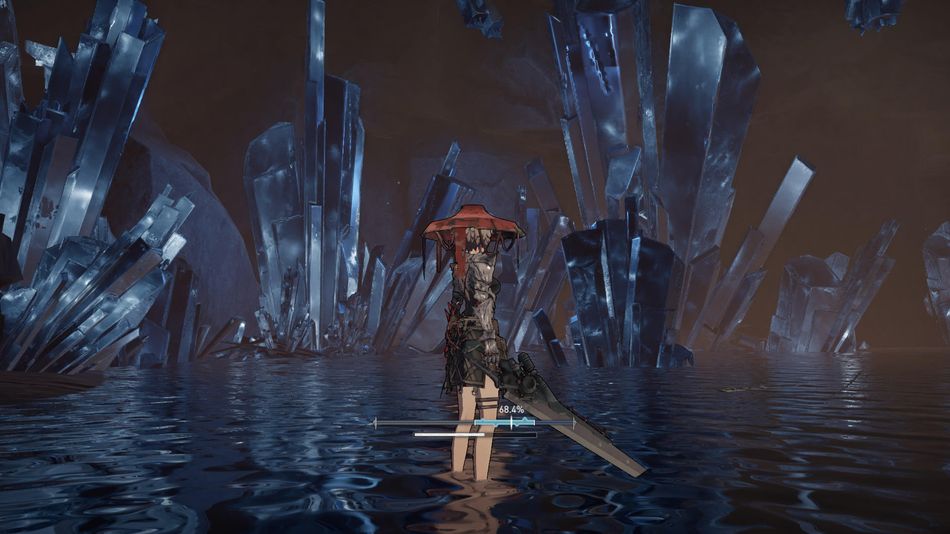
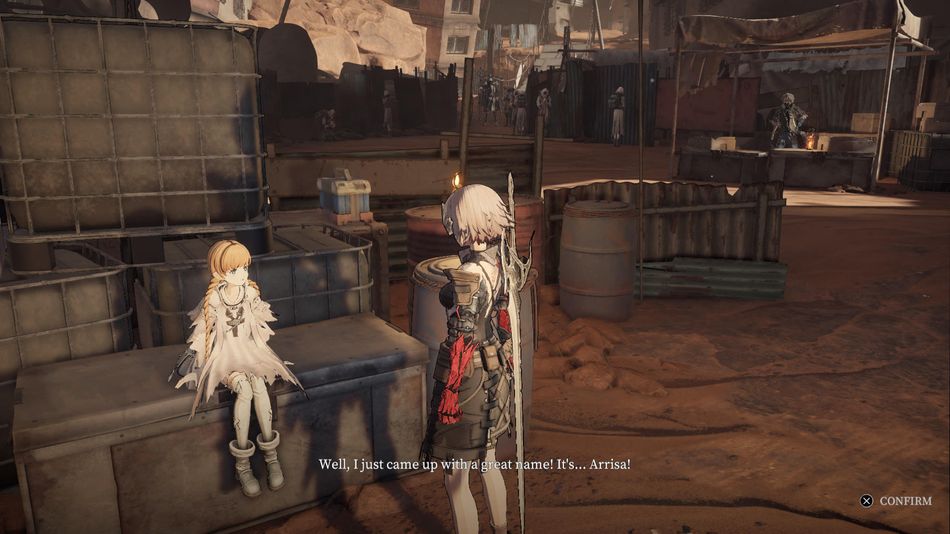
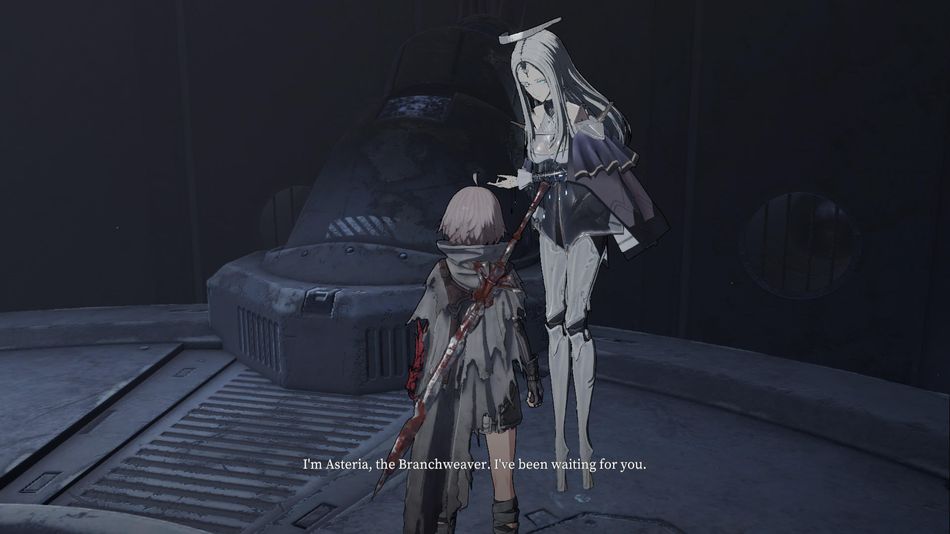
The protagonist, Arissa, is one of the Bladers—a group sworn to protect a sacred tree of life, whose branches extend across the game world. After awakening in an unfamiliar place with no recollection of her past, she is entrusted by a mysterious, ghost-like entity with the task of restoring as many of these branches as possible (serving a similar role to Dark Souls’ bonfires). As she progresses, Arissa gradually pieces together her lost memories and uncovers the truth about herself.
The game takes place in a post-apocalyptic wasteland dominated by Mud, a substance that has overtaken greenery and ravaged the planet. Creatures that feed on this Mud are highly dangerous, attacking without reason, and Arissa will have to battle them throughout her journey. Along the way, she’ll also face members of a church sworn to protect humanity, as well as a new enemy that emerges later. While the story remains cryptic and difficult to piece together, its intrigue, combined with the game’s punishingly challenging gameplay, will keep you pushing forward to uncover how it all ultimately unfolds.
Arissa herself adds an extra layer of charm to the story, making her a particularly intriguing character. Her complete lack of awareness about the world around her gives her a certain naivety, leading to moments where her dialogue can be unexpectedly amusing—especially when she asks questions with blatantly obvious answers. Despite the game’s overall dark and oppressive atmosphere, her innocence and unintentional humour serve as a refreshing touch of light in the bleak post-apocalyptic setting.
Gameplay
Regardless of how good or bad the story in a Souls-like game may be, the truth is that these games are never judged by it. We play those games for one main reason—the exceptional gameplay. In that regard, AI Limit holds its own and stands close to the best titles in this popular subgenre.
When I mentioned at the beginning of this review that AI Limit closely mirrors the gameplay of the original Dark Souls, I meant it—but not in terms of setting or overall atmosphere. While Dark Souls is rooted in dark fantasy, AI Limit takes place in a futuristic world. However, when it comes to gameplay mechanics and execution, it feels almost identical to Dark Souls and Elden Ring.
Character movement, roll and dodge mechanics, and the heavy emphasis on precise execution all closely mirror the Dark Souls games—almost to the point of being directly lifted from them. Because of this, AI Limit delivers an experience that, in terms of combat and overall gameplay, comes remarkably close to being perfect Souls-like.
Speaking about combat, I must say that it is brutally hard—well, perhaps not so much hard for the Souls veterans, but if you're a newcomer to this genre, expect the highest level of frustration. The enemies hit hard, and they can kill you very easily, so in order to survive, you'll have to carefully plan every step, trying to anticipate enemy movements and possible ambushes.
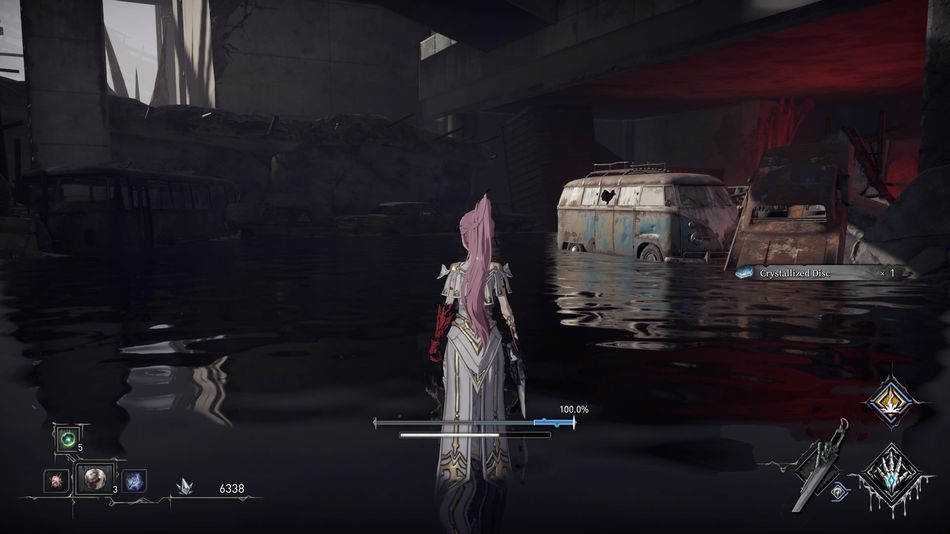
The levels are linear and very well designed, full of shortcuts, locked doors that can be unlocked if you manage to find keys for them, and the famous doors that can be opened from the other side. Also, you'll find a lot of shortcuts that can connect different levels, and in true Souls fashion, once you see an area you cannot possibly access, if you're patient enough, you'll uncover that path later in the game. Basically, everything you might expect from Souls-like, you'll find here.
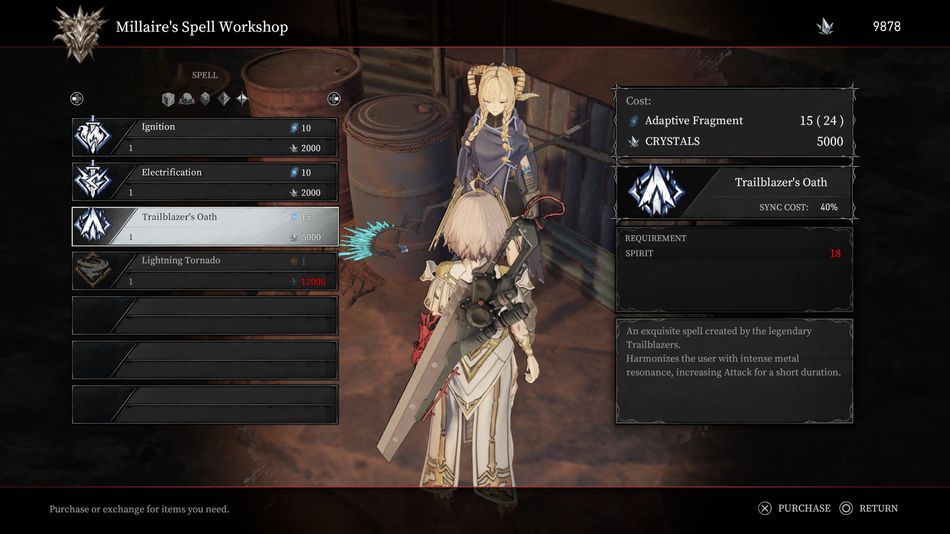
The combat in AI Limit is preferably melee, with a lot of swords, axes, and polearms at your disposal. Apart from melee weapons, Bladers can use spells too, and using this mechanic is directly connected to AI Limit's unique feature, Synch System.
Just next to your health bar, you'll find the synch bar, which fills up as you cut down your enemies. The higher the synch bar value, the more damage Arissa’s attacks deal. Special moves like spells, shield usage, and parries all consume synch bar energy, and if the bar drops below 50, these abilities can no longer be used. This mechanic adds an interesting layer to the gameplay, requiring you to constantly manage your synch bar, adding an extra level of challenge to each battle.
AI Limit includes many familiar features from Souls-like games, such as healing during combat, weapon upgrade items, and armour, which don’t need much elaboration. However, one noteworthy mechanic is the loss of crystals (similar to souls in Dark Souls). Upon death, you won't be able to retrieve your crystals as you would in other games. Instead, a portion of them will be permanently lost. This system encourages you to avoid heading into unknown territory with a large stockpile of crystals, prompting you to spend them on items and levelling up to prevent unnecessary losses.
Speaking of upgrades, levelling up in AI Limit follows the same system as other Souls games. You use crystals to increase your character’s level, with upgrades available in familiar categories like vitality, stamina, technique, strength, and more. It’s a system that mirrors what you’d find in other Souls-like titles.
One aspect that truly surprised me was the absence of stamina management. In AI Limit, Arissa has unlimited stamina, so you won’t need to worry about her tiring out during battles. While this is certainly a relief, especially given the agility of the enemies, it’s worth noting that such a mechanic might have been unnecessary anyway, but it’s interesting that it’s completely absent.
As I mentioned earlier, the levels are generally linear, and you'll often follow a set path. However, AI Limit offers plenty of freedom to explore, especially in the later levels. Each level introduces additional pathways, some of which lead to entirely optional areas with their own optional bosses to discover.
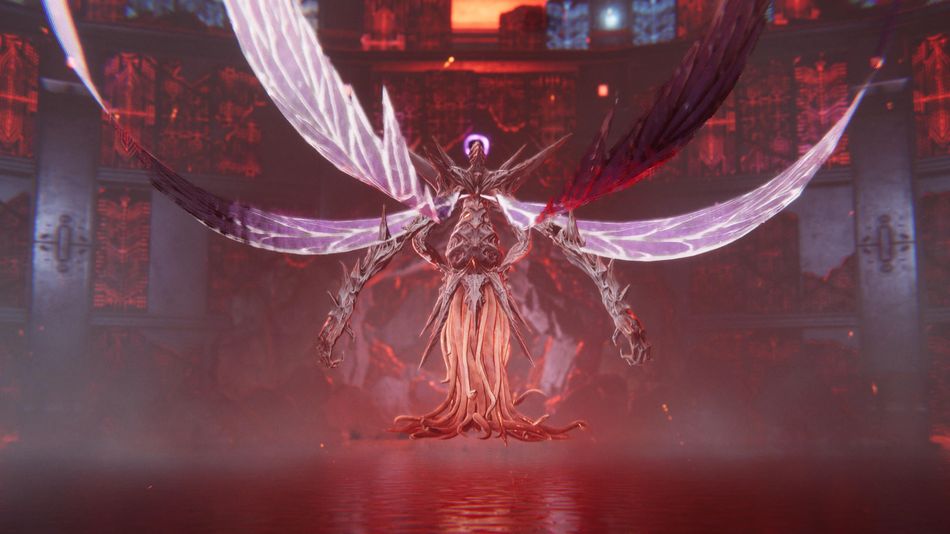
Speaking of bosses, it’s worth highlighting that each boss encounter is a moment to cherish in AI Limit. Each area or level features at least one boss, and while there aren't so many that the game feels like a constant boss rush, there are enough to provide significant challenges along the way.
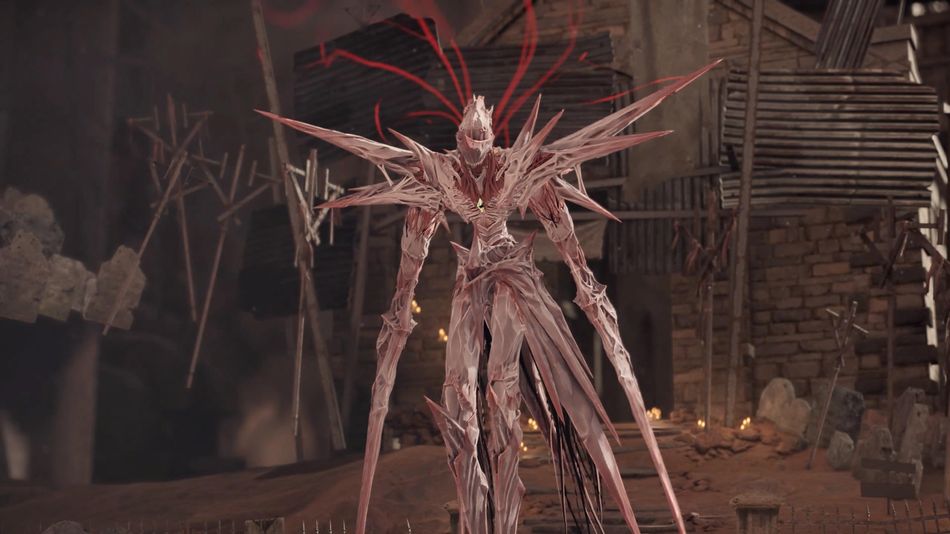
One thing I noticed during the boss fights is the inconsistency in dodge and parry timings. Almost every boss encounter requires you to learn the precise moment to press the dodge or parry button—sometimes half a second earlier, other times later—and it’s never entirely clear, as you'll need to figure out the timing for each boss individually. While this can be frustrating, it also adds a unique layer of difficulty and challenge to the gameplay, and it's up to you to decide whether it will please or frustrate you.
Another point worth mentioning, and a fitting way to conclude the gameplay discussion, is the complete lack of any form of assistance throughout the game. Unlike other Souls-like titles that offer summon options—whether through real online players or AI companions—AI Limit has none of that. If you were hoping for help like the Mimic Tear in Elden Ring or the Specter in Lies of P, I’m afraid you’ll be disappointed. Here, it’s all about facing bosses the traditional one-on-one way. There is one boss near the end where you can fight alongside a single ally, but this encounter is more scripted and tied to the story than an actual gameplay mechanic.
To wrap up the gameplay discussion, everything you’d expect from any Souls-like game is present here, along with some great additions. The gameplay is tough, challenging, and most importantly, engaging. I’m confident that AI Limit will become a favourite for streamers, who will likely embrace it for various challenges and speed runs.
Graphics, sounds, and performance
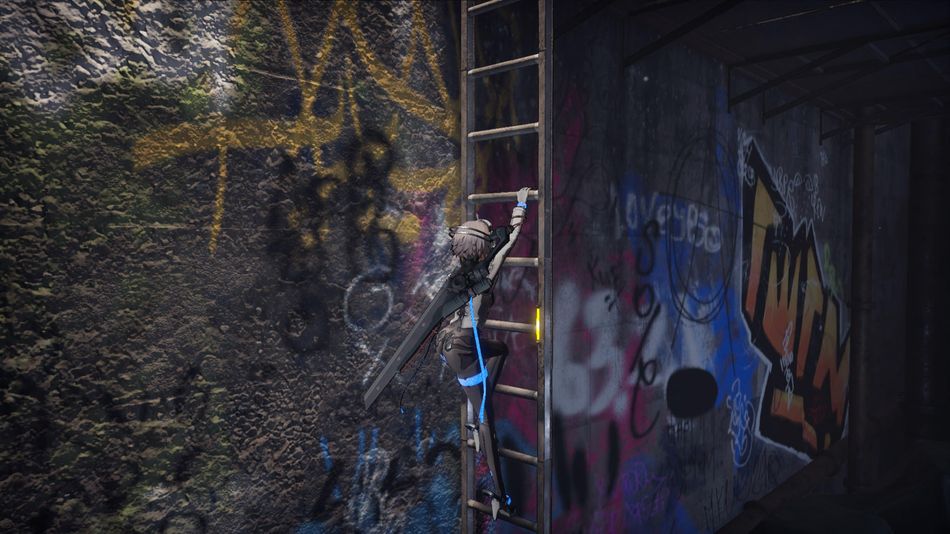
While the gameplay in AI Limit is undeniably impressive and challenging, the same can’t be said for its graphics. Don’t get me wrong, AI Limit is a visually appealing game, but it doesn’t quite match the visual impact of some other similar titles. That said, the developers’ approach to depicting the bleakness of the post-apocalyptic world is quite intriguing, to say the least.
The game’s visual style is anime-inspired, featuring anime characters and cel-shaded graphics that have their own unique charm. However, when you take a closer look and compare it to other similar titles, some noticeable flaws become apparent. For instance, certain NPCs appear with blurry and undefined lines, which can make them look quite unappealing, and there’s a lack of sharp, well-defined textures. It gives the impression that the graphical presentation was somewhat neglected in favour of other aspects of the game.
That said, credit where it's due—the level design in AI Limit is truly impressive, particularly in terms of its visual execution. Given that the world is essentially a collection of ruins from a bygone era, devoid of any signs of life, the levels are crafted so well that you’ll frequently find yourself admiring the haunting scenes of emptiness and decay.
However, as the game progresses towards its end, it feels like the developers may have run out of fresh ideas. Instead of introducing new areas, they opt to revisit previously explored levels, offering a different perspective or an altered layout, which can feel like recycled content.
The sound design in AI Limit is equally impressive, perfectly capturing and even intensifying the game’s bleak atmosphere. Throughout your exploration, you'll often hear continuous, monotonous music that adds a haunting quality to the environment, elevating the mood to another level. It’s a testament to how even the simplest musical composition can have a profound impact on the overall experience and atmosphere of the game.
In terms of performance, I experienced no issues on PlayStation 5. The game runs by default at 60 FPS, with no option to choose between fidelity and performance modes. The only customization available is the choice of antialiasing method, though I must admit I didn’t notice any significant difference between the options provided.
Conclusion
If you're a fan of Souls-like games and craving that unique experience, look no further—AI Limit is exactly what you’ve been searching for. Packed with all the familiar Souls mechanics and a few additional twists, it will more than satisfy your craving for challenging gameplay.
With this one, Sense Games, the developers, didn’t try to reinvent the wheel. They stack to the proven formula that brought so much success to so many titles before without even trying to change anything, and I must be honest, I wouldn’t want it any other way.
The Good
 Faithful to Dark Souls gameplay mechanics
- Brutally challenging combat
- Unique Synch System adds depth to gameplay
- Impressive boss design and encounters
- Intriguing and cryptic storytelling
- Strong atmosphere enhanced by sound design
- Beautiful level design, capturing the post-apocalyptic world
The Bad
 Side quests can be difficult to track and require revisiting areas
- Inconsistent dodge and parry timings in boss fights
- Late-game content feels recycled with reused levels