Trending
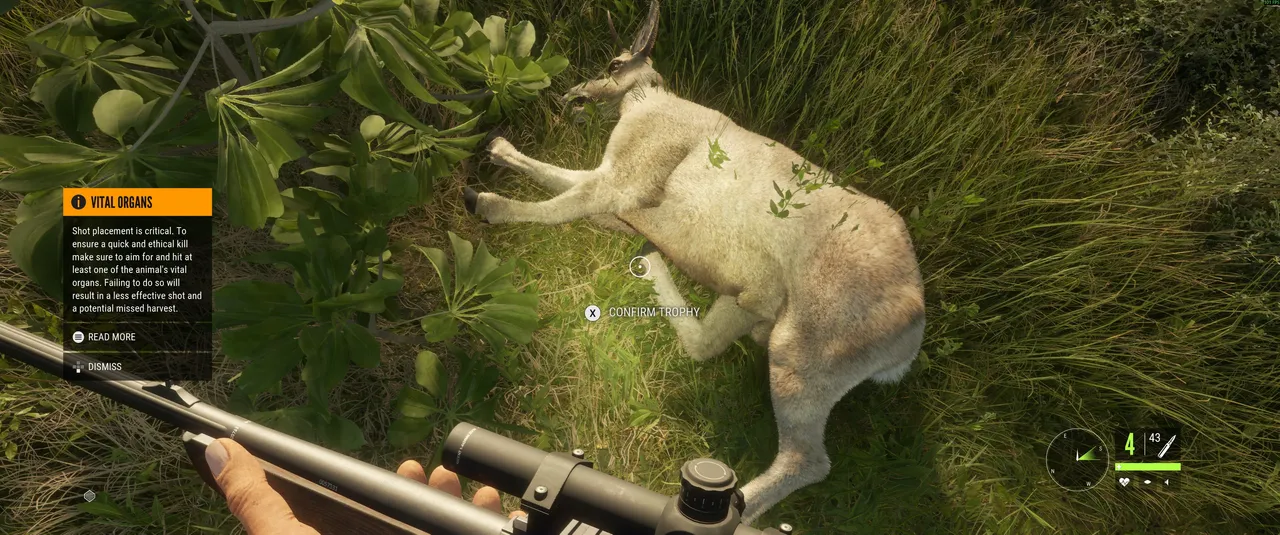
Given that I picked up theHunter: Call of the Wild rather late, I did not have the chance to work my way through every existing hunting ground before this review. I did, however, complete a decent chunk of the default map along with its tutorials before jumping straight into the new Peru reserve, and that turned out to be a smart move. Even if you are coming into this game purely for the Intisuyu DLC with zero prior experience, the developers have done a genuinely good job making sure you are not thrown in blind. The tutorial systems carry over completely, and newcomers heading straight for Peru will still be treated like first-time hunters rather than left to figure things out on their own.
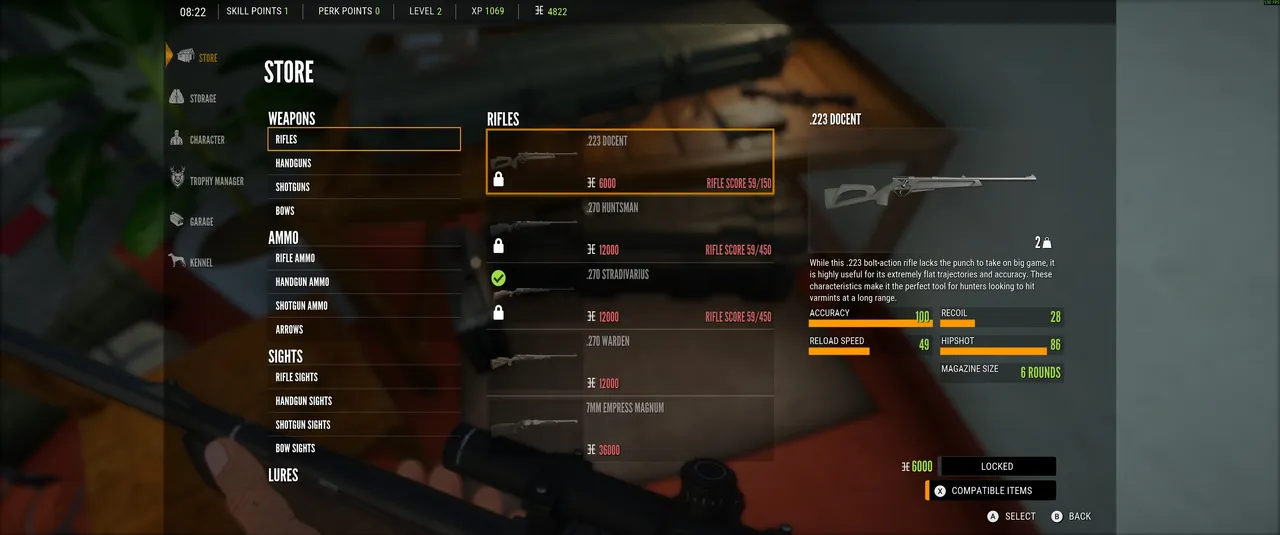
Once you do step into Intisuyu, the core hunting mechanics will feel instantly familiar to anyone who has played this game before, and that is both a good and a bad thing at the same time. You begin with a solid arsenal of weapons and tools at your disposal, with the option to purchase new gear, upgrade what you already own, and unlock perks that will turn you into a more capable hunter. None of this has changed, and none of it needed to. It works, and it still works well here.
The story, such as it is, remains almost entirely beside the point. You are introduced via radio to two new characters, Maria and Freddy, who help you settle in this unfamiliar territory, but your goal stays exactly the same as it has always been: you are here, mainly, to help protect endangered species from extinction. How shooting and mounting trophies of said endangered species actually contributes to their survival is a question the game vaguely answers in a way that you must cull the unhealthy animals, but this explanation just didn't satisfy me. Will it be okay with you? It's all up to you at the end of the day. It is best not to think about it too hard and simply enjoy the hunt.
Same Hunt, New Scenery
For long-time players of the series, the honest truth is that Peru does not bring anything groundbreaking to the table apart from its new, region-specific animal roster. Capybaras, jaguars, vicuñas, and the rest of Intisuyu's wildlife are a welcome change of scenery, and the verticality between the Andean foothills, misty cloud forest, and dense river jungle does add some visual variety. But mechanically, this still feels like a reskin rather than something genuinely fresh. If you were hoping the jump to South America would shake up how the game plays, you will likely come away a little disappointed. The bones underneath are exactly the bones you already know.
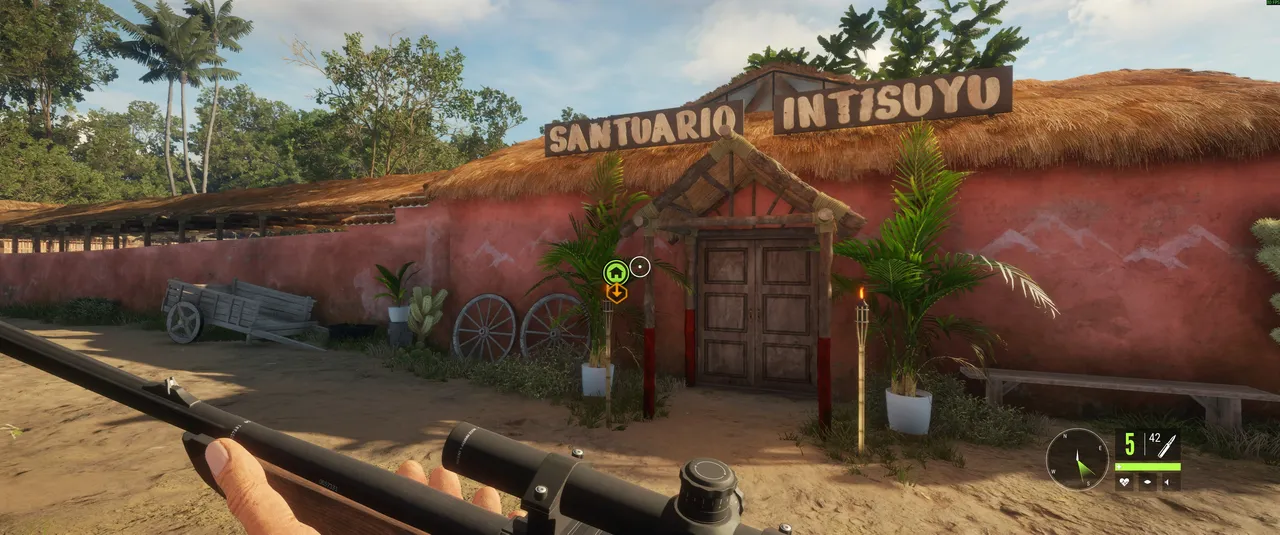
Where Intisuyu does succeed is in the structure it builds around its three biomes. The Andean foothills favour long-range precision the way the franchise always has; the cloud forest offers a calmer, more exploratory middle ground complete with an animal sanctuary; and the dense jungle forces you into close-quarters, stealth-driven encounters where the jaguar rules unchallenged.
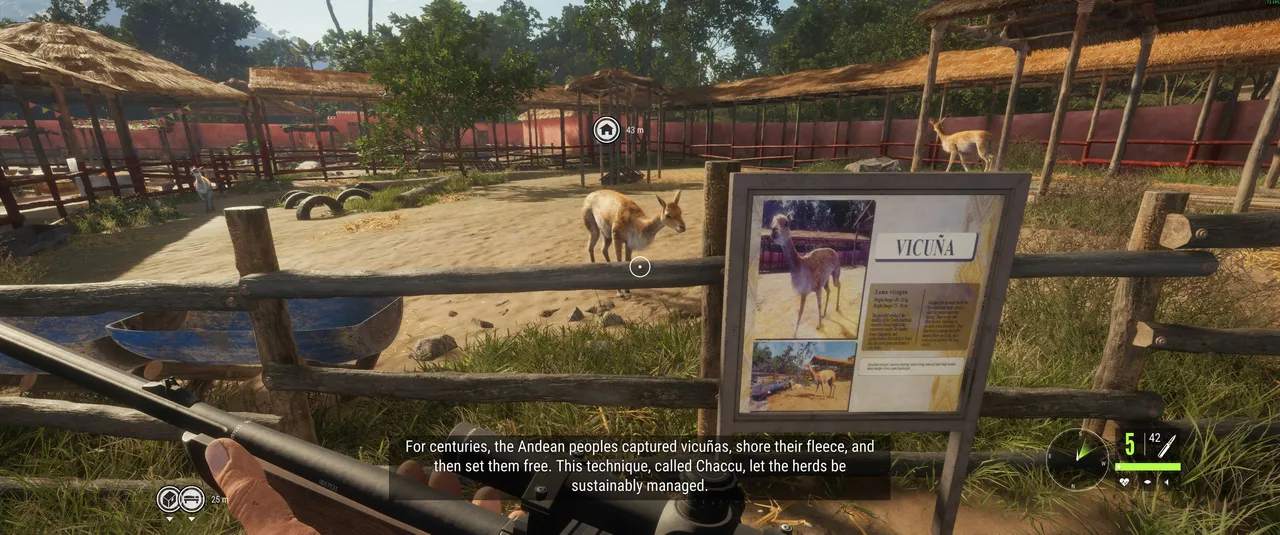
Moving between these zones does require rethinking your loadout, and that adaptability is the strongest argument in the DLC's favour. The new Dahler Reverse Draw CB-150 crossbow fits neatly into that philosophy too, giving jungle hunters a quieter option when announcing your position to a nearby predator is the last thing you want to do.
The sixty new story missions and the Notice Board system, which lets you choose between hunting, exploration, or volunteering at the sanctuary, add reasonable structure without overcomplicating things. None of it reinvents how you spend your time in the game, but it is a sensible way to keep you moving from one objective to the next.
Performance and Visuals
On the technical side, I have very little to complain about. Running on my PC, performance stayed comfortably above 100 FPS all the time while playing the game, without a single hiccup worth mentioning. The visuals, particularly inside the jungle biome, look perfectly decent, with thick vegetation and shifting light doing a reasonable job of selling the danger lurking just out of sight. That said, nothing here pushes the visual bar beyond what this game has already shown us in previous reserves. It is a good-looking map, but not a remarkable one by the series' own standards.
Conclusion
Peru Hunting Reserve is a perfectly enjoyable expansion that simply does not try very hard to surprise you. The new setting and animal roster are appreciated, the performance and presentation are solid, and the biome variety keeps things from feeling stale across a single play session. But if you came into this expecting theHunter to evolve in any meaningful way, you will instead find more of the same wearing different scenery. For series veterans, that may be exactly enough. For anyone hoping for something genuinely fresh, it likely will not be.
The Good
 Three distinct biomes that genuinely change how you play
- Strong new animal roster headlined by the jaguar
- Seamless tutorial integration for newcomers
- Excellent performance and stable frame rates
The Bad
 Feels more like a reskin
- Story remains an afterthought
- Visuals don't push beyond what the game has already shown