Trending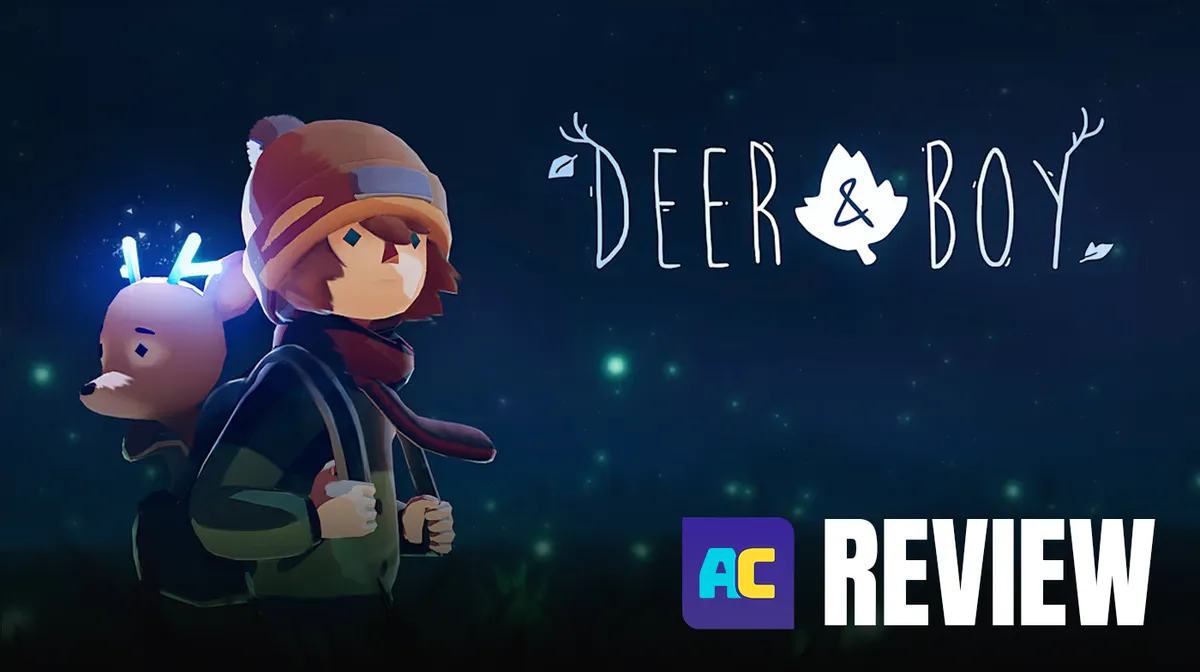
Deer & Boy reminded me of one of my favourite games - Gris - which stuck with me a long time after finishing it. It is a story about how much pain someone can hold in before it consumes them completely, and Deer & Boy tells a similar story. Two unlikely friends traversing through environments that are beautiful, dark, as well as emotionally layered, each of them carrying their own pain.
You won't find any UI here, no dialogue, no hand-holding, only an emotional journey that is told entirely through beautiful visuals and music. It's a shorter game, but those four to eight hours of gameplay will without a doubt leave a huge impact on any player.
Lifeline Games brought us a 2D cinematic platformer where every section is an emotional journey and depicts something that the characters are carrying inside and hiding from the world around them, not because they don't want to deal with it, but because they don't know how. From the moment I started playing, I knew it would wreck me emotionally, and I was looking forward to it.
Fighting the pain together
Deer & Boy follows the story of a little boy that runs away from his home, carrying his backpack, his grief, and pain that he doesn't know how to process. As he wanders around and tries to not get spotted by the cops, he stumbles up a frightened fawn in the woods, whose mother gets shot. A boy and a fawn, both scared, both sad, both unsure what comes next, and both of them realising that they need each other in order to brave the world around them.
The game shows us their journey through forests, industrial zones, caves, and mountains, where each of those environments represents the emotional weight that the characters have to deal with, eventually. It's not something anyone can run from their whole life.
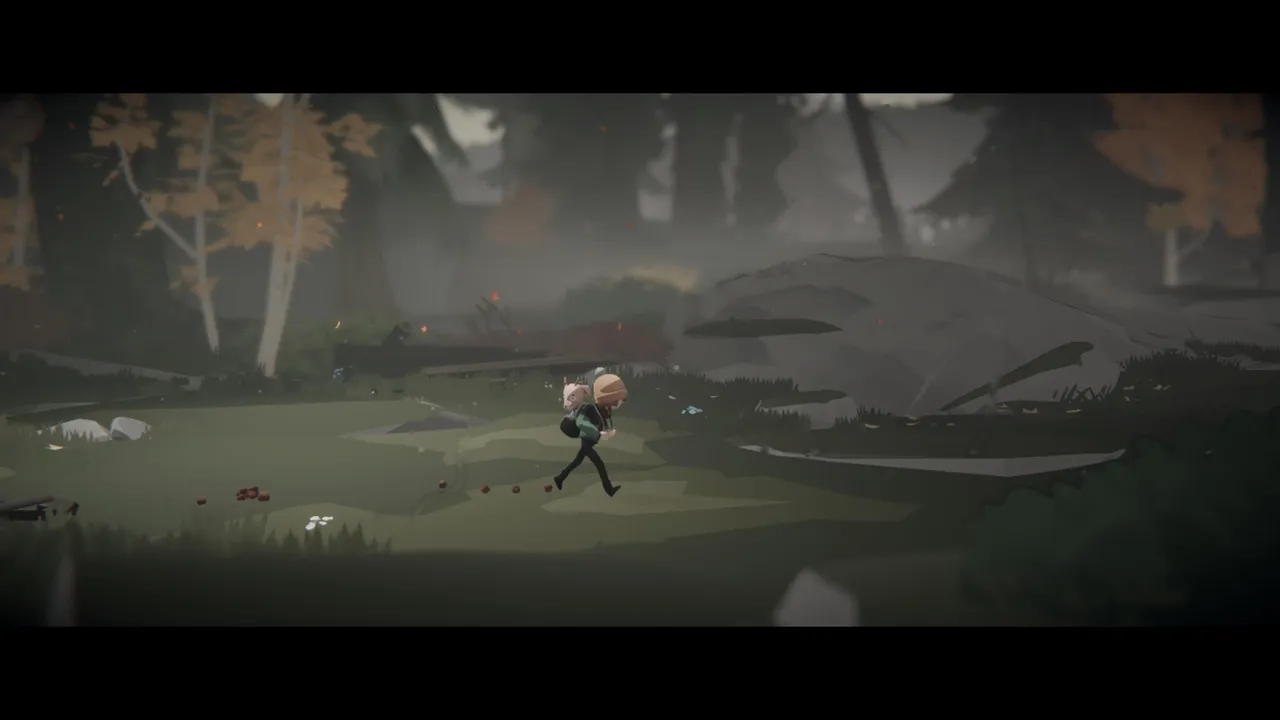
You won't find any dialogue here, no text that will explain to you who the boy is, why he ran away, or why they shot the deer's mother (although that one is pretty self-explanatory). The entire game is based on visual and environmental storytelling, animation, and music, allowing you to play and connect the dots yourself. It's not fun when the game holds your hand anyways, got to activate our big brains on this one.
The game won't tell you things directly, and it doesn't need to, everything can be figured out just by playing the game, looking at how the boy moves, how he holds the fawn, how he looks back at his little furry companion during sections that might be difficult or dangerous, making sure he is okay and coming along.
While you will encounter danger in the sense of adults - policemen and industrial workers - there is also a supernatural danger lurking in the woods, an infectious dark matter that is taking over everything it touches and spreads across the landscape. It's wreaking havoc on the beautiful, calm nature, but it is also a metaphor for the emotional decay that is decaying everything around the characters as they are trying to find a way to deal with their grief.
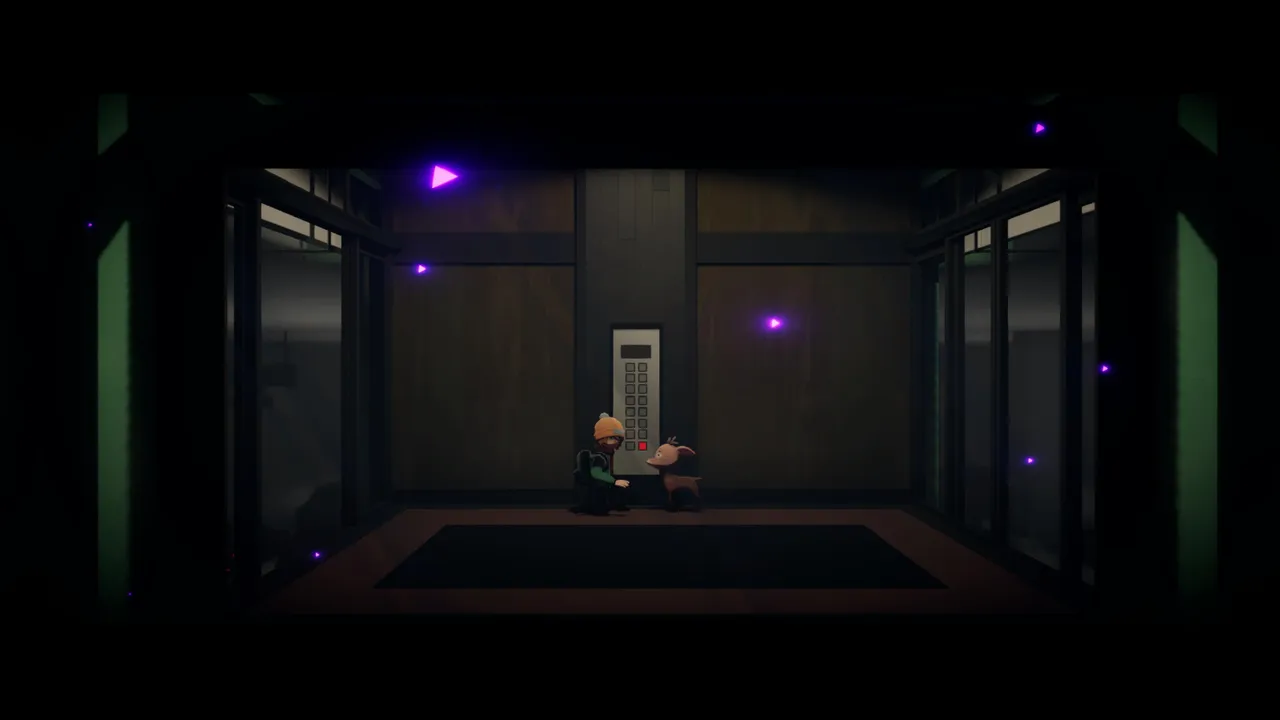
There is no doubt that the world is both scary and overwhelming, and the although this game looks very cute, it never romanticises any of the things that happen, the running away from home, the struggle, the grief after the loss of a loved one. Those are all very serious and heavy things to deal with, and the game will not let you forget that.
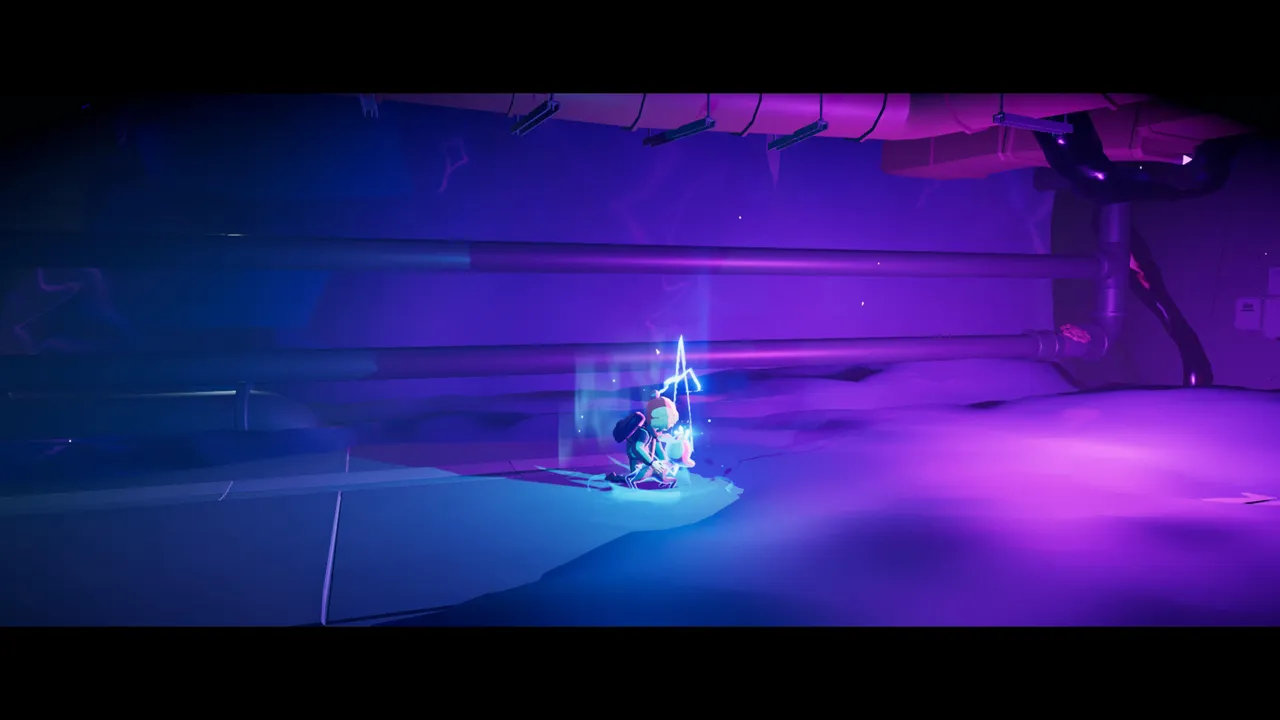
In contrast to all that darkness that the corruption brings, the deer has some powers of its own: the blue horns he carries can create energy that removes that same corruption, at first it is weak, however as the deer grows up it also gets stronger and stronger.
The story tracks growth in two ways: emotionally and mechanically. While still a shy fawn, the deer is fragile, clumsy, and needs to be carried in the boy's backpack, but as it grows up as you play the game, it becomes the protector of the boy. The same logic applies to the boy, at first we have a confused and scared protagonist, but as the game progresses he becomes more bold and confident. As the deer grows more capable, the boy grows more confident. The game reminds us that caring for something else that might be hurt can also help us heal ourselves, even if we're not aware that there is anything that needs healing in the first place.
While I wouldn't consider myself a crybaby, the game did get to me multiple times, and it never felt forced. The game just showed me things that would make anyone a bit emotional when they see it such as a small deer poking out of a backpack, a heartfelt reunion, an emotional loss. I remember when the deer returned to the boy sometimes at the beginning of the game - ahhh, my poor heart can only take so much. It's hard to not get emotional every now and then while playing, because the bond that forms between them is always visible. They are going through the world together and trying to figure out how to get to the point of acceptance, the point where they face their grief, fear, and the loss of a loved one, in order to be able to be at peace with whatever might come next.
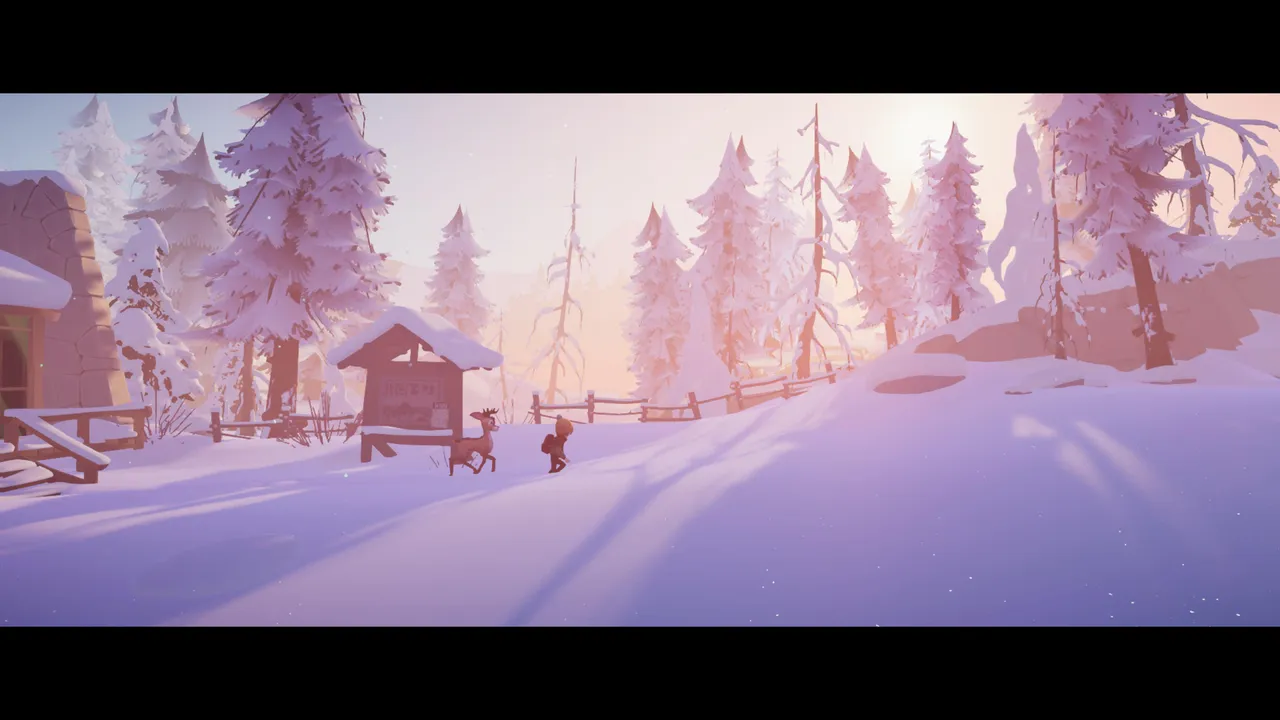
Every sequence that they overcome together is meaningful, as it shows that they are one step closer to be able to accept things. It's a story of emotional growth, and it is painful and difficult and so slow, because healing after experiencing great pain is slow, it's never going to be an easy process and there will be many hardships to overcome. Life will kick you when you're down, but that doesn't mean it also won't send someone to help you get back up.
Anyone who has ever dealt with any type of loss or grief will instantly connect with the lonely boy and see where he is coming from, as grief is an emotion that you can't prepare for and it doesn't have an expiration date. Everyone deals with grief the best way they know how, and for most it's rarely a quick or easy process.
An evolving friendship
Deer & Boy is a single-player 2D cinematic platformer which combines platforming, puzzles, stealth, and a few chase sections. It's a shorter game, which is a good thing in my book as I am not a fan of games that overstay their welcome. It never felt like it was withholding any content, as every section served its purposes and the game evolved through each of them.
As you go through the game, you control the boy and after the deer comes into play, you give him commands to help you navigate obstacles and solve puzzles. Early on, the deer is small and fragile and has to be carried in the backpack, which means that platforming will be restricted as the boy needs to put him down first before attempting any difficult jumps. It is extremely cute, watching the deer's little head pop out of the backpack as you traverse the environment.
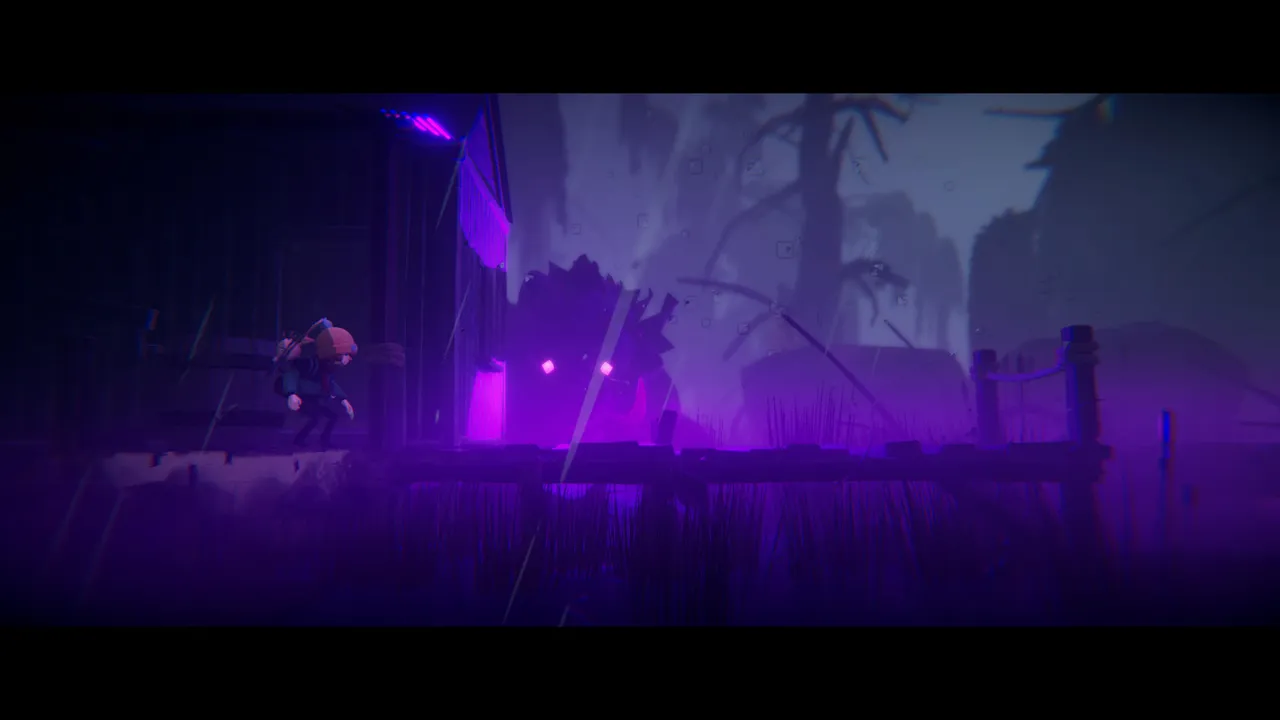
As the deer grows up, the mechanics of the game evolve. Instead of simply carrying the deer in the backpack, now he's helping the boy and pulling levers, pressing buttons, and using his powerful blue horns to take care of the corruption that blocks the way. In the last few sections of the game, the deer is protecting the boy and helping him move around, lifting him up and making sure he is protected. The shift in the gameplay dynamic mirrors the emotional one in their relationship.
The puzzles are fun, not too complicated, and they respect the players time. Solutions are logical, and the game introduces new things as the story goes on, making sure it all adds up. The command system for your companion can feel clunky at times and sometimes you have to repeat the commands, but I didn't mind it much. The final section of the game will combine everything and test if you understood the mechanics that the game introduces previously.
The stealth sections usually consist of avoiding people, so policemen or factory workers, and corrupted animals. They aren't too demanding and you can predict most of them, usually when I got caught was when I was rushing, so taking your time is the way to victory. Some players might consider them too forgiving, but this is a game that prioritises the story and emotional investment, not Metal Gear Solid.
Just in case stealth sections and puzzles are boring, the game also has chase sections, which add a sense of urgency and danger to the traversal rhythm. They are well telegraphed and usually when I did die, I died because I was rushing and wasn't paying attention to my surroundings. Once while being chased by wolves, I knew running into a wolf doesn't seem like a good idea and I still did it, instead of looking for the very obvious sign that I should drop down.
A few times I felt like the controls are wonky, but it didn't happen enough for me to complain about it.
The one aspect where the Boy & Deer excels is the connection between the mechanics and the story. It never feels forced. As you play, you get to see the boy becoming more and more confident as the deer grows up and becomes stronger, and as their bond deepens, the deer's power becomes stronger and stronger. The last section of the game challenges you to use all the things you've learned leading up to that point because the stakes are at an all time high then. The entire playtime of this game converges the story and the mechanics, instead of having them as two lines that are parallel to each other and don't meet.
Small game, big presentation
I've enjoyed the art direction in Deer & Boy, it's genuinely so beautiful. The environments are gorgeous; sun-covered forests and rain effects that also appear on your screen, snowy and chill mountains that feel isolating and uninviting, natural landscapes that make you think about packing up and going camping, they're inviting and shine a light on our ever-present connection with nature.
The industrial sections, on the other hand, are a deliberate contrast: they are cold, oppressive, loud, and feel hostile in every sense, you know you shouldn't be there as you walk around. It reinforces the thematic divide between the worlds our main characters belong in, the boy and the deer. Also, all the environments they travel through can be connected to the emotions they are going through. The art direction has no issues selling that point.
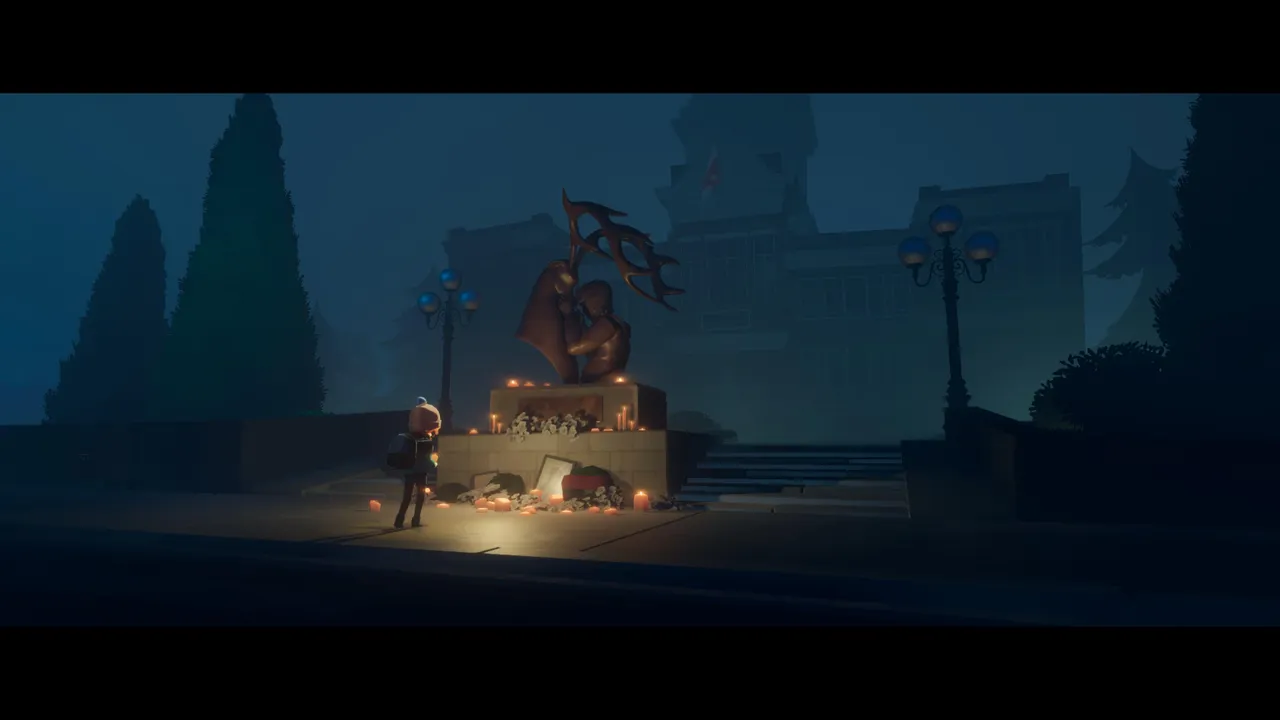
The corruption that we encounter feels visually striking, and you can't really say where it could belong. It's too dark and ominous for nature, but also too mysterious and unknown for the factory and industrial environments, who are very bleak and monotone. Looking at the deer's blue horns, and the fact that they can clear our corruption, the light vs dark, warmth vs cold comparison is more than obvious.
The soundtrack plays nicely into the emotional journey of the characters, it almost feels as if its experiencing the same journey you are while playing. It shifts as the situations shift, gentle piano during quiet forest traversal, warm ambient sound during moments of connection between the boy and deer, and darker tones during corruption encounters and chase sections.
Performance is good throughout, without any technical issues. Deer & Boy delivers on this front as well, as I've encountered no stutters or FPS drops during playtime. The game runs cleanly and looks polished.
Some games just stick with you
Deer & Boy is a game that will stay with me, and that's the highest compliment I can give it. You get these two little creatures running from their grief and pain, things they don't even understand fully, and find in each other what they couldn't find anywhere else. They slowly learn that healing isn't about outrunning pain, but about facing it head on.
Gorgeous art direction, perfectly calibrated soundtrack, and animations that show you enough without any dialogue needed.
Anyone who has ever dealt with any type of loss will connect with both the boy and the deer, from the very first moment. The corruption that we see spreading around is the grief consuming everything, the deer's growing strength is the healing that's slowly occurring. The moment when the deer knows he did his part and the boy is now ready, is a moment of peace and quiet resolution that is stronger than many AAA games with two pages of dialogue.
Finishing the game brought some sense of sadness, but that's a feature of an excellent game in my book. A game that brings the feel of loss as you finish it.
The Good
 Deeply emotional story
- Stunning art direction
- Fun, varied gameplay with meaningful progression
- Excellent soundtrack
- Polished presentation and concise runtime
The Bad
 Companion command system can be clunky
- Controls and 3D traversal sections can feel awkward