Trending
What do you get when you cross two highly popular action-adventure sub-genres: Metroidvania and Souls-like? I'd say something very interesting but not so innovative because those mixes are nothing new in the world of video games. Some very popular titles like Blasphemous and Blasphemous 2 already tried this formula and it worked, and well, to be frank.
So The Spirit of the Samurai doesn't bring any sort of groundbreaking concept but rather tries to improve upon a tried and true formula. The logical question that follows now should be: Does it actually succeed? Unfortunately, not so well because The Spirit of the Samurai is a game with great ideas and even greater failures.
At the very beginning of the game, you'll be introduced to its concept, and if you love those sorts of games, you'll instantly fall in love with it. I mean, who wouldn't? Imagine the world filled with creatures from Japanese mythologies coming to life on the screen in front of you.
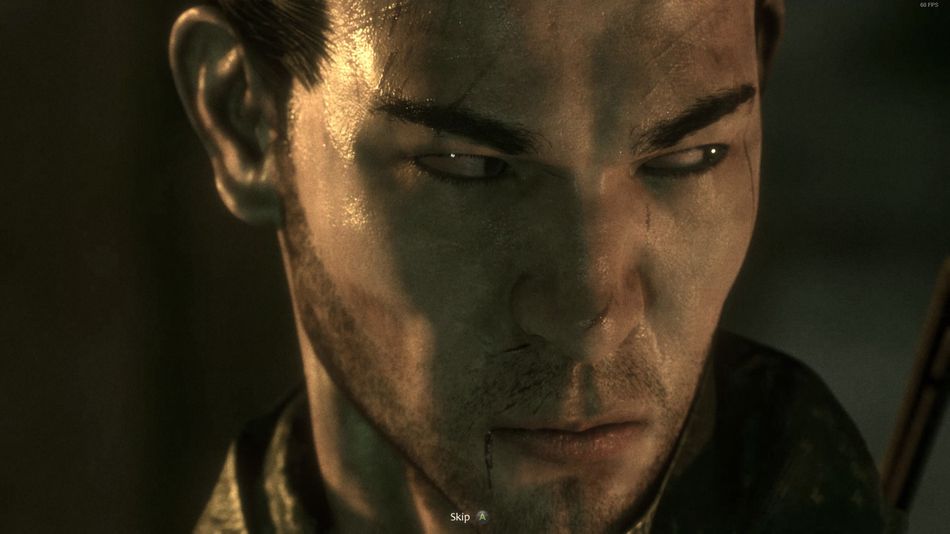
The promise of a true Souls-like experience is there, platforming paired with good exploration reminiscent of early Prince of Persia games. Everything is so epic, but once the gamer starts to unfold, you soon realise that it is all just a facade, beneath which you'll find a very bland video game that in some moments you simply won't be able to digest.
Let us begin with the story, which is probably one of the game's aspects that actually delivers on its promises. You play as Takeshi, a samurai dedicated to defending his village in times of great peril, and the peril that fell upon his village at the time the game took place is probably the greatest one he experienced so far.
When Oni and Undead threaten to kill all that breathes, Takeshi will mount a rescue mission and face many evils to fulfil the destiny of a true samurai—defend those who cannot defend themselves. On his journey, Takeshi will meet many enemies, bosses, and very dangerous creatures, and he won't be alone in his adventures. His helper will be none less than his cat. It's an interesting concept, but sadly more on paper than in reality.
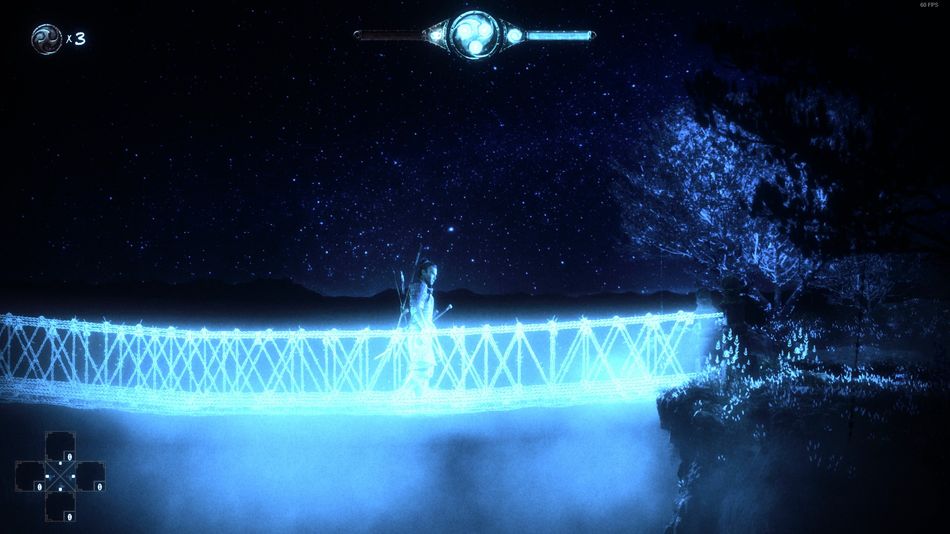
The story is pretty good; no complaints there, and if anything can be pointed out as a true shining point, it would definitely be the story. To be perfectly honest, the story was the only reason I kept playing the game to the end, along, of course, with my obligation as a reviewer.
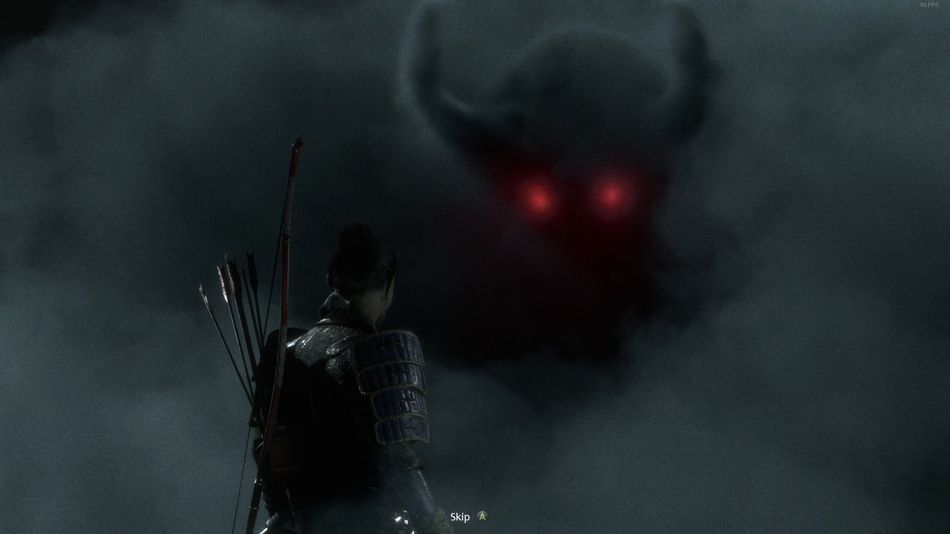
The story is told through beautiful cutscenes that manage to capture the game's atmosphere very well, and even though the game is designed as a 2D platformer, the transitions from 2D gameplay to fully 3D-rendered cutscenes are smooth as silk, as silly as it might sound.
While the story in this game unexpectedly became its standout feature, I believe the developers initially intended to deliver unique gameplay that would make this 2D adventure truly distinctive. Unfortunately, as I’ve mentioned, they largely fell short in achieving that goal. On their official website, the developers highlighted several key gameplay features. In this review, I’ll break down each of these features and explain why, in my opinion, they failed to meet expectations.
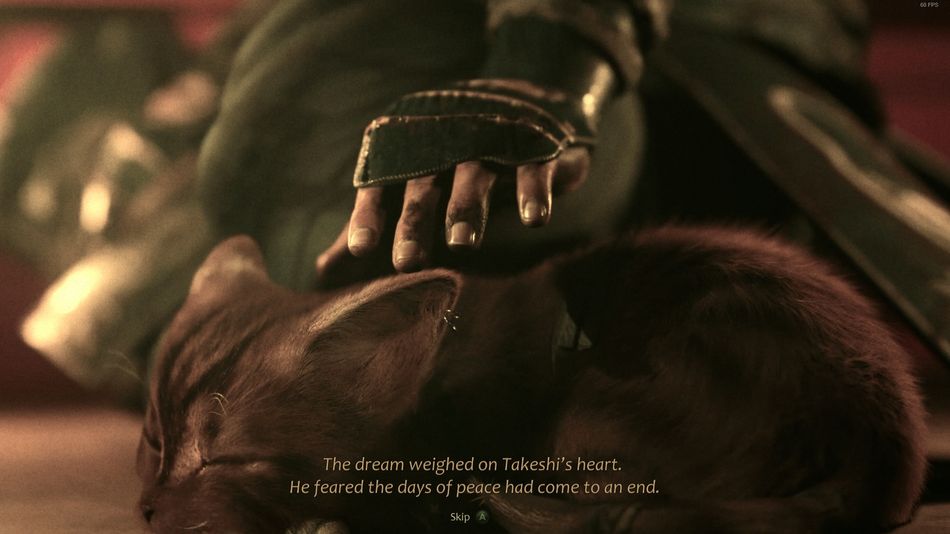
2D Action Adventure gameplay with Soulslike and Metroidvania elements
Although The Spirit of the Samurai claims to blend two popular sub-genres, these influences are barely evident in the actual gameplay. The only noticeable nod to Souls-like games is the presence of shrines, which seem intended to function like bonfires in the Dark Souls series.
However, unlike traditional Souls-like mechanics, these shrines serve solely as shops where you can purchase items and make upgrades—they don’t act as respawn points. Instead, when you die, the game takes you back to the last checkpoints, which are plentiful and forgiving, making the experience far removed from the challenge typical of Souls-like titles.
Moreover, death neither takes away your experience points nor imposes any penalties. No matter how hard I tried, I couldn't see even a small glimpse of anything related to the Souls-like. It feels as though the claims of Souls-like gameplay are little more than a marketing tactic to boost the game’s sales; I cannot see any other explanation. On the other hand, the Metroidvania elements are well executed, and I have no complaints in that regard.
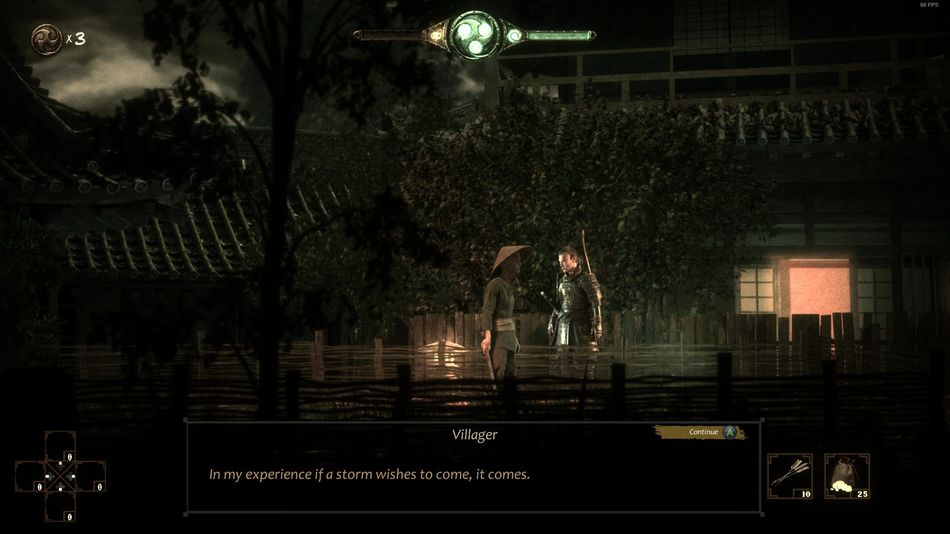
Detailed, atmospheric levels full of secrets to discover
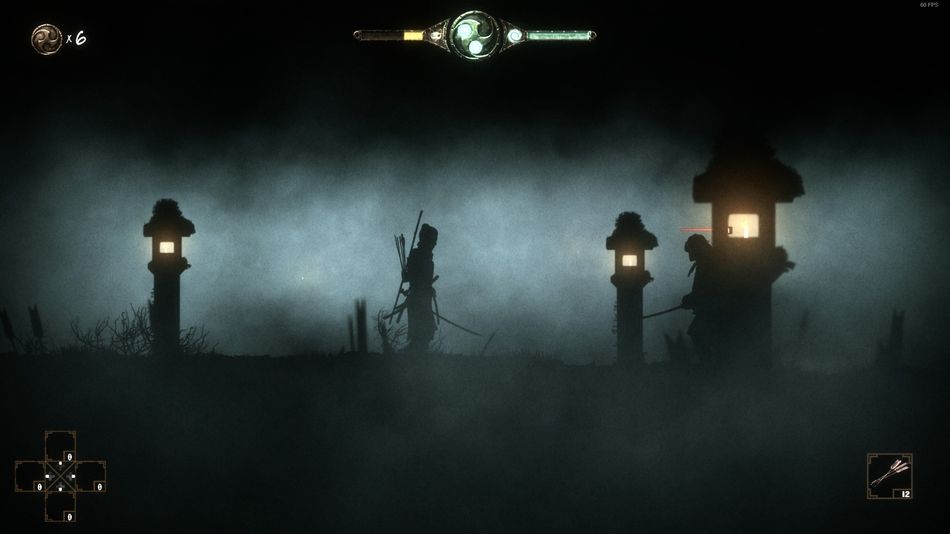
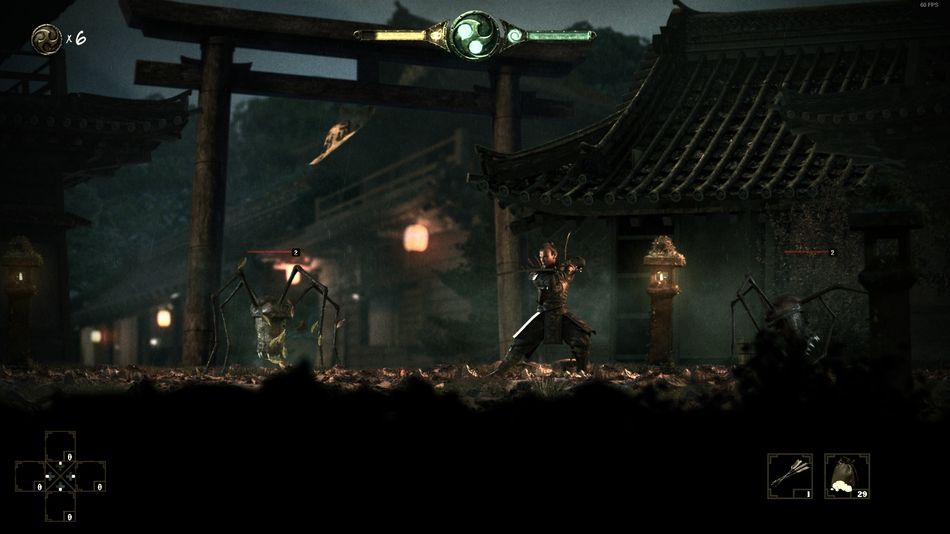
Here I must say that the game is quite detailed and visually impressive, especially for a low-budget 2D title like The Spirit of the Samurai. The level design is stunning, featuring vistas and landscapes that are truly breathtaking. The game is designed to be very dark in general. Its visual presentation is gory and grotesque, and I think it complements the theme of the game perfectly.
As for the claim that there’s a lot to discover, I would have to disagree—this is arguably one of the game’s biggest shortcomings. Most of the items you find in the world are either tied to quests, upgrade materials, or sellable objects that can be exchanged for items needed for upgrades. The sense of discovery is diminished when you realise that many of these items respawn in the same locations, making exploration feel meaningless. This issue is further compounded by platforming mechanics that don’t function as they should—but more on that later.
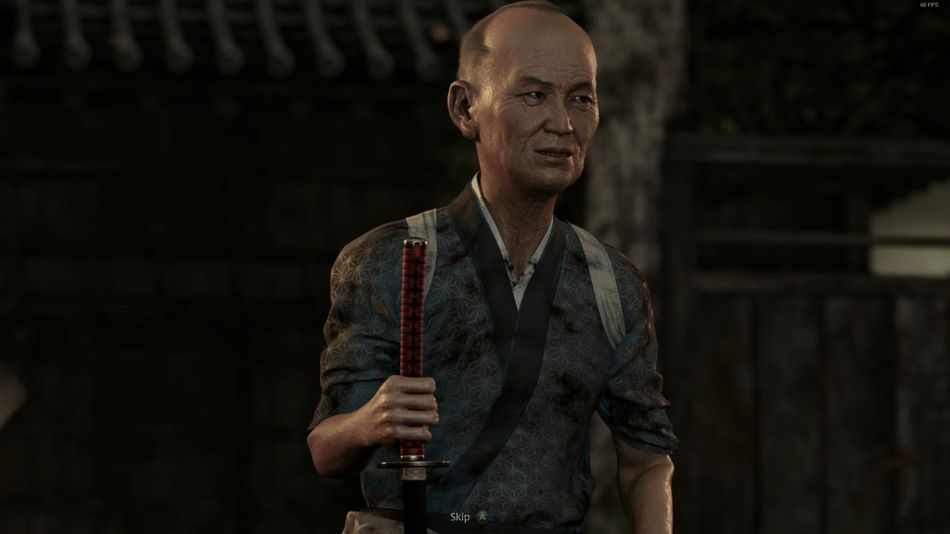
Varied controls ranging from combo-based combat to linked magical powers
Combos, like many aspects of the game, are well-conceived in theory but poorly executed in practice. The idea is that combos should seamlessly blend melee and magic attacks, with the right stick on the controller allowing you to direct attacks based on the enemy's position on the screen. While this sounds great on paper, in reality, the unresponsive controls make the experience frustrating to the point of exhaustion.
The level design doesn’t help either, as enemies frequently move off-screen during combat, and the poorly executed camera angles only make matters worse. What frustrated me the most were the ranged attackers, who could shoot at you from off-screen without any warning, leaving you no chance to defend yourself.
Given that this game's combat heavily relies on parrying, bad control responsiveness makes it almost unable to use this mechanic, and if you're not determined, I can see you dropping the game way before it starts to grow in on you due to its very rare qualities like a good story or descent presentation.
Dynamic enemy AI makes every encounter challenging and unique
Where to even begin on this one? I truly can’t understand what the developers were thinking when they described the AI as “dynamic,” as it’s easily some of the worst I’ve encountered. At times, you can literally walk past enemies without them noticing you, while at other times, as mentioned earlier, off-screen shooters will hit you without any logical warning or reason.
If you encounter many enemies on screen, they will try to attack you from different sides, but if you dodge one of them and corner them in one side of the screen, you'll be able to dispose of them very easily, so any further talk about some advanced AI is unnecessary.
Customizable combat through an in-game combo editor
Lastly, there’s the in-game combo editor, which is entirely useless. Combat in The Spirit of the Samurai suffers from a major limitation: a fixed three-hit starting combo. After Takeshi completes the first three hits, there’s a brief pause where he resets, effectively breaking the flow of the combo. Even if you edit combos, it doesn’t provide any real advantage or improvement.
The reason for this is stamina mechanics, which is tightly linked to the health system. In combat, Takeshi loses stamina as he hits the enemies and as the enemies hit him. If the stamina bar depletes completely, you'll lose one health bar. When you lose all the bars, you die. So apart from trying not to get hit, you must plan your hits as well to prevent yourself from losing too much stamina, which can be lethal.
This stamina limitation makes combos totally useless, and at the end of the day, it all falls to the good ol' button mashing because the parrying is not reliable, and combos are useless as they are, so it is back to basics, unfortunately.
Conclusion
The Spirit of the Samurai is a game full of great ideas that, unfortunately, fail to shine due to poor execution. The game is held back by terribly unresponsive controls, poorly implemented enemy AI, and developer promises that fall far short of expectations. These shortcomings, among others, ultimately make it difficult for me to recommend this game.
That said, it's important to keep in mind that this is an indie game, and not everything is entirely negative. However, the issues that make the game frustrating to play are significant enough to warrant attention, regardless of its production level. If you believe you can overlook these flaws, The Spirit of the Samurai does offer a solid story and a presentation that might appeal to some. So, if you want to play it, consider yourself warned.
The Good
 Solid and engaging story with an interesting concept
- Good presentation, especially for a low-budget indie game
The Bad
 Souls-like elements are underdeveloped and misleading
- Poorly executed combo system and unresponsive controls
- Camera angles and off-screen enemies disrupt gameplay
- Bad enemy AI
- Exploration feels meaningless
- The stamina system hinders combat and makes combos impractical