Trending
When a game series lasts a decade or more, its quality is undeniable, that's for certain. And when we're talking about a franchise like Dynasty Warriors, which has been going strong since 1998, there's no room for doubt. This popular series has a massive fan base, which stands as a significant testament to the enduring quality of these games.
What stands out, however, about this series is that, despite releasing many games over the past three decades, the gameplay and overall design have remained mostly the same, with no major upgrades or significant changes to distinguish one title from another. While die-hard fans appreciated this approach, more casual players occasionally voiced concerns about the lack of innovation.
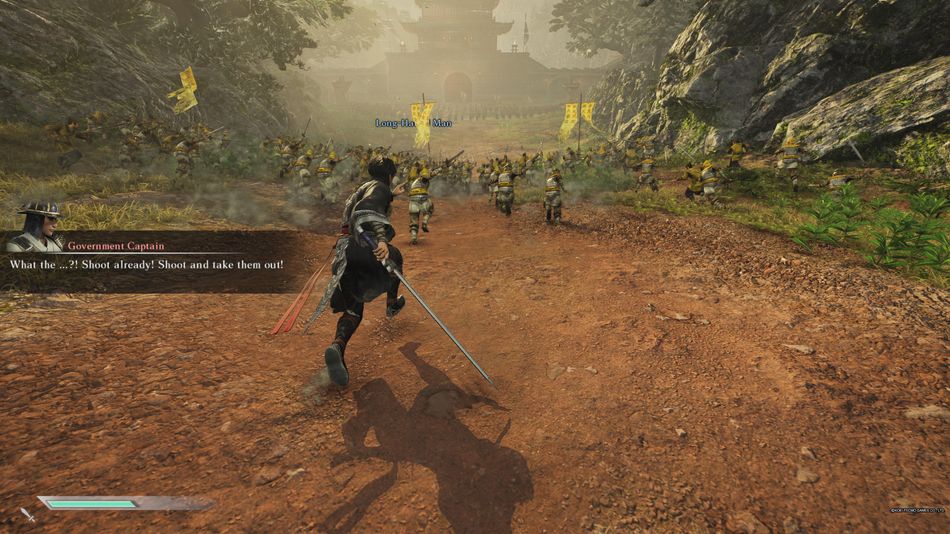
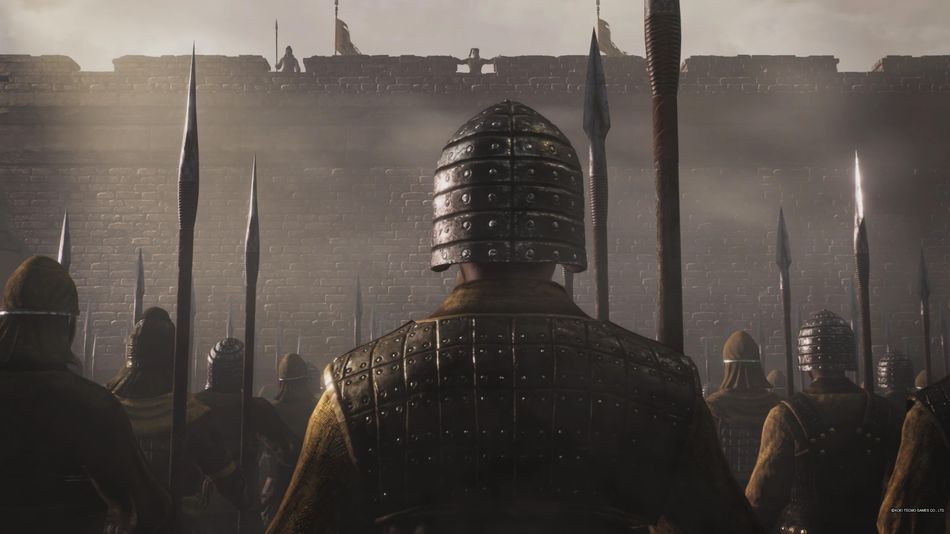
The new, long-awaited instalment in the series, Dynasty Warriors: Origins, pretty much follows the same formula as its predecessors. Dynasty Warriors: Origins is an action RPG with a hack-and-slash combat style featuring gigantic battles, sometimes with more than 10,000 soldiers on screen—I had to see it to believe it, but it is really impressive.
However, the most important question one might ask is how this feature affects the gameplay, and is it there just for show-offs or is it really something that will truly blow your mind away? The answers to those questions and our honest opinion about this action RPG from Koei Tecmo can be read below.
Story
Dynasty Warriors: Origins, like all its predecessors, is based on the popular Chinese novel Romance of the Tree Kingdoms; however, the plot of this game in particular targets only the first half of the novel, focusing on telling a more impactful story.
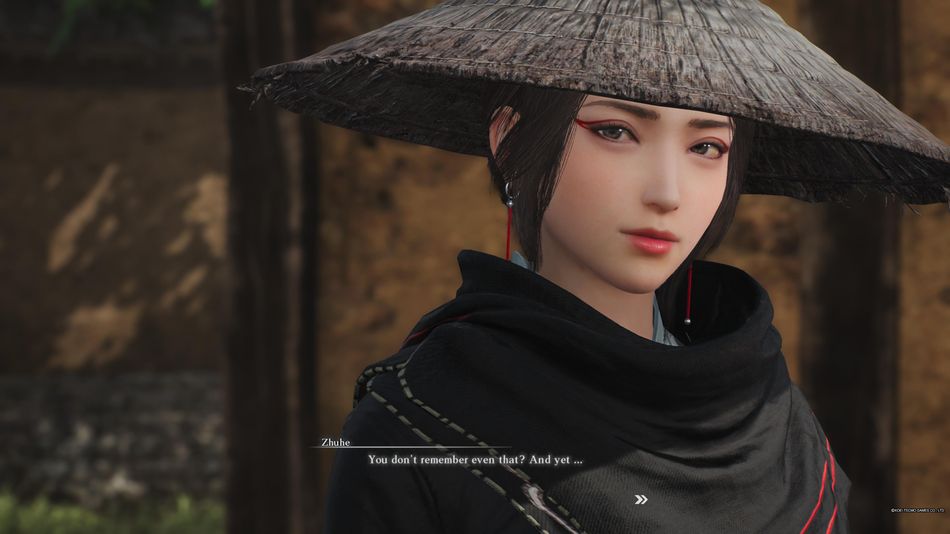
The story follows a mute protagonist you will name at the beginning of the game, but if you decide to leave his original name, which, by the way, I did, it will be Wanderer—I really liked the name, I must say, and given the nature of the protagonist, it fits perfectly, so from now on, I'll call him Wanderer.
Wanderer is a person who has no memory of his past; all he knows is how to fight, and this is something he does perfectly. He'll find himself inside the unknown village at the very beginning of the game, and he will help the locals against the oppressing army. After defeating them, he'll catch the eye of the local hero and the rebel army called the Yellow Turbans, who rebelled against unjust government forces.
Before long, the Yellow Turbans transform into the very force they once opposed, terrorising the local populace and pillaging everything in their wake. This is where the aforementioned local hero steps in, assembling a group that Wanderer eventually joins. From battle to battle and event to event, Wanderer will fight to protect the innocent while gradually uncovering his forgotten past and the truth behind his memory loss.
In addition to showcasing the heroic journeys of its characters, Dynasty Warriors: Origins also presents a historical narrative centred around the events of China's Three Kingdoms period. If you have even a passing familiarity with the figures and personalities from this era, you can look forward to encountering many of them throughout the game.
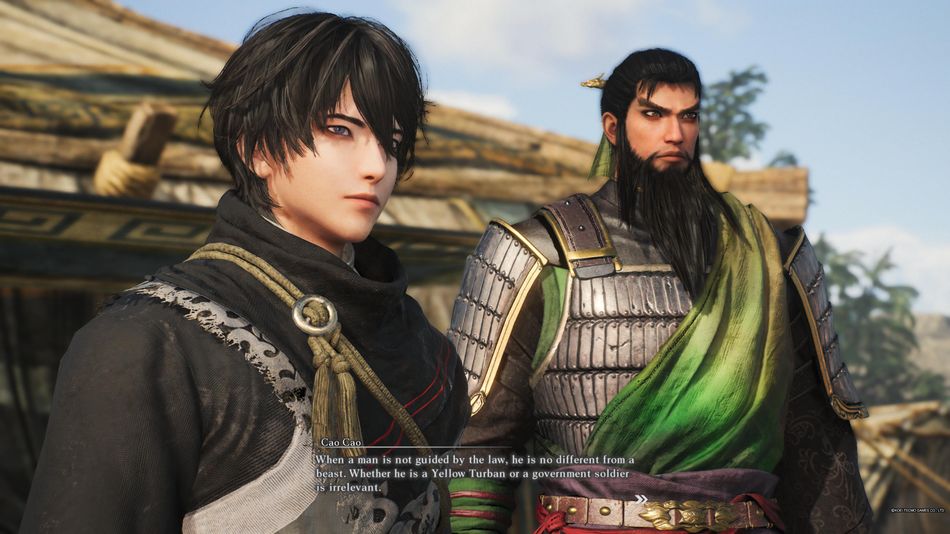
The story is presented through cutscenes, which unfortunately fall short of expectations. Their quality is hindered by uninspired writing and lacklustre character design—more on that in the graphics section. For now, the focus is on the weak voice acting and the unnecessary emphasis on portraying characters as overly tough, which feels out of place for a game with such a serious and historically grounded theme.
I completely understand that this is a Japanese game and reflects their style, but I still believe the depth and seriousness of the characters should have been approached with greater care.
The story is generally decent—not the best ever but, let's say, serviceable—and will definitely drive you forward. However, even though the story is a highly important segment of Dynasty Warriors: Origins, I believe the developers put the strongest emphasis on the gameplay and its large and memorable battles.
Gameplay
As mentioned earlier, Dynasty Warriors: Origins is an action RPG with slightly unconventional gameplay. Make no mistake—when I mentioned hack-and-slash combat, that’s exactly what it delivers. All the typical mechanics of this style are present: light and heavy attacks, blocking, dodging, and special attacks unlocked as certain gauges fill up. So, what makes it unusual? The sheer number of enemies you face.
Of course, this is nothing new for those games; we've already seen the likes of this combat in previous instalments, but this game elevates all that on an entirely different level. Once you enter a battlefield, expect thousands of soldiers attacking you from all directions, but it is all just for shows.
Once you swing your sword, spear, axe, or mace, you'll bring down dozens of them with a single strike. Some combos will bring down even half a thousand soldiers, while the only true challenges will be the captains you'll have to fight on the battlefield. Those captains are this game's boss fights, and apart from larger health pools and some special moves, they're not so different from mindless soldiers.
Speaking of mindless soldiers, it is impossible not to mention the AI of the enemies, which leaves a lot to be desired. They will always rush towards you without any sense of strategy, and even though their number is always high, they will easily be tricked, cornered, and brought to the place where they can easily be killed by a single combo. This also applies to bosses, who relentlessly perform their combo attacks as if following a ritual, even when you can be on the other side of the arena fighting regular soldiers.
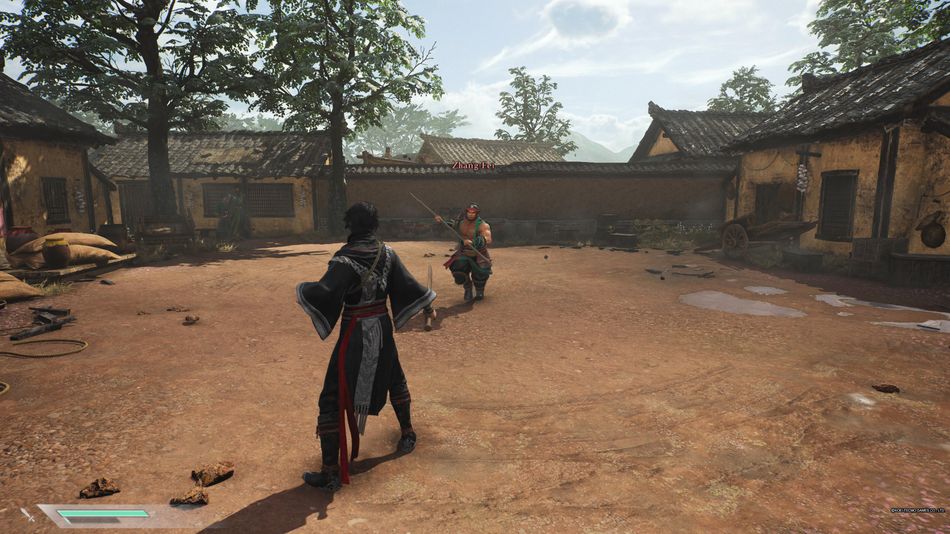
The combat in Dynasty Warriors: Origins can be pretty fun and flashy and can induce the feeling of power, but after several battles, it all turns into mindless button mushing that can become quite tedious.
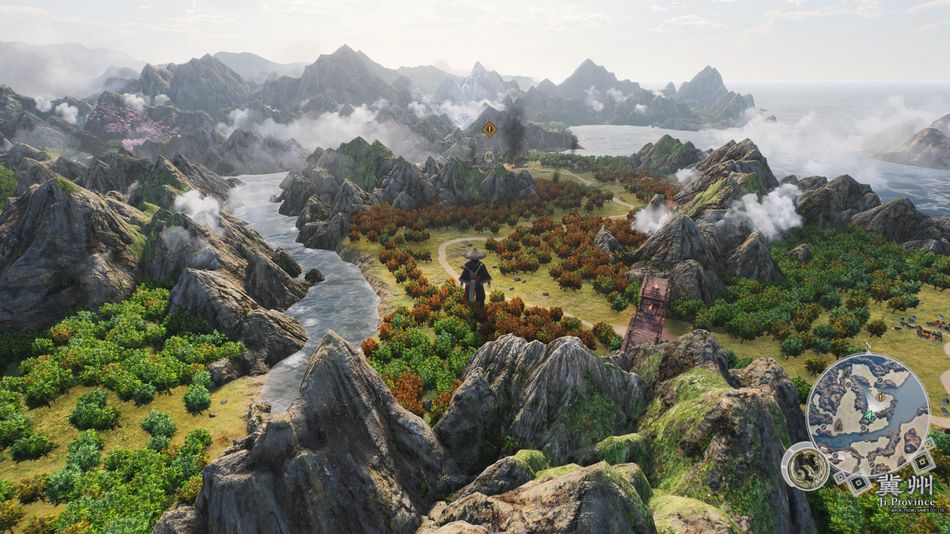
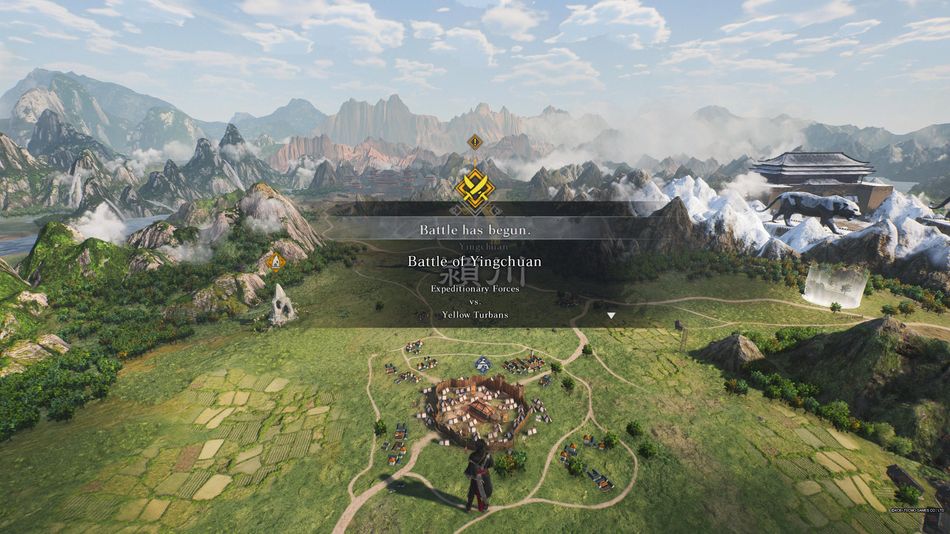
There are many games out there that fit into the action RPG category, but if I were to describe Dynasty Warriors: Origins in more detail, I’d call it a "battle rush" game. Once the initial tutorials are out of the way, the gameplay picks up, offering a large map divided into smaller sections. As you explore, you’ll come across various collectables, settlements with shops to purchase weapons, and inns where you can prepare for battles and read letters sent to you.
Apart from the aforementioned content, you'll find the locations where you can start small skirmishes and large battles. Every win will give you the experience, which you'll use to unlock new skills, and the money used for buying new weapons. In addition to this, you'll find special materials used for making gems, which will give your character certain buffs.
To wrap up the gameplay section, the sheer number of enemies on-screen feels more like a marketing gimmick than a meaningful innovation. While the combat is undeniably fun and adrenaline-pumping, it becomes tiring over time. The constant battles start to feel repetitive, as the gameplay largely revolves around running from one skirmish to the next, with little sense of variety.
Graphics and Sounds
You won’t be dazzled by beauty while playing Dynasty Warriors: Origins, that’s for sure. However, it wouldn’t be fair to call the game ugly—it does have its own unique charm. It’s clear that the developers didn’t prioritise creating a visually unforgettable experience, as the character models instantly evoke the look of PlayStation 3-era designs rather than those suited for modern consoles and PCs.
What stands out as particularly impressive in terms of graphics are the combat effects and the dramatic flair of the weapons that send enemies flying. The battles themselves truly feel epic, with everything beautifully designed. While the gameplay may not be as effective, the visual presentation holds its own, and credit should definitely be given where it’s due.
However, when it comes to other aspects—such as lighting effects, modern graphical settings, and the visual standards expected of a next-gen title—unfortunately, there’s not much to be found here. The PlayStation 5 version does offer performance and fidelity modes, along with a separate setting to adjust the target FPS. Overall, the game can be considered visually appealing when you focus on its impressive combat effects, but it falls short when you take the rest of its visual elements into account.
The sound design in Dynasty Warriors: Origins can be viewed from two perspectives. On one hand, the quality is evident, particularly in the soundtrack, which shines during moments when Wanderer explores the map between battles. On the other hand, once the battles begin, the experience takes a turn I found difficult to appreciate. Heavy metal music dominates the combat sequences, usually limited to just two or three tracks. While this music certainly amps up the adrenaline, it feels completely out of place with the overall theme of the game.
Many might argue that this has been a tradition in the series, but even if that’s the case, it’s a tradition that, in my opinion, should come to an end. That style of music simply doesn’t belong here. Of course, tastes differ, and if someone enjoys it, I won’t judge—I’m just sharing my subjective perspective. As for the rest of the audio design, it’s fairly decent, aside from the previously mentioned voice acting, which didn’t work for me at all.
Conclusion
I’ll wrap up the review with the same sentiment from the standfirst: Dynasty Warriors: Origins is a game you’ll either enjoy or not, largely depending on whether you’re a fan of the series. For long-time fans, it’s another instalment that expands the story and delivers the classic, chaotic mass battles where swords clash and enemies are sent flying in every direction.
However, if you’re not a fan of the series, Dynasty Warriors: Origins can initially be quite enjoyable, especially during large-scale battles which are a true spectacle but it gets a bit dull the longer you play. Combined with a fairly average visual presentation and a soundtrack that feels out of place it's hard to recommend Dynasty Warriors: Origins to a casual gamer looking for the next great game to play.
The Good
 Expansive battles with thousands of enemies on-screen
- Descent story featuring historical characters
- Impressive combat effects and weapon flair
- Epic presentation of large-scale fights
The Bad
 Repetitive gameplay and lack of variety
- Predictable boss fights
- Average visual presentation reminiscent of older consoles
- Lacklustre voice acting and uninspired writing in cutscenes