Trending

The 1990s undoubtedly left a lasting imprint with a mix of exceptionally high-quality and occasionally not-so-great action films. However, there's a unanimous agreement that whenever this era is discussed, particularly in the realm of cinema, those movies are the first thing that crosses our minds.
Certainly, among the notable franchises in action films and TV series from that era is RoboCop—a portrayal of an action hero featuring a robot housing a human brain. The series revolves around the challenges and misadventures faced by this futuristic character in the city of Detroit.
Now, three decades later, we find ourselves with the chance to personally partake in these adventures, holding a controller in our hands. To discover whether the transition of the action icon from the nineties to the gaming realm proved successful and lived up to our expectations, delve into the details in our review.
The Real Cop Story
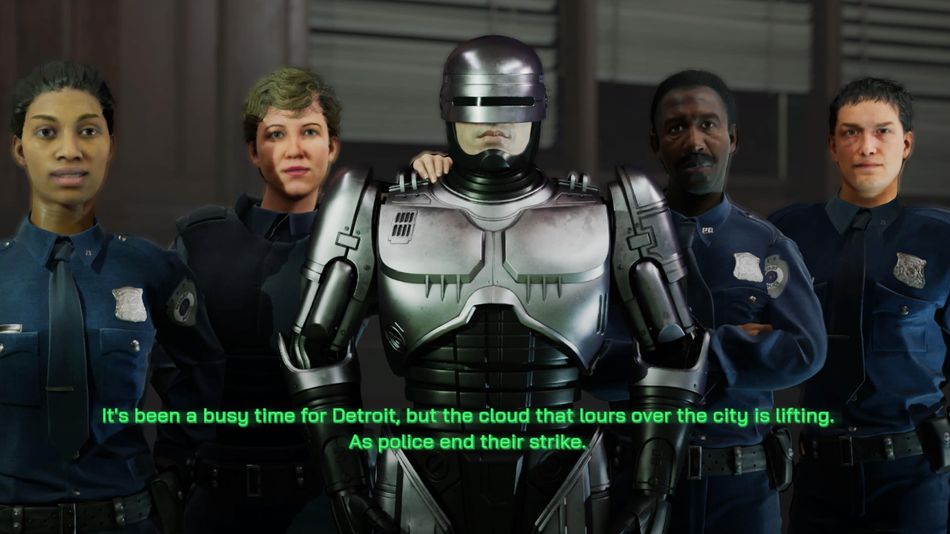
One commendable choice made by the developers concerning the storyline is their adherence to the 1990s version of RoboCop rather than the modern iteration. While the modern RoboCop film isn't lacking, the original RoboCop from the 1990s holds an iconic and unique status. It possesses that distinctive Nineties touch, making it exceptionally memorable and special.
The narrative adheres closely to the same premise as all the movies and series, offering a distinctive course of action along with unique plot twists and storytelling elements.
The story revolves around police officer Alex Murphy, who tragically lost his life in the line of duty. His brain and a portion of his head were implanted into a robot, resurrecting him to serve in the Detroit Police Department alongside his former colleagues, fighting crime once again.
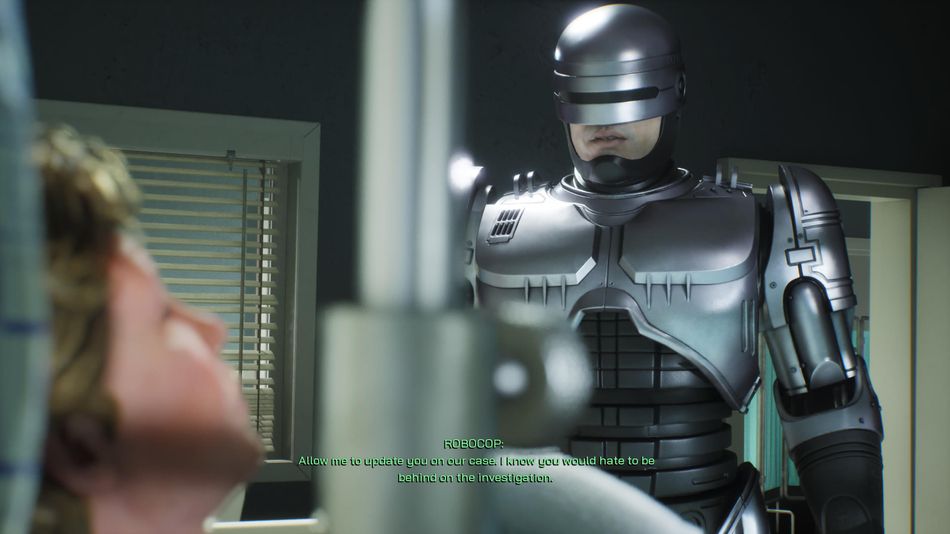
However, the game doesn't delve into this specific part of the story. Instead, it focuses on the aftermath of the original films, where RoboCop, alongside his colleagues in the Detroit police force, strives to quell a new surge of criminal activity spurred by the appearance of an unusual character known as the "New Guy." This character instills additional confidence in criminals and seems to have some connection to RoboCop.
While the story itself may not be particularly remarkable, its additional value lies in the incredible originality of the police narrative, which is reminiscent of films from that era. Despite its predictability and, perhaps, a somewhat flawed storytelling approach, the nostalgia for the days of authentic detectives manages to overshadow any negativity.
A commendable aspect of the story lies in the decisions we make while playing as RoboCop. His popularity holds significant sway with the residents of Detroit, and in the midst of an election year, politicians seek to leverage his influence to persuade people to vote for them. These decisions will have an impact on the overall story and will be the decisive element of how the story will end.
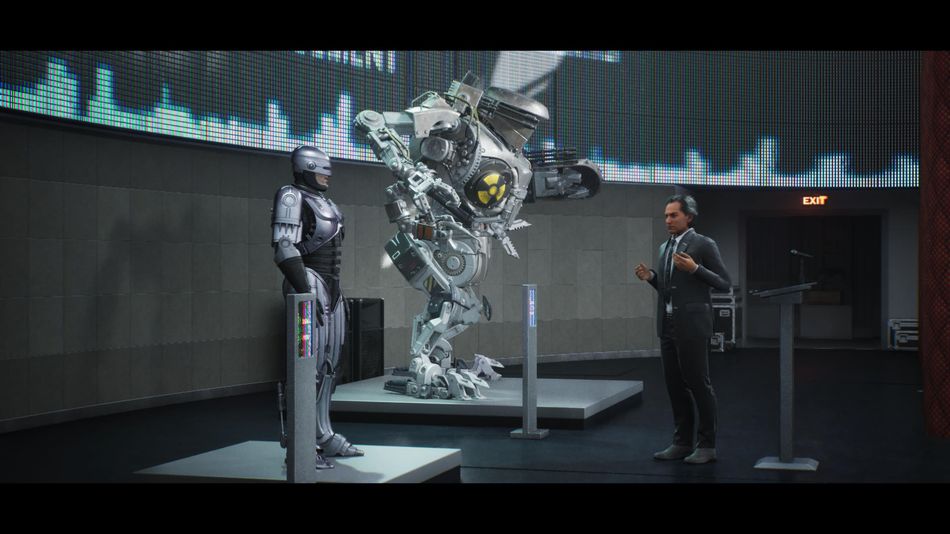
Beyond influencing the story's outcome, the decisions made also shape RoboCop's emotional state, determining whether he leans more towards his robotic side or retains a sense of humanity. This, in turn, significantly impacts the overall narrative. A similar dynamic was seen in another game set in Detroit, namely Detroit: Become Human. It seems there's a compelling theme woven into the stories of Detroit and robots.
What I can point out as the shortcomings of the story are its predictability and, secondly, the way it becomes somewhat prolonged towards the end of the game. Just when you believe it's wrapping up, additional missions keep emerging, and I found my interest waning as I approached the end of the game.
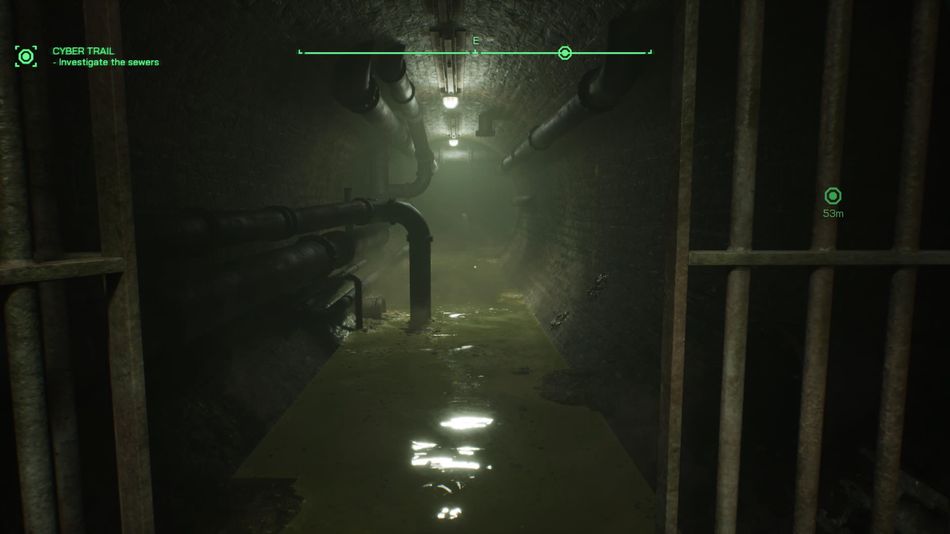
Shooting, shooting and more shooting
The gameplay in RoboCop: Rogue City can be simply described as relentless shooting at every moving target in your vicinity. In this game, you'll unleash a barrage of bullets, firing incessantly until your fingers start to ache.
You might initially think, "Well, it's a shooter; shooting is the essence of these games." However, the issue arises because the shooting mechanics in RoboCop: Rogue City are among the most poorly balanced compared to all the shooters I've had the chance to play. Let me elaborate:
The shooting experience is incredible, with the weapon's sound, controller feedback through vibrations, and adaptive triggers on the PlayStation 5 combining to create a powerful sensation, making you feel like RoboCop. However, the experience starts to crumble the moment you begin shooting at enemies.
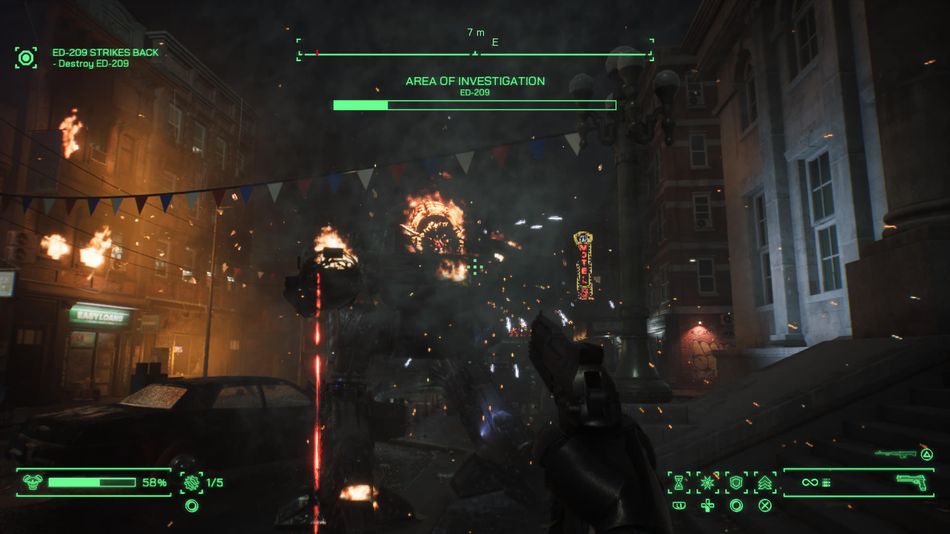
The enemies in RoboCop act as bullet sponges like nothing you've encountered before. It's not an exaggeration to say that you'll require around thirty rounds just to bring down a single enemy, even when playing on the easiest difficulty level in the game, and that's just regarding the first, easier enemies in the game. As the game progresses, you will meet stronger enemies with better armour and helmets, and at the end of the game, the robots, which are even bigger bullet sponges.
Not to mention the few large robots acting as some kind of bosses with a dedicated health bar, which prove to be a genuine nuisance. It's not because they are challenging to defeat, but rather because they are downright annoying and can literally strain your fingers as you need to continuously fire countless bullets to bring them down.
There's no strategic element; it's a straightforward exchange of gunfire where they shoot you and you shoot them. Given RoboCop's relatively slow movements and the absence of basic manoeuvres like crouching, the encounter boils down to a battle over who can unleash more bullets in the end.
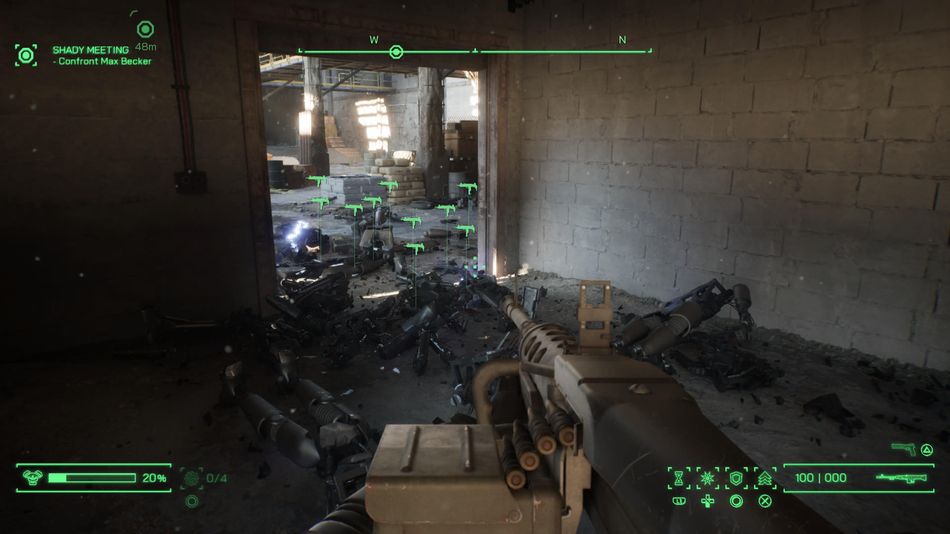
For instance, in shooters, a headshot typically results in the enemy's instant death, but this isn't the case in RoboCop: Rogue City. Here, you might find yourself needing to unleash two or three bursts directly to the head to ensure the opponent is killed.
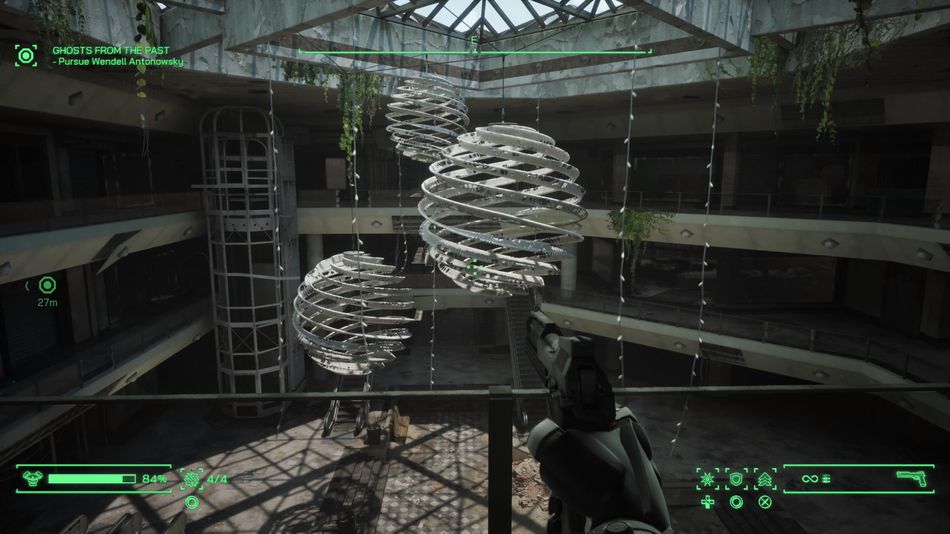
Regarding weapons, the primary firearm you'll mostly use in RoboCop: Rogue City is his service gun. You can enhance it by utilising special motherboards and processors found throughout the game to buff your gun with unique characteristics. These upgrades could include features like explosive bullets or eliminate the need for reloading. Once you unlock this capability, and considering the service gun has an unlimited bullet supply, you can continuously fire, which can sometimes lead to a serious imbalance.
Apart from the service gun, you can pick one additional weapon from the enemies, and the choice of those weapons is pretty narrow, featuring several rifles, two shotguns, several pistols, and one machine gun.
The enemy AI is also inadequately executed. In many scenarios, enemies showcase robotic behaviour (human enemies, not robots, obviously), remaining stationary, rendering shooting less meaningful when there is little room for tactical engagement.
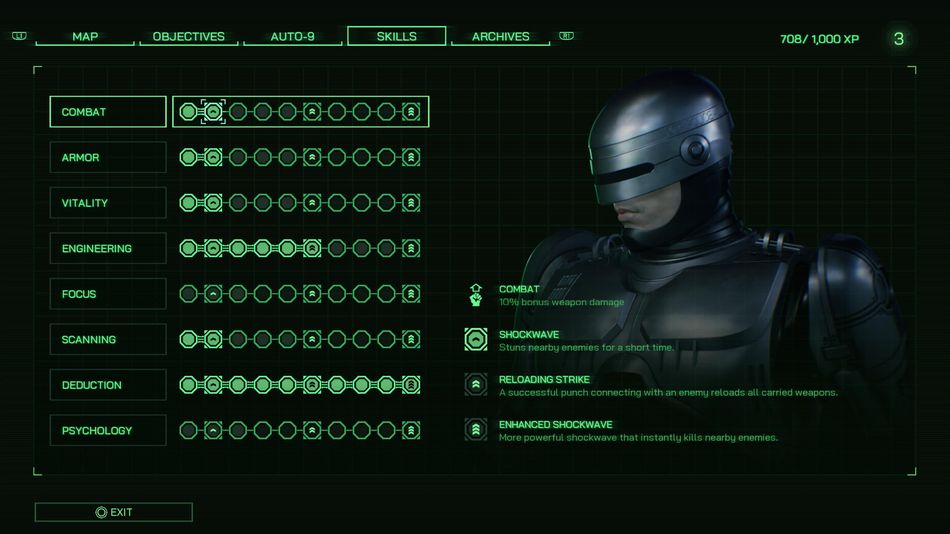
Alongside upgrading the service gun, you can enhance RoboCop's abilities using skill points obtained by earning 1000 XP or discovering them in the game. Skills range from health and armour improvements to advanced hacking, more effective case-solving, and more.
The levels are crafted in a linear fashion, limiting the opportunity for unique secrets and puzzles. The exception is the level in Old Detroit, which is revisited multiple times and features a slightly altered, more open design. This level stands out as it represents a somewhat more quiet segment of the game where you engage in solving or assisting with various cases, and this aspect is relatively commendable.
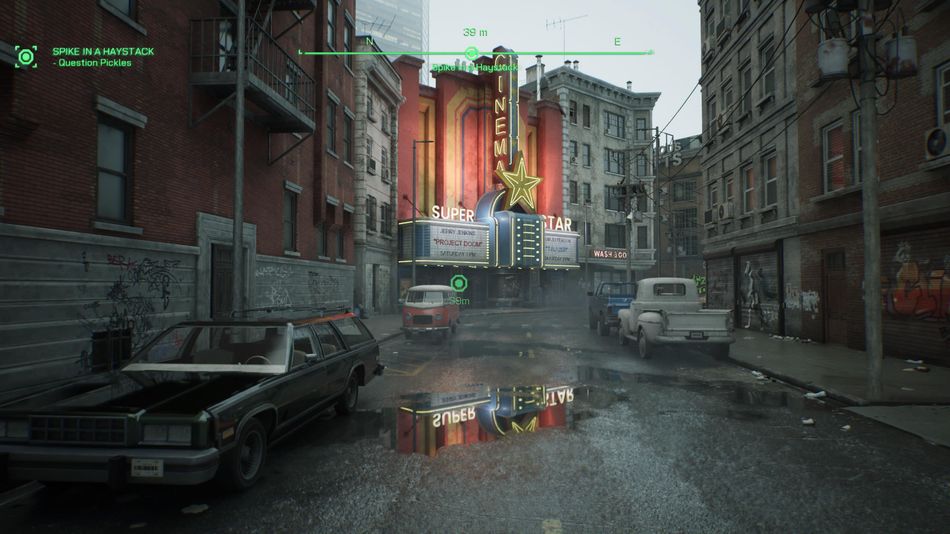
Concerning the missions, you consistently pursue the main mission while having the option to undertake secondary and police missions. In these missions, you gather miscellaneous evidence like drugs, stolen wallets, forged documents, and more. Each piece of evidence holds a specific value, and once you meet the quota for that mission, you've concluded that part of the investigation. Initially, the side quests are intriguing, but over time, they become repetitive, highlighting the potential for improvement with a bit more effort.
The number of mandatory tasks you've accomplished is contingent on your evaluation rating, which occurs multiple times throughout the game. A higher rating results in more skill points being awarded.
Graphics, sounds, and Performance
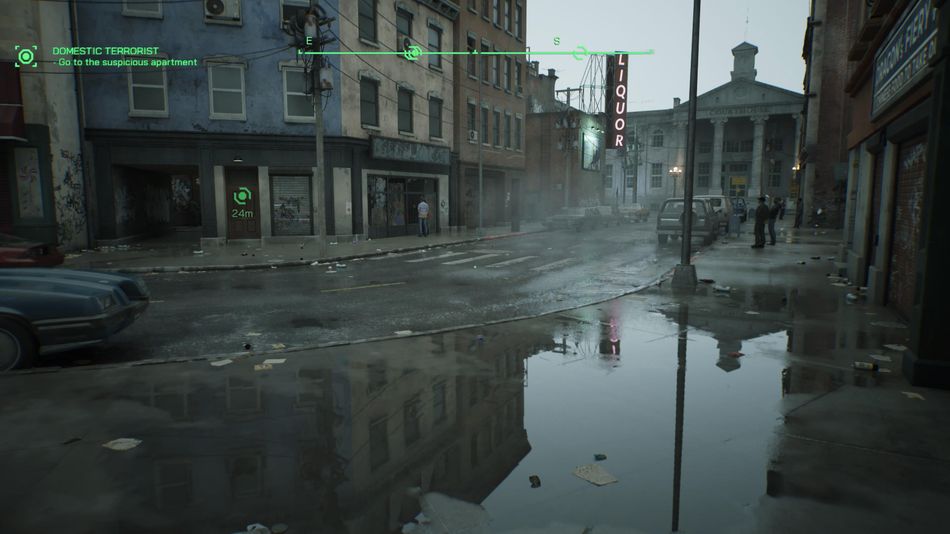
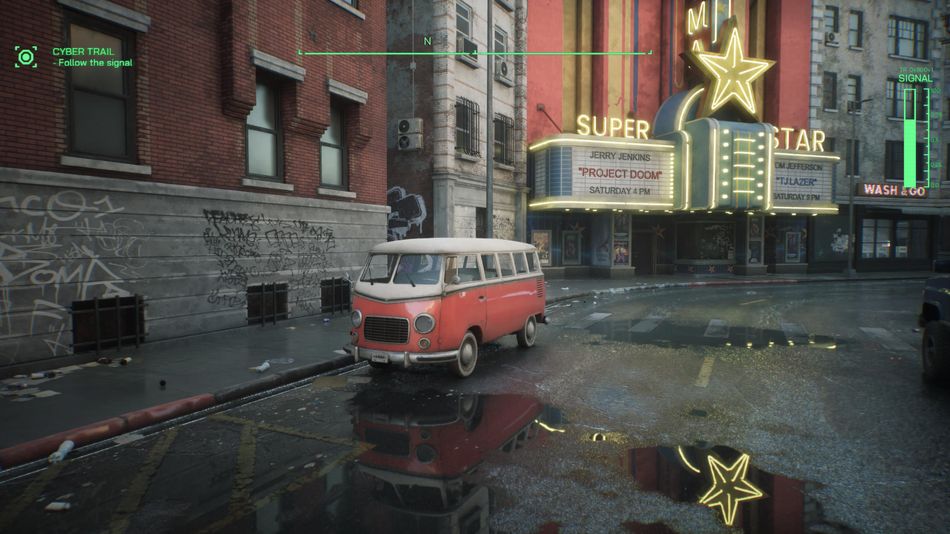
In terms of graphics, my experience with RoboCop: Rogue City was a mix of love and hate throughout. When exploring Old Detroit, whether it's day or night, everything appears glossy and visually appealing. The graphic effects, particularly the ray-tracing reflections, are impressive, making the city feel like it's been transported from the 1990s straight onto our TVs and monitors. However, examining character design, movements, and behaviour gives the impression of a twenty-year-old game that received a modern graphical upgrade.
The characters appear somewhat lifeless, and their movements remind me of a puppet show; even games from a decade ago exhibited better animations in this regard.
When it comes to sound, my opinion is twofold. I previously mentioned that the weapon sounds are impressive. Additionally, the soundtrack, particularly during combat, captures the essence of the nineties with its mix of rock and roll melodies and electronic music from that era.
Yet, the technical sound performance is rather disappointing. Frequently, the sound fails to synchronise well with the in-game movements. A specific critique is directed towards interruptions in the sound after a certain time spent in the game, leading to delays and interruptions in the dialogue.
Moreover, the voice acting of certain characters does not meet today's standards, although the actor who voiced RoboCop deserves recognition for a fantastic job.
Regarding performance, the game runs smoothly on the PlayStation 5, offering options for both performance and quality. I did not experience any crashes during gameplay, but there were occasional FPS drops in certain graphically demanding sections and battles.
Conclusion
Much like its individual segments, RoboCop: Rogue City elicits a constant love-hate dynamic. The game has its merits, drawing players in with a nostalgic atmosphere reminiscent of action classics from the last century. Yet, this enthusiasm is consistently tempered by notable shortcomings that prove difficult to overlook.
In essence, RoboCop: Rogue City stands as a sturdy shooter with a decent story and gameplay. With more careful balancing, it had the potential to be significantly better. Regardless of your approach to the game, be prepared for a mixed experience—moments of affection intermingled with frustration, much like my own experience.
The Good
 Nostalgic atmosphere
- Faithful to original RoboCop
- Decision-making impact
- Unique setting
- Beautiful outdoor graphics
The Bad
 Poorly balanced shooting
- Predictable story
- Repetitive side quests
- Lacklustre enemy AI
- Sound issues