Trending
Remedy Entertainment is best known for moody, cerebral single-player experiences like Control and Alan Wake, so their shift into the co-op shooter space with FBC: Firebreak definitely raised eyebrows. Could a studio with such a distinct narrative and visual identity translate that into a replayable live service title with a solid amount of content and strong post-launch roadmap?
I think the answer could be yes, mostly.
A Familiar but Fresh Vibe
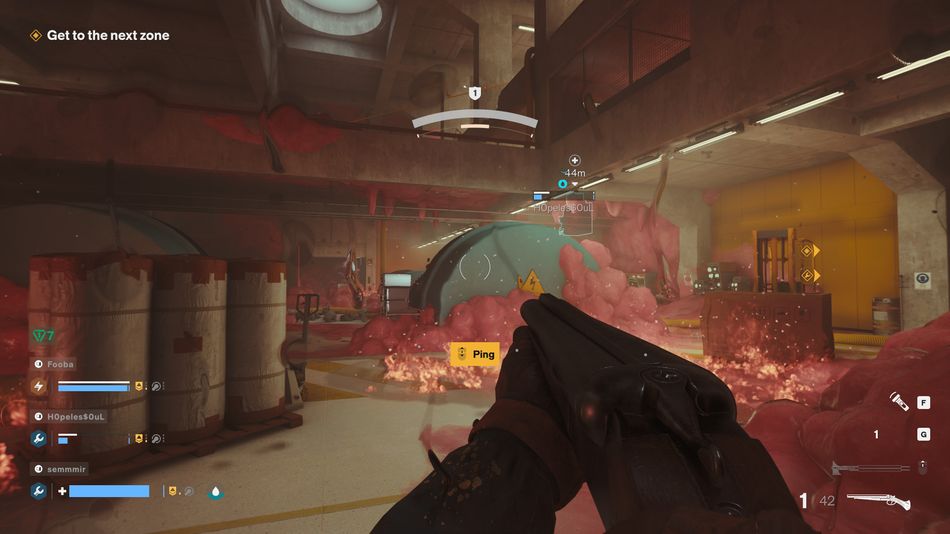
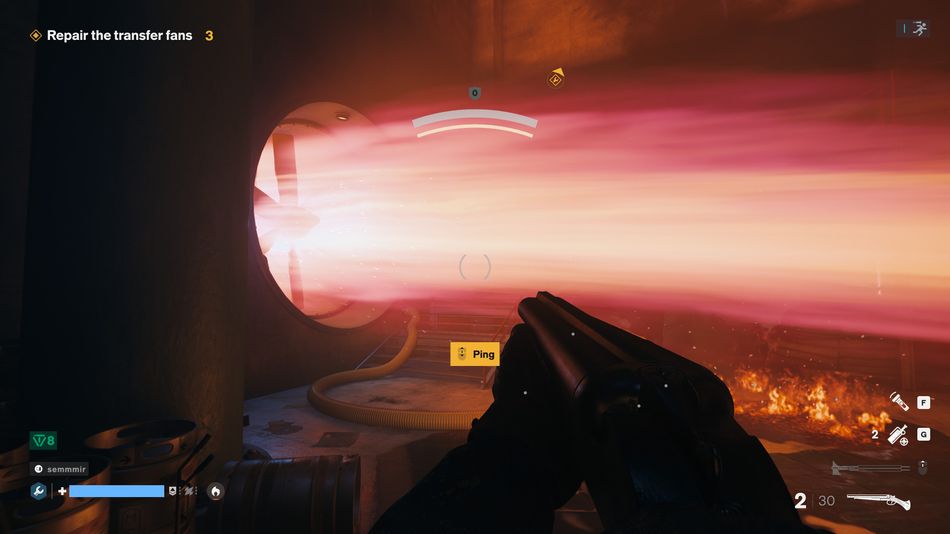
From the moment you step into Firebreak, you’ll feel the DNA of Control pulsing through every hallway. The Federal Bureau of Control remains one of the most visually interesting settings in modern games, and Firebreak leans heavily into that weird, shifting, bureaucratic nightmare vibe. The feeling of unnatural, enemies floating in the air, the red glow all over the place, the smart choice of contrasting colours in that sterile-yet-haunted sheen Remedy does so well. The art direction here is top-tier—if you loved Control, you’ll feel right at home.
That atmosphere isn’t just visual either. The sound design helps build an ever-present tension, and while there’s not a deep narrative thread to follow, the world still has some of that Remedy flavor—strange reports, unsettling memos, and moments that make you feel like reality is just a little off.
Co-Op Carnage with Layers
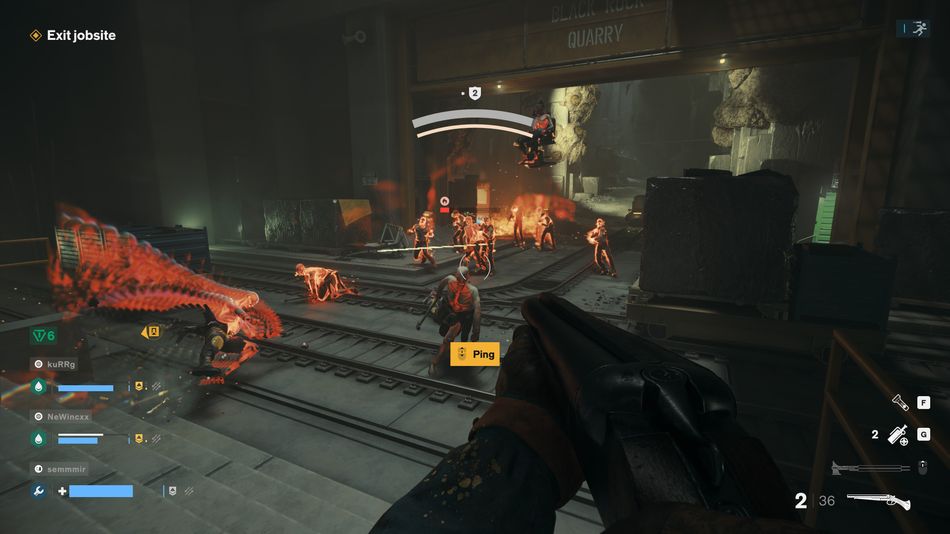
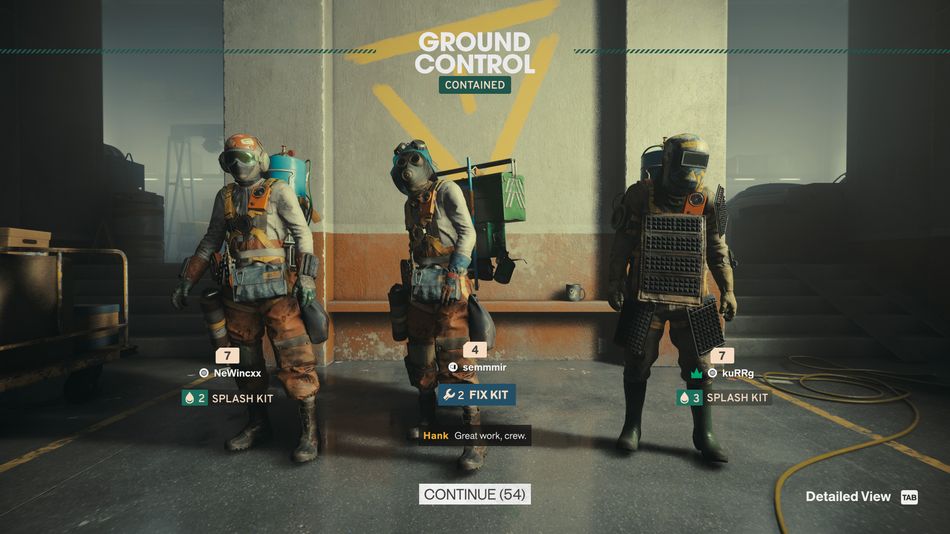
Structurally, I've found Firebreak to be reminiscent of Left 4 Dead with shorter missions. You (solo or in a team of three) jump into missions, move through checkpoints, and complete objectives while waves of enemies try to pull you apart. Missions are bookended with extraction points, and in between, there’s plenty of combat, coordination, and restocking during tense quiet moments.
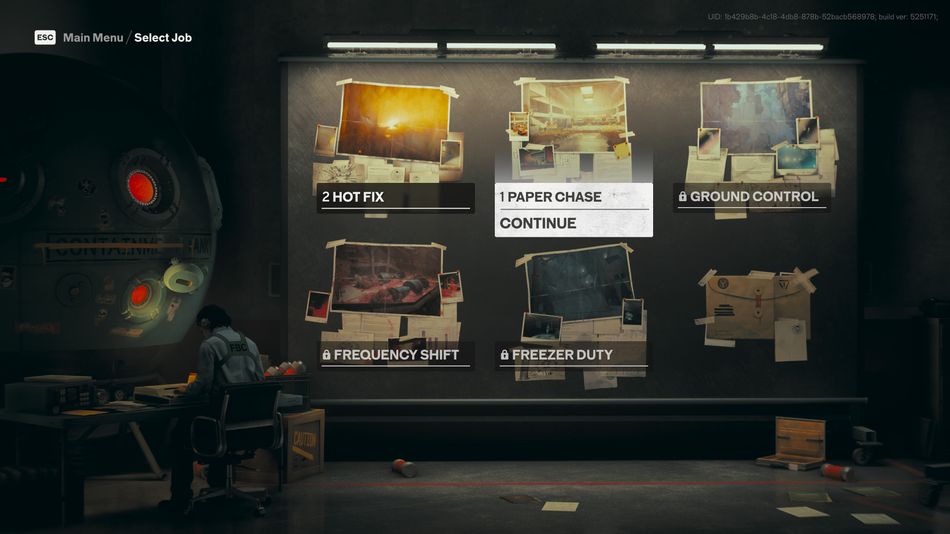
There’s a decent amount of content here at launch—five missions, each with their own distinct tone and layout, and four difficulty settings to keep players coming back. Missions feel varied enough, with different environmental themes and combat challenges, so it doesn’t get stale too quickly.
The number of weapons will be underwhelming to some since the game only has six of them - A revolver, pump action shotgun, double barell shotgun, bolt action rifle, an SMG and a machine gun.
What makes Firebreak stand out from its peers is how it leans into chaos, especially at higher difficulties. Enemy spawns ramp up hard, and what begins as a manageable skirmish can quickly spiral into frantic panic. Boss-like enemies drop in to shake things up further, and this is where teamwork and loadouts become crucial, since there's plenty of perks and tools that can help you manage the enemies better, if you know what you're doing.
Surprisingly Solid Combat
Let’s talk shooting. Firebreak is no Destiny 2 or Call of Duty when it comes to raw gunplay, but it holds its own. Weapons have a decent amount of weight, and the effects help sell each pull of the trigger. It's satisfying enough to carry the experience, especially once you start unlocking more weapons and perks that can make or break a match.
Speaking of unlocking new stuff, Firebreak has a progression system that gives you a reason to keep playing. Completing missions earns resources that go toward unlocking perks and better equipment. It’s a familiar loop—play, earn, upgrade—but it's executed cleanly and keeps the rewards coming at a steady pace.
Don’t expect deep customization or crazy experimental builds just yet, but the foundation is certainly solid, giving a lot of options for some really fun stuff - and there's room for expansion if Remedy decides to build on it post-launch.
Remedy’s First Foray into Live Service
What’s perhaps most impressive is that Firebreak feels like a coherent, focused game despite being Remedy’s first real entry into live service territory. While there is a free and premium battle pass, Firebreak doesn't have that awkward monetisation, nor intrusive battle pass grind (at least at launch). The paid battle pass is all about cosmetic items like armour, spray paints, weapon skins, while the free one lets you unlock gameplay altering stuff like weapons. It just feels like a game that wants you to have a good time, and lets you do so at your own pace.
Will it tear players away from the bigger live service giants? Probably not. But it doesn't have to. What Firebreak offers is a change of pace—something stylish, tightly designed, and atmospheric. It's a co-op shooter that doesn’t look like every other one on the market, and in a genre where so many games blur together, that’s a big deal.
Final Thoughts
FBC: Firebreak isn’t a revolutionary co-op shooter, but it is a very solid and surprisingly confident first attempt by Remedy to step into a new space. It borrows familiar mechanics and wraps them in the kind of surreal, stylish atmosphere that fans of Control will eat up. The shooting is solid, the content is respectable, and the tension ramps up nicely when things go sideways.
If you're a fan of Remedy’s world-building, or you're just looking for a fun and slightly offbeat co-op shooter with a unique identity, Firebreak is worth checking out. It’s not quite at the top of the genre, but it doesn’t need to be—it knows what it wants to be, and executes it with style.
The Good
 A solid amount of content on launch
- Unique visual style
- Decent mission structure
The Bad
 Could have more weapons