Trending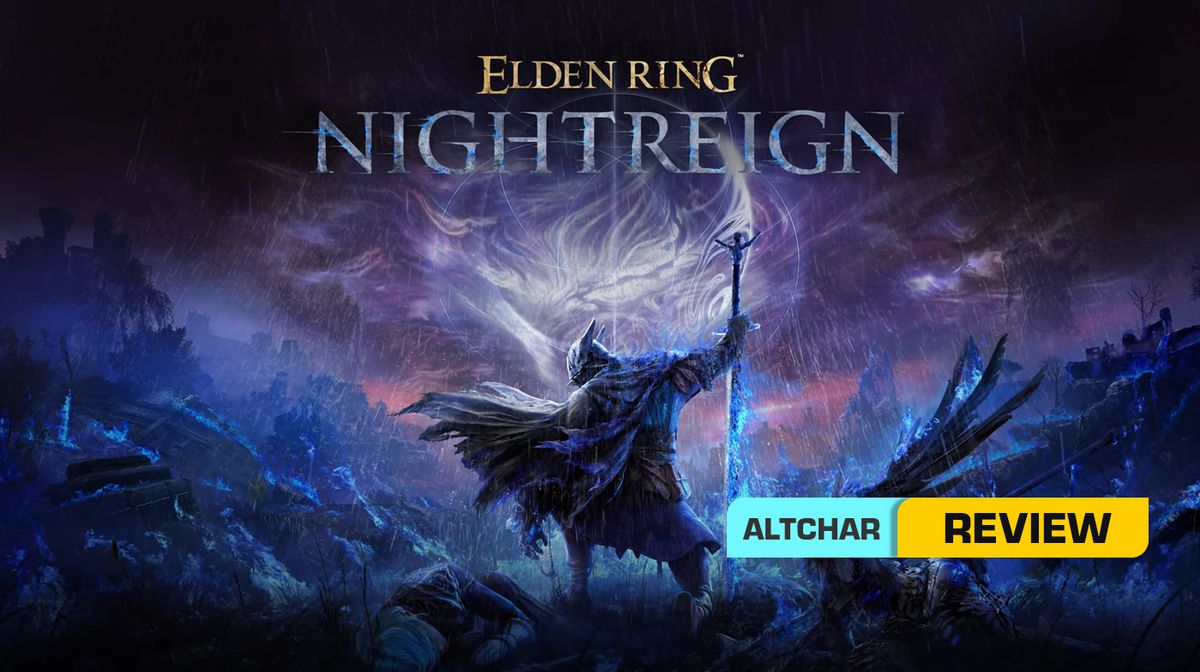
When Bandai Namco first announced Elden Ring Nightreign, I didn't know I actually wanted a multiplayer co-op Elden Ring game where you can tackle the game's formidable bosses with your squad. It looked and sounded like an interesting concept on paper, but I wasn't sure that From Software, who are not your most experienced studio when it comes to multiplayer titles, would manage to pull it off.
After spending over 20 hours on Nightreign, I can say that From Software nailed both the concept and the execution, delivering a strong foundation with an incredibly satisfying gameplay loop, challenging but fair boss battles and an ever-changing map that feels familiar but fresh in every new run you take.
With a total of eight main bosses, it may not be jam-packed with content, and without updates, players will probably do everything there is to do in 25-30 hours, but for the price of $39.99, Elden Ring Nightreign is well worth the money and will provide you and your buddies with some memorable moments, at least it did that for me.
Elden Ring is a mix of many subgenres, including roguelite, monster hunting and battle royale, and no matter how weird such a combination sounds at first, it actually works pretty well.
Before embarking on an expedition, you'll choose one of seven character archetypes, which cover everything from tank, ranged and magic classes. Depending on the boss, team composition can be very important, especially if you fight a boss that does things only a certain class can counter.
A good example of this is when one specific boss drops a magic ball from the sky. Basically, if this ball hits the ground, it means instant death for your team. To counter it, you need ranged attacks since melee would struggle to destroy it in time with jump attacks.
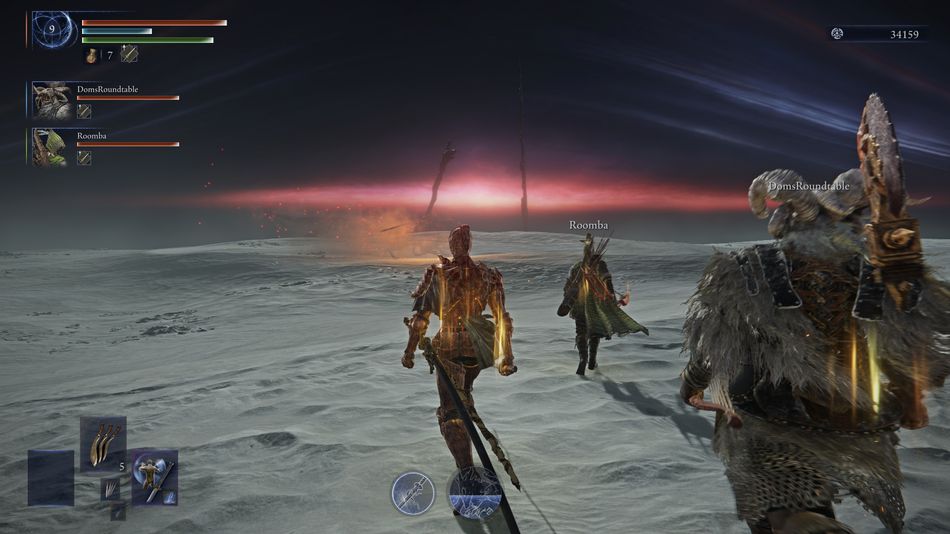
Each character also comes with two unique skills, including a powerful ultimate skill that can sometimes make a difference between life and death.
To give you a perspective on how strong the ultimate skills are, one character can use it to revive fallen mates, Wylder, my favorite uses a massive explosive punch to deal stagger and big damage, katana wielder Executor can transform into a massive beast, which gives you an extra health pool and a chance to deal major damage before turning back to your normal form.
Once you finally decide which character to take, the next step is to pick a boss you want to take on and choose whether your adventure is solo or in three-player co-op. There is a total of eight main bosses in Elden Ring Nightreign, and all of them are brand new bosses, never before seen in any From Software game.
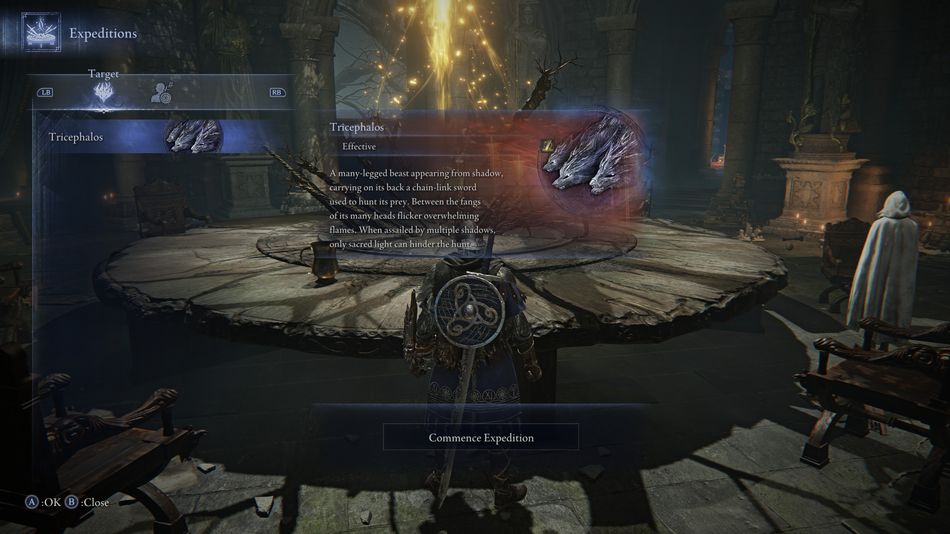
Boss designs and movesets are pretty decent, too. I think there's only one boss fight that I didn't really like much, as it involved sprinting around the arena for the whole fight, but other than that, most of the battles were truly epic with wonderful music, visuals and most importantly, great balance for three-player co-op.
The challenge is still there, obviously, especially if you don't know what you're doing or head into the fight underleveled and without proper equipment. That's when the bosses can feel very tanky, which takes away all the fun from these encounters.
There are bosses from Elden Ring and Dark Souls in the game, as you've probably noticed from the trailers but these are found in the world randomly, and none of them serve as the big showdown fight at the end of the run.
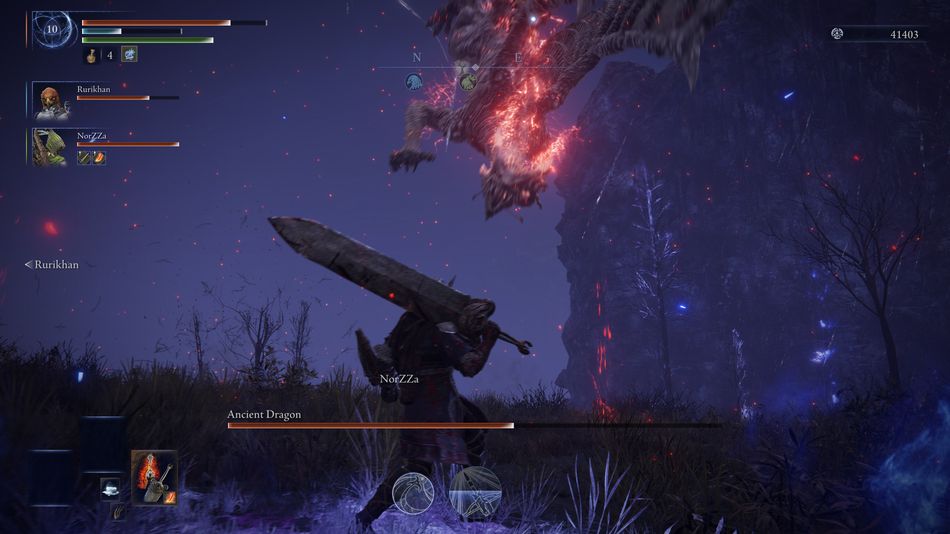
I have to say, seeing these classic bosses from earlier games was a real throwback and made me giggle every time one of these formidable foes spawned. I won't be naming which bosses are in the game as I don't want to ruin the surprise for anyone.
Once the run starts, you're dropped onto a random point on the map. You can't decide where you're going to drop, like in traditional battle royale games. The map is unique for every run, so each time you head out, you'll find different placements for camps, ruins, bosses, enemies and of course, the circle. These will feel familiar as From Software reused a lot of assets from Elden Ring, which is fine; this is an Elden Ring game after all.
Since the map is randomised for every expedition, the success of your run can heavily depend on how lucky you are with the RNG. Sometimes, the game will place some of the most important POIs around your landing spot, which can result in fast levelling, getting great gear and increasing your flask charge without too much of a hassle.
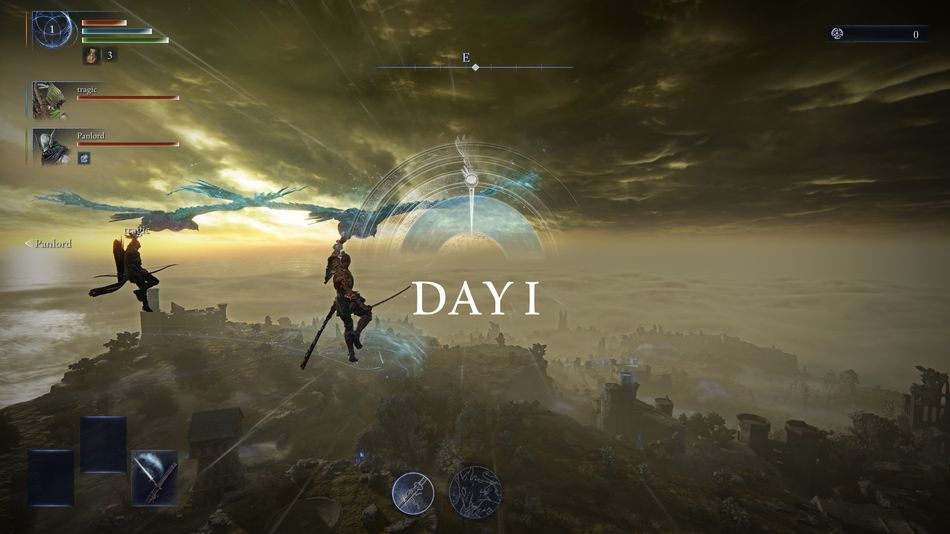
However, I had many runs where my team had to sprint from one place to another all the time due to very bad placement of key locations. Despite our best planning, we often found ourselves outside the circle, battling bosses or running to get that final flask charge while the circle depleted our health bar bit by bit.
There's beauty in that, too. The excitement of barely making it out alive makes for a great story and gives your confidence a big boost as you head towards the next boss. And of course, it's mad fun and makes you keep playing.
In terms of what you actually do once your expeditions kick off, it's fairly simple. You'll slay bosses, try to get the best possible weapons, and as many passive buffs as possible in order to be ready for that final boss fight. On the first day, the teams I've played with usually took on easier bosses and visited Marika churches to increase the number of our healing flasks before fighting the first boss.
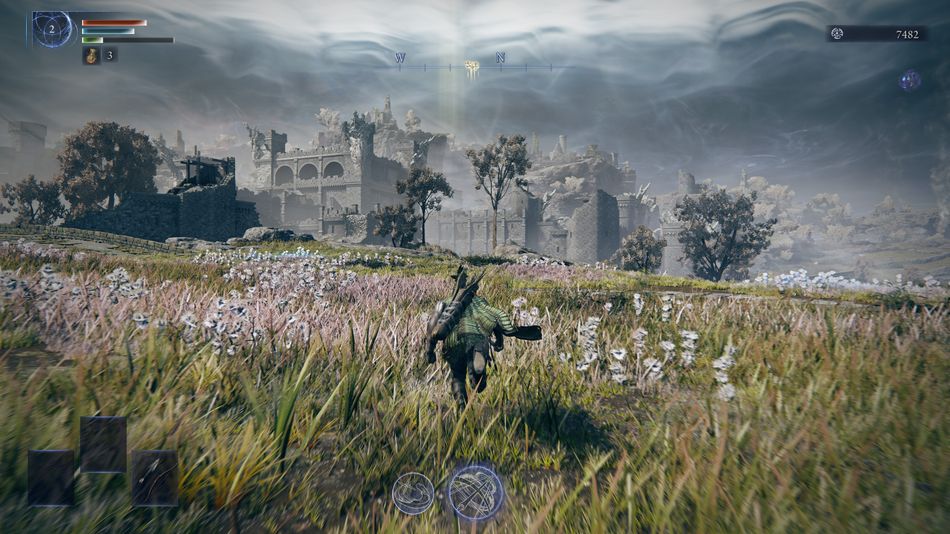
The second day gets a bit tougher as the game introduces "greater enemies", but the difficulty spike is fairly okay, especially if you're well geared. Things can get tough, depending on which bosses you choose to tackle. You can stick to those you think are easier and avoid big dragons and similarly challenging enemies.
On the third day, you'll fight the main boss, called Nightlor,d and these drop powerful items called Relics, which are unique to the boss you've defeated. In addition, each completed expedition gives you random Relics of different quality depending on how far you've got in the run. You can then equip three of these Relics on each character to get very strong buffs like increased HP, higher damage with greatswords, increased holy damage and so on.
Sometimes, your map will change with unique world events that can create a massive lava-like crater in the middle or high, snowy mountain peaks, which bring great risk-reward options to the table. It's a great way to mix it up a little bit since the stock map will get monotonous after several runs.
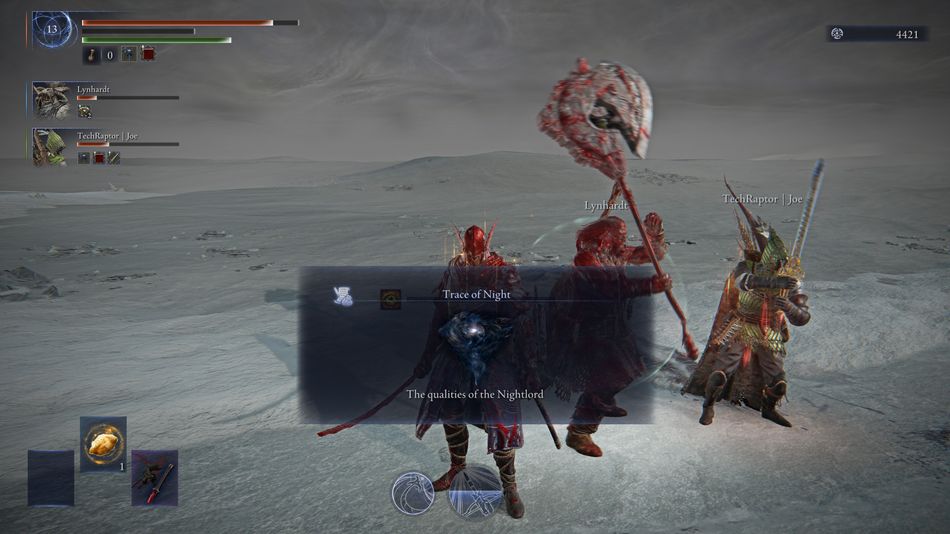
In terms of story, everything is pretty vague in true From Software fashion, but there is new lore here for those who enjoy piecing together clues to uncover the bigger picture. The game is set in a place called Limveld, which is afflicted by these beings called Nightlords, which are the game's main bosses. You and other warriors need to put a stop to them and the circle in three days' time.
The Nightlords will only reveal themselves once you beat their commanders, the two bosses that appear after each day. There's a story behind the characters too. Each of them has quests you can take on, and you can even talk to them at the game's version of Roundtable Hold, where they are resting and preparing for the expeditions.
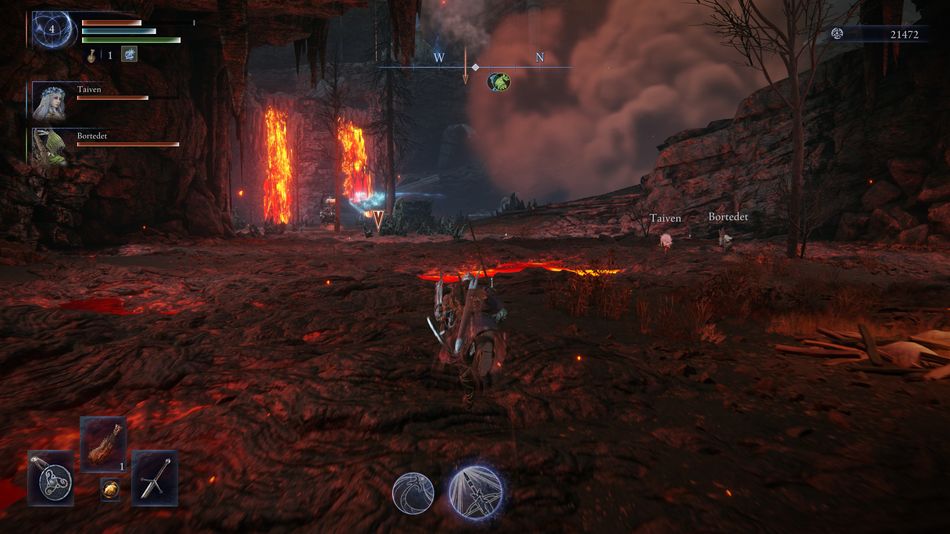
One thing that completely caught me off guard was quest markers. Yes, believe it or not, Elden Ring Nightreign has quest markers, and they are pretty helpful. Once you activate a character quest in the Roundtable Hold, the game will be very specific in telling you what you need to do and where to go.
I think I understand the decision to implement such a feature, since expeditions are all about using every bit of time you have to get as strong as possible, so running around the map, searching for how to complete the quest, wouldn't really work well.
But it will be interesting to see the feedback from players and if From Software decide to add a similar feature in one of their upcoming single-player games. To me, it wouldn't make a lot of sense since the sense of discovery, mystery and players working together to solve quests is what makes these games so special.
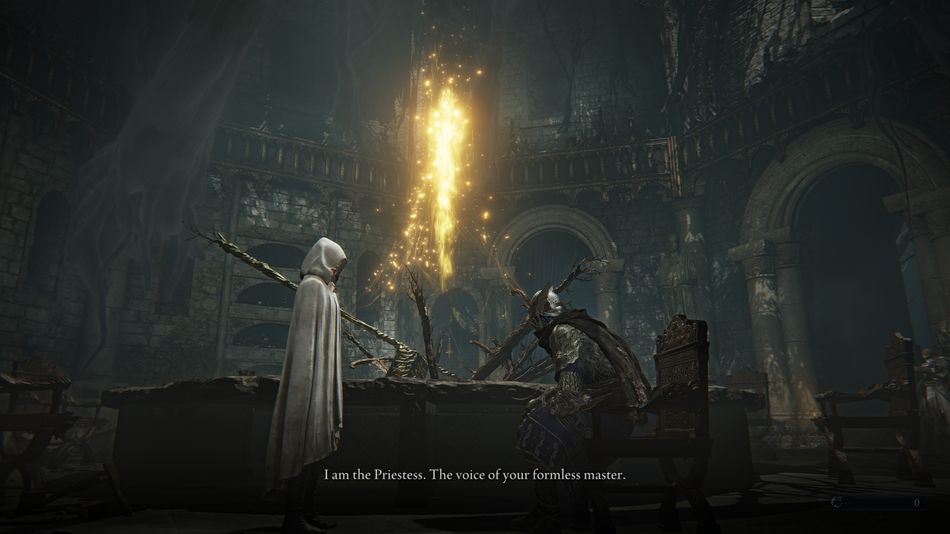
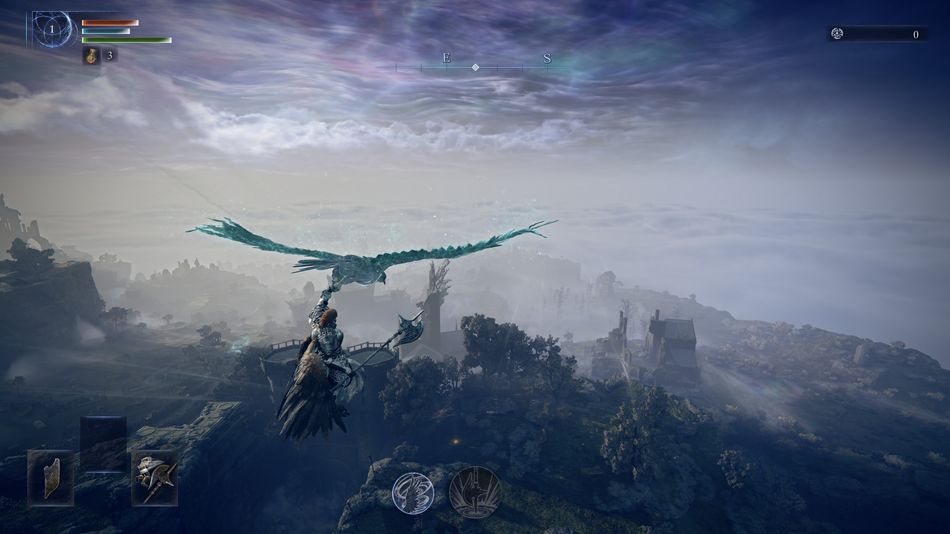
Visually, Elden Ring Nightreign is more Elden Ring, and that's a good thing. The game's art style is once again incredible, featuring stunning vistas, skyboxes that I couldn't stop looking at, and a beautiful Nightlord boss arena that takes on unique themes for each boss.
Graphically speaking, the game does seem to benefit from better lighting, volumetric fog and overall level of detail when compared to Elden Ring, but don't expect a massive uplift in visual fidelity.
CONCLUSION
Elden Ring Nightreign is certainly a different kind of game for From Software. The studio who are known for single-player action RPGs have sailed into the unknown, and fortunately, delivered an excellent co-op experience in the universe a lot of gamers love and cherish.
New bosses, a fresh but familiar landscape, and a unique concept truly make Nightreing well worth the asking price. I certainly had my fun with it, and I believe most gamers who love to throw a session or two with their buddies will too.
The Good
 Classic Elden Ring gameplay with a couple of neat improvements
- Everchanging map and world events
- A great selection of new bosses
The Bad
 No cross-play